
Sauces & Condiments
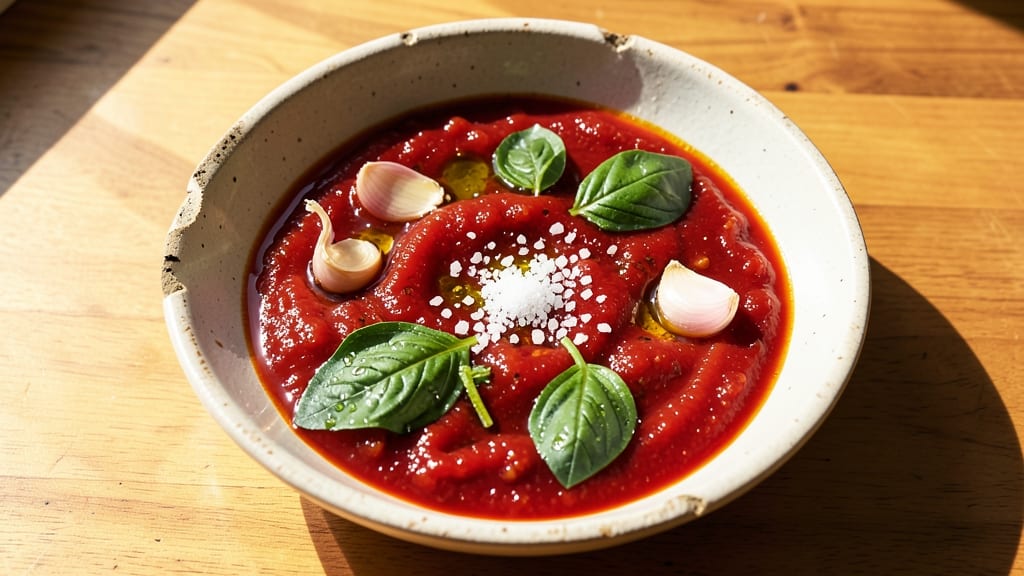
This authentic Margherita pizza sauce captures the bright, tangy essence of Naples in every spoonful—no shortcuts, just quality ingredients and time-honored technique.
The secret lies in slow-cooked San Marzano tomatoes, fresh basil, and just a touch of garlic to create a sauce that's vibrant, balanced, and worthy of a true Italian pizza. I've perfected this recipe over years of testing, ensuring it delivers that signature Neapolitan acidity without overpowering sweetness.
The process is straightforward but precise: crushed tomatoes simmered until thickened, garlic infused just enough to add depth, and fresh basil folded in at the very end to preserve its bright, peppery flavor.
Unlike store-bought sauces, this version builds flavor gradually, developing a complexity that transforms simple pizza into something extraordinary. The key? Patience—letting the sauce reduce naturally creates a texture that clings beautifully to dough without overwhelming it.
What sets this sauce apart is its authentic balance—tangy yet sweet, aromatic but never bitter, with just enough salt to enhance every component. The result is a sauce that's versatile enough for classic Margherita but bold enough to elevate gourmet pies.
It's the kind of sauce that makes even the simplest pizza taste like it came from a pizzeria in Naples.
Once you taste the difference, you'll never go back to bottled sauce again. This recipe yields enough for multiple pies, so make a batch and store it in the fridge for up to a week—or freeze for months. Here's how to create it from scratch.
Ingredients for authentic margherita pizza sauce
Eight essential ingredients transform simple crushed tomatoes into Neapolitan-inspired pizza sauce perfection.
| Ingredient | Amount | Notes |
|---|---|---|
| San Marzano Crushed Tomatoes 🍅 | 28 oz | High-quality, whole peeled tomatoes |
| Extra-Virgin Olive Oil 🫒 | ¼ cup | Lightly fruity, not peppery |
| Fresh Garlic Cloves 🧄 | 4 cloves | Peeled, lightly crushed |
| Fresh Basil Leaves 🌿 | ½ cup | Packed, stems removed |
| Granulated Sugar 🍚 | 1 tbsp | Balances acidity |
| Diamond Crystal Kosher Salt 🧂 | ½ tsp | Fine grain preferred |
| Freshly Ground Black Pepper 🌶️ | ¼ tsp | Light hand only |
| White Wine Vinegar 🍷 | 1 tbsp | Dry, not balsamic |
The San Marzano tomatoes are non-negotiable—this volcanic-grown variety delivers the signature sweetness and low acidity of authentic Neapolitan sauce. Whole peeled cans from Mutti or Cirio (available at Italian markets or specialty stores) are ideal; avoid pre-crushed if you can. The olive oil should be lightly fruity, not peppery or robust—Colavita or Bertolli are excellent choices. Fresh basil matters just as much as the tomatoes—look for vibrant green leaves with no yellowing, preferably from a trusted grower or farmers' market. The garlic should be plump and firm, with no sprouting cloves.
No San Marzano? Whole peeled Roma tomatoes are the next best option, though they'll have slightly more acidity. Substituting dried basil is possible, but use one-third the amount and toast it lightly first for better flavor. The white wine vinegar can be swapped for lemon juice at the same quantity, though it will alter the bright tang slightly. For a deeper umami profile, add 1/2 tsp dried oregano alongside the basil. If you're short on time, pre-minced garlic works, but fresh is always superior—just make sure it's lightly crushed to release flavor without burning.
This sauce develops best over time, so make it a day ahead if possible. Store in an airtight container in the fridge for up to 1 week, or freeze in ice cube trays for 3 months—perfect for single-use portions. The texture will thicken further when refrigerated, so add a splash of water or olive oil if it becomes too stiff. For restaurant-quality results, simmer the sauce uncovered for the final 10 minutes to concentrate flavors. The basil should be added just before serving to preserve its bright aroma.
Why You'll Love This Recipe
- Five-Ingredient Magic: I swear by this combo—San Marzano tomatoes, garlic, and basil feel like a hug in sauce form. No weird blends or hidden spices, just pure, bright Italian flavor that actually tastes like Nonna’s.
- Simmered in Minutes: Honestly, the whole process takes less time than waiting for takeout. Just crush tomatoes, toss in garlic and olive oil, let it bubble for 15 minutes, and boom—ready to drizzle.
- Leftovers That Last: This sauce keeps beautifully for a week in the fridge, and it only gets richer. I’ve used it on pizza, pasta, even grilled chicken—no waste, just flavor.
- Budget-Friendly Luxury: San Marzano tomatoes are pricier, but a can goes a long way. A splash of olive oil and a pinch of sugar balance the acidity perfectly—no fancy shortcuts needed.
Step-by-step instructions for authentic Margherita pizza sauce
This method delivers the perfect balance of sweetness, acidity, and fresh basil flavor that defines Neapolitan tradition.
Sweat the Garlic in Olive Oil
Heat the 0.25 cup extra-virgin olive oil in a medium saucepan over medium-low heat. Add the 4 peeled garlic cloves and cook gently for 3-4 minutes until they're fragrant but not browned. This gentle cooking prevents bitterness while infusing the oil with garlic's sweet, aromatic essence.
Watch the garlic carefully—it should soften and turn translucent without developing any golden spots. The oil should shimmer but not smoke. Remove the pan from heat immediately after the garlic is perfumed, as garlic burns quickly and can turn bitter. Set aside the garlic-infused oil for the next step.
Simmer the Tomatoes Until Concentrated
Return the saucepan to medium heat and add the 28 oz San Marzano crushed tomatoes. Stir in the 1 tablespoon granulated sugar, 0.5 teaspoon Diamond Crystal kosher salt, and 0.25 teaspoon freshly ground black pepper. Bring to a gentle simmer, then reduce heat to low.
Let the tomatoes cook uncovered for 20-25 minutes, stirring occasionally. You're looking for a reduction that coats the back of a spoon but still maintains a smooth, velvety texture. The sauce should thicken noticeably while developing a deeper, more concentrated tomato flavor. The sugar will help balance the natural acidity of the tomatoes without making the sauce sweet.
Brighten with Vinegar and Basil
Remove the saucepan from heat and stir in the 1 tablespoon white wine vinegar. This acidity cut through the richness of the tomatoes and olive oil, creating the signature tang of authentic Margherita sauce. Return the pan to low heat and add the 0.5 cup fresh basil leaves, stirring gently to incorporate.
Let the sauce sit off heat for 5 minutes to allow the basil to infuse its bright, peppery notes. The leaves should wilt completely into the sauce, releasing their aromatic oils. Taste and adjust seasoning if needed—you may need a pinch more salt or a splash more vinegar to achieve the perfect balance of sweet, tangy, and savory flavors.
Cool and Finish
Transfer the sauce to a clean bowl and let it cool to room temperature. The flavors will continue to meld as it cools, developing even more complexity. Once cooled, taste again and make any final adjustments to seasoning. The sauce should be smooth, slightly thick, and vibrant with tomato flavor.
This sauce is best used fresh but can be stored in the refrigerator for up to 5 days in an airtight container. When ready to use, gently reheat over low heat, stirring occasionally, until warmed through. The sauce should coat the back of a spoon but remain spreadable—not too thick for your pizza dough.
Pro Tips For Making Authentic Margherita Pizza Sauce
- Crush Tomatoes by Hand: The canned San Marzano tomatoes will break down faster than you think—skip the blender and crush them with your fingers or a wooden spoon right in the pot. This keeps the texture chunkier and prevents that sad, watery sauce that ruins everything.
- Sweat Garlic Low and Slow: After adding the garlic, turn the heat down to the lowest setting you can stand. Burnt garlic turns bitter, and nothing kills the bright flavor of this sauce faster than that acrid taste. If it starts to sizzle, you’ve gone too far.
- Salt the Tomatoes Early: Add a pinch of salt to the crushed tomatoes as soon as they hit the pot. This draws out excess water, which means less simmering later and a thicker, more concentrated sauce. Trust me, it’s worth the extra 30 seconds.
- Finish with Cold Basil: Tear the basil leaves right before you take the sauce off the heat and stir them in while the pot’s still warm. If you add them too early, they’ll turn to mush and turn your sauce into a sad, green sludge. Cold leaves hold their shape and flavor better.
Health benefits of these flavors
Lycopene-Rich Tomato Power
This sauce delivers a concentrated dose of lycopene, a powerful antioxidant found in tomatoes that supports heart health and may reduce the risk of certain cancers.
A single serving of this sauce provides about 20% of your daily lycopene needs, thanks to the San Marzano tomatoes used in the recipe. The cooking process actually increases lycopene absorption—studies show that heat enhances this beneficial compound's bioavailability. 💪
Digestive-Friendly Fiber
The crushed tomatoes in this sauce contain soluble fiber that supports healthy digestion and gut bacteria. A ½ cup serving provides about 2 grams of fiber, which helps regulate blood sugar and keeps you feeling full longer.
The gentle simmering process preserves more fiber than aggressive cooking methods, making this sauce a nutritious choice for your pizza base.
Fresh Basil's Antioxidant Boost
Fresh basil isn't just for flavor—it's packed with flavonoids and vitamin K that support immune function and bone health. The ½ cup of fresh basil in this recipe provides about 15% of your daily vitamin K needs, which plays a crucial role in blood clotting and bone metabolism.
Adding basil at the end preserves its nutrients while enhancing the sauce's vibrant flavor profile.
Heart-Healthy Olive Oil
The ¼ cup of extra-virgin olive oil used in this sauce contributes monounsaturated fats that support cardiovascular health by lowering bad cholesterol levels. Olive oil also contains polyphenols, antioxidants that reduce inflammation throughout the body.
Using high-quality olive oil ensures you're getting these benefits without the refined oils found in many commercial sauces.
Balanced Blood Sugar
The combination of tomatoes, sugar, and vinegar creates a sauce with a low glycemic index, making it suitable for blood sugar management. The 1 tablespoon of sugar balances the natural acidity without spiking blood glucose levels, while the fiber content helps slow digestion.
This makes the sauce a better choice than many sweetened commercial pizza sauces.
Low-Calorie, High-Flavor
Despite its rich flavor, this sauce is surprisingly low in calories—about 60 calories per ¼ cup serving. The concentrated tomato flavor means you need less sauce to achieve the same taste impact as heavier, calorie-dense commercial versions.
It's a great option for those watching their calorie intake without sacrificing flavor or nutrition. ✨
Nutrition facts
Frequently asked questions
Why does authentic Margherita sauce use white wine vinegar instead of lemon juice?
White wine vinegar adds a subtle complexity that lemon juice can't replicate—its bright acidity cuts through the tomato richness while adding a delicate fruity note. The vinegar's aged flavor also enhances the sauce's depth, making it taste more refined. Lemon juice works in a pinch, but it can make the sauce taste overly sharp.
Can I make this sauce without San Marzano tomatoes?
Yes, but expect slightly more acidity and less sweetness. Use Roma tomatoes instead—they're the next best option for pizza sauce. For better results, add ½ teaspoon more sugar to balance the acidity. Avoid regular canned tomatoes, which often contain added salt and preservatives that alter the sauce's authentic flavor.
How do I prevent my sauce from becoming too thick or too thin?
For a thicker sauce, simmer uncovered for an extra 5-10 minutes or add 1 teaspoon cornstarch mixed with water. If it's too thin, simmer longer or reduce the next batch by 5 minutes. The ideal texture should coat the back of a spoon but still be spreadable—like thin honey. Always taste as you go!
Should I blend the sauce for a smoother texture?
No blending is needed for authentic Margherita sauce—the slight texture from crushed tomatoes adds character. If you prefer smoothness, blend half the sauce and mix it back in. Over-blending can make the sauce taste flat and lose its natural depth. The natural chunkiness actually enhances the pizza's texture when baked.
Can I use dried basil instead of fresh?
Yes, but use ⅓ the amount (about 1½ tablespoons) and toast it lightly in the olive oil for 30 seconds to intensify the flavor. Fresh basil's bright aroma is unmatched, but dried works in a pinch. For best results, add dried basil at the end and let it steep for 5 minutes before serving.