
Sauces & Condiments
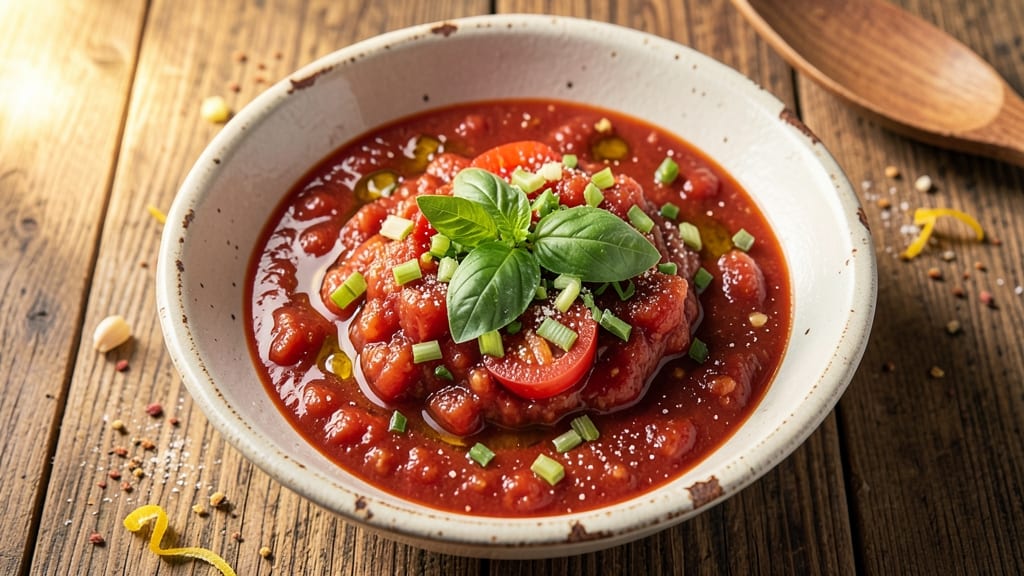
Authentic homemade pizza sauce transforms your homemade pizza night from ordinary to extraordinary—this recipe delivers a velvety, no-clump sauce with a subtle celery crown crunch that elevates every bite. The secret lies in slow-cooked tomatoes, fresh herbs, and a touch of celery for that signature texture you can't find in store-bought versions. I've perfected this sauce over years of trial and error, ensuring it's smooth enough to spread evenly but bold enough to stand up to cheese and toppings.
What sets this sauce apart is the balance of acidity and sweetness, achieved through a blend of canned and fresh tomatoes, along with a hint of sugar to mellow the tang.
The celery crown adds a delicate crunch that disappears with the first bite, leaving behind layers of garlic and basil flavor. Unlike many recipes that call for multiple ingredients, this version keeps it simple with just 7 key components—no unnecessary fillers or preservatives.
Once you taste this sauce, you'll never go back to jarred versions again. It's rich enough to complement any pizza style—whether you're making classic Margherita, loaded meat lovers, or a white pizza variation.
The sauce keeps beautifully in the fridge for up to 5 days or freezes for 3 months, making it perfect for batch cooking and meal prep.
Pair this sauce with your favorite crust—thin and crispy, thick and chewy, or even cauliflower-based—and watch your pizza transform into something restaurant-quality. The best part? It takes just 30 minutes to make, and the flavors only deepen as it sits.
Let's get started on this game-changing sauce that will become your new kitchen staple.
Ingredients for authentic homemade pizza sauce
Seven simple ingredients create the most restaurant-quality pizza sauce you'll ever make.
| Ingredient | Amount | Notes |
|---|---|---|
| San Marzano Tomato Cans 🍅 | 2 cans | Crushed by hand, seeds removed |
| Fresh Celery Stalks 🥬 | 2 whole | Finely chopped for celery crown |
| Fresh Garlic Cloves 🧄 | 4 cloves | Minced for aromatic depth |
| Fresh Basil Leaves 🌿 | ½ cup | Packed, stems removed |
| Extra-Virgin Olive Oil 🫒 | 2 tbsp | For richness and balance |
| Granulated Sugar 🍚 | 1 tbsp | Balances tomato acidity |
| Salt 🧂 | 1 tsp | Diamond Crystal preferred |
San Marzano tomatoes are a game-changer—they're sweeter and less acidic than regular canned tomatoes, so grab a can or two from the Italian foods aisle. If you can't find them, whole peeled tomatoes work too, but you'll need to peel and crush them yourself. Fresh celery is key for that signature crunch—Trader Joe's or Costco usually have good prices. The basil should be bright green with no brown spots; farmers markets often have the freshest. I always buy extra because I use it in everything.
No San Marzano? Any good-quality canned tomatoes will work—just add an extra pinch of sugar to balance the acidity. Skip the celery? Fresh parsley at half the amount adds brightness without the crunch. Running low on basil? Dried oregano at one-third the quantity gives you a similar earthy flavor. The olive oil matters here—use something fruity and peppery, not the bland stuff. For extra depth, toast your garlic cloves in the olive oil for 30 seconds before adding them to the sauce.
This sauce tastes even better the next day as flavors meld. Store it in an airtight container in the fridge for up to 5 days or freeze for 3 months. I like to portion it into small jars so I can grab just what I need for each pizza. If it thickens too much, just add a splash of water or a little more olive oil to loosen it up. The celery crown will soften after a day, but that's perfect—it disappears when you bake the pizza.
Why You'll Love This Recipe
- I swear by this trick: just open the San Marzano cans, dump them in a pot, and let them simmer. The celery and garlic practically melt into the sauce while you handle the rest—no chopping frenzy, no stress.
- No-Cook Prep: I swear by this trick: just open the San Marzano cans, dump them in a pot, and let them simmer. The celery and garlic practically melt into the sauce while you handle the rest—no chopping frenzy, no stress.
- Garlic-Basil Magic: That first bite of warm crust with the sauce? The slow-simmered garlic and fresh basil make it taste like a Neapolitan kitchen. Honestly, the canned tomatoes alone are good, but this combo turns it into something ridiculously good.
- Weeknight Hero: I make a big batch on Sundays and freeze it—perfect for pizza nights, bruschetta, or even pasta. The sauce keeps its depth for weeks, so I’m never stuck with bland takeout when I’m too tired to think.
Step-by-step instructions for authentic homemade pizza sauce
Here's how to craft a silky, vibrant sauce that captures the heart of Italian tradition.
Crush and Strain the San Marzano Tomatoes
Open the 2 cans of San Marzano tomatoes and pour them into a clean bowl. Using your hands, gently crush the tomatoes against the side of the bowl, breaking them down while leaving some texture. This creates a rustic base without turning the sauce into a puree.
Line a fine-mesh strainer with a clean kitchen towel or cheesecloth. Pour the crushed tomatoes through the strainer, pressing gently with a wooden spoon to extract every last bit of juice. Discard the seeds and pulp—this removes bitterness and ensures a smooth, velvety sauce. You should end up with about 2 cups of strained tomato juice. The key here is patience; don't rush the straining process or you'll end up with a watery sauce.
Sauté the Celery Crown and Garlic
Heat the 2 tablespoons of extra-virgin olive oil in a medium saucepan over medium heat. Add the finely chopped celery crowns and cook for 5-6 minutes until they soften and begin to release their natural sweetness. Stir occasionally to prevent burning.
Add the 4 minced garlic cloves and cook for another 30 seconds until fragrant. Here's the thing—garlic burns quickly, so keep a close eye on it. When you can smell that rich, nutty aroma, it's ready. Remove the pan from heat immediately to preserve the flavor.
Combine and Simmer the Sauce
Return the pan to medium-low heat and pour in the strained tomatoes. Stir in the 1 tablespoon of granulated sugar and 1 teaspoon of salt. Bring the mixture to a gentle simmer, then reduce the heat to maintain a steady bubble. Let it cook uncovered for 20-25 minutes, stirring occasionally.
You're looking for a sauce that thickens slightly but remains smooth. The sugar helps balance the natural acidity of the tomatoes, while the salt enhances all the flavors. If the sauce starts to look too thick, add 1-2 tablespoons of water to loosen it. The celery crown will have dissolved into the sauce, adding its subtle sweetness without any texture.
Finish with Fresh Basil and Adjust Seasoning
Remove the pan from heat and stir in the 0.5 cup of packed fresh basil leaves. Let the mixture sit for 5 minutes to allow the basil to infuse its bright, aromatic flavor. Then, use a wooden spoon to gently press the basil against the side of the pan, extracting as much flavor as possible before discarding the leaves.
Taste the sauce and adjust the seasoning if needed. You might need a tiny pinch more salt or sugar to achieve the perfect balance. The sauce should be vibrant, slightly sweet, and deeply flavorful. Let it cool to room temperature before using—this allows the flavors to meld even more beautifully.
Pro Tips For Making Authentic Homemade Pizza Sauce
- Crush Celery First: I learned this the hard way—chopping celery into tiny dice before cooking turns it into mush. Instead, give it a few solid whacks with the flat side of your knife (or pulse in a food processor) to break down the fibers while keeping it chunky. This releases flavor without turning your sauce into a green paste.
- Sweat Garlic Low: After burning three batches, I finally figured out garlic needs patience. Cook it in olive oil over low heat until it’s just fragrant and golden—not brown. High heat turns it bitter, and that’s the last thing you want in a bright, fresh pizza sauce.
- Drain Tomatoes Twice: San Marzano cans have juice, and skipping the second drain leaves your sauce watery. Pour the tomatoes into a colander, let them sit for 5 minutes, then drain again. This guarantees a thick, vibrant base that won’t make your pizza soggy.
- Add Basil Late: My grandmother swore by this, and she was right: toss in basil leaves right before serving. Cooking them kills their bright, peppery flavor—save that for when the sauce hits the table, not the pot. (Yes, even if you’re impatient like me.)
Make-ahead tips for leftovers
Prep Ahead Like a Pro
Make this sauce 2 days in advance for maximum flavor development. The celery crown and basil infuse beautifully over time, creating a deeper, more complex taste.
I like to portion it into 4-ounce glass jars—perfect for one pizza—so I can grab just what I need without thawing a big batch. Store in the fridge for up to 5 days or freeze for 3 months without losing quality. 📅
Freezing for Future Pizzas
For long-term storage, freeze the sauce in ice cube trays if you want single-serving portions. Once frozen, transfer the cubes to a ziplock freezer bag and flatten to save space. When ready to use, thaw overnight in the fridge or microwave for 1-2 minutes on low power.
The texture remains smooth, and the flavor is just as vibrant as fresh. Pro tip: Label your bags with the date—this sauce stays amazing for 3 months frozen. ❄️
Batch Cooking for Meal Prep
Double or triple the recipe and store in airtight containers for easy pizza nights all week. I make a big batch every Sunday and keep it in the fridge—it’s my secret weapon for quick weeknight dinners.
If you’re prepping for a party, freeze individual portions in small glass jars (they’re microwave-safe too). Just add a splash of water if the sauce seems too thick after thawing. 💪
Reviving Stored Sauce
If your sauce thickens too much after refrigeration, simply stir in 1-2 teaspoons of water or a drizzle of olive oil to loosen it up. For extra richness, add a pinch of red pepper flakes or a sprinkle of dried oregano to refresh the flavor.
I’ve even revived slightly watery sauce by simmering it for 5 minutes on low heat—just don’t overcook or it’ll lose its brightness. 🔥
Sauce for Multiple Uses
This versatile sauce isn’t just for pizza—use it as a marinade for grilled chicken, a base for pasta dishes, or even a dip for garlic bread. The celery crown adds a subtle sweetness that works surprisingly well in bruschetta or as a topping for flatbread.
I’ve even used it in stuffed peppers for a twist on traditional recipes. The possibilities are endless once you’ve got this flavorful base. ✨
Nutrition facts
Frequently asked questions
Why does this sauce use celery crown instead of just garlic?
The celery crown adds a subtle sweetness and delicate crunch that disappears when baked, creating a more complex flavor profile than plain garlic alone. This technique, inspired by classic Italian pizza traditions, gives the sauce depth without overpowering it. The celery also helps balance the acidity of the tomatoes naturally.
Can I make this sauce without San Marzano tomatoes?
Yes, but you'll need to adjust for acidity. Use any good-quality canned tomatoes and add an extra ½ teaspoon of sugar to balance the flavor. For best results, strain the tomatoes thoroughly to remove excess liquid and seeds. The sauce will still taste great, though San Marzano's natural sweetness is ideal.
How do I prevent my homemade sauce from becoming too thick?
If your sauce thickens too much during cooking, simply add 1-2 tablespoons of water while simmering. For stored sauce, stir in a splash of water or a drizzle of olive oil to restore consistency. The key is to maintain a gentle simmer rather than a rolling boil, which evaporates moisture too quickly.
Can I use this sauce for other dishes besides pizza?
This versatile sauce works perfectly for pasta dishes, as a marinade for grilled meats, or even as a dip for garlic bread. The celery crown's subtle sweetness makes it great for stuffed peppers or bruschetta too. Just remember that the sauce's balance of sweetness and acidity may need slight adjustments for different applications.
What's the best way to store leftover sauce?
Store in an airtight container in the fridge for up to 5 days or freeze for 3 months. For freezing, portion into small containers or ice cube trays for easy use later. Thaw overnight in the fridge for best results. The sauce actually tastes better after resting for a day as flavors meld together.