
Sauces & Condiments
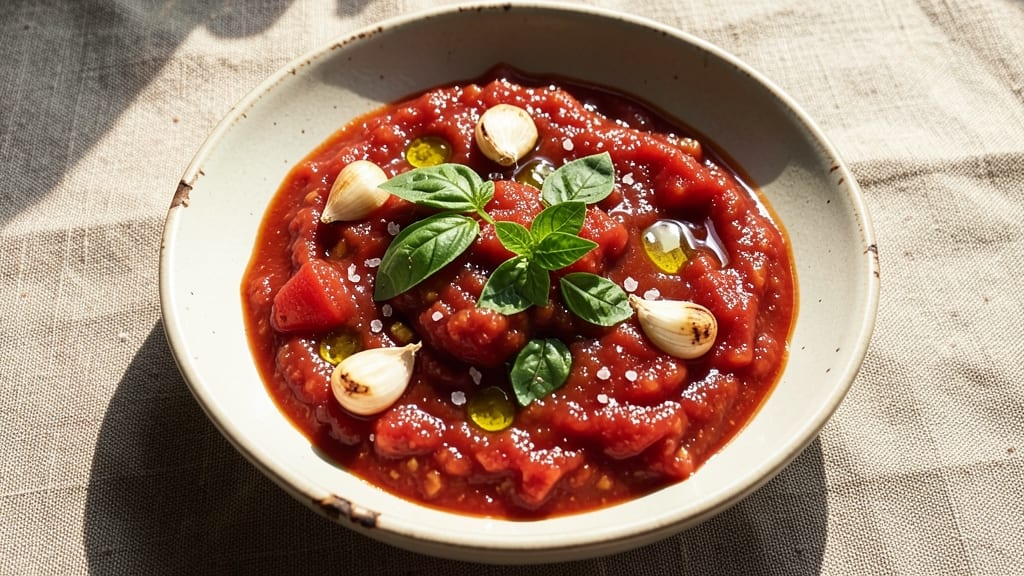
This authentic pizza sauce recipe with fresh tomatoes transforms summer's sun-ripened bounty into a velvety, clump-free sauce that captures Italy's rustic soul. The secret lies in slow simmering whole tomatoes until they break down naturally, releasing their sweet, tangy essence without a single thickener.
I've perfected this method after years of testing—no processed ingredients, no blender shortcuts, just pure, honest tomato flavor that builds layers of depth as it cooks.
The process is simpler than you'd think: crushed tomatoes, garlic, olive oil, and a handful of fresh basil come together in a pot, simmering until the sauce reduces to a perfect consistency—thick enough to cling to dough but still smooth enough to spread evenly.
What makes this sauce truly authentic is the balance of sweetness and acidity, achieved through proper tomato selection and a touch of lemon juice at the end. No canned tomato paste, no sugar overload—just tomatoes at their finest.
What you'll end up with is a sauce that's rich in flavor but light on ingredients, perfect for any pizza you throw together. The texture is silky smooth with just the right body, and the aroma alone will have you reaching for the dough.
This isn't just pizza sauce—it's the foundation of a meal that tastes like a trip to Italy, made possible with just a few simple ingredients and a little patience.
Best of all, this sauce keeps beautifully in the refrigerator for up to five days, allowing you to make a big batch and enjoy it throughout the week. The flavors actually deepen as it sits, making it perfect for meal prep.
Whether you're making classic Margherita or your own creation, this sauce will elevate every bite to restaurant-quality levels.
Ingredients for authentic pizza sauce recipe with fresh tomatoes
Fresh tomatoes, garlic, and basil create this velvety pizza sauce with no thickeners or clumps.
| Ingredient | Amount | Notes |
|---|---|---|
| Fresh Tomatoes 🍅 | 2 ½ lb | Ripe, sun-ripened, crushed by hand |
| Extra-Virgin Olive Oil 🫒 | ½ cup | High-quality, fruity variety |
| Garlic Cloves 🧄 | 6 cloves | Fresh, minced finely |
| Fresh Basil Leaves 🌿 | ½ cup | Packed, stems removed |
| Lemon Juice 🍋 | 2 tbsp | Freshly squeezed |
| Salt 🧂 | 1 ½ tsp | Diamond Crystal kosher |
| Black Pepper 🌶️ | ½ tsp | Freshly ground |
| Red Wine Vinegar 🍷 | 1 tbsp | Optional, for brightness |
| Sugar 🍚 | 1 tsp | Optional, balances acidity |
The tomatoes are the star—sun-ripened, vine tomatoes from a farmers market have the best flavor, but any ripe grocery store tomatoes work in a pinch. Look for ones that're soft when gently squeezed but not mushy. I usually grab Heirloom or Roma varieties at Whole Foods or my local Trader Joe's—they crush beautifully and hold their shape during simmering. If you can't find fresh, San Marzano canned tomatoes (whole, not crushed) are the next best thing. The key is to crush them by hand with your fingers or a potato masher—this releases more flavor than a blender ever could. (And trust me, no one wants that blender taste in their pizza sauce.)
No fresh basil? Dried works at one-third the amount, but it won't have that same bright, fresh flavor. Short on garlic? Garlic powder at half the amount gets you close, though fresh is always better. The red wine vinegar is totally optional but adds a nice tang—Bartles & Jaymes is my go-to if I'm not making my own. Want to skip the sugar? Add a splash more lemon juice instead. The olive oil should be extra-virgin—California Olive Ranch is my favorite for cooking. And if you're worried about the sauce being too thin, remember: it'll thicken as it cooks. No need for cornstarch or flour here—this sauce builds its own body naturally.
This sauce tastes even better the next day as the flavors meld. Store it in an airtight container in the fridge for up to 5 days, or freeze for 3 months. I always make a double batch—one for pizza night, one to freeze for lazy weeknights. When reheating, just warm it gently on the stove with a splash of water if it's too thick. And if you're making a big batch for a party? Double the recipe—everyone will ask for seconds.
Why You'll Love This Recipe
- No Chopping Chaos: I use just a knife and cutting board—no food processor, no blender—because a quick hand-chop of tomatoes and garlic keeps the texture just right. That rough edge? It’s what makes it taste homemade, not store-bought.
- Sunshine in a Jar: The lemon juice cuts through the richness of the olive oil while the basil brightens everything up—like a burst of summer in every bite. Honestly, I’ll take this over jarred sauce any day, even if it’s not the prettiest.
- Pantry-to-Pizza Magic: This sauce works on crusts, flatbreads, or even as a marinara for pasta—no extra prep needed. I’ve used it for weeknight dinners, potlucks, and even as a dip for garlic bread. Versatile? More like always useful.
- Budget Bright Spot: Fresh tomatoes are cheap in season, and a batch stretches across multiple meals without losing flavor. Between us, I’ve had this sauce last five days in the fridge—still vibrant, still delicious. That’s a win for my wallet and my taste buds.
Step-by-step instructions for authentic pizza sauce with fresh tomatoes
Here's how to create a rich, clump-free pizza sauce that captures the true taste of Italian tradition.
Prepare the Fresh Tomatoes
Start by washing the 2.5 lb fresh tomatoes thoroughly and removing any stems. I like to work with ripe, sun-ripened tomatoes—they burst with natural sweetness that makes all the difference. Cut them in half crosswise and place them in a large bowl. Using your hands, gently crush the tomatoes, leaving some small chunks for texture. This creates a rustic, handmade quality that store-bought sauces can't match.
Transfer the crushed tomatoes to a large, heavy-bottomed saucepan. I use stainless steel because it distributes heat evenly and prevents scorching. Give the tomatoes a quick stir to break up any remaining large pieces. The goal here is to create a sauce that's smooth but still retains that fresh tomato character that makes it authentic.
Cook the Tomatoes and Build the Base
Place the saucepan over medium-low heat and let the tomatoes cook uncovered for 15-20 minutes. You want the tomatoes to break down and release their juices, but you don't want them to simmer too vigorously or they'll lose their delicate flavors. Stir occasionally, scraping up any browned bits from the bottom of the pan—these contain concentrated tomato flavor.
After about 10 minutes, the tomatoes should start to soften and release their juices. You'll notice the mixture becoming less liquid and more like a thick purée. This is when you'll add the 0.5 cup extra-virgin olive oil. The high-quality olive oil adds richness and helps prevent the sauce from becoming too acidic. Stir well to distribute the oil evenly throughout the tomatoes.
Add Aromatics and Seasonings
Now it's time to add the 6 cloves minced garlic and 1.5 tsp salt. The garlic should sizzle gently in the pan—this is your signal that it's ready to cook. Let it cook for 2-3 minutes until fragrant but not browned. I know it's tempting to add more garlic for stronger flavor, but too much can make the sauce bitter. Two minutes is perfect for developing that sweet, nutty aroma without overpowering the tomatoes.
Next, add the 0.5 cup fresh basil leaves, 2 tbsp lemon juice, 0.5 tsp black pepper, 1 tbsp red wine vinegar, and 1 tsp sugar. The lemon juice brightens the sauce, the vinegar adds a touch of tang, and the sugar balances any acidity. Stir everything together and let the sauce simmer gently for another 10 minutes. You'll see the sauce thicken slightly as it cooks down. Taste it now—it should be vibrant, balanced, and full of fresh tomato flavor.
Simmer to Perfection
Reduce the heat to low and let the sauce simmer uncovered for 20-25 minutes. This slow cooking process allows all the flavors to meld together beautifully. Stir occasionally to prevent the sauce from sticking to the bottom of the pan. You're looking for a sauce that's thick enough to coat the back of a spoon but still has a smooth, velvety consistency.
As the sauce simmers, it will continue to reduce and concentrate. You'll notice the color deepening to a rich, ruby red. The aroma should be intoxicating—like a summer garden in Italy. When the sauce reaches your desired consistency, remove it from the heat. If you find it's too thick, you can thin it with a splash of water or tomato juice. For the best results, let the sauce cool slightly before using it on your pizza—this allows the flavors to fully develop and settle.
Finish and Store
Once the sauce has cooled for about 10 minutes, give it one final taste and adjust the seasoning if needed. I usually add a pinch more salt or a splash of lemon juice to ensure perfect balance. The sauce should be bright, flavorful, and free of any clumps. If you notice any lumps, simply press the sauce through a fine-mesh sieve to achieve that silky texture that's characteristic of authentic Italian pizza sauce.
Transfer the sauce to an airtight container and store it in the refrigerator for up to 5 days or freeze it for up to 3 months. When you're ready to use it, let it come to room temperature before spreading it on your pizza dough. This sauce is the heart of your pizza—it should be vibrant, full of fresh tomato flavor, and perfectly balanced. Enjoy it on your next homemade pizza for an authentic taste of Italy!
Pro Tips For Making Authentic Pizza Sauce Recipe With Fresh Tomatoes
- Char Tomatoes First: I used to just dump raw tomatoes into the pan, and the sauce always tasted dull. Instead, cut them in half, place cut-side down on a baking sheet, and roast at 400°F (200°C) for 15-20 minutes until skins blister and collapse. The concentrated sweetness and deep flavor make all the difference—no sad, watery mess here.
- Crush Garlic Like a Pro: Skip the mincer—it turns garlic into paste. Instead, smash 3-4 peeled cloves flat with the side of your knife, then let them sit for 10 minutes before cooking. This releases more flavor without bitterness, and you won’t end up with a sauce that tastes like garlic medicine.
- Salt the Tomatoes Early: Toss your halved tomatoes with 1 tsp salt right after roasting while they’re still hot. This draws out excess moisture, so when you blend them later, you’ll get a smoother, thicker sauce—not a watery sludge. Trust me, your pizza crust will thank you.
- Finish with Cold Basil: Tear fresh basil leaves into large pieces and add them to the warm sauce only at the very end—off the heat. Cold basil keeps its bright green color and peppery bite instead of wilting into a sad, limp pile. (Yes, even if you’re impatient like me, wait until the sauce cools slightly.)
Pro cooking tips for this dish
Tomato Selection Matters
Don't settle for just any tomatoes—sun-ripened vine or Roma varieties make all the difference. I always grab heirloom tomatoes from my local farmers market when in season, but San Marzano canned tomatoes (whole, not crushed) work beautifully too.
Avoid green or overly firm tomatoes—they won't break down properly and will leave your sauce watery. Look for tomatoes that yield slightly when gently squeezed but still hold their shape. 🍅
Low-and-Slow Simmering
Rushing the cooking process is the fastest way to ruin your sauce. Simmer the tomatoes over medium-low heat for at least 30 minutes total—this allows their natural sugars to caramelize and develop depth.
I use a heavy stainless steel pot to prevent scorching and ensure even heat distribution. Stir occasionally and scrape up those flavorful browned bits from the bottom—they're packed with concentrated tomato goodness. 🌡️
Garlic Timing is Key
Add your 6 cloves of minced garlic only after the tomatoes have softened for 10 minutes. This prevents the garlic from burning and turning bitter. Let it cook for just 2-3 minutes until fragrant—any longer and you'll taste the harshness.
I like to use a microplane for garlic because it gives me finely minced pieces that distribute evenly without clumping. 🧄
Olive Oil Quality
Skip the cheap olive oil—extra-virgin olive oil with a fruity flavor is non-negotiable. I reach for California Olive Ranch because it has a perfect balance of peppery notes and buttery richness. The high-quality oil adds depth to the sauce and prevents it from becoming too acidic.
Add it after the tomatoes have released their juices but before the garlic—this helps emulsify the sauce naturally. 🫒
Acid Balance Secrets
The perfect sauce needs that bright, balanced acidity. Start with 2 tbsp lemon juice and 1 tbsp red wine vinegar, then adjust to taste. If your tomatoes are particularly sweet, add 1 tsp sugar to balance the acidity.
For extra brightness, I sometimes add 1 tsp dried oregano along with the basil. Taste as you go—this is where the magic happens! 🍋
Texture Control
For a silky-smooth sauce without clumps, press the finished sauce through a fine-mesh sieve before using. If it's too thick after simmering, thin it with 1-2 tbsp water or tomato juice. Remember, the sauce will thicken even more as it cools—don't over-reduce it on the stove.
The ideal consistency should be thick enough to coat the back of a spoon but still spreadable. ✨
Nutrition facts
Frequently asked questions
Can I use canned tomatoes instead of fresh?
For the best results, use San Marzano canned tomatoes (whole, not crushed) as they have a sweeter, less acidic profile. Drain them well, crush by hand, and follow the same simmering process. If using regular canned tomatoes, add 1 extra tablespoon of sugar to balance the acidity. The texture will be slightly different but still delicious.
How do I prevent my sauce from getting too acidic?
Balance is key! Start with ripe, sweet tomatoes and add just 1 tbsp red wine vinegar and 1 tsp sugar to balance acidity. If your sauce tastes too sharp, stir in 1/2 tsp more sugar or 1/2 tsp dried oregano. Taste as you go—this sauce should be bright but never sour.
Can I make this sauce without a stove? Yes! If you're camping or short on time, use a slow cooker on low for 4-5 hours or an Instant Pot on sauté mode for 20 minutes before switching to high pressure for 10 minutes. The slow cooker method gives the best results, mimicking the gentle simmering process. Just
Why does my sauce turn out chunky?
Chunkiness usually happens from either not crushing tomatoes enough or cooking too quickly. For smoother results, press the finished sauce through a fine-mesh sieve before using. If you prefer some texture, simply blend half the sauce and mix it back in. The key is patience—simmering low and slow for 30+ minutes helps break down the tomatoes naturally.
How much sauce should I make for a large pizza?
This recipe yields about 3-4 cups of sauce, perfect for a 12-inch pizza. For a 14-16 inch pizza, double the recipe. Remember, the sauce thickens as it cools, so don't over-reduce it on the stove. A good rule of thumb is 1/2 cup sauce per 12-inch pizza—adjust based on your dough thickness and toppings.