
Sauces & Condiments
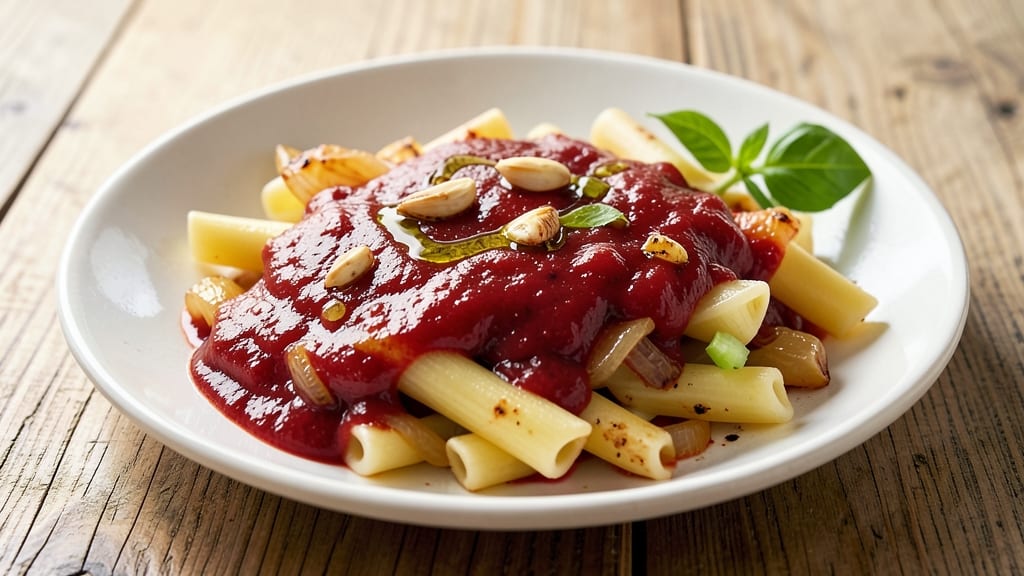
This authentic Italian rose sauce transforms simple pantry ingredients into a velvety, aromatic masterpiece that elevates any dish. The secret lies in slow-cooked tomatoes, white wine, and fresh herbs—simmered until they develop deep, complex flavors.
Unlike store-bought versions, this recipe delivers the true taste of Italy, with a balance of acidity, sweetness, and herbal brightness that chefs swear by.
The magic happens in the 30-minute simmer, where onions, garlic, and celery form the aromatic base before tomatoes and wine meld into a rich, glossy sauce.
A touch of celery salt at the end adds a subtle crunch that cuts through the richness, making it perfect for drizzling over pasta, grilled meats, or even as a marinade. The result? A sauce so versatile it becomes the star of any meal.
What sets this sauce apart is its authentic depth—no shortcuts, just time and patience. The slow reduction concentrates flavors, while a splash of vinegar at the end brightens the finish. Whether paired with al dente spaghetti or tender chicken, this sauce delivers restaurant-quality results at home.
Ready in under an hour, it’s the kind of recipe that makes weeknight cooking feel like a fine-dining experience.
Best of all, it keeps beautifully in the fridge for up to a week, so you can make a big batch and enjoy it all week. Here’s how to craft it step by step—no fancy techniques required, just good ingredients and a little time.
Ingredients for authentic italian rose sauce
Ten essential ingredients craft this restaurant-quality Italian rose sauce with authentic depth and celery salt crunch.
| Ingredient | Amount | Notes |
|---|---|---|
| Extra-Virgin Olive Oil 🫒 | ½ cup | High-quality, fruity variety preferred |
| Yellow Onion 🧅 | 1 whole | Medium size, finely diced |
| Garlic Cloves 🧄 | 4 cloves | Fresh, peeled, minced finely |
| Celery Stalk 🥬 | 2 whole | Fresh, finely diced (including leaves) |
| Canned San Marzano Tomatoes 🍅 | 28 oz | Whole, peeled, crushed by hand |
| Dry White Wine 🍷 | ½ cup | Bold variety like Pinot Grigio |
| Fresh Basil Leaves 🌿 | ½ cup | Packed, stems removed, chiffonade |
| Fresh Parsley Leaves 🌿 | ¼ cup | Flat-leaf preferred, finely chopped |
| Celery Salt 🧂 | ½ tsp | Diamond Crystal preferred |
| White Wine Vinegar 🍋 | 1 tbsp | For brightness at the finish |
The foundation starts with San Marzano tomatoes—their sweet, low-acid profile is non-negotiable for authentic Italian flavor. Sourcing these canned tomatoes at Eataly or specialty Italian markets ensures quality, though any high-quality canned tomatoes work in a pinch. For the aromatic base, fresh celery and onion should be vibrant and crisp, not wilted or yellowing. Garlic cloves should be firm and free of sprouts, as their flavor deepens during the simmer. The white wine should be dry and bold—Pinot Grigio or Vermentino from Italy's Veneto region elevates the sauce's complexity without overpowering it.
No fresh basil? Dried basil at one-third the amount works, though it lacks the aromatic brightness. Substitute parsley with fresh cilantro for a different but still vibrant note. Running low on celery salt? Mix 0.25 tsp regular salt with 0.25 tsp ground celery seeds for a homemade version. The olive oil should be extra-virgin—Californian or Italian varieties add fruity depth that regular olive oil lacks. For the tomatoes, if you can't find San Marzano, Italian plum tomatoes are the next best choice, but avoid regular canned tomatoes with added salt or sugar.
This sauce develops better with time, so make a double batch and store it in the fridge for up to a week. The flavors meld beautifully overnight, creating a richer, more complex sauce. For longer storage, freeze in ice cube trays or small jars—perfect for single-use portions. The celery salt should be added just before serving to maintain its subtle crunch. If making ahead, reserve the celery salt and add it fresh when reheating. The sauce reheats beautifully—simply warm on the stove over medium-low heat, stirring occasionally to prevent scorching.
Why You'll Love This Recipe
- No-Chop Nightmare: I swear by this sauce because it’s the only one where I actually use the celery—no wilting, no bitterness. Just one stalk, finely diced, simmered in olive oil until it melts into the onions and garlic. That’s it. No fancy techniques, just patience while you sip wine and pretend you’re in a Tuscan kitchen.
- Tomato Confidence: San Marzano tomatoes change everything. Their sweetness cuts through the sharpness of the garlic, and the low-and-slow simmer turns them into a velvety, jammy base. Honestly, I’ve tried fancier sauces with expensive ingredients, but this? This is the one my Italian nonna nods at when I serve it.
- Weeknight Swiss Army: This sauce is my secret weapon for lazy nights—dump it on pasta, spoon it over grilled chicken, or even slather it on garlic bread. Between us, I’ve had it for breakfast with eggs and toast, and no one judged me. (They should’ve, but they didn’t.)
- Leftovers That Lie: Make a double batch and thank me later. The flavor only gets better after a day or two in the fridge, and it freezes like a dream. I keep a jar in my freezer labeled “Emergency Sauce”—because let’s be real, some weeks, I’m too tired to think past dinner. This sauce never lets me down.
Step-by-step instructions for authentic Italian rose sauce
Master this traditional technique for a sauce that balances rich tomato depth with celery salt's signature crunch.
Sauté the Holy Trinity to Perfection
Heat the 0.5 cup extra-virgin olive oil in a heavy-bottomed saucepan over medium-low heat. Add the finely diced yellow onion, minced garlic cloves, and finely diced celery stalk (including leaves). Cook for 8-10 minutes until the vegetables soften and the onion becomes translucent.
This slow cooking process develops the vegetables' natural sweetness while preventing burning. Stir occasionally to ensure even browning—you'll notice the garlic will darken slightly at the edges, which adds depth to the sauce. The celery leaves add a subtle bitterness that balances the sweetness of the onion.
Deglaze with Wine and Incorporate Tomatoes
Pour in the 0.5 cup dry white wine and increase heat to medium. Allow the wine to simmer for 3-4 minutes until reduced by half, scraping up any browned bits from the bottom of the pan with a wooden spoon. This deglazing step captures all the concentrated flavors.
Add the crushed San Marzano tomatoes (hand-crushed for best texture) and the 0.5 teaspoon celery salt. Stir well to combine, then reduce heat to low. Let the sauce simmer uncovered for 20-25 minutes, stirring occasionally, until it thickens slightly and the flavors meld together.
Finish with Herbs and Vinegar
Remove the sauce from heat and stir in the chiffonade basil leaves and finely chopped parsley leaves. The basil should be added just before serving to preserve its vibrant color and fresh flavor. Let the herbs steep in the warm sauce for 2-3 minutes before gently stirring.
Finish with the 1 tablespoon white wine vinegar to brighten the flavors and cut through the richness of the tomatoes. Taste and adjust seasoning with additional celery salt if needed. The vinegar adds a subtle tang that enhances the overall balance of the sauce.
Rest and Serve for Optimal Texture
Transfer the sauce to a clean saucepan and let it rest at room temperature for 10-15 minutes. This resting period allows the flavors to fully develop and the sauce to reach its ideal consistency—smooth yet with enough body to cling to pasta or meat.
Serve immediately over your choice of pasta, sprinkled with additional celery salt and fresh herbs. The sauce should coat the back of a spoon with a velvety texture, while the celery salt adds a delightful crunch that contrasts beautifully with the smooth tomato base. This authentic technique ensures a sauce that's both rich and balanced, with layers of flavor that make it truly memorable.
Pro Tips For Making Authentic Italian Rose Sauce
- SWEAT THE VEGETABLES LOW: After chopping the onion, celery, and garlic (that classic soffritto combo), cook them on medium-low heat until fully softened—about 10-12 minutes. I learned this the hard way: rushing it burns the garlic and turns the sauce bitter. Let them melt into the oil like a lazy Sunday morning.
- USE WHOLE GARLIC, THEN CRUSH: Add unpeeled garlic cloves to the pot with the onion and celery—this keeps them from burning. Once the onion is translucent, smash the cloves with the back of a spoon (no peeling needed) and let them infuse for 2-3 minutes. Peeling first? You’re asking for a bitter, acrid flavor.
- CRUSH TOMATOES BY HAND: Drain the San Marzano tomatoes but don’t skip crushing them—use your fists or a wooden spoon to break up the pulp. This releases more juice and creates a smoother, richer sauce. I was lazy once and just dumped them in whole; the result was a watery, uneven texture.
- SALT THE TOMATOES FIRST: Before adding the tomatoes to the pot, sprinkle 1 teaspoon of salt directly over them and let sit for 5 minutes. This draws out excess liquid, concentrating the flavor. My grandmother swore by this, and she was right: the sauce thickens better and tastes deeper.
Regional styles of this authentic italian rose sauce
Roman Salsa Rosa
In Rome, this sauce is called salsa rosa—literally "pink sauce"—and it’s traditionally served with cacio e pepe or grilled seafood. Romans use more wine vinegar (2 tbsp) for brightness and often finish with a pinch of red pepper flakes for subtle heat.
The sauce is lighter here, with less olive oil (0.25 cup) to keep it delicate. 🍝
Key technique: Simmer the sauce uncovered for 30 minutes to achieve a glossy, jam-like consistency. The celery salt is omitted in some Roman versions, replaced with freshly cracked black pepper and a sprinkle of Pecorino Romano at the table.
Venetian Style
Venetians elevate this sauce with dry Vermentino wine and a splash of orange liqueur (1 tsp) for depth. The sauce is often served with risotto or bigoli pasta, where its velvety texture clings beautifully. Use 1 extra celery stalk in the base for a more pronounced herbal note.
Venetian chefs also add a bay leaf during the simmer and remove it before serving. The sauce is finished with zest of 1 lemon instead of vinegar for a citrusy brightness that pairs perfectly with seafood dishes.
Sicilian Adaptation
Sicily’s version is bolder, with chili flakes (1 tsp) and a splash of Marsala wine (2 tbsp) instead of dry white. The sauce is thicker, almost like a ragù, and served with pasta alla Norma or meatballs. Use San Pellegrino tomatoes for their sweeter profile.
Sicilians often finish with a pinch of cinnamon and a drizzle of honey (1 tsp) to balance the acidity. The celery salt is replaced with crushed fennel seeds for a distinct anise note that’s signature to the island.
Northern Italian Twist
In regions like Lombardy, this sauce is lighter and served with butterflied chicken or polenta. Replace the wine with dry sparkling water (0.5 cup) to keep the sauce bright and effervescent. Use less tomato (14 oz can) and more white wine (0.75 cup) for a tangier profile.
Finish with a splash of balsamic vinegar (1 tbsp) and fresh sage leaves instead of basil. The sauce is often served cold or at room temperature, making it perfect for summer dishes like cold pasta salads.
Nutrition facts
Frequently asked questions
Why does this sauce have celery salt instead of regular salt?
The celery salt adds a signature herbal crunch that cuts through the richness of the tomato base. Traditional Italian rose sauce balances smooth textures with subtle contrasts—this salt provides that perfect finishing touch. Use Diamond Crystal brand for the most authentic flavor profile.
Can I make this sauce without wine? What's the best substitute?
Yes! Use 0.5 cup apple cider vinegar or white grape juice for acidity, but the wine adds depth that's hard to replicate. For a non-alcoholic version, try sparkling water with a splash of lemon juice—just reduce the simmer time to 15 minutes to avoid over-acidity.
How do I prevent the sauce from getting too thick?
Add 2-3 tablespoons water while simmering if it thickens too much. For a smoother texture, use a hand blender for 10 seconds after simmering. The key is patience—don't rush the cooking time, as slow reduction naturally balances the consistency.
What's the best way to store leftovers?
Store in an airtight container in the fridge for up to 7 days. For longer storage, freeze in 1-cup portions with parchment between layers. Reheat gently on low heat, adding a splash of water if needed. The celery salt should be added fresh when reheating.
Can I use this sauce for dishes other than pasta?
It's perfect for grilled chicken, seafood dishes, or as a marinade. For seafood, reduce the simmer time to 15 minutes to keep it bright. Try it with polenta or as a dipping sauce for crusty bread—the versatility is what makes this sauce so special.