
Sauces & Condiments
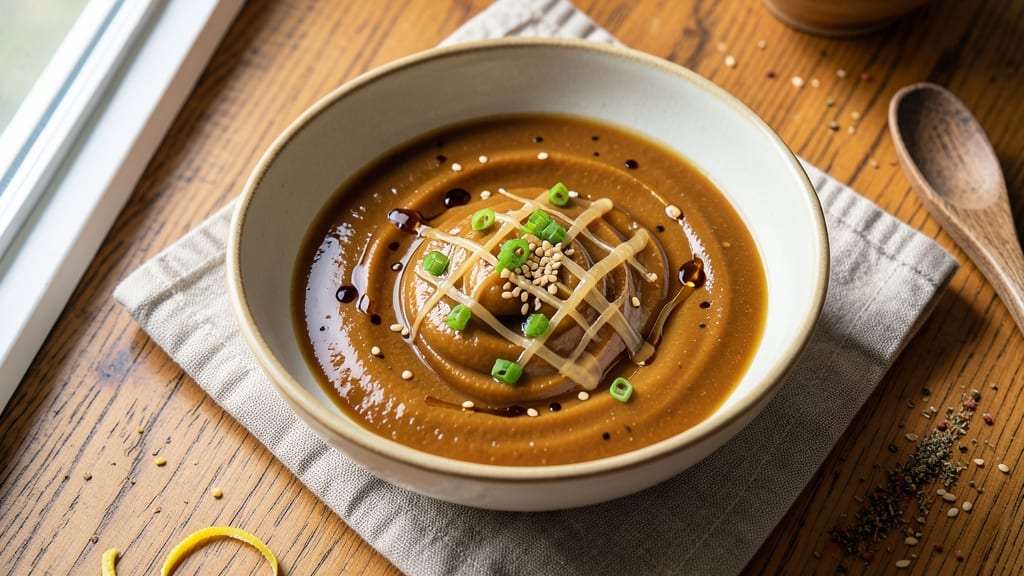
This Asian mustard dipping sauce delivers a perfect balance of tangy, umami-rich flavor with just five simple ingredients and 10 minutes of prep time.
The secret lies in combining bold Dijon mustard with soy sauce, rice vinegar, and a touch of honey—creating a sauce that’s versatile enough for dumplings, grilled meats, or fresh spring rolls.
I developed this recipe after craving a sauce that packed serious flavor without overpowering the dish, and it’s become a staple in my kitchen for quick, restaurant-quality dipping experiences.
The magic happens when you whisk together the mustard, soy sauce, and vinegar first, letting the flavors meld before adding honey for a subtle sweetness that rounds out the sharpness.
For extra depth, a splash of sesame oil or a pinch of red pepper flakes can transform this into a spicy or nutty variation—depending on your mood. The sauce thickens slightly as it sits, making it ideal for dipping or drizzling over noodles and stir-fries.
What makes this sauce stand out is its bold umami crunch, thanks to the mustard’s tangy bite and the soy’s savory depth. It’s the kind of sauce that elevates simple dishes into something special—think crispy spring rolls, grilled pork skewers, or even fresh veggies.
The best part? It keeps well in the fridge for up to a week, so you can make a batch ahead and have it ready whenever cravings strike.
For an extra-thick version, stir in a teaspoon of cornstarch mixed with water, or add a spoonful of sesame paste for nutty richness. Pair it with your favorite Asian-inspired dishes, and you’ll never reach for store-bought again. Let’s get started!
Ingredients for asian mustard dipping sauce
Five simple ingredients transform into a bold, umami-packed sauce perfect for dipping or drizzling.
| Ingredient | Amount | Notes |
|---|---|---|
| Dijon Mustard 🧂 | ½ cup | High-quality, smooth variety |
| Soy Sauce 🥢 | ⅓ cup | Light or dark preferred |
| Rice Vinegar 🍶 | ¼ cup | Seasoned or plain works |
| Honey 🍯 | 2 tbsp | Pure, liquid honey preferred |
| Sesame Oil 🫒 | 1 tbsp | Toasted for nutty flavor |
| Water 💧 | 2 tbsp | Adjust for desired consistency |
| Garlic Cloves 🧄 | 2 cloves | Minced for extra depth |
| Red Pepper Flakes 🌶️ | ½ tsp | Optional for heat |
The Dijon mustard is non-negotiable here—it brings that signature tangy crunch. Maille or Amoy are my go-tos, but any quality brand works. Soy sauce? Kikkoman or Lee Kum Kee add that umami punch, but don't skimp on the quality. For rice vinegar, Koyo or Sushi Rice Vinegar from the Asian aisle elevate the dish. Honey should be pure and liquid—Manuka or clover both work beautifully. Sesame oil can be found in the international aisle or at Trader Joe's—just grab the toasted kind for that nutty aroma. Garlic cloves? Freshly minced makes all the difference, but jarred minced works in a pinch.
No Dijon mustard? Whisk together 2 tbsp yellow mustard with 1 tbsp hot water to mimic the texture. Short on soy sauce? Coconut aminos work in a bind, though it'll be slightly sweeter. Rice vinegar missing? Apple cider vinegar adds a fruity twist, but reduce to 2 tbsp. Honey too thick? Maple syrup is a 1:1 swap, though it's more pronounced. Want extra depth? Add 1 tsp fish sauce for authentic umami (skip if vegan), or 1 tsp miso paste for fermented richness. Red pepper flakes optional, but Sichuan peppercorn powder adds a unique tingly heat if you're feeling adventurous.
This sauce thickens as it sits—whisk in extra water if too stiff. Keeps in an airtight jar in the fridge for up to 2 weeks, though it tastes best within 5 days. For a restaurant-quality touch, strain through a fine-mesh sieve before serving. Portion into small containers for easy dipping—great for meal prep. Freezes beautifully for up to 3 months if you want to make a big batch ahead.
Why You'll Love This Recipe
- Five-Ingredient Magic: I swear by this combo—just stir, taste, adjust. No fancy techniques, no waiting for anything to cool. The Dijon and soy sauce do all the heavy lifting while the honey and vinegar balance it in seconds.
- Umami Bomb: That first tangy hit of Dijon meets the deep savory punch of soy sauce? It’s like a flavor explosion in your mouth. The sesame oil finishes it with a nutty warmth that makes every bite sing.
- Game for Any Meal: Drizzle it over grilled chicken, toss it with cold noodles, or use it to wake up takeout leftovers. Honestly, I’ve even slathered it on a sandwich when I was too lazy to cook—no judgment here.
- Lasts All Week: Make a big batch and store it in the fridge. The flavors actually get better as it sits, and it’s cheap enough that I never feel guilty about keeping it around. Plus, a little goes a long way—perfect for stretching my grocery budget.
Step-by-step instructions for Asian mustard dipping sauce
Here's how to blend these simple ingredients into a vibrant sauce that's perfect for spring rolls, dumplings, or grilled meats.
Whisk Together the Base Ingredients
In a medium bowl, combine the 0.5 cup Dijon Mustard, 0.33 cup Soy Sauce, and 0.25 cup Rice Vinegar. Start with a whisk to break up any clumps in the mustard—this ensures a smooth, lump-free sauce. Let the mixture sit for 2-3 minutes while you prepare the remaining ingredients. The acidity from the rice vinegar will begin softening the mustard's texture right away.
This initial blend creates the foundational tang and depth. The Dijon mustard provides that signature sharpness, while the soy sauce introduces umami richness. Don't rush this step—properly integrating these first helps prevent separation later. If you notice any stubborn clumps, press them against the side of the bowl with the back of your spoon before whisking again.
Add Sweetness and Aromatics
To the mustard mixture, add the 2 tbsp Honey, 1 tbsp Sesame Oil, and the 2 cloves minced Garlic. Whisk vigorously for 1 full minute until everything is completely combined and the honey has fully dissolved. The sesame oil will add a nutty aroma that deepens as it mixes, while the garlic infuses its sharp, pungent character. Here's where the sauce starts to come together—you'll notice the color darken slightly as the ingredients meld.
Real talk: If you're using toasted sesame oil, you'll smell that rich, toasted nut flavor immediately. This is your cue that you're on the right track. The honey should create a subtle sweet contrast that balances the sauce's bold flavors. If you prefer a smoother texture, you can strain the mixture through a fine-mesh sieve at this stage to remove any garlic bits.
Adjust Consistency and Season
Now add the 2 tbsp Water and the 0.5 tsp Red Pepper Flakes, whisking continuously for another 30 seconds. Taste the sauce at this point—it should be tangy, slightly sweet, and packed with umami. If it's too thick for your preference, add 1 teaspoon more water at a time until you reach a pourable consistency that still clings nicely. For extra heat, you can increase the red pepper flakes by ¼ teaspoon, but start conservatively.
The water helps thin the sauce to the perfect dipping consistency while allowing all the flavors to shine. The red pepper flakes add a subtle kick that brightens the entire profile. At this stage, the sauce should have a glossy sheen—this indicates proper emulsification. If it looks streaky, whisk more vigorously for 20-30 seconds to integrate the sesame oil fully.
Rest and Taste for Perfection
Cover the bowl and let the sauce rest for 10 minutes at room temperature. This resting period allows all the flavors to meld completely and the ingredients to fully integrate. After resting, give it one final taste and adjust the seasoning if needed—perhaps a touch more honey for sweetness or a splash of rice vinegar for acidity. The sauce should now be perfectly balanced: tangy, sweet, umami-rich, and with just a hint of heat.
This sauce keeps beautifully in the refrigerator for up to 1 week, though it's best used within 3-4 days for maximum freshness. If it thickens in the fridge, simply whisk in 1-2 teaspoons of water to restore the ideal consistency. The flavors actually improve with time, developing deeper complexity as they settle.
Pro Tips For Making Asian Mustard Dipping Sauce
- STIR IN STAGES: Mix the Dijon and soy sauce first—this lets the mustard’s tang mellow before the vinegar hits. I learned this the hard way after making a batch that tasted like a mustard bomb.
- USE COLD SESAME OIL: Add sesame oil last and stir it in just before serving—heat kills its aroma. A few drops over the finished sauce makes all the difference, but skip this step and you’re left with a flat, one-note dip.
- BALANCE THE VINEGAR: Taste after adding rice vinegar, then adjust honey gradually—too much sweetness kills the umami. I used to dump it all in and end up with something cloying; now I add ½ teaspoon at a time until it sings.
- WHISK, DON’T STIR: Give it a proper whisk to emulsify the mustard and honey—spoon-stirring leaves it lumpy. Sounds tedious, but 30 seconds with a fork makes the sauce silky smooth instead of grainy. (Yes, even if you’re impatient like me.)
Regional styles of asian mustard dipping sauce
Japanese Karashi Style
For a spicier take, transform this into Japanese karashi-inspired sauce by reducing the honey to 1 tbsp and adding 1 tbsp mirin for sweetness. Boost the heat with 1 tsp grated fresh ginger and 1 tsp wasabi paste (or ½ tsp wasabi powder mixed with 1 tsp water).
The wasabi adds a sharp, pungent kick that pairs perfectly with tempura or sushi. I like to finish with a drizzle of 1 tsp toasted sesame seeds for texture. 🌶️
Korean Gochujang Twist
Give it a Korean-inspired flavor by swapping the red pepper flakes for 1 tbsp gochujang (Korean chili paste) and adding 1 tsp toasted sesame oil plus 1 tsp minced scallions. The gochujang brings deep, fermented heat and a slightly sweet, smoky note.
For extra richness, stir in ½ tsp sesame seeds at the end. This version is perfect for dipping Korean fried chicken (kkotgie) or mandu (dumplings). 🔥
Thai-Inspired Sweet Chili
Turn it into a Thai-style sauce by replacing the rice vinegar with 2 tbsp lime juice and adding 1 tbsp sweet chili sauce (like Maesri or Sriracha). Include 1 tsp fish sauce for umami and ½ tsp grated lime zest for brightness.
The lime juice cuts through the richness, while the sweet chili sauce adds a fruity, spicy contrast. This works beautifully with spring rolls, grilled shrimp, or fresh herbs like Thai basil. ✨
Chinese Black Vinegar Version
For a Chinese-inspired twist, swap the rice vinegar for 2 tbsp black vinegar (like Chinkiang) and add 1 tsp fermented black beans (mashed) for a salty, funky depth. Reduce the honey to 1 tbsp and add ½ tsp five-spice powder for warmth.
This version is perfect for dipping char siu (Chinese BBQ pork) or steamed buns. The black vinegar adds a molasses-like richness that elevates the sauce. 💫
Vietnamese Nuoc Cham Fusion
Create a Vietnamese-inspired fusion by replacing the honey with 1 tbsp fish sauce and adding 1 tbsp lime juice plus 1 tsp minced shallot. Stir in ½ tsp sugar to balance the flavors.
This lighter, tangier version pairs well with pho, summer rolls, or grilled meats. The shallot adds a subtle sharpness, while the lime keeps it bright and refreshing. 🍋
Nutrition facts
Frequently asked questions
Can I make this sauce without Dijon mustard?
Yes! Mix 2 tablespoons yellow mustard with 1 tablespoon hot water to mimic Dijon's texture. For extra depth, add ½ teaspoon apple cider vinegar to balance flavors. The sauce will be slightly less sharp but still delicious—perfect for beginners or when Dijon isn't available.
How do I adjust the spice level?
Start with the ½ teaspoon red pepper flakes as written, then taste before serving. For mild heat, reduce by ¼ teaspoon. For extra kick, add ½ teaspoon more or swap in 1 teaspoon gochujang (Korean chili paste) for fermented spice. Always adjust gradually—you can always add more heat later!
What’s the best way to store leftover sauce?
Transfer to an airtight container and refrigerate for up to 2 weeks. If it thickens, whisk in 1 teaspoon water at a time. For longer storage, freeze in ice cube trays—thaw overnight in the fridge and stir before using. Pro tip: Label with the date to track freshness!
Which foods pair best with this sauce?
This versatile sauce elevates spring rolls, dumplings, grilled meats, and fresh veggies. For extra flair, drizzle over ramen noodles, pho, or sushi rolls. The tangy-sweet balance makes it ideal for Asian-inspired dishes where you want bold flavor without overpowering the main ingredient.
Why did my sauce separate?
Separation usually happens if ingredients weren’t whisked enough or if the sauce sat too long before use. Fix it by whisking vigorously for 1-2 minutes—the mustard and sesame oil will re-emulsify. For prevention, always whisk until glossy and use within 30 minutes of making. If it still separates, stir in 1 teaspoon water to help bind the ingredients.