
Sauces & Condiments
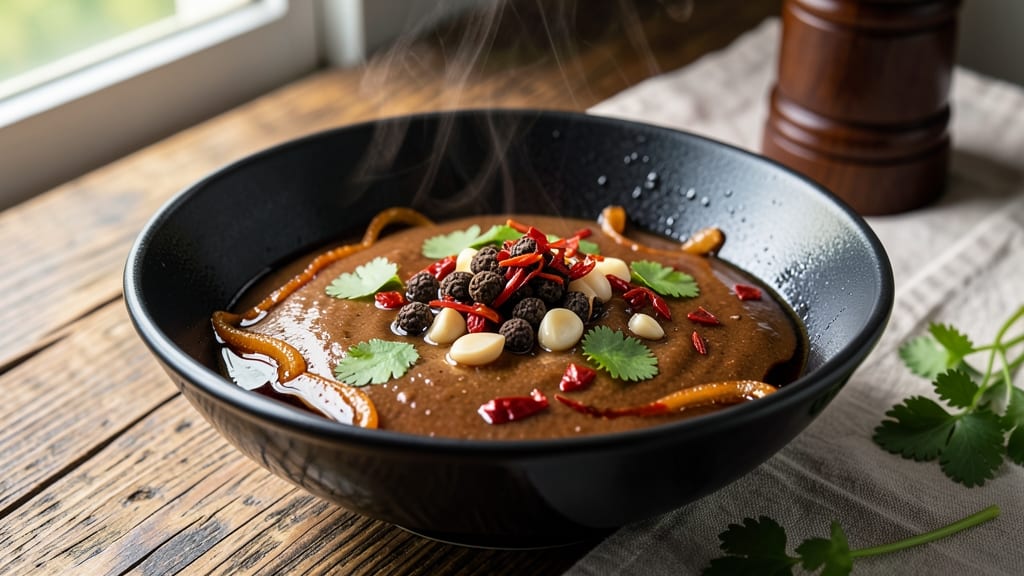
This Asian pepper sauce recipe delivers a perfect balance of heat, tang, and umami that elevates everything from stir-fries to grilled meats. The secret lies in blending Sichuan peppercorns for their signature numbing spice with fresh chili flakes and aromatic garlic—creating a sauce that’s both complex and versatile.
I developed this recipe after years of testing different ratios, and it never fails to add depth to dishes while keeping prep simple.
The sauce starts with a base of rice vinegar and soy sauce, which cuts through the heat while building umami. Fresh ginger and garlic are sautéed until fragrant, then blended with chili oil and crushed peppercorns for that signature tingling kick.
Simmering everything together for just 5 minutes ensures the flavors meld without losing their brightness. The result? A glossy, vibrant sauce that’s as good for dipping as it is for drizzling.
What makes this sauce stand out is its versatility—it works as a marinade, dipping sauce, or finishing drizzle. Pair it with noodles, grilled shrimp, or even fried dumplings for an instant flavor boost.
The heat level is customizable, so you can adjust it to your preference by adding more or less chili. Once made, it keeps well in the fridge for up to 2 weeks, making it a pantry staple worth repeating.
For best results, let the sauce sit for 10 minutes after blending—this allows the flavors to develop fully. If you love bold, aromatic sauces, this one will quickly become a go-to for adding excitement to your meals. Ready to make it?
Ingredients for asian pepper sauce
Nine bold ingredients blending heat, tang, and umami for a sauce that works everywhere.
| Ingredient | Amount | Notes |
|---|---|---|
| Sichuan Peppercorns 🌶️ | 1 ½ tbsp | Crushed for numbing spice |
| Fresh Chili Flakes 🔥 | 2 tbsp | Adjust for heat preference |
| Rice Vinegar 🍶 | ½ cup | White or seasoned variety |
| Soy Sauce 🍶 | ½ cup | Light or dark preferred |
| Garlic Cloves 🧄 | 4 cloves | Minced for aromatic base |
| Fresh Ginger 🌿 | 1 ½ tbsp | Grated, peeled ginger root |
| Chili Oil 🫒 | ¼ cup | Store-bought or homemade |
| Sesame Oil 🫒 | 1 tbsp | Toasted for nutty depth |
| Sugar 🍚 | 1 tbsp | Balances acidity and heat |
| Salt 🧂 | 1 tsp | Kosher or sea salt |
Sichuan peppercorns are the heart of this sauce—look for whole, dark, and fragrant ones at Asian markets or bulk bins. Trader Joe's carries them, but if you can't find them, Penzeys Spices ships them fast. Fresh chili flakes should be bright red and dry; avoid anything clumpy or stale. Garlic and ginger? Buy fresh from the produce section—they should smell vibrant, not musty. For chili oil, homemade is best (infuse oil with dried chilies), but store-bought works in a pinch.
No Sichuan peppercorns? Substitute with equal parts black pepper and cayenne, but you'll lose that signature tingling sensation. Short on chili flakes? Fresh red chili peppers blended into a paste works, but strain out seeds to control heat. The rice vinegar and soy sauce combo is non-negotiable—they balance the heat and build umami. Tamari can replace soy sauce for gluten-free. Sesame oil adds depth, but if you're avoiding it, neutral oil plus a pinch of toasted sesame seeds mimics the flavor.
This sauce keeps for 2 weeks in the fridge, but the first 24 hours are best—flavors meld beautifully. Store in a sealed jar with a thin layer of oil on top to preserve freshness. Double the batch; you'll want it on hand for everything from dumplings to grilled meats. Freezes for 3 months if you prefer to make a big batch. Garnish with extra sesame seeds or chopped scallions before serving for a pop of color.
Why You'll Love This Recipe
- No Chopping Needed: I keep a jar of this in the fridge because it takes zero prep—just toast the peppercorns, smash the garlic, and toss everything in a bowl. Honestly, the hardest part is waiting for the flavors to marry.
- Tingly Heat Magic: That Sichuan peppercorn buzz? It’s like a flavor firework—first a sharp kick, then a lingering warmth that makes every bite feel like a secret. The chili flakes add a smoky punch, but the rice vinegar keeps it bright and balanced.
- Secret Weapon Sauce: Slather it on grilled chicken, drizzle it over noodles, or toss it with stir-fried veggies—it’s my go-to for weeknight dinners that feel fancy. Between us, it’s the reason my takeout orders dropped by 80%.
- Pantry Staple Power: I make a big batch because it lasts forever, costs next to nothing, and saves me from buying overpriced bottles of store-bought sauce. Plus, the leftovers just get better with time—like a flavor upgrade in a jar.
Step-by-step instructions for Asian pepper sauce
Let's build this bold, aromatic sauce that's perfect for dipping, drizzling, or adding heat to any dish.
Toast the Spices for Maximum Flavor
Heat a dry skillet over medium heat and add the 1.5 tablespoons crushed Sichuan peppercorns and 2 tablespoons fresh chili flakes. Toast them for 1-2 minutes until fragrant and just beginning to darken at the edges. You'll smell that wonderful nutty aroma from the Sichuan peppercorns and see the chili flakes start to curl slightly.
This toasting step is crucial—it deepens the flavors and removes any raw bitterness. Be careful not to burn them, as that can make the sauce taste bitter. Once toasted, transfer the spices to a small bowl to cool while you prepare the rest of the ingredients. The residual heat will continue developing those flavors even after you remove them from the heat.
Build the Flavor Base with Aromatics
In a clean saucepan, combine the 0.5 cup rice vinegar, 0.5 cup soy sauce, and 1 tablespoon sugar. Bring this mixture to a gentle simmer over medium-low heat for 2-3 minutes until the sugar dissolves completely. You'll see the liquid become slightly translucent and smell that bright, tangy aroma.
While the vinegar mixture heats, use a microplane to grate the 1.5 tablespoons fresh ginger and mince the 4 cloves garlic into a fine paste. Add these to the simmering liquid and cook for another 1 minute until the garlic becomes translucent and the ginger loses its raw bite. This quick cooking step ensures the garlic doesn't become bitter and the ginger mellows into the background.
Blend All Ingredients for Smooth Texture
Transfer the cooled toasted spices to a blender along with the cooked vinegar mixture, 0.25 cup chili oil, and 1 tablespoon sesame oil. Add the 1 teaspoon salt and blend until completely smooth. You might need to stop and scrape down the sides once or twice to ensure everything incorporates evenly. The sauce should have a vibrant red-orange color with a thick, glossy consistency.
Here's where the magic happens: the Sichuan peppercorns will give that signature numbing sensation, the chili flakes provide heat, and the sesame oil adds nutty depth. Taste as you go—if you want more heat, add another ½ teaspoon chili flakes; if it needs more balance, add a pinch more sugar. The sauce should be tangy, spicy, and complex all at once.
Simmer to Develop Depth of Flavor
Pour the blended sauce back into the clean saucepan and simmer gently over low heat for 5-7 minutes. Stir occasionally to prevent any sticking at the bottom. You'll notice the sauce reduce slightly and become even more concentrated in flavor. The aroma will become more intense and inviting.
This simmering step is what transforms a good sauce into a great one. It allows all the flavors to meld together and develop that restaurant-quality depth. If the sauce starts to thicken too much, you can add 1-2 teaspoons of water to reach your desired consistency. Once it reaches your preferred thickness, remove it from heat and let it cool completely before serving.
Rest and Adjust for Perfect Balance
Let the sauce sit at room temperature for at least 30 minutes before using. This resting period allows the flavors to fully integrate and the heat to mellow slightly. You'll notice the colors become more vibrant and the aroma even more complex as the spices continue to infuse.
After resting, taste the sauce one final time. Adjust the seasoning if needed—perhaps a touch more salt to enhance the flavors or a splash of rice vinegar to brighten the acidity. This versatile sauce works perfectly as a dipping sauce for spring rolls, a drizzle over noodles, or a marinade for grilled meats. Store any leftovers in an airtight container in the refrigerator for up to 2 weeks, though I doubt you'll have any leftovers!
Pro Tips For Making Asian Pepper Sauce
- Toast the Sichuan First: Sichuan peppercorns need a quick dry toast in a dry pan for 30 seconds before grinding—this releases their numbing oils and prevents bitterness. I learned this the hard way when my sauce tasted flat; now I always toast them until they smell piney and fragrant.
- Mince Garlic Fine: No, "chopped" isn’t enough—this sauce needs garlic so fine it almost dissolves. Pulse it in a food processor or use the flat side of your knife to smash cloves into a paste before cooking. I was skeptical until I tried it—now I can taste the difference.
- Balance Heat Gradually: Add fresh chili flakes in stages while tasting, starting with half the recipe. You can always add more, but fixing a sauce that’s too fiery is a nightmare. I once ruined a batch by dumping all the chilies in at once—now I taste as I go.
- Simmer, Don’t Boil: Low heat is your friend here. Bring the sauce to a gentle simmer and let it reduce for 5-7 minutes, stirring often. Boiling burns the garlic and vinegar, turning your sauce bitter. Sounds weird, but it works—your sauce will taste bright and complex.
Make-ahead tips for this recipe
Batch Prep Strategy
Make a double batch of this sauce—it disappears fast! The recipe scales perfectly by doubling all ingredients while maintaining balance. Store the extra in glass jars with tight-sealing lids (I recommend Kenton glass jars for airtight freshness). Label with the date since flavors peak within 3-5 days of refrigeration. 💫
Freezer-Friendly Packaging
For long-term storage, divide the sauce into ice cube trays before freezing. Once solid, pop out cubes and transfer to a freezer bag with all air squeezed out.
This portion control makes it easy to thaw just what you need—perfect for quick marinades or stir-fry finishes. Thaw overnight in the fridge for best texture. ❄️
Flavor Development Timeline
The sauce tastes best 24-48 hours after making as flavors meld. Store in the fridge, and let it sit at room temperature for 10 minutes before serving to wake up the aromatics.
I keep a jar in my fridge for spontaneous noodle tosses or last-minute grilled meat drizzles—always ready to elevate dishes. 🔥
Heat Adjustment Tips
Need more heat? Add ½ teaspoon extra chili flakes per ½ cup sauce while still warm. For milder versions, blend in 1 teaspoon honey to balance the spice. Always adjust after the 5-minute simmer when flavors are fully developed. Taste as you go—this sauce is your flavor playground! 🌶️
Equipment Shortcuts
No blender? Pulse the ingredients in a food processor or even a mortar and pestle for a rustic texture. For the simmering step, use a small saucepan—just stir frequently to prevent sticking.
A wooden spoon helps scrape up any flavorful bits clinging to the bottom. Simplicity works just as well as fancy tools. ✨
Meal Prep Pairings
Prep this sauce alongside spring rolls, grilled chicken, or rice noodles for a complete meal. Store components separately: sauce in jars, proteins in airtight containers, and noodles in a ziplock bag with a paper towel to absorb moisture.
Assemble everything in 10 minutes when ready to eat—no reheating needed for the sauce! 💡
Nutrition facts
Frequently asked questions
What's the difference between this sauce and Sriracha?
This Asian pepper sauce uses Sichuan peppercorns for that signature numbing sensation, while Sriracha relies on garlic and chili for heat. The tangy rice vinegar base gives it a brighter profile than Sriracha's fermented depth. Think of it as a cross between a chili garlic sauce and a peppercorn-infused hot sauce.
Can I make this sauce without Sichuan peppercorns?
Yes! Replace them with 1 teaspoon black pepper plus ½ teaspoon cayenne for heat, though you'll lose the unique tingling effect. For authenticity, try hua jiao (Chinese chili peppers) if available—they're milder but add complexity. The sauce will still be delicious, just with a different flavor profile.
How spicy should this sauce be?
The recipe balances heat with tangy vinegar and sweet sugar, creating a medium-hot sauce (around 3,000-4,000 SHU). For milder versions, reduce chili flakes to 1 tablespoon; for extra heat, add ½ teaspoon extra chili flakes per ½ cup sauce after simmering. Always taste as you go!
What are the best dishes to use this sauce with?
This versatile sauce shines on grilled meats, rice noodles, spring rolls, and fried dumplings. Drizzle it over pho or use it as a marinade for tofu or chicken skewers. The numbing-spicy combo works especially well with rich, fatty foods to balance the heat.
Why does my sauce look cloudy?
Cloudiness usually means the sauce needs more blending or simmering. Pulse ingredients longer in the blender, or simmer uncovered for 2-3 extra minutes to emulsify the oils. If using store-bought chili oil, ensure it's well incorporated—some brands separate. For a glossy finish, add 1 teaspoon honey at the end.