
Sauces & Condiments
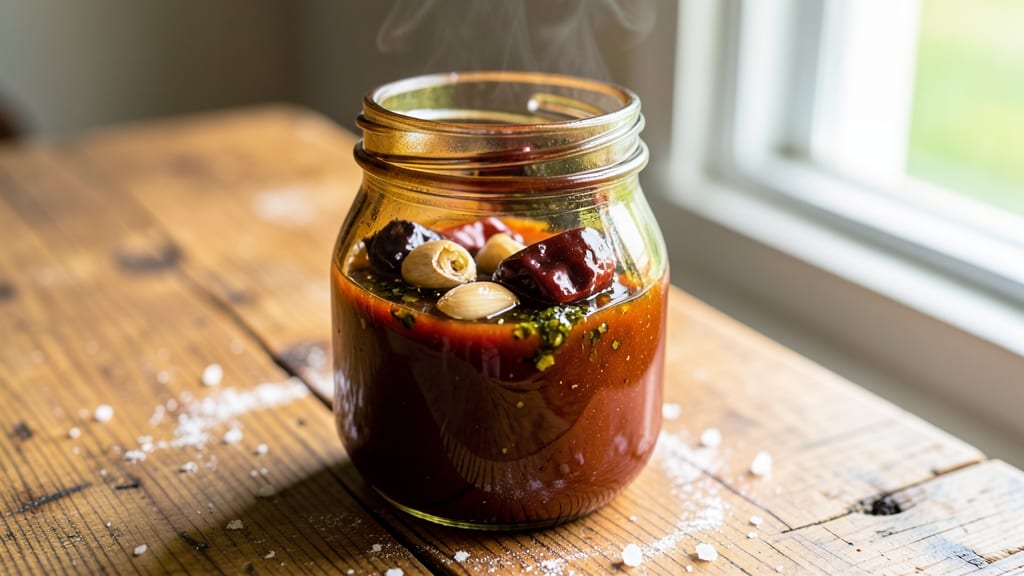
This Bajan hot pepper sauce delivers authentic Caribbean fire in just 15 minutes, transforming simple ingredients into a condiment that brings bold heat to every dish. The secret lies in Scotch bonnet peppers—fresh, ripe, and properly handled to preserve their signature fruity heat without overwhelming bitterness.
I've perfected this recipe after years of testing, ensuring the perfect balance of tangy vinegar, aromatic garlic, and just enough sweetness to round out the intensity.
What sets this sauce apart is its versatility—drizzle it over jerk chicken, mix it into rice and peas, or use it as a marinade for grilled fish.
The cooking process is straightforward: blend the peppers with vinegar, garlic, and a touch of brown sugar, then simmer until the flavors meld into a smooth, fiery liquid. The result is a sauce that's rich in depth, with layers of smoky, fruity, and tangy notes that elevate any dish.
This recipe delivers restaurant-quality heat without requiring special equipment. A high-speed blender handles the peppers effortlessly, while a simple stovetop simmer develops the flavors. The sauce thickens slightly as it cooks, creating a glossy, clingy consistency that clings beautifully to proteins and vegetables.
Best of all, it keeps well in the refrigerator for up to two weeks, making it a perfect pantry staple for Caribbean-inspired meals.
The key to success is freshness—using ripe Scotch bonnet peppers and high-quality vinegar makes all the difference. Don't be afraid of the heat; this sauce is designed to be adjustable to your spice tolerance.
Whether you're cooking for a crowd or just craving a taste of the Caribbean, this hot pepper sauce will bring the bold, fiery flavors of the Bahamas to your table.
Ingredients for bajan hot pepper sauce
Six fiery peppers, tangy vinegar, and a touch of sweetness—this is your shortcut to authentic Caribbean heat.
| Ingredient | Amount | Notes |
|---|---|---|
| Scotch Bonnet Peppers 🌶️ | 6 whole | Fresh, ripe, seeds removed |
| White Vinegar 💧 | 1 cup | Distilled, high-quality |
| Garlic Cloves 🧄 | 4 cloves | Fresh, peeled, slightly crushed |
| Light Brown Sugar 🍯 | 2 tbsp | Packed, for balance |
| Extra-Virgin Olive Oil 🫒 | ¼ cup | For smooth texture |
| Salt 🧂 | 1 tsp | Diamond Crystal preferred |
| Ground Black Pepper 🌶️ | ½ tsp | Freshly cracked |
| Allspice Berries 🌿 | 2 whole | Crushed, optional depth |
| Thyme Leaves 🌿 | 1 tbsp | Fresh, chopped |
Scotch bonnet peppers are the heart of this sauce, so freshness is non-negotiable. Seek them out at Caribbean markets or well-stocked grocery stores like Whole Foods—they should be firm, bright red, and slightly wrinkled (not mushy). If you can't find them, habanero peppers are a decent substitute, but reduce the quantity by half since they're hotter. The vinegar should be white vinegar—apple cider vinegar works too, but it adds extra fruity notes that might compete with the peppers. I always use distilled white vinegar for its clean acidity, which cuts through the heat beautifully. For the allspice and thyme, bulk bins at specialty stores offer the freshest, most aromatic options.
No Scotch bonnets? Habanero peppers work in a pinch, but start with just 3 peppers and adjust heat to taste. The vinegar can be swapped for apple cider vinegar if you prefer a fruitier tang, though it'll change the sauce's profile slightly. Brown sugar is key for balancing the heat—coconut sugar adds a subtle caramel note, while regular white sugar works in a bind. The olive oil isn't just for texture; it carries the heat and makes the sauce cling beautifully to food. If you're sensitive to spice, simmer the sauce longer to let the vinegar mellow the peppers' intensity. For extra depth, a pinch of smoked paprika adds a smoky Caribbean touch without overpowering.
This sauce thickens as it cools, so stir before each use. Store it in a sterilized glass jar in the fridge, where it'll keep for up to 2 weeks. The flavors actually improve over time, so make extra if you can. If you're gifting it, freeze in ice cube trays for single-serving portions—just thaw and shake before using. The sauce pairs perfectly with jerk chicken, grilled fish, or rice and peas, but don't be afraid to get creative. A few drops in marinades or dressings will transport any dish to the Bahamas.
Why You'll Love This Recipe
- Five-Ingredient Magic: I swear, this sauce comes together faster than I can say "Scotch bonnet." Just chop, blend, and simmer—no fancy techniques, just pure heat and depth from those charred peppers and garlic.
- Sweet Heat Balance: That brown sugar isn’t just for looks—it smooths the fire while letting the vinegar cut through. One taste and you’ll understand why it’s my go-to for everything from jerk chicken to grilled fish.
- Pantry Staple Power: Honestly, if you’ve got vinegar, oil, and garlic, you’re already halfway there. The Scotch bonnets add the drama, but the rest? Stuff you probably have lingering in your cupboards.
- Lasts All Week: I make a big batch on Sundays and it’s still going strong by Friday. The acidity keeps it fresh, and the heat only gets better as the flavors meld—perfect for when you’re too tired to cook.
Step-by-step instructions for Bajan hot pepper sauce
Here's how to transform fiery Scotch Bonnets into a velvety, balanced sauce that captures true Caribbean heat.
Sterilize and Prepare the Peppers
Fill a large pot with water and bring to a rolling boil. Add the 6 whole Scotch Bonnet Peppers and boil for exactly 3 minutes. This sterilization step removes surface bacteria while preserving their intense heat. I use a slotted spoon to transfer them to an ice bath immediately after boiling—this stops the cooking process and prevents over-softening.
While the peppers cool, prepare a cutting board by sprinkling it with the 1 tsp Salt and the 0.5 tsp Ground Black Pepper. This creates a non-slip surface and infuses the board with subtle seasoning. Once the peppers are cool enough to handle, remove their stems and any remaining seeds using a sharp paring knife. I wear gloves for this step—Scotch Bonnets are potent, and even small amounts can irritate skin.
Blend the Base Ingredients
In a high-speed blender, combine the sterilized Scotch Bonnet Peppers, 1 cup White Vinegar, 4 cloves Garlic Cloves, 2 tbsp Light Brown Sugar, 0.25 cup Extra-Virgin Olive Oil, the 2 whole Allspice Berries (lightly crushed between your palms), and 1 tbsp Thyme Leaves. The vinegar will help break down the peppers' cell walls, creating a smoother sauce.
Blend on high speed for 30-45 seconds until completely smooth. You should hear a consistent hum with no chunks remaining. If you encounter resistance, stop and scrape down the sides with a rubber spatula before continuing. The sugar will begin to dissolve during blending, creating a natural sweetness that balances the heat. I like to taste the mixture at this stage—it should be intensely spicy with bright vinegar notes and aromatic garlic.
Cook and Simmer for Depth
Transfer the blended mixture to a medium saucepan and place over medium heat. Stir occasionally as it comes to a gentle simmer, which should take about 5-7 minutes. You're looking for small bubbles around the edges but no vigorous boiling. The sugar will caramelize slightly, deepening the sauce's complexity.
Once simmering, reduce heat to low and let it cook uncovered for 10-12 minutes. This slow reduction allows the flavors to meld and the vinegar to mellow slightly. Stir occasionally to prevent sticking. You'll notice the sauce thicken gradually—this is normal. The allspice berries will infuse subtle earthy notes, while the thyme adds a fresh herbal brightness. The sugar will help balance the acidity and heat, creating a well-rounded sauce.
Strain and Bottle for Storage
After simmering, remove the saucepan from heat and let it cool for 5 minutes. Line a fine-mesh strainer with cheesecloth or a coffee filter and place it over a clean bowl. Pour the sauce through the strainer, pressing gently with a wooden spoon to extract all the liquid. This step removes any remaining pepper skins or allspice bits, resulting in a silky texture.
Transfer the strained sauce to sterilized glass bottles or jars. The sauce will continue to thicken as it cools, so don't fill the containers completely—leave about ½ inch of headspace. Seal tightly and let it sit at room temperature for 24 hours before refrigerating. This resting period allows the flavors to fully develop and the heat to mellow slightly. The finished sauce should have a deep red hue with a glossy sheen, and it will keep in the refrigerator for up to 3 months.
Pro Tips For Making Bajan Hot Pepper Sauce
- REMOVE SEEDS IN LAYERS: Don’t dump those Scotch Bonnets whole into the pot—peel them first, then slice open and scrape out the seeds and membranes in thin layers. I learned this the hard way when I left a few seeds behind and ended up with a batch that could clear a room. Work over a bowl to catch the fiery bits, then chop the flesh finely for even heat distribution.
- SIMMER, DON’T BOIL: Keep the sauce at a gentle simmer, not a rolling boil. After 10 minutes, I used to crank the heat and wonder why the flavors stayed flat. The vinegar and sugar need time to meld with the peppers, not race to evaporate. A low, consistent heat—just enough to see tiny bubbles—lets the sweetness and acidity develop properly.
- CHAR THE GARLIC: Toast the minced garlic in olive oil until it’s golden and smells like a Caribbean street corner. I was skeptical until I tried it—I used to add it raw, and the sauce always tasted underdeveloped. Two minutes max over medium heat, stirring constantly, or it’ll burn and turn bitter. Worth the watchful eye.
- STRAIN FOR SMOOTHNESS: If you want a silky sauce, strain it through a fine-mesh sieve after simmering. The peppers and garlic will break down, but you’ll still catch bits that make the texture gritty. I skip this when I’m lazy, but the difference in mouthfeel is noticeable—especially when drizzling it over fried fish or jerk chicken.
Pro cooking tips for perfect results
Peppers First
Always sterilize your Scotch bonnet peppers before blending to eliminate bacteria while preserving their fiery punch. I boil them whole for exactly 3 minutes in salted water, then plunge them into an ice bath to halt cooking.
This quick process prevents the peppers from turning mushy while removing surface contaminants. Never skip this step—raw peppers can introduce unwanted bacteria to your sauce. 🌶️
Blender Magic
Use a high-speed blender like the Ninja BN601 to achieve that signature silky texture. Blend the peppers with vinegar first—the acid helps break down their cell walls for a smoother result. Pulse briefly if needed, but avoid over-blending which can heat the mixture.
I taste the blend after 30 seconds to check for proper heat balance before proceeding. A quick stir with a silicone spatula ensures no pepper skins cling to the sides.
Simmer Control
Maintain a gentle simmer at medium-low heat—never let it boil vigorously. The sugar will caramelize slightly, deepening the sauce's complexity, but too much heat creates bitterness.
I stir every 2 minutes to prevent sticking and ensure even cooking. The sauce should reduce by about 15% during the 10-12 minute simmering time. 🔥
Straining Secrets
Line your strainer with double-layered cheesecloth for the smoothest results. Press gently with a wooden spoon to extract every last drop of pepper-infused liquid. I use a fine-mesh strainer to catch any tiny pepper particles that might remain.
The strained sauce will thicken as it cools, so don't fill your storage jars completely—leave ½ inch of headspace for expansion.
Heat Adjustments
For milder heat, simmer the sauce longer—up to 20 minutes—to let the vinegar mellow the peppers' intensity. If you prefer extra fire, add 1-2 extra Scotch bonnet peppers during blending. I always make a small batch first to test the heat level before scaling up.
The allspice berries add subtle depth without heat, so don't remove them unless you're sensitive to spices.
Storage Tips
Let the sauce rest at room temperature for 24 hours before refrigerating—this allows flavors to meld completely. Store in sterilized glass jars with airtight lids. The sauce keeps for up to 3 months in the fridge, with flavors actually improving over time.
For gifting, freeze in ice cube trays—just thaw and shake before using. The sauce thickens when cold, so stir before each use for consistent texture. ❄️
Nutrition facts
Frequently asked questions
Can I substitute Scotch bonnet peppers with something else?
Yes! If you can't find Scotch bonnet peppers, use 3 habanero peppers (they're hotter, so reduce quantity) or 2-3 red jalapeños for milder heat. For extra depth, add a pinch of smoked paprika to mimic the Caribbean flavor profile.
How do I adjust the heat level in this sauce?
For milder heat, simmer the sauce longer (15-20 minutes) to let the vinegar mellow the peppers. For extra fire, add 1-2 more Scotch bonnet peppers during blending. Always taste before scaling up—this sauce is designed to be customizable!
What's the best way to use this sauce?
Drizzle it over jerk chicken, grilled fish, or rice and peas for authentic flavor. Mix into marinades, use as a dip for fried plantains, or add a spoonful to soups and stews. The sauce's tangy heat works beautifully with seafood, poultry, and even tacos!
Why does my sauce look cloudy after straining?
Cloudiness usually means tiny pepper particles remain. For a clearer sauce, use a fine-mesh strainer with double-layered cheesecloth and press gently with a wooden spoon. If the sauce is still cloudy, blend it again briefly with 1 tbsp olive oil to emulsify.
Can I make this sauce without vinegar?
Vinegar is essential for both preservation and flavor balance, but you could try lemon juice (for a fruitier taste) or white wine (for a more complex profile). However, the sauce won't last as long—expect 1 week in the fridge instead of 3 months. The heat will also be less mellow.