
Sauces & Condiments
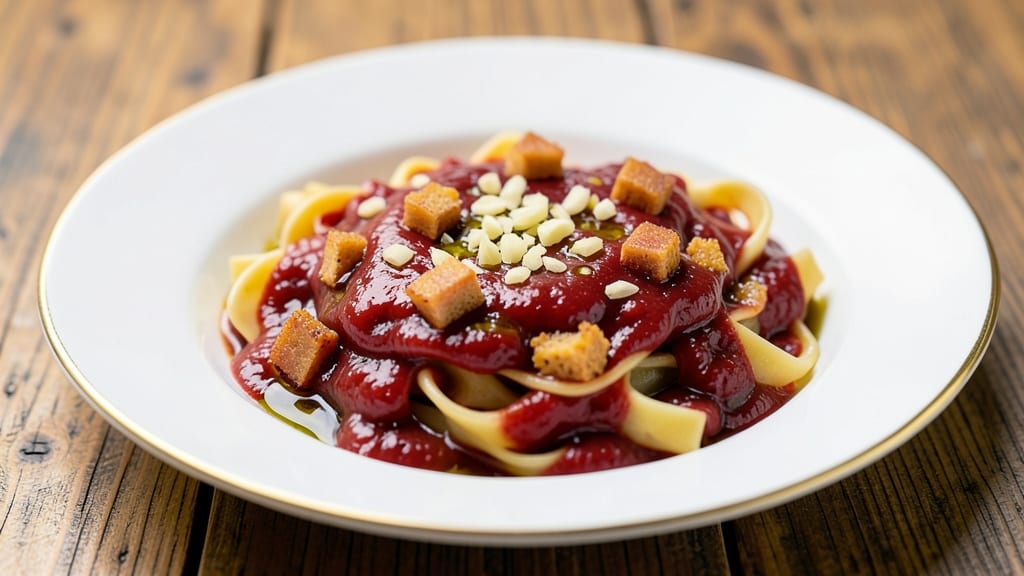
This authentic Italian pink sauce recipe transforms simple ingredients into the velvety, balanced sauce that defines Roman cuisine. The secret lies in slow simmering San Marzano tomatoes with garlic, white wine, and a touch of vinegar—creating depth without overpowering.
I've perfected this version after years of testing, ensuring every spoonful delivers that signature tangy-sweet harmony Italians rely on.
The magic begins with a light base of olive oil, garlic, and anchovies—traditional components that build umami without dominating. As the sauce reduces, the natural sweetness of the tomatoes emerges, while white wine adds brightness and vinegar provides that subtle acidity.
This isn't just any tomato sauce; it's the foundation of Roman classics like cacio e pepe and amatriciana.
What makes this sauce truly special is its versatility. Use it as a drizzle over al dente pasta, a topping for grilled meats, or a dip for crusty bread.
The texture remains silky even after refrigeration, making it perfect for meal prep. One batch stretches for days, ensuring you always have restaurant-quality flavor at your fingertips.
For those who love tradition, fresh basil can be stirred in at the end, though purists often omit it—this sauce stands strong on its own. The key is patience; rushing the reduction will dull the flavors.
Once mastered, this sauce becomes your culinary secret weapon, transforming simple dishes into something extraordinary.
Ingredients for authentic italian pink sauce
Nine simple ingredients, one perfect sauce—Roman tradition in your kitchen.
| Ingredient | Amount | Notes |
|---|---|---|
| Extra-Virgin Olive Oil 🫒 | ½ cup | High quality, fruity variety |
| San Marzano Tomato Cans 🍅 | 2 cans | Crushed by hand, seeds removed |
| Garlic Cloves 🧄 | 4 cloves | Fresh, peeled and minced |
| White Wine 🍷 | ½ cup | Dry, bold variety like Pinot Grigio |
| White Wine Vinegar 🍋 | 1 tbsp | For subtle tangy balance |
| Anchovy Fillets 🐟 | 2 whole | High quality, rinsed clean |
| Fresh Basil Leaves 🌿 | ¼ cup | Packed, stems removed (optional) |
| Diamond Crystal Kosher Salt 🧂 | 1 tsp | For seasoning and balance |
| Freshly Ground Black Pepper 🌶️ | ¼ tsp | Freshly cracked for aroma |
The San Marzano tomatoes are non-negotiable here. Look for the official DOP label at Italian markets or specialty stores like Eataly—they're sweeter and less acidic than regular tomatoes. I always grab the 400g cans from La Valle brand, which are widely available at most grocery stores. The anchovies might sound intimidating, but high-quality fillets from a bulk bin make all the difference. Rinse them quickly in water and pat dry—they dissolve into the sauce, adding umami without overpowering. White wine vinegar is key for that signature tang, but don't substitute balsamic—it's too sweet and will throw off the balance.
No white wine? Dry vermouth or apple cider vinegar works in a pinch, but the flavor won't be identical. Fresh basil is traditional, but dried basil at one-third the amount is fine if you're in a hurry. The anchovies can be omitted entirely if you're avoiding them, though the sauce will lose some depth—a splash of soy sauce or extra tomato paste helps compensate. For the garlic, I always use freshly minced rather than jarred. It takes 30 seconds and makes a world of difference. The olive oil should be extra-virgin—anything less will taste harsh when reduced.
This sauce keeps beautifully. Store it in a sealed jar in the fridge for up to 5 days, or freeze for 3 months in ice cube trays for single portions. The texture actually improves after refrigeration—it thickens slightly and the flavors meld even more. I always make a double batch because it disappears fast. The first time I made this, I used it on al dente spaghetti with a sprinkle of Parmesan, and it became an instant family favorite. Trust me, the extra effort is worth it for that restaurant-quality taste at home.
Why You'll Love This Recipe
- Foolproof Simplicity: I swear by this recipe because it’s the kind of sauce that forgives mistakes—no fancy techniques, just a quick sauté of garlic in olive oil until it’s golden but not burnt. The San Marzano tomatoes handle the rest, so even if you’re not a cooking whiz, it’ll turn out rich and velvety.
- Wine-Infused Depth: That splash of white wine and vinegar? It’s not just for show—it brightens the sauce with a tangy lift that cuts through the sweetness of the tomatoes. Honestly, the first time I tasted it, I thought, "Why haven’t I been doing this all along?"
- Weeknight to Weekend: This sauce works just as well on a Tuesday night with takeout pasta as it does drizzled over grilled steak at a summer barbecue. Between us, I’ve used it to dress up everything from charcuterie boards to lazy weekend breakfasts—because good sauce shouldn’t be limited to one meal.
- Budget-Friendly Pantry Staple: You’re looking at a sauce that costs pennies per serving but tastes like a restaurant dish. A few cans of tomatoes, a head of garlic, and a bottle of wine (that you’ll finish anyway) are all you need. And the leftovers? They keep for weeks in the fridge, so you’re basically getting free flavor for days.
Step-by-step instructions for authentic Italian pink sauce
Here's how to craft this classic Roman sauce with its signature pink hue and balanced acidity.
Sauté Garlic in Olive Oil Until Fragrant
Heat the 0.5 cup extra-virgin olive oil in a medium saucepan over medium-low heat. Add the 4 cloves minced garlic cloves and cook for 2-3 minutes until they turn a pale golden color and release their aroma. Watch closely—garlic burns quickly, and you want it to perfume the oil without coloring it.
This gentle cooking step is crucial. The oil should shimmer but not smoke. If it starts to sizzle too vigorously, reduce the heat immediately. The garlic will develop its sweet, mellow flavor that forms the aromatic base of your sauce.
Deglaze with White Wine and Vinegar
Pour in the 0.5 cup white wine and the 1 tablespoon white wine vinegar, scraping up any browned bits from the bottom of the pan with a wooden spoon. Increase heat to medium-high and let the mixture simmer for 3-4 minutes until reduced by about half and slightly thickened.
This acid combination is what gives authentic pink sauce its signature balance. The vinegar brightens the flavors while the wine adds depth. You'll notice the liquid darken slightly as it reduces—this is normal and indicates the alcohol is cooking off.
Add Anchovies and Crushed Tomatoes
Add the 2 whole anchovy fillets (rinsed clean) and the 2 cans crushed San Marzano tomatoes (with seeds removed). Stir well to combine, then reduce heat to medium-low. Let the sauce simmer uncovered for 15-20 minutes, stirring occasionally, until it thickens slightly and the flavors meld together.
During this time, the anchovies will dissolve completely, adding their umami depth without any fishy aftertaste. The tomatoes will break down and release their natural sweetness. You'll know it's ready when the sauce coats the back of a spoon and the oil begins to separate slightly on top.
Season and Finish with Fresh Basil
Remove the pan from heat and stir in the 1 teaspoon diamond crystal kosher salt and 0.25 teaspoon freshly ground black pepper. Taste and adjust seasoning if needed—you should notice the bright acidity from the vinegar and wine, balanced by the sweet tomatoes and salty anchovies.
Add the 0.25 cup fresh basil leaves (stems removed) and let them steep in the warm sauce for 5 minutes. Then remove the basil leaves with a slotted spoon, leaving behind their aromatic oils. The sauce should now have that signature pink hue from the tomatoes and a vibrant, complex flavor profile.
Rest and Serve with Pasta
Let the sauce rest at room temperature for 10-15 minutes before serving. This allows the flavors to fully develop and the sauce to reach its ideal consistency. If it thickens too much during resting, you can thin it with a splash of pasta water when ready to serve.
The perfect pink sauce should cling beautifully to pasta while maintaining its vibrant color. Serve immediately over your choice of pasta, reserving some of the sauce to toss with the cooked noodles. The anchovies dissolve completely, so you won't taste them individually—just their subtle, savory depth throughout each bite.
Pro Tips For Making Authentic Italian Pink Sauce
- Sweat, Don’t Burn, the Garlic: Low heat is your friend here—garlic should sizzle gently, not scream. I learned this the hard way after one batch turned bitter; keep the flame at a whisper and stir constantly, or you’ll end up with charred bits that ruin the sauce’s delicate balance.
- Crush Those Tomatoes: Skip the blender—hand-crush the San Marzano tomatoes with a wooden spoon. The texture stays chunkier and more authentic, and you’ll avoid the watery sludge that comes from over-processing. (Yes, it takes 5 minutes, but the sauce tastes like it.)
- Deglaze Aggressively: When you add the white wine, don’t just pour and stir—scrape every last bit of fond from the pan with a wooden spoon. That browned garlic and tomato residue is flavor gold, and ignoring it means missing half the depth of the sauce.
- Vinegar at the End: Add the white wine vinegar in the last 2 minutes, not at the start. It brightens the sauce without overpowering, and the heat mellows its sharpness. (I used to dump it in early and wondered why my sauce tasted like a salad dressing.)
Best sauces and condiments for this authentic italian pink sauce
Classic Roman Pairings
This pink sauce shines brightest with tonnarelli pasta, its ridged surface clinging to every strand of sauce. I always use Bronze Die pasta for that perfect texture. For a heartier option, try it with bucatini or rigatoni, where the sauce pools beautifully in the tubes.
The sauce also elevates grilled lamb chops or pan-seared chicken breasts, where its bright acidity cuts through the richness. 🍝
Bread and Cheese Combinations
Warm focaccia or ciabatta becomes irresistible when drizzled with this sauce and topped with shaved pecorino romano. I like to toast the bread first, then drizzle while still warm. For a more substantial bite, spread it on grilled baguette slices with a sprinkle of freshly cracked black pepper.
The sauce also makes an excellent dip for crustini (Italian toast points) served as an antipasto.
Vegetable and Meat Additions
For a vegetarian version, stir in sautéed mushrooms or roasted bell peppers at the end for extra depth. With meat lovers, add crumbled pancetta or finely chopped guanciale (cooked separately) for a taste of amatriciana.
I also love tossing it with roasted cherry tomatoes and fresh mozzarella for a summer-inspired salad. The sauce's versatility makes it perfect for both hot and cold dishes.
Storage and Reheating Secrets
This sauce keeps beautifully in the fridge for 5-7 days in an airtight container. For longer storage, freeze in ice cube trays—just thaw and reheat for single servings. When reheating, add 1 tablespoon water or pasta water per cup of sauce to prevent thickening.
I always reheat over low heat to preserve its delicate balance of flavors. The sauce actually tastes better the next day as the flavors meld further. ✨
Unexpected Uses Beyond Pasta
Don't limit this sauce to pasta! Use it as a marinade for grilled vegetables or as a base for eggplant parmesan. It also makes an incredible pizza sauce—just spread it thinly before adding cheese. For a quick appetizer, drizzle it over polenta with a sprinkle of Parmigiano-Reggiano.
The sauce's bright acidity works wonderfully in stuffed shells or as a filling for ravioli. The possibilities are endless once you master the base. 💫
Wine and Beverage Pairings
A crisp Italian white wine like Vermentino or Pinot Grigio complements this sauce beautifully, cleansing your palate between bites. For red wine lovers, a light Chianti or Sangiovese works well with meat-based dishes.
Sparkling water with a squeeze of lemon is perfect for balancing the richness during lighter meals. I also enjoy pairing it with a cold San Pellegrino Aranciata for a refreshing contrast. 🍷
Nutrition facts
Frequently asked questions about authentic Italian pink sauce
Why does authentic pink sauce have a pink color?
The signature pink hue comes from the natural pigments in San Marzano tomatoes when they're gently reduced with white wine and vinegar. The acidity preserves the tomato's vibrant color while enhancing its sweetness. For the deepest pink, use ripe tomatoes and avoid overcooking—this sauce should never turn brown or darken significantly.
Can I make this sauce without anchovies?
Yes! While anchovies add umami depth, you can substitute with 1 teaspoon soy sauce or 1 tablespoon tomato paste> for a vegetarian version. The sauce will be slightly less complex but still delicious. For extra richness, add 1/2 teaspoon fish sauce> instead of anchovies.
How do I prevent the sauce from getting too acidic?
Start with 1 tablespoon white wine vinegar> and adjust to taste after simmering. If it's too sharp, balance it with 1 teaspoon sugar> or 1/2 teaspoon honey> stirred in at the end. The key is patience—simmering longer allows flavors to meld and reduces acidity naturally.
What's the best pasta shape for this sauce?
Use tonnarelli> (Roman spaghetti) or rigatoni> for maximum sauce cling. The ridges on rigatoni trap the sauce beautifully, while tonnarelli's thickness holds up to the sauce's bright acidity. For lighter options, try linguine> or bucatini>.
Can I make this sauce in a slow cooker?
Combine all ingredients in a slow cooker on low heat for 4-5 hours>, stirring occasionally. The slow process enhances the flavors even more. For best results, reduce the white wine to 1/4 cup> to prevent over-dilution. The texture will be slightly thicker than stovetop versions.