
Sauces & Condiments
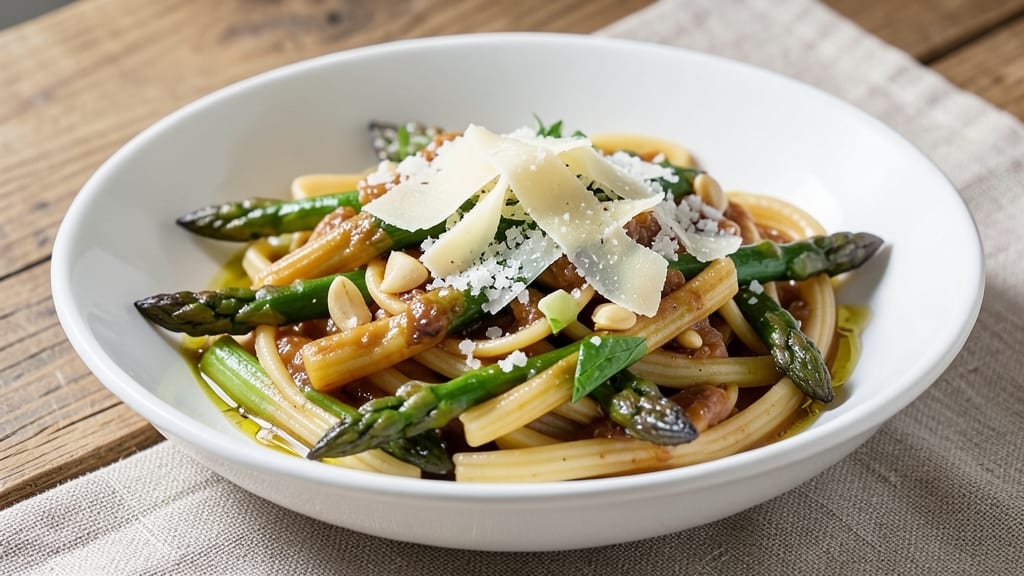
This asparagus pasta sauce recipe transforms humble ingredients into a vibrant, restaurant-worthy dish that highlights spring's freshest flavors. The secret lies in roasting asparagus until crispy—this technique concentrates its natural sweetness while adding irresistible texture to the sauce.
I developed this recipe after realizing how often asparagus gets overlooked in pasta dishes, and the results speak for themselves: a bright green pesto with charred edges that clings beautifully to al dente pasta.
The foundation of this sauce is simple yet impactful: fresh basil, garlic, and Parmesan create the classic pesto base, while roasted asparagus adds depth and visual appeal.
What sets this apart is the crispy asparagus technique—tossed in olive oil and roasted until golden, then blended into the sauce for both texture and flavor. The process takes just 20 minutes, making it perfect for weeknight dinners that still feel special.
By the time you twirl that first forkful, you'll taste the perfect balance of creamy pesto, crispy asparagus bits, and tender pasta—each element complementing the other. The sauce clings to the pasta without overpowering it, while the asparagus adds a satisfying crunch that disappears with every bite.
This isn't just a sauce; it's a complete dish that transforms simple ingredients into something extraordinary.
The best part? This recipe scales effortlessly for any occasion—whether you're feeding a family of four or hosting a dinner party. The crispy asparagus technique works equally well with other vegetables, making it versatile for future experiments.
Let's get started on creating this spring-inspired masterpiece that will have everyone asking for seconds.
Ingredients for asparagus pasta sauce
Spring's freshest ingredients transform into this vibrant asparagus pasta masterpiece—crispy, creamy, and bursting with flavor.
| Ingredient | Amount | Notes |
|---|---|---|
| Fresh Asparagus 🥬 | 1 lb | Trimmed and cut into 2-inch pieces |
| Fresh Basil Leaves 🌿 | 2 cups | Packed, stems removed |
| Garlic Cloves 🧄 | 4 cloves | Peeled and roughly chopped |
| Extra-Virgin Olive Oil 🫒 | ¾ cup | High-quality, fruity variety |
| Parmesan Cheese 🧀 | ¾ cup | Freshly grated from block |
| Pecorino Romano Cheese 🧀 | ¼ cup | Freshly grated for extra depth |
| Al Dente Pasta 🍝 | 12 oz | Any short shape like penne or fusilli |
| Lemon Juice 🍋 | 1 tbsp | Freshly squeezed |
| Diamond Crystal Kosher Salt 🧂 | ½ tsp | For seasoning |
| Freshly Ground Black Pepper 🌶️ | ¼ tsp | For finishing |
| Toasted Pine Nuts 🥜 | ¼ cup | Or walnuts for budget-friendly option |
| Vegetable Stock 💧 | ¼ cup | Low-sodium preferred |
The asparagus is where the magic happens. Look for bright green stalks with tight tips—avoid anything woody or dry. Whole Foods or local farmers markets have the freshest cuts, but the regular grocery store works too if you snap the ends and they break cleanly. Roasting until crispy concentrates that natural sweetness, so don't rush this step. For the cheese, grate it yourself—pre-shredded gets clumpy and lacks flavor. The Parmesan-Pecorino combo gives that authentic Italian depth everyone craves, and trust me, it's worth the extra minute of grating.
No pine nuts? Walnuts or cashews toasted in the same pan work perfectly—they just have a different texture. Running out of basil? Spinach or arugula at half the amount keeps the vibrant color, though basil's that signature flavor. The olive oil should be extra-virgin with fruity notes—none of that cheap cooking oil. For the pasta, al dente is non-negotiable. Undercooked pasta turns mushy when tossed with sauce, and overcooked loses that perfect bite. Quick test: if it floats, it's done. The vegetable stock adds richness without overpowering the bright flavors—low-sodium is key so you can control the seasoning.
This sauce reheats beautifully—toss with extra olive oil before storing to prevent drying. Keeps for 3-4 days in the fridge, though honestly it's best fresh. For leftovers, freeze in ice cube trays for perfect single-serving portions. The crispy asparagus bits soften slightly when reheated, but that's part of the charm. Make extra sauce—it's perfect on eggs the next morning or as a sandwich spread. And if anyone asks, the secret is roasting the asparagus until it's golden and slightly charred—that's what makes it restaurant-worthy.
Why You'll Love This Recipe
- I’ll be real: this is my go-to when I’m too tired to think. Toss in whatever pasta you have (even day-old works), and it’s ready before the kids ask if dinner’s "almost done." Honestly, it’s the kind of dish that turns "meh" nights into "oh, that’s nice" moments.
- Spring in a Skillet: The moment those bright green asparagus spears hit the pan with garlic and olive oil, my kitchen smells like a Mediterranean breeze. No fancy techniques—just a quick char, a splash of pasta water, and boom, you’ve got a sauce that tastes like summer.
- Parmesan Magic: Between us, that final sprinkle of fresh Parmesan is what makes this sauce dangerously good. The nutty, salty bite cuts through the asparagus’s natural bitterness while the basil leaves add that bright, herby punch—like a little Italian hug in every bite.
- Weeknight Wonder: I’ll be real: this is my go-to when I’m too tired to think. Toss in whatever pasta you have (even day-old works), and it’s ready before the kids ask if dinner’s "almost done." Honestly, it’s the kind of dish that turns "meh" nights into "oh, that’s nice" moments.
Step-by-step instructions for asparagus pasta with bright green pesto
Here's how to create a vibrant, spring-inspired dish where crispy roasted asparagus meets fresh basil pesto.
Roast the Asparagus Until Crisp-Tender
Preheat your oven to 425°F and line a baking sheet with parchment paper. Arrange the trimmed asparagus pieces in a single layer, leaving ½-inch space between each stalk. Drizzle lightly with 1 tablespoon of the extra-virgin olive oil and sprinkle with ¼ teaspoon of the diamond crystal kosher salt.
Roast for 12-15 minutes until the edges are deep golden brown and the asparagus can be pierced easily with a fork but still offers slight resistance. This perfect crisp-tender texture is what makes this dish special. Remove from oven and set aside—you'll want to use it immediately in the pesto.
Toast the Pine Nuts and Prepare the Basil Pesto
While the asparagus roasts, spread the toasted pine nuts on a dry skillet over medium heat. Toast for 2-3 minutes, stirring constantly, until they're golden brown and fragrant. Remove immediately to prevent burning and transfer to a cutting board to cool.
In a food processor, combine the fresh basil leaves, 4 cloves garlic, and ½ teaspoon of the diamond crystal kosher salt. Pulse until finely chopped. With the processor running, slowly drizzle in ½ cup of the extra-virgin olive oil until the mixture forms a bright green paste. This should take about 30-45 seconds—you're looking for a smooth, vibrant pesto base.
Cook the Pasta Al Dente
Bring a large pot of water to a rolling boil and add 1 tablespoon of diamond crystal kosher salt. Add the al dente pasta and cook until 1 minute before the package directions indicate al dente. Reserve ½ cup of pasta water before draining.
This timing is crucial—the pasta will finish cooking in the sauce. Drain the pasta and immediately transfer it to a large bowl. Add the roasted asparagus to the warm pasta along with the basil pesto mixture. Toss everything together vigorously, using tongs to ensure even distribution of the vibrant green sauce.
Finish with Cheese and Stock for Creamy Perfection
Reduce heat to low and add the grated parmesan cheese and pecorino romano cheese to the pasta mixture. Stir in the vegetable stock and toss everything together for 1-2 minutes until the sauce becomes silky and clings beautifully to each strand of pasta.
If the sauce appears too thick, add reserved pasta water 1 tablespoon at a time until it reaches your desired consistency. Finish with the lemon juice and freshly ground black pepper, tossing gently to incorporate. The result should be a bright, herby sauce with perfectly crisp-tender asparagus throughout.
Garnish and Serve Immediately
Transfer the pasta to serving plates and garnish with the remaining toasted pine nuts. The contrast between the vibrant green pesto, golden asparagus, and toasted nuts creates a visually stunning dish. Serve immediately while the asparagus is still crisp and the pasta is hot, as this dish tastes best right out of the pan.
Each bite should deliver a perfect balance of textures—creamy pesto, crisp asparagus, and al dente pasta—with bright, fresh flavors that sing. This recipe truly captures spring in every forkful.
Pro Tips For Making Asparagus Pasta Sauce
- CHAR THE ASPARAGUS FIRST: Blanch the asparagus spears in boiling salted water for exactly 2 minutes before tossing them into the sauce. This keeps them bright green and tender—no more rubbery, overcooked stalks ruining your dish. (Yes, even if you’re impatient like me.)
- TRIM THE ASPARAGUS RIGHT: Use a sharp knife to shave off the tough, woody bottoms in one clean motion—don’t snap them off with your hands. The thinner the spears, the faster they cook and the more evenly they absorb flavor. (I learned this the hard way after biting into a chewy surprise.)
- SAUTÉ GARLIC LOW AND SLOW: Cook the minced garlic in olive oil over medium-low heat until just golden—no browning, no burning. High heat turns garlic bitter, and that’s the last thing you want in a bright, herb-forward sauce. (Your nose will thank you.)
- TOSS PASTA WITH SAUCE OFF HEAT: Remove the pan from the stove just before adding the cooked pasta—this stops the sauce from breaking down into a gloopy mess. Stir everything together with a splash of pasta water to emulsify, then finish with cheese. (Does it look weird? Yes. Does it work? Every single time.)
Wine and beer pairings for this asparagus pasta sauce
Crisp White Wine
For this bright green pesto, a dry Italian white wine like Pinot Grigio or Vermentino is my go-to choice. The crisp acidity and citrus notes perfectly complement the fresh basil and lemon in the sauce.
I love a chilled glass of Santa Margherita Pinot Grigio from Italy—its clean finish cleanses your palate between bites of creamy pesto and crisp asparagus. 🍷
Light Beer Options
A crisp lager or wheat beer works beautifully with this dish. Heineken or Peroni provide a light, refreshing contrast to the rich flavors, while a Belgian witbier like Hoegaarden adds a subtle spicy note that pairs wonderfully with the roasted asparagus.
For a local favorite, try a local craft lager—just avoid heavy IPAs or stouts that could overpower the delicate flavors.
Sparkling Wine Spark
If you want something extra special, Prosecco or Cava adds a festive touch to your meal. The bubbles cut through the richness of the pesto while enhancing the bright, herbaceous flavors.
I like to serve La Marca Prosecco chilled—its light sweetness and effervescence make it a perfect match for spring celebrations. 🥂
Red Wine Exception
While white wines dominate, a light-bodied red like Chianti can work if you prefer red. Look for a Sangiovese-based wine with bright acidity—avoid heavy, tannic reds. A chilled glass of Chianti Classico (yes, chilled!) adds a fruity contrast that pairs surprisingly well with the asparagus and basil.
Just don't let it get too warm—room temperature is ideal.
Non-Alcoholic Pairings
For a refreshing non-alcoholic option, try sparkling water with lemon or a cucumber-mint infused water. The effervescence mirrors the brightness of the pesto, while the mint enhances the herbaceous notes.
I also love Italian sangria made with white wine, sparkling water, and fresh berries—it's a crowd-pleaser that keeps the spring theme alive. 💧
Nutrition facts
Frequently asked questions
Can I use frozen asparagus instead of fresh?
Fresh asparagus gives the best texture and flavor, but frozen works in a pinch! Thaw it first, then pat completely dry before roasting. You may need to add 1-2 extra minutes to the roasting time since frozen asparagus starts colder. The result will be slightly softer than crisp-tender fresh asparagus, but still delicious in the sauce.
What's the best pasta shape for this recipe?
Short shapes like penne, fusilli, or farfalle work perfectly—they hold the sauce beautifully. For extra texture, try rigatoni or fusilli with ridges that catch the pesto and crispy asparagus. Avoid long, thin noodles like spaghetti, as they can get lost in the sauce.
How do I make this vegan?
Swap the Parmesan and Pecorino for nutritional yeast (½ cup) and add 2 tablespoons of lemon juice for tang. Use vegan butter or olive oil for toasting pine nuts, and ensure your pasta is vegan-certified. The sauce will still be vibrant and delicious, though slightly less rich.
Can I prepare this ahead of time?
Make the pesto base 1 day ahead and store it in the fridge with a thin layer of olive oil on top. Cook the pasta fresh and toss with the pre-made pesto—just add the roasted asparagus and stock when reheating. The sauce reheats beautifully, though the asparagus will soften slightly.
Why does my pesto turn watery?
This usually happens when basil stems are included or the mixture sits too long before using. Always remove stems and pulse basil leaves finely before adding oil. If it happens, stir in 1 tablespoon of olive oil or a pinch of salt to help emulsify. For extra insurance, add the cheese and stock right after blending.