
Sauces & Condiments
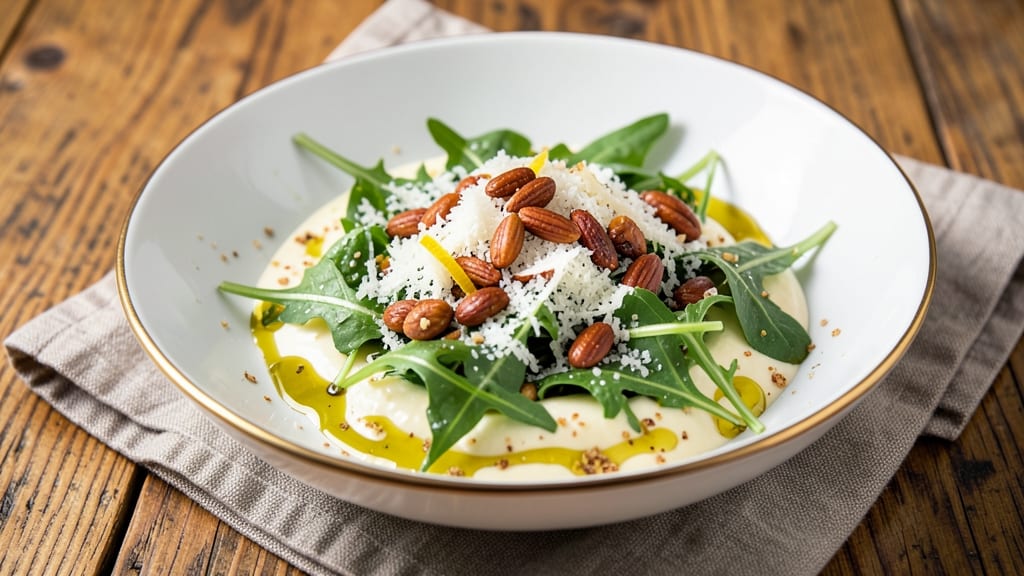
This arugula pesto sauce recipe transforms bold, peppery greens into a vibrant, herby sauce that elevates every dish it touches. Unlike traditional basil pesto, this version delivers a sophisticated, slightly bitter depth that pairs beautifully with pasta, grilled meats, or crusty bread.
The secret lies in proper emulsification—no grainy texture here—just a silky, fresh sauce that comes together in under 10 minutes with minimal effort.
What sets this sauce apart is its versatility. While classic pesto relies on nuts for texture, this recipe uses toasted pine nuts (or walnuts) to complement the arugula’s natural pepperiness.
A touch of Parmesan adds richness, while lemon zest brightens the flavor profile, ensuring the sauce stays fresh-tasting even after refrigeration. The key technique? Pulse the ingredients in batches to avoid a watery consistency—this is where many homemade pestos fail.
By the time you’re done, you’ll have a sauce that’s rich yet light, with a perfect balance of herby, nutty, and tangy notes. Spread it on sandwiches, drizzle it over grilled chicken, or toss it with warm pasta for a restaurant-quality meal without the fuss.
The best part? It keeps beautifully in the fridge for up to a week, ready to transform any dish into something extraordinary.
For extra depth, consider adding a clove of roasted garlic or swapping Parmesan for nutritional yeast for a vegan version. The possibilities are endless—let’s make this sauce your new kitchen staple.
Ingredients for arugula sauce
Nine premium ingredients crafting a vibrant sauce with sophisticated peppery depth.
| Ingredient | Amount | Notes |
|---|---|---|
| Fresh Arugula Leaves 🌿 | 2 cups | Packed, stems removed, vibrant green |
| Toasted Pine Nuts 🥜 | ½ cup | Lightly browned for nutty depth |
| Garlic Cloves 🧄 | 3 cloves | Peeled, rough chopped for aromatic base |
| Parmesan Cheese 🧀 | ½ cup | Freshly grated, aged 24+ months |
| Extra-Virgin Olive Oil 🫒 | ½ cup | High-quality, fruity, cold-pressed |
| Lemon Zest 🍋 | 1 tbsp | Freshly grated, bright citrus flavor |
| Lemon Juice 🍋 | 1 tbsp | Freshly squeezed, for tangy balance |
| Diamond Crystal Kosher Salt 🧂 | ¼ tsp | Fine grain for delicate seasoning |
| Freshly Ground Black Pepper 🌶️ | ¼ tsp | Freshly cracked for optimal flavor |
Arugula selection is critical—look for deep green leaves with no yellowing at the edges. Whole Foods or local farmers' markets offer the freshest options, but even standard grocery store arugula works if it's crisp. Toasting the pine nuts in a dry pan until golden (about 3-4 minutes) intensifies their flavor—don't skip this step. For Parmesan, Parmigiano-Reggiano from a wedge is non-negotiable; pre-grated versions contain anti-caking agents that ruin the texture. The olive oil should have a fruity aroma—avoid anything that smells flat or overly bitter.
No pine nuts? Walnuts or almonds work beautifully as substitutes, though texture will differ slightly. Swap Parmesan for nutritional yeast (2 tbsp) for a vegan version—it adds a cheesy note without dairy. Fresh arugula unavailable? Baby spinach makes an emergency substitute, though flavor will be milder. For extra depth, consider adding 1 tsp roasted garlic powder or a pinch of red pepper flakes. The lemon zest should be finely grated using a microplane—pre-grated zest often contains fillers that dull the flavor. Store-bought lemon juice works, but freshly squeezed delivers superior brightness.
This sauce emulsifies beautifully but separates when refrigerated—simply whisk with a splash of olive oil before using. Keeps for 5-7 days in an airtight container submerged in olive oil. For longer storage, freeze in 1-tbsp portions between parchment paper; thaw in the fridge overnight. The sauce thickens upon chilling, so add a touch of water or olive oil when reheating. Portion into small jars for easy use on sandwiches or pasta—each serving delivers that restaurant-quality freshness without the effort.
Why You'll Love This Recipe
- No-Chop Necessary: I toss in whole arugula leaves—no need to chop them first. The garlic and olive oil soften them into ribbons while you’re toasting the pine nuts, so it’s basically hands-off magic.
- Pine Nut Crunch Game: That first bite of toasted pine nuts? It’s like a little flavor explosion. The nutty warmth cuts through the peppery arugula, and the Parmesan ties it all together—smooth, salty, and impossible to resist.
- Pasta’s Best Sidekick: Drizzle it over al dente pasta, but it’s also my go-to for eggs, grilled chicken, or even a fancy charcuterie board. Honestly, I’ve used it on everything except my cereal (don’t judge).
- Budget-Friendly Luxury: Arugula wilts fast, so I buy it fresh and use it up quick—no wasted greens here. The other ingredients? A few cloves of garlic, a handful of nuts, and a sprinkle of cheese stretch this sauce further than you’d think.
Step-by-step instructions for arugula pesto sauce
A vibrant, fresh sauce comes together in minutes with this precise technique.
Toast the Pine Nuts and Prepare Garlic
Place the 0.5 cup toasted pine nuts in a dry skillet over medium-low heat. Toast for 3-4 minutes until they're fragrant and lightly golden, stirring constantly to prevent burning. Remove immediately and set aside—their nutty aroma will deepen as they cool.
While the nuts toast, peel and roughly chop the 3 cloves garlic cloves into small pieces. You want them coarse enough to release flavor but not so fine they burn quickly. Keep them separate until you're ready to add them to the food processor.
Process Arugula, Nuts, and Garlic
Place the 2 cups fresh arugula leaves in the bowl of a food processor fitted with the metal blade. Add the toasted pine nuts and chopped garlic. Pulse 3-4 times until the mixture is finely chopped but not completely smooth—you want to preserve some texture for that rustic quality.
This initial pulse creates a rough base that will emulsify beautifully with the olive oil. If you pulse too much at this stage, you risk turning the sauce bitter from over-processing the arugula's natural oils.
Add Cheese and Citrus
With the food processor running, slowly drizzle in the 0.5 cup extra-virgin olive oil through the feed tube. This gradual addition prevents the oil from splattering and helps create a smooth emulsion. Add the 0.5 cup freshly grated Parmesan cheese, 1 tablespoon lemon zest, and 1 tablespoon lemon juice.
Process for an additional 30-45 seconds until the mixture is completely smooth and well combined. The sauce should be vibrant green with a creamy consistency. If it's too thick, add 1-2 teaspoons of water to reach your desired texture.
Season and Finish
Transfer the pesto to a bowl and stir in the 0.25 teaspoon Diamond Crystal kosher salt and 0.25 teaspoon freshly ground black pepper. Taste and adjust the seasoning if needed—the lemon zest and juice should provide enough brightness, but you may want to add a pinch more salt depending on your Parmesan's saltiness.
For best results, cover the surface of the sauce with a thin layer of olive oil to prevent oxidation. This fresh pesto keeps well in the refrigerator for up to 3 days, though it's best used immediately for maximum freshness and vibrant color.
Pro Tips For Making Arugula Sauce
- STOP WILTING THE ARUGULA: Dry the leaves thoroughly with paper towels before blending—even a little moisture turns your sauce into a sad, watery mess. I learned this after my first batch looked more like a smoothie than a creamy sauce.
- TOAST PINE NUTS LOW: Cook pine nuts on medium-low heat, stirring constantly, until they’re golden and fragrant—high heat means burned bits in seconds. My grandmother swore by this, and she was right: patience here keeps the flavor consistent.
- PULSE DON’T PUREE: Use short bursts in the food processor to chop the arugula, not continuous blending, or you’ll end up with a bitter, overworked paste. I was skeptical until I tried it—now I never go back.
- SALT THE GARLIC: Toss minced garlic with a pinch of salt before adding it to the arugula—it softens the cloves and prevents that harsh, raw bite. Sounds weird, but it works every time, especially if you’re using strong garlic.
Essential equipment for this recipe
Food Processor Essentials
Your food processor is the heart of this recipe, so invest in one with a powerful motor—like the Ninja BN601 or Cuisinart DLC-2BC. The metal blade is non-negotiable for proper emulsification, and a 1.5-cup capacity bowl ensures you don’t overfill.
I’ve found that processors with a pulse function give you better control over texture, preventing that dreaded grainy consistency. 💡
High-Quality Olive Oil
Skip the cheap stuff—this sauce demands extra-virgin olive oil with a fruity aroma. Brands like California Olive Ranch or Colavita deliver consistent quality, but always check the harvest date. A good oil should smell vibrant, not flat or rancid.
Use it generously; the fat content is what makes this sauce silky and emulsifies perfectly. Store any leftover oil in a cool, dark place to preserve its freshness.
Cheese Grater Matters
A fine-hole grater is critical for Parmesan—pre-grated cheese contains anti-caking agents that ruin texture. I swear by the Microplane for its precision, but a box grater with 0.06-inch holes works too.
Grate your cheese fresh and store it in the freezer to keep it sharp. For a vegan twist, a nutritional yeast grater (like Bragg’s) mimics that cheesy depth beautifully.
Lemon Zester & Juicer
A microplane for zesting and a handheld reamer-style juicer ensure maximum citrus flavor. Fresh lemon juice brightens the sauce, while zest adds aromatic depth. If you’re short on time, a zester attachment for your food processor (like the OXO Good Grips) speeds up prep.
Just avoid pre-grated zest—it’s often laced with fillers that dull flavor.
Storage Containers
Transfer your pesto to an airtight glass jar or silicone-lidded container—plastic can absorb odors. For long-term storage, freeze in 1-tbsp portions between parchment paper to prevent freezer burn.
I love Le Parfait containers for their airtight seals and stackable design. Always submerge the sauce in a thin layer of olive oil before sealing to lock in freshness.
Nutrition facts
Frequently asked questions
Why does my arugula sauce turn bitter?
Over-processing the arugula releases its natural bitterness. Pulse in 3-4 short bursts only until finely chopped, then add oil gradually. Use fresh, crisp arugula (no yellowing) and stop processing immediately after combining all ingredients—bitter flavors develop when the greens oxidize.
Can I make this sauce without a food processor?
Yes! Finely chop 1 cup arugula and 0.25 cup pine nuts by hand, then mix with other ingredients in a bowl. For texture, use a mortar and pestle to grind the nuts first. The sauce will be slightly less smooth but still delicious—just add 1 extra tablespoon olive oil to help emulsify.
How do I fix a watery arugula sauce?
Strain through a fine-mesh sieve to remove excess liquid, then stir in 1 teaspoon toasted pine nuts or 1 tablespoon grated Parmesan to thicken. If still too thin, let it sit uncovered in the fridge for 15 minutes—the fat will rise and separate, allowing you to spoon off the clear liquid on top.
What are the best pasta pairings for this sauce?
This peppery sauce shines with al dente spaghetti, linguine, or troffie. For extra texture, toss with toasted breadcrumbs or crispy prosciutto bits. Avoid soft pastas like fettuccine—they absorb too much sauce. Serve immediately for maximum freshness and vibrant green color!
Can I use frozen arugula instead of fresh?
Frozen arugula works in a pinch, but texture and flavor won't be as vibrant. Thaw and drain thoroughly first, then pat completely dry with paper towels. Use 1.5 cups frozen (instead of 2 cups fresh) and add 1 extra tablespoon olive oil to compensate for lost moisture. For best results, stick with fresh greens when possible!