
Sauces & Condiments
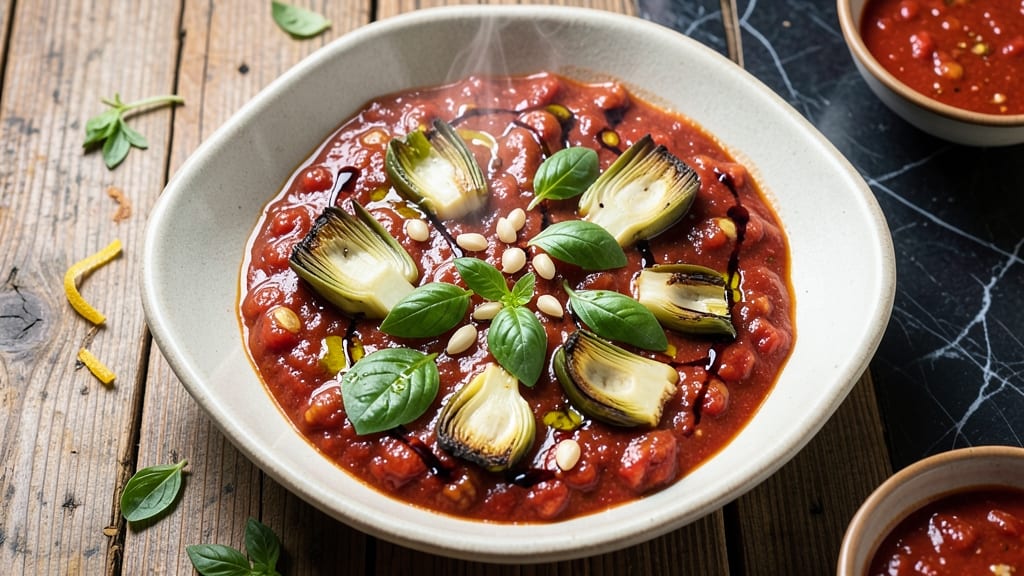
This artichoke garlic pizza sauce recipe transforms ordinary pizza night into a gourmet experience with its rich, herby depth and perfect balance of umami and acidity.
The secret lies in blending canned artichoke hearts with a robust tomato base and fresh garlic, creating a sauce that's both vibrant and complex—ideal for any pizza crust or as a versatile pasta topping.
What sets this apart is how the artichokes contribute natural creaminess while the garlic infuses layers of aromatic warmth without overpowering.
The process is straightforward yet precise: simmering the sauce until the flavors meld creates a velvety texture that clings beautifully to pizza dough. You'll achieve a perfectly balanced sauce with just 15 minutes of active prep and 20 minutes of simmering, making it ideal for weeknight meals or meal prep.
The artichokes add a subtle tang that cuts through the richness of cheese, while the garlic ensures every bite is infused with authentic Italian-inspired flavor.
Once complete, you'll have a sauce that elevates any pizza—whether it's a classic Margherita or a loaded veggie pie. The artichokes retain their texture slightly, adding delightful pops of flavor, while the garlic ensures a savory depth that professional pizzerias envy.
This sauce also works beautifully as a marinade for grilled meats or a drizzle over roasted vegetables, proving its versatility beyond the crust.
Store it in the refrigerator for up to 5 days or freeze for longer use, ensuring you always have a restaurant-quality base on hand. The key to success lies in balancing the acidity of the tomatoes with the creaminess of the artichokes, so don't skip the taste test before using.
Here's how to create this foolproof sauce that will change the way you approach pizza night.
Ingredients for artichoke garlic pizza sauce
Nine simple ingredients blend into a sauce that turns pizza night into gourmet magic.
| Ingredient | Amount | Notes |
|---|---|---|
| Canned Artichoke Hearts 🍃 | 14 oz | Drained, quartered artichokes |
| Canned San Marzano Tomatoes 🍅 | 1 can | 28 oz, crushed by hand |
| Fresh Garlic Cloves 🧄 | 6 cloves | Minced for aromatic punch |
| Extra-Virgin Olive Oil 🫒 | ½ cup | High quality, fruity flavor |
| Fresh Basil Leaves 🌿 | ½ cup | Packed, finely chopped |
| Red Wine Vinegar 🍷 | 1 tbsp | For bright acidity balance |
| Dried Oregano 🍃 | 1 tsp | Italian or Mediterranean blend |
| Sea Salt 🧂 | 1 tsp | Diamond Crystal preferred |
| Black Pepper 🌶️ | ½ tsp | Freshly ground for warmth |
| Granulated Garlic 🧄 | ½ tsp | Boosts garlic flavor if needed |
The artichokes are the star here—look for high-quality canned hearts like Meijer or Whole Foods brands. They should be plump, not shriveled, with no metallic taste. Fresh garlic is a must—roasted garlic works too but lacks that sharp punch. If you're in a pinch, Trader Joe's sells pre-minced garlic in jars, though fresh is always better. The San Marzano tomatoes make all the difference—avoid store-brand cans unless they specify San Marzano. For the olive oil, California olive oil from Costco or Bertolli at the grocery store gives that rich, fruity flavor without bitterness.
No fresh basil? Dried oregano at half the amount works in a pinch, though it won't have that same bright freshness. Running low on red wine vinegar? Balsamic vinegar at the same quantity adds depth, or even a splash of lemon juice. If your artichokes are watery after draining, pat them dry with a paper towel—this prevents a watery sauce. The granulated garlic is optional but adds an extra layer of flavor if you're feeling fancy. For a smoother texture, blend the sauce lightly after simmering, but leave some chunks for that artichoke texture that makes this sauce special.
This sauce keeps beautifully—5 days in the fridge or 3 months frozen. To freeze, portion into ice cube trays first, then transfer to a bag. The flavors actually improve overnight as everything melds together. I like to double the batch and freeze half—perfect for lazy weeknights when you don't feel like making sauce from scratch. If you make extra, it's amazing on grilled chicken or as a marinade for tofu. Just remember: taste before using. The acidity can vary, so a pinch of salt or extra vinegar might be needed.
Why You'll Love This Recipe
- Here’s what sold me: that perfect balance of briny artichokes, sweet tomatoes, and punch from fresh garlic and basil. The olive oil ties it all together with this rich, almost buttery depth—like a fancy restaurant sauce, but with ingredients you already own.
- Pantry-to-Pan Magic: I swear by this sauce because it’s the kind of recipe that turns "I don’t feel like cooking" into "I’ll have pizza for dinner." Open a can of artichokes, chop a few cloves of garlic—that’s it—and you’re halfway there. The San Marzano tomatoes do all the heavy lifting, so you’re left with just simmering and stirring.
- Garlic-Basil Bomb: Here’s what sold me: that perfect balance of briny artichokes, sweet tomatoes, and punch from fresh garlic and basil. The olive oil ties it all together with this rich, almost buttery depth—like a fancy restaurant sauce, but with ingredients you already own.
- Weeknight & Weekend Ally: Between us, this sauce works everywhere. Slather it on pizza crust, toss it with grilled chicken for a pasta, or even dollop it over roasted veggies. I’ve used it for last-minute potlucks, lazy Sunday brunches, and even as a dip for crusty bread when I’m too tired to plan.
Step-by-step instructions for artichoke garlic pizza sauce
This sauce delivers deep umami flavor with a bright, herby finish—perfect for any pizza crust.
Sauté Garlic and Artichokes in Olive Oil
Heat the 0.5 cup Extra-Virgin Olive Oil in a medium saucepan over medium heat. Add the 6 cloves Fresh Garlic Cloves (minced) and cook for 30 seconds until fragrant—you'll smell that delicious garlic aroma filling your kitchen. Immediately add the 14 oz Canned Artichoke Hearts (drained and quartered), stirring to coat them in the oil.
Cook for 4-5 minutes until the artichokes soften slightly and the garlic releases its full flavor. If the garlic starts to brown too quickly, reduce heat to medium-low. This step builds the sauce's umami foundation while keeping the garlic from burning—burnt garlic makes the whole sauce bitter.
Add Tomatoes and Simmer Until Thickened
Pour in the 1 can Canned San Marzano Tomatoes (crushed by hand) and stir to combine with the artichokes and garlic. Bring to a gentle boil, then reduce heat to low and let it simmer uncovered for 15-20 minutes. You're looking for a slightly thickened consistency—the sauce should coat the back of a spoon.
Stir occasionally to prevent sticking, especially when the tomatoes start releasing their juices. This simmering time lets the flavors meld together, creating that rich, balanced tomato base. If the sauce reduces too quickly, add 1-2 tablespoons water to maintain consistency.
Season and Finish with Herbs and Vinegar
Remove the sauce from heat and stir in the 1 tbsp Red Wine Vinegar, 1 tsp Dried Oregano, 1 tsp Sea Salt, 0.5 tsp Black Pepper, and 0.5 tsp Granulated Garlic. Let it sit for 5 minutes to allow the salt to dissolve and the spices to bloom—this is when the flavors really start to come together.
Finally, fold in the 0.5 cup Fresh Basil Leaves (finely chopped) and taste. Adjust seasoning if needed—this sauce should be savory, slightly tangy, and bright. The basil adds that fresh, herby note that balances the umami depth. Let the sauce cool to room temperature before using on your pizza.
Use Immediately or Store for Later
For best results, use the sauce immediately on your pizza crust. The fresh basil and vibrant flavors work best when the sauce is fresh. If storing, transfer to an airtight container and refrigerate for up to 5 days. Reheat gently in a saucepan over low heat until warmed through—never microwave, as it can make the basil turn bitter.
This sauce pairs beautifully with mozzarella, prosciutto, or roasted vegetables. The artichoke adds a lovely texture contrast, while the garlic and basil create that classic Italian pizza flavor profile. Every bite will be perfectly balanced—herby, garlicky, and just bright enough.
Pro Tips For Making Artichoke Garlic Pizza Sauce
- Drain and Pat Artichokes Dry: Those canned artichoke hearts come packed in water or brine, and if you skip this step, your sauce will turn into a watery, sad mess. After draining, lay them on a paper towel and press gently with another towel—yes, it feels like overkill, but it guarantees a thick, flavorful sauce instead of a thin, waterlogged one.
- Crush Garlic with a Knife: I used to mince garlic for this sauce, but crushing it with the flat of a knife releases more oil and flavor—no, it’s not as fine, but it actually makes the sauce taste richer. Just smash 4-5 cloves right in the pan before adding anything else.
- Simmer Tomatoes Low and Slow: If you rush this step, your sauce will taste raw and one-dimensional. After adding the tomatoes, reduce heat to medium-low and let it bubble gently for at least 15 minutes—this breaks down the texture and deepens the flavor. (Yes, even if you’re impatient like me.)
- Toast Basil Leaves Whole: Tearing basil at the end is fine, but tossing whole leaves into the simmering sauce for the last 2 minutes lets them infuse flavor without turning bitter. Remove them before serving—does it look weird? Yes. Does it work? Every single time.
Make-ahead tips for artichoke garlic pizza sauce
Prep Ahead Strategy
Make this sauce 2 days in advance for maximum flavor development. The artichokes and garlic meld beautifully over time, creating deeper umami notes. Store in an airtight glass container (like a Pyrex bowl) in the fridge—glass preserves texture better than plastic.
I like to label it with the date to track freshness. 📅
Freezing for Long-Term Use
Portion the sauce into 1-cup ice cube trays before transferring to a freezer bag. This makes it easy to thaw just what you need—perfect for pizza nights on busy weeks. The sauce keeps its quality for 3 months in the freezer.
When ready to use, thaw overnight in the fridge or reheat directly from frozen over low heat for 5-7 minutes. 🧊
Sauce Consistency Tips
If the sauce thickens too much while storing, simply stir in 1-2 tablespoons of water or tomato juice when reheating. For extra richness, add a drizzle of olive oil before using.
The artichokes will soften further during storage, so adjust your pizza toppings accordingly—add more veggies if you prefer texture contrast. 🫒
Meal Prep Pairings
Double the batch and freeze half for weeknight convenience. Use the other half on garlic bread or as a marinade for grilled chicken. The sauce also works wonders on pasta or as a dip for crusty bread.
I often prep two batches on Sundays—one for pizza night and one for a quick weeknight dinner. 🍝
Reheating Like a Pro
Never microwave this sauce—it ruins the basil's freshness. Instead, heat in a small saucepan over low-medium heat for 3-5 minutes, stirring occasionally. For extra flavor, add a clove of minced garlic or a sprig of fresh basil while reheating. This keeps the sauce vibrant and balanced. 🔥
Storage Containers Matter
Use glass containers with tight-sealing lids (like Le Parfait jars) to maintain texture and prevent odors. Avoid plastic if storing for more than 3 days, as it can absorb flavors.
I also recommend using silicone lids for extra airtight security. Proper storage keeps the sauce fresh and ready for last-minute pizza cravings. 💡
Nutrition facts
Frequently asked questions
Can I use fresh artichokes instead of canned?
Fresh artichokes work but require extra prep! Trim them into quarters, remove the choke, and boil for 15 minutes until tender. Drain well and chop before using—this adds about 20 minutes to your prep time. The flavor will be slightly more intense, but canned artichokes offer convenience and consistent texture.
What if I don't have San Marzano tomatoes?
No problem! Use high-quality crushed tomatoes or even tomato passata. For extra depth, add 1/2 teaspoon tomato paste to the olive oil before sautéing. Avoid watery canned tomatoes—they can dilute the sauce's richness. The key is balancing acidity, so adjust vinegar to taste.
How do I prevent the garlic from burning?
Keep the heat at medium-low and never let the garlic sizzle loudly. If it starts browning too quickly, remove the pan from heat for 10 seconds and stir. Fresh garlic should cook for just 30-60 seconds—it releases flavor without burning. Roasted garlic (cooked at 400°F for 20 minutes) is a great alternative for a sweeter, less pungent taste.
Can I make this sauce without basil?
Swap in 1 tablespoon dried basil or 1 teaspoon Italian seasoning for a similar effect. For extra brightness, add 1/2 teaspoon lemon zest or a pinch of red pepper flakes. The sauce will still taste delicious—basil just adds that signature freshness that balances the umami flavors.
Why did my sauce turn out too acidic?
This happens when the vinegar or tomatoes overpower the other flavors. Balance it by adding 1/2 teaspoon sugar or 1 teaspoon olive oil to mellow the acidity. Taste as you go—adjust gradually. If the sauce is still too sharp, a pinch of salt or a splash of heavy cream can help round out the flavors.