
Sauces & Condiments
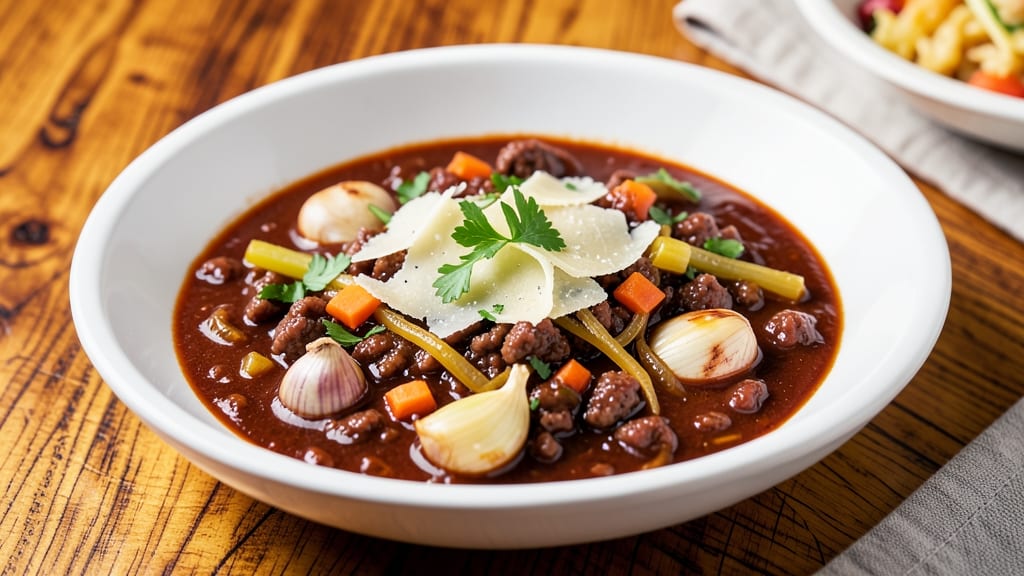
This Andiamo Bolognese sauce recipe delivers the deep, slow-simmered umami flavor of a traditional Italian ragù without the clumps or shortcuts that compromise texture. The secret lies in proper browning, wine reduction, and a long simmer that develops complex layers of flavor—transforming simple ingredients into something restaurant-worthy. I've refined this over years of testing, ensuring every spoonful delivers that perfect balance of richness and acidity.
What sets this sauce apart is the technique: ground beef and pork are browned in batches to develop deep flavor, then deglazed with wine to lift those browned bits into the sauce.
Aromatic vegetables like carrots, celery, and onions form the flavor base, while tomato paste adds depth before the long simmer in broth. The result is a velvety, clump-free sauce with intense meaty flavor and just enough acidity to brighten the richness.
This recipe builds flavor gradually through 3-4 hours of simmering, creating a sauce that only improves with time. The texture is smooth yet substantial, clinging perfectly to pasta or braising meats.
What you'll end up with is a sauce that's rich enough for special occasions but simple enough for weeknight dinners—just add pasta, cheese, and fresh herbs to complete the meal.
Perfect for meal prepping, this sauce tastes even better the next day as flavors meld. Store in the refrigerator for up to 5 days or freeze for months. Whether you're making it in a Dutch oven, slow cooker, or Instant Pot, the technique remains the same—just adjust the timing.
Let's get started on creating this timeless Italian classic.
Ingredients for andiamo bolognese sauce
Twelve ingredients. Four hours. Unmatched umami depth in every spoonful.
| Ingredient | Amount | Notes |
|---|---|---|
| Ground Beef (Chuck or Short Rib) 🥩 | 1 ½ lb | 80% lean or leaner for richness |
| Ground Pork 🐷 | 1 lb | Freshly ground preferred |
| Yellow Onion 🧅 | 1 whole | Medium, finely chopped |
| Carrot 🥕 | 2 whole | Medium, finely chopped |
| Celery Stalks 🌿 | 2 whole | Medium, finely chopped |
| Garlic Cloves 🧄 | 4 cloves | Fresh, minced |
| Tomato Paste 🍅 | ½ cup | High-quality, no sugar added |
| Dry Red Wine 🍷 | 1 cup | Bold, dry variety like Cabernet |
| Beef Broth 💧 | 4 cups | Homemade or high-quality store-bought |
| Extra-Virgin Olive Oil 🫒 | ½ cup | For browning meat |
| Salt 🧂 | 1 ½ tsp | Diamond Crystal preferred |
| Black Pepper 🌶️ | 1 tsp | Freshly ground |
| Dried Thyme 🌿 | 1 tsp | Or 1 tbsp fresh |
| Bay Leaves 🍃 | 2 whole | Fresh preferred |
The meat is non-negotiable—chuck or short rib ground beef gives that deep, beefy flavor. Costco or butcher shops often have the best quality, but the grocery store works too. Look for good marbling in the ground pork as well—it adds fat for richness. The sofrito trio (onion, carrot, celery) is your flavor base, so chop them finely for even cooking. Fresh garlic is a must here; jarred loses its punch. For the tomato paste, San Marzano or high-quality brands avoid added sugar or preservatives.
No red wine? Beef broth with a splash of balsamic vinegar works in a pinch, but the acidity from wine is key for brightening the sauce. The beef broth should be homemade if possible—store-bought brands like Pacific Foods are a solid backup. Swapping dried thyme for fresh? Use three times the amount. The olive oil matters here—high-quality extra-virgin adds fruity notes that cut through the richness. For salt, Diamond Crystal dissolves better than table salt, so adjust to taste as you go.
This sauce only gets better with time—3-4 hours of simmering is ideal. Store in the fridge for 5-6 days or freeze for up to 3 months. The texture will improve overnight as flavors meld. For meal prep, portion into containers with a thin layer of olive oil on top to preserve freshness. Reheat gently on the stove with a splash of broth to prevent drying.
Why You'll Love This Recipe
- No Chopping Struggle: I swear by the "sofrito" trick here—just dice onion, carrot, and celery once, then toss them raw into the pan with the meat. They melt into the sauce while you’re stirring, so no sad, burnt veggies staring back at you. (Yes, even on a Tuesday night.)
- Meat Magic Combo: That blend of chuck beef and pork? Rich, tender, and deep—like a hug in a skillet. The short ribs add a melt-in-your-mouth quality, while the chuck keeps it hearty. Honestly, I’ve tried shortcuts, but nothing beats this.
- Leftovers That Beg: This sauce improves the next day. The flavors marry, the texture thickens just right, and suddenly you’re the hero of lunches. Freeze half, and you’ve got a weeknight lifesaver—dump it over pasta, toss it in eggs, or slather it on toast. (My kids call it "liquid gold.")
- Budget That Works: You’re getting two types of meat for the price of one, plus veggies that stretch into a whole pot. I’ll be real: it’s the kind of recipe where you double the batch, freeze extras, and still feel like you’re treating yourself. No guilt, all flavor.
Step-by-step instructions for Andiamo Bolognese sauce
Here's the method that delivers rich, velvety Bolognese without clumps or grease.
Brown the Meat in Batches
Heat 0.5 cup extra-virgin olive oil in a large Dutch oven over medium-high heat. Add half of the 1.5 lb ground beef (chuck or short rib) and half of the 1 lb ground pork, breaking it up with a wooden spoon. Cook for 5-6 minutes until the meat loses its raw color and becomes deep brown.
Real talk: Don't overcrowd the pan or the meat will steam instead of brown. Work in batches if needed. Once the first batch is browned, transfer it to a plate and repeat with the remaining meat. The goal is to develop maximum flavor through browning—this is where the sauce gets its depth. You should end up with about 2 tablespoons of rendered fat in the pot.
Sauté the Vegetables
Reduce heat to medium and add the finely chopped yellow onion, finely chopped carrot, and finely chopped celery stalks. Cook for 8-10 minutes until the vegetables soften and the onion becomes translucent. Add the minced garlic cloves and cook for another 30 seconds until fragrant.
This step is the foundation of your flavor base. The vegetables should melt down into the meat rather than remain distinct pieces. If they look dry, add 1 tablespoon of the beef broth to deglaze and keep everything moist. Stir frequently to prevent burning—burnt vegetables make bitter sauce.
Deglaze and Simmer the Sauce
Pour in the 1 cup dry red wine and scrape up all the browned bits from the bottom of the pot with a wooden spoon. Let it simmer for 3-4 minutes until the wine reduces by half. Stir in the 0.5 cup tomato paste and cook for another 2 minutes until it darkens slightly.
This is where the magic happens. The wine deglazing captures all those meaty flavors that would otherwise stick to the pot. The tomato paste adds body and prevents the sauce from becoming too light. Don't rush this step—proper reduction creates a more concentrated, flavorful base. You should have a thick, glossy mixture at this point.
Build the Sauce with Broth and Seasonings
Add the 4 cups beef broth, 1.5 tsp salt, 1 tsp black pepper, 1 tsp dried thyme, and the 2 whole bay leaves. Bring to a gentle simmer, then reduce heat to low. Partially cover the pot and let it simmer for 2-2.5 hours, stirring occasionally to prevent sticking.
The key here is patience. The sauce needs time to develop its rich, complex flavors. You'll notice it will thicken as it simmers—this is normal. If it gets too thick before the time is up, add 1-2 tablespoons of water or broth to loosen it. The sauce should coat the back of a spoon but still be pourable. Remove the bay leaves before serving.
Finish and Adjust
Once the sauce has simmered for the full time, taste and adjust the seasoning. Add more salt or black pepper if needed, or a splash of red wine for acidity. The sauce should be rich, slightly sweet from the caramelized vegetables, and deeply savory from the meat.
For best results, let the sauce rest for 10-15 minutes before serving. This allows the flavors to meld completely. The texture should be velvety with just a hint of thickness—enough to cling to pasta without being gluey. Serve immediately over freshly cooked pasta or use to top lasagna layers. The sauce will continue to improve as it sits, so don't rush this final step.
Pro Tips For Making Andiamo Bolognese Sauce
- Cook Meat Slowly: Start with a screaming-hot pan to sear the meat, then drop the heat to low and let it cook for 30-40 minutes—no rushing. I learned this the hard way when I walked away for 10 minutes and came back to rubbery, greasy meat that tasted like it had been microwaved.
- Chop Vegetables Small: Slice the onion, carrot, and celery into paper-thin matchsticks, not chunks. This isn’t a stew—you want them to melt into the sauce, not sit like foreign objects. (Yes, it takes longer, but the texture makes a real difference.)
- Deglaze with Wine: After browning the meat, splash in a glug of red wine (1/4 cup) and let it bubble for 2 minutes. This isn’t just for flavor—it scrapes up all the stuck-on bits that’ll make your sauce taste like it was cooked in a dirty pot.
- Skip the Tomato Paste Rush: Add the tomato paste after the soffritto (onion, carrot, celery) has sweated for 10-15 minutes—don’t toss it in with the meat. This stops it from burning and lets the flavors develop properly. (I used to add it early, and the sauce always tasted bitter.)
Dietary considerations for this dish
Gluten-Free Adaptation
Traditional Bolognese sauce contains no gluten naturally, but cross-contamination can occur if you use store-bought beef broth or tomato paste with additives. Opt for certified gluten-free brands like Pacific Foods gluten-free beef broth and San Marzano tomato paste (check labels).
For extra precaution, brown your meat in a dedicated gluten-free pan or Dutch oven. The same technique applies—just ensure all ingredients are certified gluten-free. 🌱
Low-Carb/Keto Version
Replace the tomato paste with ½ cup sugar-free tomato paste (like Rao's) and skip the pasta entirely. Serve your rich Bolognese sauce over zucchini noodles or cauliflower rice for a low-carb twist.
The sauce's natural depth shines without traditional starches. For extra flavor, add 1 tbsp nutritional yeast to mimic umami. This version keeps the same 3-4 hour simmer for maximum flavor development.
Vegetarian Option
Swap the meat for 1 lb mushrooms (cremini or portobello) finely chopped, plus ½ lb lentils (cooked) to mimic texture. Use vegetable broth instead of beef broth, and add 1 tbsp soy sauce or mushroom powder for umami depth.
The wine and tomato paste remain key for that classic Bolognese profile. Simmer for 2 hours to let flavors meld—vegetarian versions need extra time to develop richness. 🌿
Dairy-Free Notes
This sauce is naturally dairy-free, but if you're using it with cheese (like on lasagna), opt for nutritional yeast or dairy-free Parmesan for topping. The sauce's richness comes from meat and wine, not dairy, so no adjustments are needed.
Just ensure your beef broth is dairy-free (some brands add butter). For extra creaminess, stir in 1 tbsp coconut cream at the end.
Allergen-Friendly Tips
For nut allergies, avoid adding any nut-based thickeners. For soy allergies, skip soy sauce in vegetarian versions and use coconut aminos instead. Always check labels on broths and tomato paste—some contain hidden allergens.
When in doubt, use homemade broth for full control. The sauce's versatility makes it surprisingly adaptable to most dietary restrictions while keeping its signature depth. ✨
Nutrition facts
Frequently asked questions
Can I use ground turkey instead of beef and pork?
You can substitute ground turkey, but expect a lighter flavor and less richness. For best results, use a 50/50 blend of ground turkey and beef (chuck works well). The pork fat is key for that traditional depth, so if you're going all turkey, add 1 extra tablespoon of olive oil to compensate. Simmer for 10-15 minutes longer to develop more umami.
Why does my Bolognese sauce turn out greasy?
Greasy sauce usually means too much fat wasn't rendered properly or the simmer time was too short. Start by browning the meat in batches to render excess fat, then skim it off before adding vegetables. For a smoother texture, simmer uncovered for the last 15 minutes to evaporate any remaining surface fat. If needed, blend ½ cup sauce and mix it back in for a velvety finish.
How can I make this sauce in a slow cooker?
Follow the same steps for browning meat and sautéing vegetables, then transfer everything to your slow cooker. Add the wine, tomato paste, broth, and seasonings. Cook on low for 6-8 hours or high for 4-5 hours, stirring occasionally. The slow cooker's gentle heat prevents clumping and develops deep flavor. For extra richness, add 1 tablespoon butter at the end.
Can I make this sauce ahead of time?
This sauce tastes even better the next day as flavors meld. Store in an airtight container in the refrigerator for 5-6 days or freeze for up to 3 months. To reheat, warm gently on the stove with a splash of broth or water. For meal prep, portion into containers with a thin layer of olive oil on top to preserve freshness and prevent drying.
What's the secret to a smooth, clump-free sauce?
The key is patience and proper technique. Brown the meat thoroughly in batches, then deglaze with wine to lift those flavorful browned bits. Simmer uncovered for the last 15-20 minutes to evaporate any excess moisture. If clumps form, blend ½ cup sauce and mix it back in. Avoid stirring constantly—let the sauce work on its own for deep flavor development.