
Sauces & Condiments
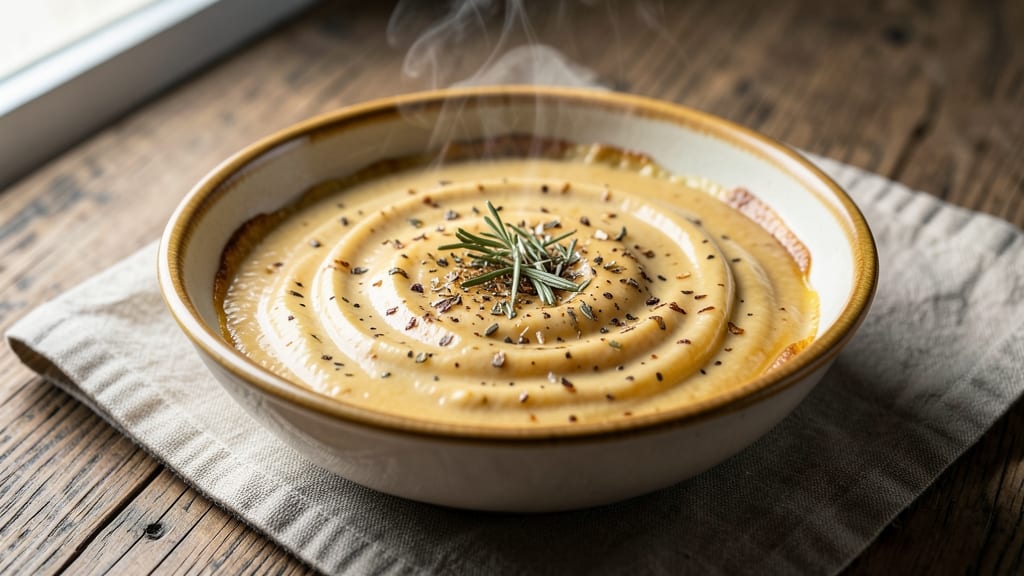
This alfredo sauce recipe with Italian seasoning transforms creamy pasta nights into restaurant-quality experiences without the clumping or heavy aftertaste. The secret lies in a perfect balance of butter, cream, and that fragrant blend of dried herbs—basil, oregano, and thyme—that elevates every forkful.
I developed this version after years of testing, because nothing ruins a good fettuccine like a sauce that separates or tastes too rich.
The magic happens in just 10 minutes using simple ingredients you likely already have: butter, heavy cream, garlic, and of course, Italian seasoning. The sauce stays velvety smooth thanks to a cornstarch slurry that prevents clumping, while the Italian seasoning adds depth without overpowering.
This isn't your childhood's powdered sauce—it's rich, aromatic, and built to coat pasta perfectly without weighing it down.
What you'll end up with is a sauce so luxurious it makes homemade fettuccine alfredo taste like you've dined at an Italian trattoria. The aroma alone will have everyone gathering around the table, and the first bite delivers that perfect harmony of creamy, herby, and slightly garlicky flavors.
It works equally well over chicken, vegetables, or as a dipping sauce for crusty bread.
Best of all, this sauce keeps beautifully in the fridge for up to 5 days or freezes for 3 months, making it perfect for meal prep. Whether you're feeding a family of four or just treating yourself to a special night in, this recipe delivers restaurant-quality results with minimal effort.
Let's get started on creating that perfect creamy sauce.
Ingredients for alfredo sauce recipe with italian seasoning
Butter, cream, and Italian seasoning—just 10 ingredients for velvety perfection.
| Ingredient | Amount | Notes |
|---|---|---|
| Unsalted Butter 🧈 | ½ cup | Cold, cubed for easy melting |
| Heavy Cream 🥛 | 1 ½ cups | Full-fat for richest texture |
| Cornstarch 🌾 | 1 tbsp | For silky, no-clump consistency |
| Garlic Cloves 🧄 | 3 cloves | Minced finely for subtle flavor |
| Dried Italian Seasoning 🌿 | 1 tbsp | Basil, oregano, thyme blend |
| Salt 🧂 | ½ tsp | Diamond Crystal preferred |
| Black Pepper 🌶️ | ¼ tsp | Freshly cracked for aroma |
| Parmesan Cheese 🧀 | ½ cup | Freshly grated from block |
| White Wine 🍷 | ¼ cup | Dry, like Pinot Grigio |
| Chicken Broth 💧 | ½ cup | Low-sodium preferred |
The butter and cream are non-negotiable for that luxurious texture. Plugrá or Land O'Lakes butter melts beautifully, but any good-quality unsalted will work. For the Italian seasoning, McCormick or Badia blends have the perfect balance of basil, oregano, and thyme. I always double-check the label to make sure it's 100% dried herbs—no fillers. The Parmesan? Grate it yourself from a wedge. Pre-grated cheese has anti-caking agents that ruin the sauce's silky finish. Store your Parmesan block wrapped in parchment paper in the fridge for up to 3 weeks.
No heavy cream? Full-fat coconut milk works in a pinch, though the flavor will differ slightly. Short on Italian seasoning? Mix 1 tsp dried basil, 0.5 tsp oregano, and 0.25 tsp thyme for a homemade blend. The cornstarch is your secret weapon—it creates that restaurant-quality smoothness without clumping. If you don't have cornstarch, arrowroot powder at the same amount does the job just as well. The garlic can be roasted for a sweeter flavor if you prefer, but raw minced garlic gives that classic alfredo bite. And if you're avoiding dairy, coconut cream can replace the heavy cream, though the sauce will be lighter.
This sauce keeps beautifully—5 days in the fridge or 3 months frozen. For freezing, let it cool completely and store in airtight containers. The cornstarch slurry prevents separation, so you won't have to reheat it slowly. Just thaw overnight in the fridge and warm gently on the stove. I always make a double batch because it disappears fast—over fettuccine, chicken, or even as a dip for garlic bread. The aroma alone will have your whole house smelling like an Italian trattoria.
Why You'll Love This Recipe
- Five-Ingredient Magic: I swear, this sauce comes together with stuff you already have—no fancy shopping required. Butter, cream, cornstarch, garlic, and that little jar of Italian seasoning? That’s it. The cornstarch thickens it like a dream without lumps, and the seasoning does all the herb work for you.
- Garlic-Kissed Comfort: That raw garlic aroma softens into something rich and savory, while the Italian seasoning adds this bright, herby punch—like a hug in sauce form. It’s creamy but not heavy, with just enough acidity to keep it interesting. Honestly, my picky husband asks for seconds.
- Weeknight to Dinner Party: Slap this on fettuccine for a 20-minute weeknight dinner, or drizzle it over grilled chicken and roasted veggies for a fancy-ish sheet-pan meal. The leftovers? Just as good reheated the next day—no one will guess it’s not freshly made.
- Budget-Friendly Luxury: Heavy cream and butter might sound splurgy, but you use such small amounts it stretches far. A single jar of Italian seasoning lasts for months, and the cornstarch is the ultimate pantry MVP. Feels indulgent, costs next to nothing—my kind of recipe.
Step-by-step instructions for creamy alfredo sauce with Italian seasoning
This velvety sauce comes together faster than you'd think—just 10 minutes of focused cooking.
Melt Butter and Sauté Garlic
Heat a medium saucepan over medium heat and add the 0.5 cup unsalted butter, cubed. Let it melt completely, about 2-3 minutes, until it foams and smells nutty. This is your flavor foundation—don't rush it.
Once the butter is melted, add the 3 cloves minced garlic and sauté for 30-45 seconds until fragrant but not browned. Watch closely—garlic burns fast, and you want that subtle aroma, not bitterness. Here's the thing: if you smell garlic, you're golden. If you smell smoke, you've gone too far.
Whisk in Cream and Wine
Pour in the 1.5 cups heavy cream and bring to a gentle simmer over medium-low heat. Stir occasionally to prevent scorching. Once it's simmering steadily, add the 0.25 cup white wine and let it reduce by half, about 2-3 minutes. This step deglazes the pan and adds depth—don't skip it.
I know it seems like too much liquid, but trust me, it'll reduce perfectly. The wine adds brightness that balances the richness. If you're using a dry white wine like Pinot Grigio, you'll notice that crisp acidity cutting through the cream.
Thicken with Cornstarch Mixture
In a small bowl, whisk together the 1 tbsp cornstarch, 0.5 tsp salt, and 0.25 tsp black pepper. Slowly pour this mixture into the simmering sauce while whisking constantly. The sauce will thicken immediately—keep whisking for 1-2 minutes until it reaches a smooth, velvety consistency.
This is where the magic happens. The cornstarch acts as your thickener, but you need to work fast. If the sauce looks too thick, add 1-2 tablespoons of chicken broth to loosen it. You want it silky, not gluey.
Finish with Cheese and Seasoning
Reduce heat to low and stir in the 0.5 cup freshly grated Parmesan cheese and 1 tbsp dried Italian seasoning. Let the sauce simmer gently for 1-2 minutes, stirring constantly, until the cheese melts completely and the sauce is perfectly smooth. The Italian seasoning adds that classic herby note—basil, oregano, and thyme—without overpowering the creamy richness.
Taste and adjust seasoning if needed. The sauce should be rich but not salty, creamy but not heavy. Here's the moment that matters: if it tastes flat, add a pinch more salt or a crack of black pepper. The goal is balanced flavor in every bite.
Keep Warm and Serve
If you're not serving immediately, transfer the sauce to a saucepan and keep it warm over low heat, stirring occasionally. The sauce will thicken slightly as it cools, so if you're prepping ahead, add 1-2 tablespoons of chicken broth to maintain the perfect consistency.
Serve this luscious sauce over fettuccine, chicken, or grilled vegetables. The secret to restaurant-quality Alfredo is in the technique—low and slow simmering, proper thickening, and that perfect balance of herbs. You've got this!
Pro Tips For Making Alfredo Sauce Recipe With Italian Seasoning
- Melt Butter Slowly: Start with cold butter cubes—tossing them straight into a hot pan burns the garlic and makes the sauce taste bitter. Let the pan warm first, then add butter one piece at a time, stirring until it’s just melted but not foaming. This keeps the garlic mellow and the sauce rich.
- Toast the Italian Seasoning: Sprinkle the dried mix into the warm butter before adding cream—let it bloom for 10 seconds until you smell the herbs. Skipping this step leaves the flavor buried under the cornstarch slurry. (Yes, it’s subtle, but you’ll notice the difference.)
- Slurry the Cornstarch: Whisk the cornstarch with a splash of cold heavy cream first—before pouring it into the pot. This prevents clumping and ensures a silky finish. I learned this the hard way after scraping gummy lumps off my frying pan for the third time.
- Finish with Warm Cream: After the sauce thickens, remove it from heat and stir in a ladle of the reserved warm cream. This smooths out the texture and prevents the sauce from breaking when you add it to pasta. (No, you can’t just eyeball it—measure out ¼ cup to keep it consistent.)
Essential equipment for perfect results
Saucepan Essentials
Start with a medium-sized saucepan—I use my All-Clad stainless steel because it heats evenly and prevents scorching. A 3-quart pan is perfect for this recipe, giving you enough room to whisk without spills.
If you're short on space, a 2-quart pan works too, but you'll need to stir more frequently to prevent sticking. Avoid nonstick pans—they can't handle the high heat needed for proper browning.
For the cornstarch slurry, grab a small mixing bowl—I prefer glass or ceramic because they don’t absorb odors. A whisk is a must for smooth thickening, but if you’re in a pinch, a fork works too.
Just be ready to put in a little extra elbow grease. Pro tip: Keep a ladle nearby to taste-test as you go—it’s the best way to monitor consistency. 🍲
Cheese Tools Matter
Freshly grated Parmesan cheese makes all the difference, so invest in a microplane or box grater—pre-grated cheese contains anti-caking agents that ruin the sauce’s silky texture. I love my Kuhn Rikon microplane because it’s gentle on my hands and produces fine, even shreds.
If you’re using a box grater, opt for the smallest holes to mimic microplane results.
For storing leftovers, transfer the sauce to airtight glass containers—I use Pyrex with snap-on lids because they’re sturdy and stackable. Mason jars work too, but leave 1-inch headspace to prevent overflow when reheating.
Label with the date so you remember which batch is freshest. The aroma alone will have you reaching for seconds! 🧀
Heat Control Helpers
A kitchen thermometer isn’t mandatory, but it’s a game-changer for nailing the perfect simmer. I use a Thermoworks ThermoPop—it’s affordable and accurate. Aim for a gentle simmer at 180-190°F to avoid scorching the cream.
If you don’t have one, watch for tiny bubbles forming at the edges of the pan (not a rolling boil).
For whisking, a balloon whisk is ideal because it incorporates air for a lighter texture. If you’re using a hand mixer, set it to low speed to avoid splattering.
And always keep a spatula handy to scrape down the sides—this ensures even heating and prevents flavor buildup. Trust me, a well-stirred sauce is a happy sauce! 🔥
Optional Upgrades
If you’re feeling fancy, a fine-mesh strainer lets you remove any garlic bits for ultra-smooth sauce. I skip this step most of the time, but it’s worth it if you’re serving to picky eaters.
For extra richness, a small immersion blender can emulsify the sauce to perfection—just pulse briefly after adding the cheese.
For wine lovers, a deglazing brush helps scrape up every last bit of flavor from the pan. I use a silicone brush because it’s easy to clean.
And if you’re making a double batch, a large measuring cup with spouts makes pouring the cream and wine a breeze. Small upgrades, big flavor payoff! 🍷
Nutrition facts
Frequently asked questions
Can I substitute heavy cream with something lighter?
Yes! For a lighter version, use full-fat coconut milk (1:1 ratio) or half-and-half, though the texture will be slightly thinner. The sauce will still be creamy but with a subtle coconut flavor if using coconut milk. For a dairy-free option, ensure you use unsweetened coconut milk to avoid altering the taste.
What if my sauce gets too thick or separates?
If it thickens too much, whisk in 1-2 tablespoons of warm chicken broth until smooth. For separation, gently reheat over low heat while whisking constantly. The cornstarch slurry prevents clumping, but if it happens, a splash of warm cream or broth will restore that velvety texture. Never boil the sauce once thickened—it can break the emulsion.
How do I make this sauce even more flavorful?
Add a pinch of red pepper flakes for heat or a splash of lemon juice (1 tsp) for brightness. For depth, sauté 1 tbsp shallots with the garlic or stir in 1 tsp anchovy paste (trust me, it dissolves completely!). The Italian seasoning can also be boosted by adding 1 tsp dried rosemary for a more complex herbal note.
Can I freeze this sauce for later?
Let it cool completely, then store in airtight containers with 1-inch headspace to prevent ice crystals. It freezes beautifully for up to 3 months. Thaw overnight in the fridge and reheat gently on low heat, stirring occasionally. The cornstarch keeps it from separating, so no need for special thawing techniques—just patience!
What's the best pasta to pair with this sauce?
This sauce is perfect with fettuccine or tagliatelle—their flat surfaces hold the sauce beautifully. For extra indulgence, try pappardelle or linguine. If you're feeling adventurous, toss it with shrimp scampi or roasted broccoli for a complete meal. The wider noodles prevent the sauce from getting lost in the dish.