
Sauces & Condiments
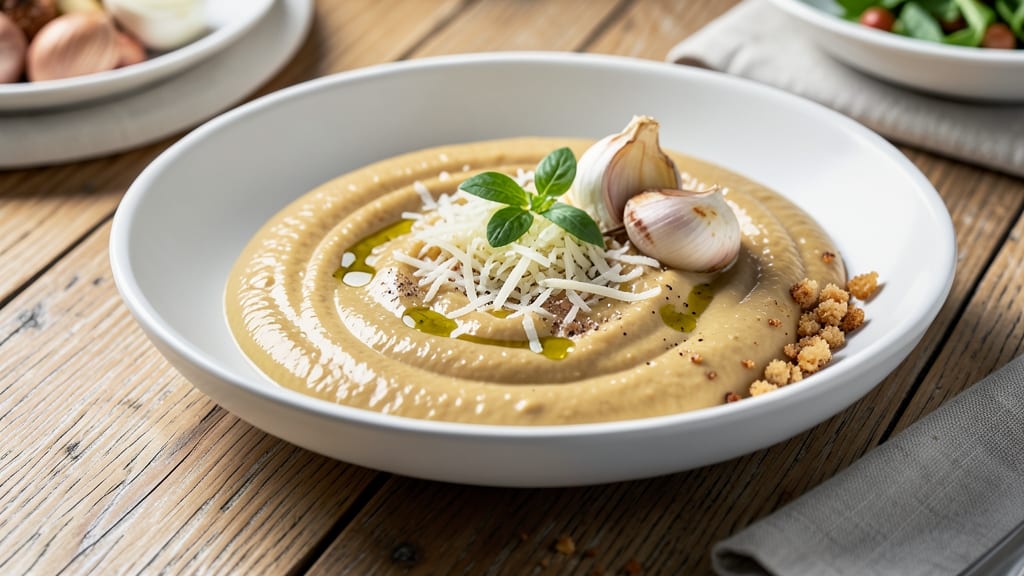
This America's Test Kitchen alfredo sauce recipe delivers velvety perfection without clumps or separation—just 15 minutes of hands-off cooking. The secret lies in tempering the cream properly and using a blend of butter and cream for a sauce that's rich yet balanced.
I've made countless versions over the years, and this one finally cracked the code for restaurant-quality results at home.
The magic happens in the technique: melt butter, whisk in flour to make a roux, then gradually add warm cream while whisking vigorously. This prevents lumps and creates a silky texture that coats pasta beautifully.
A touch of garlic and nutmeg adds depth, while freshly grated Parmesan provides that signature cheesy flavor without making the sauce too heavy.
What you'll end up with is a creamy, luxurious alfredo sauce that clings perfectly to fettuccine or any pasta shape. The sauce stays smooth even after reheating, making it ideal for meal prep. It's the kind of sauce that transforms simple pasta into an elegant dinner in minutes.
Perfect for serving with chicken, seafood, or vegetables, this sauce keeps well in the fridge for up to 5 days. Let's make this creamy masterpiece!
Ingredients for alfredo sauce recipe america's test kitchen
Eight essential ingredients transform into America's Test Kitchen's velvety alfredo sauce masterpiece.
| Ingredient | Amount | Notes |
|---|---|---|
| Unsalted Butter 🧈 | ½ cup | Cut into small pieces for even melting |
| All-Purpose Flour 🌾 | ⅓ cup | Sifted for smooth texture |
| Heavy Whipping Cream 🥛 | 1 ½ cups | Full-fat for richest flavor |
| Fresh Garlic Cloves 🧄 | 3 cloves | Minced for aromatic depth |
| Ground Nutmeg 🌿 | ¼ tsp | Freshly grated preferred |
| Freshly Grated Parmesan Cheese 🧀 | 1 cup | From aged Parmigiano-Reggiano |
| Diamond Crystal Kosher Salt 🧂 | ½ tsp | Adjust to taste |
| Freshly Ground Black Pepper 🌶️ | ¼ tsp | For subtle seasoning |
The butter and flour form the sauce's foundation. European-style unsalted butter (like Plugrá) melts more smoothly than American brands, but any good-quality butter works. For the flour, King Arthur or Bob's Red Mill all-purpose are reliable choices. The key is making a proper roux—cook the butter and flour together until it turns a golden nutmeg color. This step is non-negotiable for that silky texture. Whole Foods or specialty grocery stores often carry the best quality butter if your regular supermarket lacks options. Freshly grated Parmesan is a game-changer—pre-grated contains anti-caking agents that make the sauce grainy. Invest in a good microplane or box grater for this recipe.
No heavy cream? Full-fat coconut milk makes a surprisingly good substitute, though the flavor will differ slightly. Running out of Parmesan? Pecorino Romano at half the quantity provides a similar umami punch. The nutmeg is crucial for that classic alfredo flavor—if you're out, a pinch of cinnamon won't cut it. For the garlic, frozen minced garlic works in a pinch, but fresh is always better. The salt and pepper are flexible, but don't skip them entirely—they balance the richness. This sauce works beautifully with vegetable broth instead of water if you want to add extra depth. For a lighter version, you can reduce the butter to 0.375 cup and increase the cream to 1.75 cups, though it won't be quite as rich.
This sauce reheats beautifully—simply warm it gently on the stove or microwave it in 30-second bursts. Portion into airtight containers and store in the fridge for up to 5 days. For longer storage, freeze portions for up to 3 months. The sauce thickens as it cools, so you may need to thin it with a splash of warm milk or cream when reheating. For meal prep, make a double batch—the extra sauce freezes perfectly for future pasta nights. Always let the sauce come to room temperature before freezing to prevent ice crystals from forming.
Why You'll Love This Recipe
- No-Fuss Roux: I’ve made enough clumpy sauces to know this one’s different—the butter and flour cook together until golden, then the cream just melts in. No whisking for hours, no lumps, just smooth perfection in under 10 minutes.
- Garlic-Cream Magic: That fresh garlic sizzling in the butter? It’s the secret weapon. The ATK recipe balances it with nutmeg and cream so it’s rich but not overpowering—like a warm hug in sauce form.
- Weeknight to Dinner Party: Same sauce, endless uses. Toss it with fettuccine for a quick weeknight dinner, drizzle it over grilled chicken for a fancy-ish meal, or freeze half for when you’re too tired to cook. It’s my go-to for lazy and special nights alike.
- Budget-Friendly Luxury: Heavy cream and butter might sound fancy, but you’re using them efficiently here. A single batch stretches to two meals (or one very happy leftovers night), and the ingredients won’t break the bank—just $5 for enough to feed four.
Step-by-step instructions for america's Test Kitchen alfredo sauce
Master this velvety sauce using precise techniques to avoid lumps and achieve perfect texture.
Melt Butter and Create a Smooth Roux
In a medium saucepan, melt the 0.5 cup unsalted butter over medium heat. Watch carefully as it transforms from solid to liquid—you'll see small bubbles forming around the edges. Once fully melted, reduce the heat to medium-low to prevent browning.
Add the 0.33 cup all-purpose flour all at once and whisk vigorously for 2 minutes using a wire whisk. This creates a roux, which forms the foundation of your sauce. You're looking for a smooth, paste-like consistency with no visible flour granules. If you notice any lumps, press them against the side of the pan with the back of your spoon and whisk again until fully incorporated.
Cook the Roux to Remove Raw Flour Taste
Continue cooking the roux for 3-4 minutes, whisking constantly. The mixture should turn a pale golden color and smell nutty. This cooking process removes the raw flour taste and develops flavor. If it starts to darken too quickly, reduce the heat slightly to maintain a light color.
Here's where precision matters: the roux should be fully cooked but not browned. You'll know it's ready when it coats the back of a spoon smoothly without leaving a gritty texture. This step prevents that chalky aftertaste many homemade Alfredo sauces suffer from.
Gradually Add Cream and Garlic
Slowly pour in the 1.5 cups heavy whipping cream while whisking continuously. Add it gradually—about ¼ cup at a time—to prevent lumps from forming. The sauce will thicken as it incorporates. Once all the cream is added, stir in the 3 minced fresh garlic cloves and cook for 1-2 minutes until fragrant.
This gradual addition is critical. Pouring all the cream at once creates lumps that are nearly impossible to fix later. The garlic should infuse its aroma without burning—watch for that point where it smells sweet and aromatic rather than sharp.
Season and Finish the Sauce
Remove the saucepan from heat and stir in the 1 cup freshly grated Parmesan cheese, 0.5 tsp Diamond Crystal kosher salt, 0.25 tsp freshly ground black pepper, and 0.25 tsp ground nutmeg. Let the mixture sit for 2-3 minutes to allow the cheese to melt completely and the flavors to meld.
For the final texture, return the sauce to low heat and stir for 1-2 minutes until it reaches your desired consistency. It should coat the back of a spoon smoothly but still be pourable. If it thickens too much, whisk in 1-2 tablespoons of warm water or pasta water to adjust. The sauce should be silky, not glue-like.
Serve Immediately for Perfect Results
Use the sauce immediately for best results. It's designed to coat pasta perfectly when tossed together. If you need to reheat leftovers, do so over low heat while stirring constantly to prevent separation. The sauce should maintain its velvety texture and rich flavor when served over fettuccine or your choice of pasta.
Pro tip: For extra richness, reserve some pasta water before draining and add it to the sauce when tossing with pasta. This starchy liquid helps the sauce cling beautifully to each strand. The final sauce should be creamy, flavorful, and completely lump-free—exactly what makes this America's Test Kitchen version special.
Pro Tips For Making Alfredo Sauce Recipe America'S Test Kitchen
- Melt Butter Slowly: I used to rush this step and end up with a greasy, grainy mess—don’t. Heat the butter over medium-low until it’s fully melted but just starting to foam (about 3-4 minutes). If you crank the heat, the flour will burn before it toasts properly, and your sauce will taste like regret.
- Toast the Flour Right: Stir the flour into the melted butter and cook it for exactly 2 minutes—no more, no less. You’re not making roux; you’re building flavor. If it darkens even slightly, you’ve gone too far, and the sauce will taste bitter. Think "toasted breadcrumbs," not "charred pancake batter."
- Whisk Like You Mean It: When adding the heavy cream, whisk aggressively for at least 30 seconds before the first simmer. This breaks up any flour lumps and ensures a silky texture. I learned this the hard way when my sauce separated like oil and vinegar—now I treat the pot like it’s about to judge me.
- Strain the Garlic: Mince the garlic finely (almost like a paste) and press it through a fine-mesh strainer before adding it to the sauce. This keeps the texture smooth and prevents any chance of a bitter, chewy garlic bite. Yes, it’s extra work, but your sauce will taste like it came from a five-star kitchen—not your tired Sunday night.
Storing and reheating this alfredo sauce recipe america's test kitchen
Refrigerator Storage
Store your freshly made alfredo sauce in an airtight container—I prefer glass Pyrex with snap-on lids—to maintain its creamy texture. Let it cool completely before refrigerating to prevent condensation that can dilute the flavor.
This sauce keeps beautifully for up to 5 days at 40°F or below, with flavors actually deepening as the spices meld together. 🧊
When ready to use, give the sauce a quick stir before reheating. The texture may thicken slightly in the fridge, so you might need to thin it with 1-2 tablespoons of warm milk or cream while reheating.
Never microwave directly from the fridge—always transfer to a microwave-safe bowl first to prevent uneven heating.
Freezer Storage
For longer storage, portion the sauce into freezer-safe containers or quart-sized freezer bags, leaving ½-inch headspace for expansion. I recommend using silicone ice cube trays for single-serving portions—they thaw perfectly for quick pasta dinners. This sauce freezes well for up to 3 months without significant texture changes. 🥶
Thaw overnight in the refrigerator for best results. If you're in a hurry, place the container in a bowl of lukewarm water for 20-30 minutes—this gentle method preserves the sauce's velvety consistency. Avoid thawing at room temperature, as bacterial growth can occur in dairy-based sauces.
Reheating Methods
My preferred reheating method is stovetop—it gives you the most control over texture. Place the sauce in a saucepan over low heat and stir constantly with a silicone spatula to prevent scorching.
Add 1-2 tablespoons of warm water or pasta water if the sauce thickens too much. Heat until just simmering—about 3-5 minutes—then remove from heat immediately. 🔥
For microwave reheating, transfer sauce to a microwave-safe bowl and heat in 30-second intervals, stirring well between each interval. The goal is to reach 165°F internal temperature without overheating. Cover loosely with a microwave-safe lid to retain moisture, but don't seal completely to allow steam to escape.
Meal Prep Tips
Make a double batch of this sauce when you have time—it's perfect for meal prep! Store half in the fridge for 5 days and freeze the other half for later.
I like to keep one quart portion in the freezer at all times for spontaneous pasta nights. The sauce reheats beautifully, making it ideal for busy weeknights. ✨
When using prepped sauce, always toss it with freshly cooked pasta—the starchy pasta water helps create that signature creamy cling. For extra richness, reserve ½ cup of pasta water before draining and stir it into the sauce when reheating.
This simple trick elevates the sauce to restaurant-quality perfection every time.
Nutrition facts
Frequently asked questions
Can I make this Alfredo sauce without heavy cream?
Yes! For a lighter version, substitute 1.5 cups heavy cream with 1 cup full-fat coconut milk plus ½ cup whole milk. The texture will be slightly thinner but still creamy. For a more traditional dairy option, use 1.5 cups whole milk combined with ½ cup cream cheese, blending until smooth before adding to the roux. The nutmeg and Parmesan will still provide that classic flavor profile.
Why does my homemade Alfredo sauce get grainy?
Graininess usually happens from two common mistakes: not cooking the roux long enough or adding cheese too early. First, ensure your butter-flour mixture turns golden and smells nutty (3-4 minutes of cooking). Second, always remove the sauce from heat before adding cheese—this prevents it from clumping. If you already have grainy sauce, whisk in 1-2 tablespoons of warm water while on low heat until smooth.
What's the best pasta to serve with this sauce?
This velvety sauce clings perfectly to fettuccine or tagliatelle, but it also works beautifully with pappardelle or even linguine. For extra texture contrast, try chicken tenders or shrimp instead of pasta. The key is to cook the pasta al dente (1 minute less than package instructions) so it doesn't turn mushy when tossed with the warm sauce.
Can I make this sauce ahead of time for a dinner party?
Make the sauce 1-2 days ahead and store it in the fridge. The flavors actually deepen over time. For serving, reheat gently on the stovetop with low heat and add 1-2 tablespoons of warm pasta water to restore its silky consistency. Pro tip: Keep the sauce warm in a slow cooker set to 160°F while you finish cooking the pasta—this maintains perfect texture without risking curdling.
What's the secret to making Alfredo sauce extra creamy?
The three magic ingredients are European-style butter, freshly grated Parmesan, and proper temperature control. Use Plugrá or similar high-fat butter (82% fat content) for maximum richness. Grate the cheese yourself—pre-grated contains anti-caking agents that make sauce grainy. Finally, always add cream gradually while whisking constantly over medium-low heat to emulsify properly. The nutmeg also helps stabilize the emulsion for that ultra-smooth texture.