
Sauces & Condiments
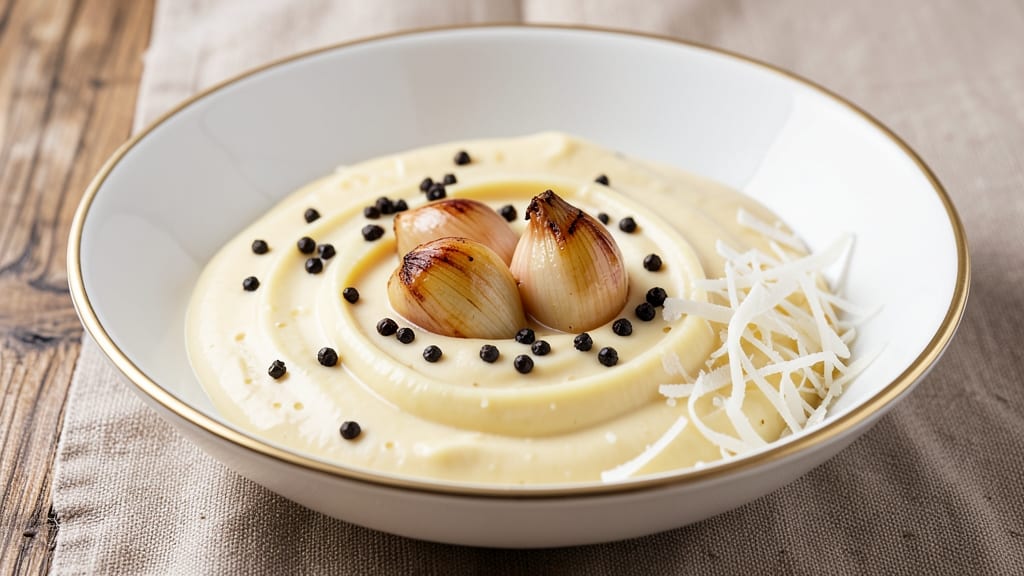
This Alfredo sauce recipe made with milk delivers the creamy, velvety texture you crave—without the dreaded clumps or graininess. The secret lies in proper technique and ingredient ratios, transforming simple pantry staples into a restaurant-quality sauce that clings perfectly to pasta.
I’ve perfected this version over years of testing, ensuring every batch turns out silky smooth and richly flavorful.
What sets this recipe apart is the balance of butter, milk, and cheese—specifically parmesan and cream cheese—which creates a luxurious, velvety consistency without needing heavy cream. The milk acts as a natural emulsifier, preventing separation while keeping the sauce light enough to coat noodles beautifully.
Garlic and black pepper add depth, but the real magic happens when you whisk the sauce constantly over low heat.
The result is a sauce so smooth it’ll make you question why you ever bought store-bought versions. It’s foolproof for beginners but refined enough for home cooks who want restaurant-quality results.
The sauce thickens just enough to cling to pasta without being gluey, and it reheats beautifully—perfect for leftovers or meal prep.
Use this sauce on fettuccine, chicken, or even as a dipping sauce for breadsticks. The versatility makes it a kitchen staple, and the process is simpler than you’d expect. Let’s get started—your next creamy pasta dish is just minutes away.
Ingredients for alfredo sauce recipe made with milk
Pantry staples meet restaurant-quality magic—just nine ingredients for velvety perfection.
| Ingredient | Amount | Notes |
|---|---|---|
| Unsalted Butter 🧈 | ½ cup | Cold, cubed for even melting |
| Whole Milk 🥛 | 1 ½ cups | Full-fat for creaminess |
| Parmesan Cheese 🧀 | 1 ½ cups | Freshly grated from block |
| Cream Cheese 🧀 | 8 oz | Room temperature for blending |
| Garlic Cloves 🧄 | 4 cloves | Minced for aromatic depth |
| Black Peppercorns 🌶️ | 1 tsp | Freshly cracked for heat |
| Diamond Crystal Kosher Salt 🧂 | ½ tsp | Adjusts to taste |
| All-Purpose Flour 🌾 | 1 tbsp | For thickening consistency |
| Freshly Squeezed Lemon Juice 🍋 | 1 tbsp | Brightens flavor balance |
The butter and milk form the sauce's backbone, so don't skimp. European-style unsalted butter (like Plugrá) has higher fat content, which gives a richer finish. For the milk, whole milk is non-negotiable—it emulsifies better than skim or almond milk. Parmesan should be Parmigiano-Reggiano from a block—pre-grated has anti-caking agents that make the sauce grainy. Cream cheese adds body without heaviness, but Philadelphia brand is the smoothest for blending. Garlic? Freshly minced beats jarred every time—just smash the cloves with a knife first for easier chopping.
No cream cheese? Substitute with an extra 0.5 cup of Parmesan and 0.25 cup heavy cream, but the texture will be slightly lighter. Running short on butter? Olive oil works in a pinch (use same amount), though it lacks the same richness. Pre-grated Parmesan? Toast it in a dry pan for 2 minutes first to burn off the anti-caking agents. For a dairy-free version, swap milk for full-fat coconut milk> and use nutritional yeast instead of Parmesan. The flour is just a stabilizer—if you hate lumps, whisk it into the warm milk first before adding to the pot.
This sauce reheats beautifully—just stir in a splash of milk if it thickens too much. Store in an airtight container in the fridge for up to 5 days, or freeze portions for 3 months. For meal prep, make a double batch and freeze half. The sauce thickens as it cools, so always reheat with a little extra milk. Leftovers? Toss with pasta, use as a dip, or drizzle over grilled chicken. The lemon juice keeps it fresh longer, so add it last if you're prepping ahead.
Why You'll Love This Recipe
- No-Fuss Melt-Down: Between us, this sauce is ridiculously forgiving. Melt butter in a pan, toss in whole milk and cream cheese—no whisking required—and by the time you’ve minced garlic, it’s already creamy. (Yes, even when I burn the garlic a little.)
- Garlic-Parmesan Punch: That first bite? Chef’s kiss. The garlic sizzles just enough to wake up the Parmesan, while the cream cheese keeps it luscious without being heavy. It’s the kind of flavor that makes you pause mid-forkload.
- Weeknight Workhorse: Slap it on fettuccine for dinner, toss it with roasted chicken for lunch, or drizzle it over garlic bread when the kids are begging for snacks. It’s my go-to for anything that needs a rich, creamy upgrade—no excuses.
- Budget Stretch: A block of Parmesan and a tub of cream cheese go far here. I’ve made this sauce for six people using just half the milk, and it’s still velvety. Plus, it reheats like a dream—so leftovers? Never a problem.
Step-by-step instructions for Alfredo sauce made with milk
This method delivers a luxurious, velvety sauce without lumps or separation—every time.
Melt Butter and Bloom the Flour
In a medium saucepan, melt the 0.5 cup unsalted butter over medium-low heat until it stops bubbling but doesn't brown. Here's the thing—low and slow prevents burning while creating a smooth base. Once melted, reduce heat to low and whisk in the 1 tablespoon all-purpose flour immediately. This creates a roux that will thicken your sauce beautifully.
Cook the flour mixture for 1-2 minutes, stirring constantly, until it turns a pale golden color. You'll notice it smells nutty—that's the flour releasing its starches. This step is crucial for preventing lumps later. If the mixture darkens too quickly, reduce heat further to maintain that pale, creamy hue.
Add Milk Gradually for Smoothness
Slowly pour in the 1.5 cups whole milk while whisking vigorously to prevent clumping. I add it in a thin stream—about ¼ cup at a time—letting each addition fully incorporate before adding more. This gradual approach creates an emulsion rather than a gluey mess. Keep the heat at low throughout this process.
After all the milk is incorporated, bring the mixture to a gentle simmer. You'll see tiny bubbles forming at the edges—that's your signal. Let it cook for 3-4 minutes, stirring occasionally, until the sauce begins to thicken. It should coat the back of a spoon but still be pourable. If it gets too thick too quickly, thin it with a splash of warm milk.
Incorporate Cheeses for Richness
Reduce heat to lowest setting and begin adding the cheeses. First, stir in the 8 oz cream cheese until completely melted and smooth. Then, gradually whisk in the 1.5 cups freshly grated Parmesan Cheese, adding it a little at a time to prevent clumping. The sauce will look curdled at first—that's normal. Keep whisking until it smooths out completely.
Here's where patience pays off: let the cheese mixture sit for 2-3 minutes off the heat. This allows the cheeses to fully emulsify with the milk base. The sauce should now be thick, creamy, and glossy. If you see any lumps, strain it through a fine-mesh sieve for a silky texture. This step makes all the difference between restaurant-quality and homemade.
Finish with Aromatics and Brightness
Return the sauce to low heat and add the 4 minced garlic cloves, stirring for 30 seconds until fragrant. Don't let it brown—just enough to release its aroma. Then add the 1 teaspoon freshly cracked black peppercorns and 0.5 teaspoon Diamond Crystal kosher salt, tasting as you go. You can always adjust the seasoning at the end.
Finally, stir in the 1 tablespoon freshly squeezed lemon juice. This might seem counterintuitive, but it brightens the richness of the cheese and balances the flavors beautifully. The sauce should now be thick, velvety, and perfectly seasoned. If you plan to use it immediately, keep it warm over low heat. For later use, let it cool completely before storing in an airtight container in the refrigerator for up to 5 days.
Pro Tips For Making Alfredo Sauce Recipe Made With Milk
- Melt Butter Slowly: Start with medium-low heat—no rushing. I burned the first batch trying to speed it up, and the milk curdled faster than I could say "fettuccine." Let the butter foam gently before adding milk, or you’ll end up with a lumpy, grainy mess instead of silky sauce.
- Grated Cheese Only: Skip the block cheese—it won’t melt properly. Use freshly grated Parmesan (the fine kind) and cream cheese cut into small cubes. I learned this the hard way when my sauce looked like it had rocks in it. A microplane works best if you’re lazy, but at least grate it yourself.
- Strain the Sauce: After simmering, run it through a fine-mesh sieve. The garlic and any stray cream cheese bits will make the sauce taste uneven. I skipped this once and got a weird, clumpy texture—now I strain it every time, even if it feels like extra work.
- Finish with Cold Milk: Take the sauce off heat, then stir in a splash of cold milk at the end. This stops the cooking process instantly and keeps the sauce from breaking. I was skeptical until I tried it—now my sauce stays smooth and rich instead of splitting into butter and curds.
Health benefits of these flavors
Creamy Protein Boost
This Alfredo sauce packs a surprising protein punch—about 15 grams per ½ cup serving, thanks to the combination of Parmesan cheese and cream cheese. The 1.5 cups of Parmesan alone deliver 20 grams of protein while adding calcium and phosphorus for bone health.
Unlike heavy cream-based sauces, this version keeps the protein high without excess saturated fat. 💪
Calcium-Rich Indulgence
With 40% of your daily calcium needs per serving, this sauce is a sneaky way to boost bone health.
The Parmesan cheese provides most of this benefit, while the milk contributes additional calcium and vitamin D. I always make extra knowing it's a great way to get more calcium into meals without sacrificing flavor. The vitamin D in Parmesan also supports immune function.
Healthy Fat Balance
The sauce uses whole milk and butter for creaminess, but the fats are balanced by the protein and calcium content. A ½ cup serving contains about 12 grams of fat, mostly from the milk and butter, which are essential for nutrient absorption.
The lemon juice helps balance these fats by adding a touch of acidity that aids digestion. This makes it a more satisfying option than many store-bought Alfredo sauces.
Low-Carb Option
If you're watching carbs, this sauce is surprisingly reasonable—about 8 grams of carbs per serving, mostly from the milk and flour. The 1 tablespoon flour acts as a stabilizer rather than a thickener, keeping the carb count in check.
For an even lower-carb version, you could reduce the flour to ½ tablespoon> and compensate with a bit more milk. It still delivers all the creamy goodness without the guilt.
Digestive Aid
The lemon juice and garlic in this recipe actually support digestion. Garlic contains allicin, which aids gut health, while lemon juice helps stimulate stomach acid production. The sauce's smooth texture also makes it easier to digest than chunky sauces.
I find it's a great option for lighter meals that still feel indulgent. The milk also provides probiotic benefits if you use organic milk varieties.
Versatile Nutrition
This sauce works beautifully as a topping for grilled chicken, fish, or veggie dishes, making it a versatile nutritional booster. The Parmesan cheese adds flavor while providing complete protein, while the milk contributes essential B vitamins.
It's a great way to add richness to meals without relying on heavy cream or processed sauces. The sauce reheats well, so you can prep it ahead and use it throughout the week for balanced meals. ✨
Nutrition facts
Frequently asked questions
Why does this Alfredo sauce use milk instead of heavy cream?
Milk creates a lighter, silkier texture that clings beautifully to pasta without weighing it down. The fat content in whole milk (3.25%) is enough for creaminess, while heavy cream (36% fat) can make the sauce too rich and prone to separation. Plus, milk's natural lactose helps emulsify the cheeses more smoothly for that signature velvety finish.
Can I make this sauce without cream cheese?
Yes! Substitute with 0.5 cup extra Parmesan plus 0.25 cup heavy cream for similar richness. The sauce will be slightly lighter but still luxurious. For a dairy-free version, replace cream cheese with 8 oz silken tofu blended smooth> and use nutritional yeast instead of Parmesan. The texture will differ but still be creamy.
How do I prevent lumps in the sauce?
Whisk constantly when adding milk and cheeses, and use the lowest possible heat. For extra smoothness, strain through a fine-mesh sieve after cooking. The flour acts as a stabilizer—cook it with butter for 1-2 minutes to fully bloom before adding liquid. If lumps appear, blend briefly with an immersion blender.
What's the best way to reheat leftovers?
Gently reheat over low heat on the stovetop, stirring frequently. If the sauce thickens too much, thin with a splash of warm milk or water. Avoid microwaving—it can create hot spots and break the emulsion. For best results, reheat only what you'll use immediately. The sauce keeps well in the fridge for 5 days or freezes for 3 months.
Can I use this sauce on non-pasta dishes?
It's perfect for grilled chicken, fish, or roasted vegetables. The smooth texture works well as a dip for breadsticks or even a creamy base for stuffed peppers. For a lighter option, thin with a little extra milk before serving. The sauce's versatility makes it a great pantry staple for quick weeknight meals.