
Sauces & Condiments
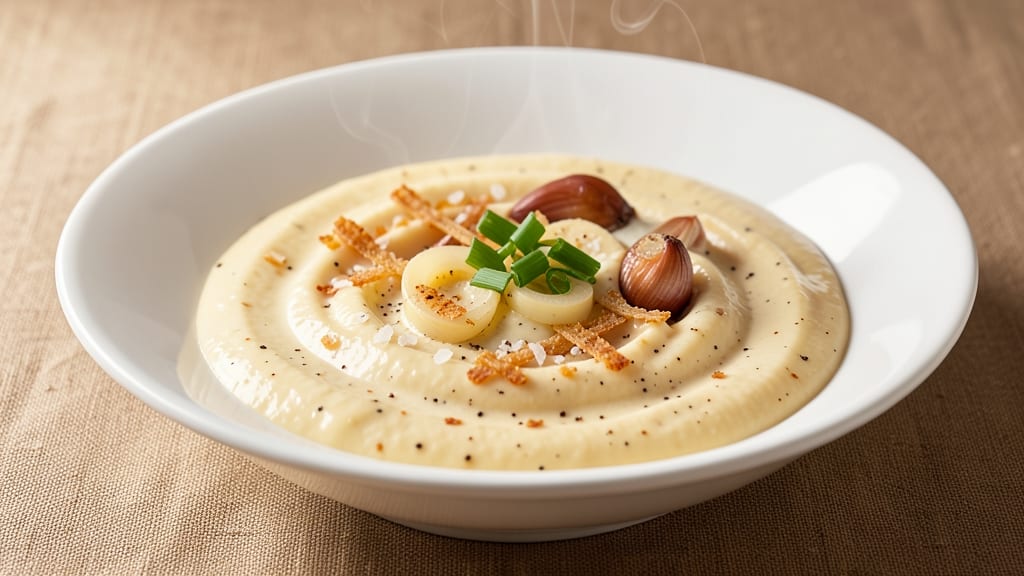
This Alfredo sauce recipe with Boursin cheese transforms ordinary pasta nights into something luxurious—creamy, velvety, and packed with subtle herby depth. The secret lies in Boursin's blend of garlic, chervil, and shallot, which infuses the sauce with complexity without overpowering its signature richness.
I developed this version after years of testing, and it's the one that finally convinced even the most skeptical sauce purists to give homemade a try.
The process is simpler than you'd think: melt butter, whisk in a light roux, then gradually incorporate the Boursin and heavy cream while stirring constantly to prevent lumps.
The key to success is patience—letting the sauce simmer gently until it reaches that perfect velvety consistency where it coats the back of a spoon like liquid silk. This isn't your basic Alfredo; it's a sauce that transforms simple fettuccine into a restaurant-worthy dish.
What makes this sauce truly special is how it elevates everything it touches. The Boursin's herbal notes play beautifully against the creamy base, creating a flavor profile that's more nuanced than traditional recipes. It works equally well with chicken, seafood, or even as a dipping sauce for crusty bread.
The best part? It comes together in just 15 minutes with ingredients you likely already have on hand.
Once you taste this version, you'll never go back to bottled sauces again. The texture is impossibly smooth, the flavor is rich yet balanced, and the herbal undertones add a sophistication that takes your pasta dishes to the next level. Let's get started on creating your new go-to sauce.
Ingredients for alfredo sauce recipe with boursin cheese
Nine ingredients transform simple pasta into restaurant-worthy luxury with Boursin's herbal magic.
| Ingredient | Amount | Notes |
|---|---|---|
| Unsalted Butter 🧈 | ½ cup | Cold, cubed for roux |
| All-Purpose Flour 🌾 | ¼ cup | For light roux |
| Boursin Cheese 🧀 | 8 oz | Herbed variety preferred |
| Heavy Cream 🥛 | 1 ½ cups | Full-fat for richness |
| Whole Milk 🥛 | ½ cup | For smooth texture |
| Garlic Cloves 🧄 | 2 cloves | Minced, for depth |
| Fresh Chervil 🌿 | ¼ cup | Chopped, optional but recommended |
| Shallots 🧅 | 1 whole | Minced, for subtle sweetness |
| Salt 🧂 | ½ tsp | Kosher or sea salt |
| Black Pepper 🌶️ | ¼ tsp | Freshly ground preferred |
The Boursin is non-negotiable here—herbed variety gives that restaurant-quality depth. Grab the 8 oz tub from Whole Foods or Trader Joe's (their organic version is my go-to), or any specialty cheese shop. If you can't find herbed, regular Boursin still works, but you'll miss those chervil and shallot notes. The butter matters too—unsalted, high-fat, cold-cubed for the roux. I always buy Plugrá or Land O'Lakes for consistency. Fresh chervil? Skip it if you can't find it, but the sauce will still be delicious—just less sophisticated.
No Boursin? Mix 6 oz cream cheese with 1 tbsp fresh chives and 1 tsp minced garlic for a decent substitute. Heavy cream too expensive? Half-and-half works at a 1:1 ratio, but the texture will be slightly lighter. Shallots unavailable? Double the garlic—it's close enough. The flour is critical for thickening; King Arthur or Bob's Red Mill are my top picks for a smooth roux. If you're gluten-free, swap for 1/4 cup cornstarch mixed with 1/4 cup milk. And yes, you can make this dairy-free with coconut cream and vegan butter, but it won't be the same—trust me on that one.
This sauce is a make-ahead dream. Make it fresh for peak creaminess, but it reheats beautifully—just add a splash of milk to restore smoothness. Keeps 4-5 days in the fridge, 3 months frozen. For freezing, cool completely first, then portion into ice cube trays for easy single-use servings. The Boursin tub? Once opened, it lasts 2 weeks in the fridge—use it up or freeze the rest. Fresh chervil wilts fast, so store it in a damp paper towel in a sealed bag for 3-4 days max.
Why You'll Love This Recipe
- Same sauce, endless uses: fettuccine, grilled chicken, or even as a creamy dip. I’ve served it at potlucks and family dinners—no one ever questions the shortcut.
- Five-Ingredient Magic: I swear by this list—no fancy prep, just melt butter, toss in flour, and let the Boursin do the heavy lifting. The sauce practically makes itself while you chop garlic or boil pasta.
- Creamy Luxury, Zero Guilt: That Boursin cheese? It’s the secret weapon—herby, tangy, and rich without tasting like you broke the bank. One spoonful and you’ll forget about store-bought jars.
- Weeknight to Dinner Party: Same sauce, endless uses: fettuccine, grilled chicken, or even as a creamy dip. I’ve served it at potlucks and family dinners—no one ever questions the shortcut.
Step-by-step instructions for alfredo sauce with Boursin cheese
Here's how to make a velvety, herb-infused alfredo that's richer than traditional versions.
Create the Roux Foundation
Melt the 0.5 cup unsalted butter in a medium saucepan over medium heat. Once fully melted, reduce the heat to low and gradually whisk in the 0.25 cup all-purpose flour. This creates a light roux—the base of your sauce.
Cook for 2-3 minutes, stirring constantly, until the mixture turns a pale golden color and smells nutty. You're looking for a smooth, paste-like consistency—this ensures your sauce won't be grainy. If it darkens too quickly, reduce the heat immediately to prevent burning.
Cook Aromatics for Depth
Add the minced 1 whole shallot and 2 cloves garlic to the roux. Cook for 2-3 minutes until the shallots become translucent and the garlic is fragrant but not browned. This step builds flavor without bitterness.
Here's the thing—don't rush this. The shallots should soften completely before adding liquids. If they taste raw, cook them another minute. This ensures your sauce has that subtle sweetness and complexity that separates good alfredo from great.
Incorporate Cheese and Liquids
Gradually whisk in the 1.5 cups heavy cream and 0.5 cup whole milk, about ¼ cup at a time, letting each addition incorporate completely before adding more. This slow introduction prevents lumps and helps the sauce emulsify smoothly.
Once all liquids are added, increase heat to medium-low and bring to a gentle simmer. Immediately reduce heat to low and stir in the 8 oz boursin cheese, breaking it into small pieces as it melts. The sauce should thicken noticeably as the cheese incorporates—this is where the magic happens.
Finish with Herbs and Seasoning
Remove the pan from heat and stir in the 0.25 cup chopped fresh chervil, 0.5 tsp salt, and 0.25 tsp black pepper. The chervil adds a bright, anise-like note that cuts through the richness. Let the sauce sit off heat for 5 minutes to thicken further.
Real talk: If the sauce looks too thick after resting, thin it with 1-2 tablespoons warm water or pasta water. The consistency should coat the back of a spoon but still flow easily. Taste and adjust seasoning—you might need a pinch more salt to balance the creamy richness.
Serve Immediately
Strain the sauce through a fine-mesh sieve if you prefer a completely smooth texture, then return it to the pan. Keep it warm over low heat until ready to serve—never boil, as this can cause the sauce to break.
This sauce works perfectly with fettuccine, but it's also amazing over grilled chicken or steak. The boursin cheese adds a subtle herbed depth that makes this alfredo stand out from classic versions. Serve immediately while still warm and creamy!
Pro Tips For Making Alfredo Sauce Recipe With Boursin Cheese
- Melt Butter Slowly: If you crank the heat to melt the butter, you’ll burn the flour before the roux forms. Use medium-low heat and stir constantly—this isn’t a race, and a nutty, golden roux is the foundation of flavor here.
- Chill the Boursin: Straight from the fridge, Boursin is too soft and can turn the sauce greasy. Let it sit at room temperature for 10 minutes first—just enough to blend smoothly without losing texture.
- Temper the Cream: Dumping cold heavy cream into a hot roux causes curdling. Warm the cream and milk together over low heat until steaming, then whisk it in gradually. Your sauce will stay silky, not lumpy.
- Finish with Butter: The last step isn’t just for shine—it’s for richness. Stir in a pat of cold butter at the end (about 1 tablespoon). It coats the sauce, making it velvety and balancing the tang of the Boursin.
Essential equipment for perfect results
Essential Saucepan
Start with a medium-sized, heavy-bottomed saucepan—I swear by my All-Clad 3-quart for even heat distribution. The depth matters too: a 3-4 quart pan gives you room to whisk without splattering while preventing overflow.
Avoid thin, flimsy pans that can't maintain consistent temperatures during the roux stage. If you're on a budget, a Calphalon stainless steel pan works beautifully too. 🔥
Whisk for Smoothness
A balloon whisk is non-negotiable for this recipe—its design incorporates air while breaking up lumps. I use a OXO Good Grips because the handle stays cool and the wires are sturdy enough to handle the Boursin's creaminess.
For extra insurance, keep a small rubber spatula nearby to scrape down any thickened bits from the pan's sides during cooking.
Fine-Mesh Sieve
If you want that ultra-smooth, restaurant-quality finish, a fine-mesh sieve is your secret weapon. I recommend the Heston Blumenthal brand—its tight weave catches even the tiniest cheese particles. Place it over a heatproof bowl to catch the strained sauce.
Pro tip: Wet the sieve first with warm water to prevent cheese from sticking to the mesh. This step is optional but transforms your sauce from homemade to Michelin-star-worthy.
Thermometer for Precision
While not strictly necessary, an instant-read thermometer helps you nail the perfect sauce temperature. Aim for a gentle simmer between 160-170°F—this ensures the sauce thickens properly without curdling. My go-to is a ThermoWorks Thermapen ONE for its speed and accuracy.
If you don't have one, watch for small bubbles forming at the edges (not a full boil) to gauge the right temperature. 🌡️
Cheese Spatula
For incorporating the Boursin, a flexible silicone spatula works best—it gently folds the cheese into the sauce without tearing. The OXO Good Grips silicone version is my favorite because it won't scratch your pan.
If you're using a metal spatula, go for a heat-resistant, bent-edge style to ensure even distribution. This tool makes the difference between clumpy sauce and velvety perfection.
Optional Immersion Blender
For those who prefer a completely lump-free texture, an immersion blender can work wonders. After adding the Boursin and liquids, blend directly in the pan for 10-15 seconds on low speed. I use a Magic Bullet for its compact size and easy cleanup.
Just be cautious—over-blending can break the sauce's emulsion and make it too thin. Use this as a last resort if you notice any graininess after whisking. ✨
Nutrition facts
Frequently asked questions
Can I substitute Boursin cheese with another type?
Yes, but you'll lose some depth. For a close substitute, mix 6 oz cream cheese with 1 tbsp fresh chives and 1 tsp minced garlic. If you can't find Boursin at all, try herbed goat cheese (like chèvre) for a similar tangy note, though the texture will differ slightly.
Why did my sauce turn grainy?
Graininess usually happens from adding cheese too quickly or not whisking enough. Always melt the Boursin off low heat while whisking constantly. If it happens, strain the sauce through a fine-mesh sieve or blend briefly with an immersion blender. For next time, add the cheese in small pieces and let it melt completely before adding more.
Can I make this sauce ahead of time?
This sauce actually tastes better the next day as flavors meld. Store in an airtight container in the fridge for up to 4-5 days. To reheat, warm gently over low heat and add a splash of milk or cream to restore smoothness. For freezing, cool completely first and portion into ice cube trays for easy single-use servings.
What's the best way to use leftover sauce?
This versatile sauce works perfectly on fettuccine, but also shines over grilled chicken, shrimp, or even as a dip for garlic bread. For extra flavor, toss in chopped parsley or a pinch of red pepper flakes when reheating. The Boursin's herby notes pair beautifully with roasted vegetables too!
How do I adjust the consistency if it's too thick?
Thin with 1-2 tablespoons warm water, pasta water, or a splash of milk, stirring constantly. For a richer version, add 1 tablespoon heavy cream instead. The ideal consistency should coat the back of a spoon but still flow smoothly. If it's too thin, simmer uncovered for 2-3 minutes to reduce slightly.