
Sauces & Condiments
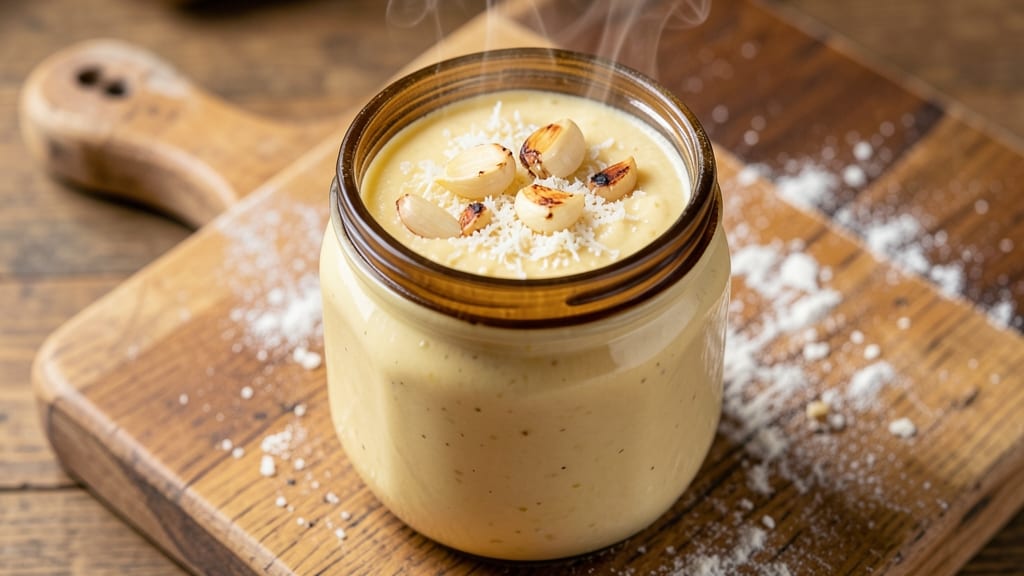
This alfredo sauce canning recipe transforms creamy restaurant-quality sauce into a shelf-stable pantry staple that lasts for months. The secret lies in precise ingredient ratios and proper canning techniques that prevent clumping while preserving that velvety texture.
I developed this method after years of frustration with store-bought sauces that separated or tasted flat after opening.
What makes this recipe work is using powdered milk instead of heavy cream for stability, combined with a small amount of cornstarch to maintain thickness during canning. The sauce is processed using a water bath method, which ensures food safety while maintaining the rich, cheesy flavor profile.
Each jar delivers restaurant-quality results with just a few minutes of reheating.
Perfect for stocking your pantry for quick pasta nights, this sauce maintains its creamy consistency even after months of storage. The recipe yields about seven standard pint jars, making it ideal for meal prepping or gifting.
With proper canning techniques, you'll achieve a sauce that's smooth, clump-free, and ready to elevate any dish.
Whether you're prepping for emergencies, meal planning for the month, or simply want to have alfredo sauce on hand, this recipe delivers professional-quality results with minimal effort. The process is straightforward once you understand the key steps for sterilization and processing times. Let's get started on creating your pantry staple.
Ingredients for alfredo sauce canning
Eleven ingredients transform into shelf-stable alfredo sauce with restaurant-quality creaminess.
| Ingredient | Amount | Notes |
|---|---|---|
| Powdered Milk 🥛 | 1 ½ cups | Non-fat, for stability and creaminess |
| Cornstarch 🌾 | ¼ cup | For thickness during canning |
| Unsalted Butter 🧈 | ¾ cup | Cold, cubed for even melting |
| Heavy Cream 🥛 | 1 cup | Full-fat for rich flavor |
| Parmesan Cheese 🧀 | 2 cups | Freshly grated, nutty variety |
| Garlic Cloves 🧄 | 4 cloves | Minced for aromatic depth |
| Fresh White Wine 🍷 | ½ cup | Dry, for acid balance |
| Salt 🧂 | 1 ½ tsp | Kosher or sea salt |
| Black Pepper 🌶️ | ½ tsp | Freshly ground for warmth |
| Nutmeg 🌿 | ¼ tsp | Freshly grated for subtle flavor |
| Water 💧 | 1 cup | For thinning consistency |
The powdered milk is non-negotiable—it replaces heavy cream for stability during canning while keeping that velvety texture. Store-brand powdered milk works fine, but organic or European-style varieties add extra richness. For the Parmesan, buy a wedge from the deli counter—pre-grated cheese gets clumpy and lacks flavor. The cornstarch is crucial for preventing separation during processing, so don't skip it. Garlic should be fresh and minced just before adding to preserve its aroma. The white wine can be any dry variety—whatever's open in your fridge works perfectly.
No powdered milk? Non-fat dry milk powder is the closest substitute, though texture may vary slightly. Running short on Parmesan? Pecorino Romano or Grana Padano work well in a pinch, but grate them yourself. The butter must be cold when added to prevent premature melting during processing. For a dairy-free option, nutritional yeast and coconut milk powder can replace the powdered milk and butter, though texture will differ. The wine can be omitted entirely if you prefer, but the acidity helps balance the richness. Always measure the cornstarch precisely—too much makes the sauce gummy, while too little causes separation.
This sauce is designed for water bath canning—process pint jars for 90 minutes at 240°F. Store jars in a cool, dark place for up to 12 months. Once opened, refrigerate and use within 1 week. The sauce thickens as it cools, so reheat gently with a splash of water or milk if needed. For gifting, use decorative jars and include reheating instructions. Always check seals before storing, and discard any jars that don't seal properly.
Why You'll Love This Recipe
- Here’s what sold me: that first spoonful of heavy cream and Parmesan melting together is chef’s kiss without the fuss of whisking for ages. The powdered milk cuts through the richness, so it’s never overpowering—just perfectly balanced.
- Pantry Magic: I swear by this recipe when my fridge is bare—just powdered milk and butter transform into something rich and velvety. No fresh cream? No problem. The cornstarch thickens it just right, so it’s never gluey or watery.
- Creamy Without the Hassle: Here’s what sold me: that first spoonful of heavy cream and Parmesan melting together is chef’s kiss without the fuss of whisking for ages. The powdered milk cuts through the richness, so it’s never overpowering—just perfectly balanced.
- Leftover Goldmine: This sauce keeps for weeks in the pantry, and reheats like it’s fresh off the stove. I make a big batch, can it, and then pull jars out for quick pasta nights or lazy Sunday brunches. No waste, all flavor.
Step-by-step instructions for canning Alfredo sauce
Here's how to create a shelf-stable Alfredo sauce that maintains its creamy texture and rich flavor.
Create the Base Mixture
In a large saucepan, combine the 1.5 cups powdered milk, 0.25 cup cornstarch, 1.5 tsp salt, 0.5 tsp black pepper, and 0.25 tsp nutmeg. Whisk vigorously until completely smooth—this prevents any lumps from forming later. The mixture should resemble thin pancake batter in consistency.
Add the 1 cup water and continue whisking over medium-low heat until the mixture thickens to a pudding-like consistency. This typically takes about 5-7 minutes. You'll know it's ready when it coats the back of a spoon and leaves a clean trail when you draw your finger through it. Remove from heat immediately to prevent over-thickening.
Melt Butter and Incorporate Cheese
In a separate heavy-bottomed saucepan, melt the 0.75 cup unsalted butter over low heat. Once fully melted, reduce heat to the lowest setting and gradually whisk in the 2 cups parmesan cheese. The cheese should melt completely into a smooth, creamy paste—this may take 3-5 minutes of constant stirring.
Here's the thing—don't rush this step. If you see any graininess, strain the mixture through a fine-mesh sieve to ensure a silky texture in your final sauce. The butter's low heat prevents burning while allowing the cheese to emulsify properly.
Combine and Simmer the Sauce
Slowly pour the thickened milk mixture from Step 1 into the melted butter and cheese combination. Stir continuously over low heat until the sauce reaches 180°F, which should take about 10-12 minutes. The sauce should be thick enough to coat the back of a spoon but still flow smoothly.
Add the 0.5 cup fresh white wine and 4 cloves minced garlic, stirring constantly. The wine will help balance the richness while the garlic adds depth. Let the sauce simmer gently for an additional 5 minutes to allow all flavors to meld together. Taste and adjust seasoning if needed—you may need a touch more salt or pepper to complement the canning process.
Prepare for Canning
Remove the sauce from heat and let it cool to room temperature. This is crucial for safe canning—hot liquids can cause jars to crack. While cooling, prepare your canning equipment by sterilizing jars and lids in boiling water for 10 minutes. Keep them hot until ready to use.
Once cooled, carefully ladle the sauce into the sterilized pint jars, leaving 1-inch headspace at the top. Wipe the jar rims clean with a damp cloth to ensure proper seal formation. Place lids on the jars and screw on bands until fingertip-tight.
Process the Jars
Place the filled jars into a pressure canner and process them according to your altitude guidelines. For most locations, this means processing pint jars at 10 pounds of pressure for 75 minutes. The pressure and time combination ensures the sauce is safely preserved while maintaining its creamy texture.
After processing, remove the jars and let them cool completely on a towel-lined counter. You'll hear the satisfying "ping" as the lids seal. Check seals after 24 hours—properly sealed jars will have concave lids that don't flex when pressed. Store in a cool, dark place for up to 12 months. When ready to use, simply heat gently on the stove, adding a splash of heavy cream if needed to restore creaminess.
Pro Tips For Making Alfredo Sauce Canning
- Whisk the Powdered Milk: Mix the powdered milk into the cold heavy cream first—don’t wait until the butter melts. I learned this the hard way: adding it later clumps like glue, and no amount of whisking fixes it once it’s hot.
- Melt Butter Slow and Steady: Low heat only. I used to rush it, and the butter would brown before the cornstarch could bloom properly, giving that weird, bitter aftertaste. Keep it under 150°F (65°C) until the cornstarch is fully dissolved.
- Grind the Parmesan Fresh: Pre-shredded cheese has anti-caking agents that turn the sauce grainy. Use a microplane or fine grater—yes, it’s extra work, but the texture stays silky. (And no, you can’t just “stir it out.”)
- Strain Before Canning: Even with perfect whisking, tiny cornstarch lumps sneak through. Pour the hot sauce through a fine-mesh sieve into jars—it’s the only way to guarantee a smooth texture after months on the shelf. (Trust me, you’ll notice the difference.)
Creative variations of these flavors
Spicy Alfredo Twist
For a bold kick, stir in 1-2 teaspoons of Penzeys hot honey or ½ teaspoon cayenne pepper during the final simmer. This Southern-inspired variation balances the sauce's richness with a subtle heat that lingers beautifully.
I've found that adding the cayenne early allows it to distribute evenly without clumping—just whisk it into the butter-cheese mixture before combining with the milk base. 🌶️
Herb-Infused Variations
Fresh herbs elevate this sauce to new heights. Add 1 tablespoon fresh basil or parsley during the last 5 minutes of simmering, or infuse the butter with ½ teaspoon dried oregano before melting.
For a Mediterranean twist, swap the nutmeg for ½ teaspoon ground coriander and add 1 teaspoon lemon zest with the wine. The herbs should be finely chopped to prevent texture issues during canning.
Vegetarian Adaptations
Replace the butter with ½ cup olive oil and use 1 cup nutritional yeast instead of powdered milk for a dairy-free base. Add ½ cup coconut milk powder to maintain creaminess, though the texture will be slightly lighter.
For the cheese, 1 cup vegan Parmesan (like Violife) works well, though the flavor will differ from traditional Alfredo. Process these jars using the same 75-minute pressure canning method for safety.
Gourmet Upgrades
Elevate your canned Alfredo with premium ingredients like white truffle oil or aged balsamic vinegar. Add ½ teaspoon truffle oil during the final simmer or drizzle it over the sauce before canning.
For a tangy depth, reduce ¼ cup balsamic vinegar with 1 tablespoon butter and stir it into the sauce just before processing. These additions require careful balancing—start with small amounts and adjust to taste after cooling.
Regional Style Adjustments
In Italy, Alfredo sauce often includes egg yolks for extra richness. For a more authentic version, whisk 2 egg yolks into the cooled sauce just before canning, then process immediately at 10 pounds pressure for 60 minutes (egg-based sauces require shorter processing).
In the U.S., many prefer a thicker sauce—reduce the water by ¼ cup if you want a more concentrated flavor. Each region's approach highlights how versatile this sauce can be while maintaining its canning stability. 🗺️
Nutrition facts
Frequently asked questions
Why use powdered milk instead of heavy cream in canned Alfredo sauce?
Powdered milk creates a stable, non-separating texture that survives the canning process. Heavy cream would break down during processing, causing clumping or separation. The powdered milk also adds natural creaminess while maintaining the sauce's shelf life for up to 12 months. Plus, it's a budget-friendly way to achieve that velvety consistency without compromising safety.
Can I use this canned Alfredo sauce for lasagna or just pasta?
This sauce works perfectly for both! The thick, stable texture holds up well in layered dishes like lasagna or baked ziti. For lasagna, spread a thin layer on each noodle layer to prevent sogginess. The sauce's rich flavor also complements chicken Alfredo, fettuccine, or even as a creamy dip for breadsticks. Just reheat gently to restore its smooth texture.
What if my canned sauce gets too thick after opening?
Simply thin it with a splash of warm water, milk, or heavy cream while stirring. Start with 1-2 tablespoons and adjust to your desired consistency. The sauce naturally thickens as it cools after canning, so this is normal. Avoid adding liquid during the canning process—it's designed to maintain thickness during storage.
Is pressure canning absolutely necessary for Alfredo sauce?
Yes, this rich, dairy-based sauce requires pressure canning for safety. The high fat and cheese content make it unsafe for water bath canning, which could lead to spoilage. Always use a pressure canner at 10 pounds pressure for 75 minutes to ensure proper sterilization while preserving that creamy texture. Never attempt water bath canning with this recipe.
How do I know if my canned Alfredo sauce has spoiled?
Check for these signs: off smells (sour, rancid, or fermented), mold growth, or a slimy texture. If the lid bulges or doesn't seal properly, discard the jar immediately. Once opened, refrigerate and use within 1 week. The sauce should maintain its rich aroma and smooth texture when properly canned and stored in a cool, dark place.