
Sauces & Condiments
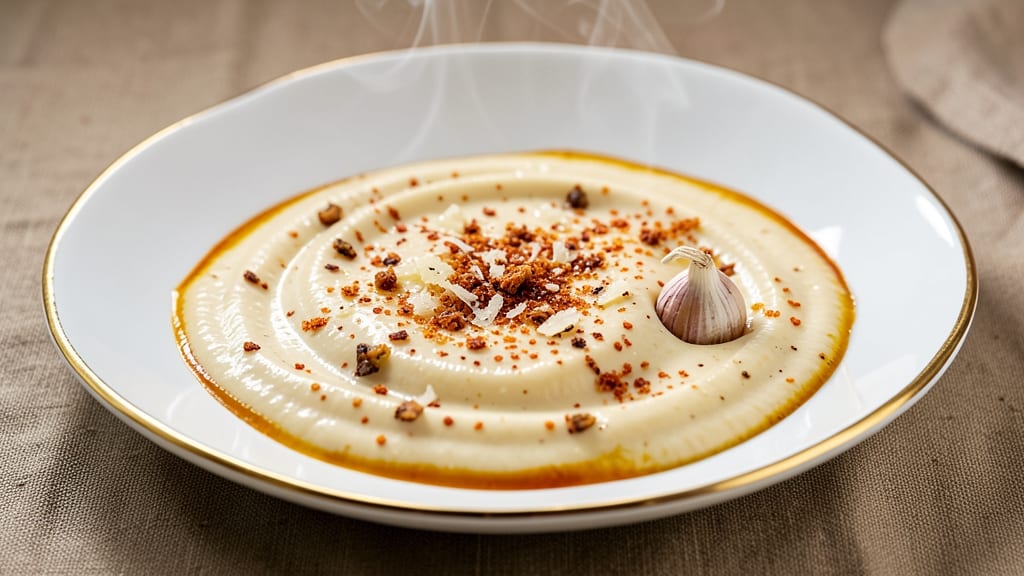
This Alfredo sauce recipe with heavy cream and parmesan cheese delivers the velvety, clingy perfection that makes every forkful unforgettable. The secret lies in proper emulsification—combining hot cream with grated cheese while stirring relentlessly until you achieve that signature silky, smooth consistency that clings to pasta like a dream.
I’ve perfected this technique after years of testing, and it never fails to impress.
What sets this sauce apart is the cream-to-cheese ratio, which creates a luxurious texture without being overly rich. Freshly grated parmesan is non-negotiable—pre-shredded versions contain anti-caking agents that prevent proper emulsification.
A pinch of nutmeg and garlic powder add depth, while a splash of pasta water ensures the sauce stays silky even after reheating.
By the time you twirl that first forkful of fettuccine through this sauce, you’ll understand why it’s a restaurant staple. The sauce clings perfectly, coating each noodle in a rich, creamy embrace that balances tangy parmesan and velvety cream.
It’s the kind of sauce that turns a simple pasta dish into an indulgent meal.
Use it immediately for restaurant-quality results, or store it in the fridge for up to 5 days—just reheat gently with a splash of milk or cream to restore its silky texture. Perfect for fettuccine, chicken, or even as a creamy dipping sauce for bread or vegetables.
Ingredients for alfredo sauce recipe with heavy cream and parmesan cheese
Nine ingredients transform into the restaurant-quality Alfredo sauce you crave.
| Ingredient | Amount | Notes |
|---|---|---|
| Heavy Cream 🥛 | 2 cups | Full-fat for maximum creaminess |
| Parmesan Cheese 🧀 | 1 ½ cups | Freshly grated from block |
| Unsalted Butter 🧈 | ½ cup | Cold, cut into small cubes |
| Garlic Cloves 🧄 | 4 cloves | Peeled and lightly crushed |
| Fresh Nutmeg 🌿 | ¼ tsp | Finely grated, fresh is best |
| Garlic Powder 🧄 | ½ tsp | For subtle depth |
| Diamond Crystal Kosher Salt 🧂 | ½ tsp | Adjust to taste |
| Freshly Ground Black Pepper 🌶️ | ¼ tsp | Freshly cracked for best flavor |
| Pasta Water 💧 | ¼ cup | Reserved from cooking pasta |
The Parmesan cheese is non-negotiable—freshly grated from a block is the only way to achieve that signature silky texture. Look for Parmigiano-Reggiano at specialty stores like Whole Foods or Eataly if you want the real deal, but a good-quality Kraft Parmesan works in a pinch. The heavy cream should be full-fat (none of that skim nonsense)—Trader Joe's or Costco always have the best prices. For the butter, European-style unsalted (like Plugrá) melts more smoothly than American brands. The garlic cloves? Fresh is essential—jarred minced garlic has no soul here.
No freshly grated Parmesan? Pecorino Romano works in a bind, though it’s tangier. Short on heavy cream? Half-and-half with a splash of whole milk gets you close, but texture will suffer. The nutmeg is key—pre-grated jars lose potency fast, so buy a whole nutmeg and grate it yourself. For garlic powder, Penzeys or McCormick brands are reliable, but any quality jarred powder will do. The pasta water isn’t just for thinning—it’s what makes the sauce cling to noodles like magic. Save a cup while cooking your pasta, then strain it through a fine-mesh sieve to remove starch.
This sauce is best used immediately, but it keeps 4-5 days in the fridge, sealed tightly with plastic wrap pressed directly on the surface to prevent a skin from forming. For longer storage, freeze in ice cube trays—thaw and reheat with a splash of milk or cream. Never boil—gentle heat is key to maintaining that velvety emulsion. The sauce thickens as it cools, so add a splash of warm milk when reheating if it seems too stiff. Leftovers? Toss with leftover pasta or use as a creamy dip for breadsticks—trust me, it’s even better the second time around.
Why You'll Love This Recipe
- Here’s what sold me: this sauce actually tastes better the next day. Store it in the fridge, and the flavors meld into something even richer. Reheat it gently, toss it with leftover veggies or chicken, and boom—you’ve got a new meal with zero extra work.
- Five-Ingredient Magic: Honestly, this sauce is the kind of recipe that makes me feel like a cooking genius—just melt butter, toss in garlic and nutmeg, then stir in heavy cream and grated Parmesan. No fancy techniques, no stress, and no measuring cups cluttering your counter.
- Rich Without Effort: That first bite of creamy, nutmeg-kissed sauce clinging to fettuccine? It’s like a warm hug in a bowl. The heavy cream gives it that velvety texture, while the Parmesan adds a sharp, salty depth that makes it impossible to stop eating.
- Weeknight & Wedding: Between us, this sauce works for everything—drizzled over pasta for a quick Tuesday dinner or elevated with truffle oil for a fancy guest night. I’ve even used it as a creamy glaze for roasted chicken. Flexible, reliable, and always a crowd-pleaser.
Step-by-step instructions for silky Alfredo sauce
Here's how to make a restaurant-quality Alfredo that clings perfectly to pasta.
Melt Butter and Bloom the Garlic
In a heavy-bottomed saucepan, melt the 0.5 cup unsalted butter over medium-low heat. I like to use cold butter cut into small cubes so it melts gradually and doesn't burn. Once fully melted, add the 4 cloves peeled and lightly crushed garlic cloves and the 0.5 tsp garlic powder. Cook for 1-2 minutes until the garlic becomes fragrant but doesn't brown—this prevents bitterness and ensures pure garlic flavor.
Watch the pan carefully. If the butter starts to foam excessively, reduce the heat slightly. The garlic should smell like fresh spring bulbs, not burnt toast. This step is your flavor foundation, so take your time here. Once the garlic is fragrant, remove the pan from heat temporarily—we'll return to it after grating the cheese.
Grate and Add the Parmesan
Using a fine microplane or box grater, freshly grate the 1.5 cups Parmesan Cheese directly into the saucepan. The key here is using freshly grated cheese from a block—pre-shredded contains anti-caking agents that prevent proper melting. As you grate, the cheese will begin to melt immediately from the residual heat in the pan.
Stir constantly for 2-3 minutes using a wooden spoon. You'll see the cheese transform from dry granules into a thick, creamy paste. The sauce will look lumpy at first, but keep stirring—those lumps will eventually disappear as the cheese fully incorporates. This is where the magic happens, creating that perfect emulsion.
Create the Emulsion with Heavy Cream
Return the pan to medium-low heat and slowly pour in the 2 cups heavy cream while whisking continuously. The sauce will begin to thicken almost immediately as the cream combines with the melted cheese. Keep whisking vigorously for 3-4 minutes until the mixture becomes smooth and glossy.
Here's the thing—if you see any lumps forming, don't panic. Simply add 1 tablespoon of the 0.25 cup pasta water at a time while whisking until smooth. The cream should coat the back of a spoon with a velvety consistency. The sauce should smell rich and nutty, with that unmistakable Parmesan aroma. If it's too thick, add more pasta water 1 tablespoon at a time until it reaches a pourable consistency.
Season and Finish the Sauce
Remove the pan from heat and stir in the 0.5 tsp Diamond Crystal kosher salt, 0.25 tsp freshly ground black pepper, and 0.25 tsp finely grated fresh nutmeg. Taste the sauce and adjust the seasoning if needed—I usually find I need a bit more salt at this stage. The nutmeg adds that classic Alfredo warmth, so don't skip it.
Return the pan to low heat and let the sauce simmer gently for 2-3 minutes to allow all the flavors to meld together. The sauce should now be silky smooth with a beautiful glossy sheen. If you're making this ahead, let it cool completely before refrigerating—it will thicken as it cools, so you may need to add a splash of pasta water when reheating.
Toss with Pasta (The Critical Final Step)
When ready to serve, bring the sauce back to a gentle simmer over low heat. Add the drained pasta directly to the saucepan and toss immediately with tongs. The residual heat from the pasta will help create that perfect cling. If the sauce becomes too thick as it absorbs into the pasta, add the remaining 0.25 cup pasta water 1 tablespoon at a time until you achieve that perfect creamy consistency.
Serve immediately while the sauce is still hot. The pasta should be completely coated with a glossy, velvety layer of sauce that clings perfectly to each strand. Each bite should deliver that rich, creamy texture with a perfect balance of salty, nutty Parmesan and subtle garlic warmth. This is where all your effort pays off—creamy, luxurious Alfredo that tastes like it came from your favorite Italian restaurant.
Pro Tips For Making Alfredo Sauce Recipe With Heavy Cream And Parmesan Cheese
- Bloom the Garlic: Slice those cloves thin—like paper, not coins—and let them sit in the butter for 30 seconds before stirring. I used to rush this, and the sauce always tasted raw; giving them time to soften and infuse makes the whole dish sing.
- Warm the Cream: Heat the heavy cream in the same pot over medium-low until it’s just steaming—about 110°F (43°C)—before adding the parmesan. Cold cream curdles like a stubborn child, and no one wants to fix that mid-sauce.
- Grate, Don’t Chop: Use a fine grater for the parmesan, not a cheese grater’s big holes or a knife. The finer the cheese, the smoother the sauce—no clumps, no scraping later. (Yes, even if it takes 10 seconds longer.)
- Nutmeg Last: Add the fresh nutmeg after the sauce is off the heat, just before serving. It burns faster than you think, and a little charred spice ruins the whole dish. A pinch is enough—trust me, you won’t miss the overkill.
Regional styles of this recipe
Classic Roman Style
The Roman version of Alfredo sauce is all about simplicity and letting the Parmesan cheese shine. In Rome, they often use Pecorino Romano instead of Parmesan for a sharper, tangier profile. I’ve made this version with 1 cup heavy cream instead of 2, keeping the sauce lighter but still velvety.
The key is to add 1 tablespoon of dry white wine when melting the butter—it brightens the sauce and cuts through the richness. Serve it with tonnarelli pasta or spaghetti alla chitarra for an authentic Roman experience. 🍝
Northern Italian Creaminess
Up in the northern regions like Lombardy, Alfredo sauce gets a richer twist with the addition of crème fraîche or mascarpone cheese. I blend ½ cup mascarpone into the finished sauce for a lighter, airier texture that still clings beautifully.
The locals also add a pinch of freshly grated lemon zest to balance the richness—trust me, it’s a game-changer. This version pairs perfectly with pappardelle or tagliatelle and is a staple in Milanese restaurants. 🧀
Southern Italian Twist
In the south, they take Alfredo sauce in a completely different direction by adding sun-dried tomatoes and basil. I pulse ¼ cup sun-dried tomatoes in a food processor and stir them into the finished sauce for bursts of sweetness.
Fresh basil leaves are added at the end for a vibrant, aromatic finish. This version works wonderfully with orecchiette pasta or as a creamy dip for crusty bread. The contrast of the creamy sauce with the bright, tangy tomatoes is pure Southern Italian magic. 🌿
Modern Fusion Approach
For a contemporary take, I’ve experimented with a truffle-infused Alfredo that’s become a hit at dinner parties. After melting the butter and blooming the garlic, I add 1 teaspoon of truffle oil and 2 tablespoons of finely chopped truffle (if you can find it fresh).
The earthy, umami notes elevate the sauce to gourmet status. This version pairs beautifully with fettuccine or even grilled chicken. The truffle adds depth without overpowering the creamy Parmesan base. 💫
Vegetarian-Friendly Variations
Looking for a vegan or dairy-free option? I’ve adapted this sauce using cashew cream and nutritional yeast for a rich, cheesy flavor. Replace the heavy cream with 1 cup cashew cream (blend soaked cashews with water) and use ½ cup nutritional yeast instead of Parmesan.
The texture is slightly different but still creamy and delicious. This version works perfectly with gluten-free pasta or as a creamy dip for veggie sticks. 🌱
Regional Cheese Swaps
Not a fan of Parmesan? Each region has its own cheese alternative. In Tuscany, they use Pecorino Toscano for a sharper flavor. In Veneto, Asiago cheese adds a slightly sweet, nutty note.
For a Sicilian twist, try Ragusa pecorino—it’s tangy and bold. Each cheese brings a unique character to the sauce while maintaining that signature creamy texture. Experiment to find your favorite! 🧀
Nutrition facts
Frequently asked questions
Why does my Alfredo sauce get grainy even with freshly grated cheese?
Graininess usually happens when the sauce isn't properly emulsified or if the heat is too high. Always stir constantly when adding the heavy cream, and keep the heat at medium-low. If lumps form, whisk in 1 tablespoon of pasta water at a time until smooth. Also, make sure your cheese is freshly grated—pre-shredded contains anti-caking agents that prevent proper melting.
Can I make this sauce ahead of time?
Yes! Store it in an airtight container in the fridge for up to 5 days. The sauce will thicken as it cools, so add 1-2 tablespoons of warm milk or cream when reheating. For longer storage, freeze in ice cube trays—thaw and reheat gently over low heat, stirring constantly to restore its silky texture.
What's the best pasta shape for Alfredo sauce?
Ribbon-shaped pastas like fettuccine, tagliatelle, or pappardelle work best—their flat surfaces catch the sauce beautifully. For extra cling, try tonnarelli or spaghetti alla chitarra. Avoid small shapes like penne or farfalle, as they trap sauce unevenly. The wider the noodle, the more surface area for that creamy coating!
Can I substitute heavy cream with something lighter?
You can use half-and-half (equal parts) or whole milk (with 2 tablespoons of cornstarch added to thicken), but the texture will be less rich. For the best results, stick with heavy cream—it's what creates that signature velvety emulsion. If you're watching calories, try Greek yogurt (thinned with milk) for a tangier, protein-packed alternative.
How do I fix a sauce that's too thick or too thin?
For too thick sauce: Thin with pasta water or warm milk, 1 tablespoon at a time while whisking. For too thin sauce: Simmer uncovered for 2-3 minutes to evaporate excess liquid, or stir in 1 teaspoon of cornstarch mixed with 1 tablespoon water. Always adjust gradually—you can always add more, but you can't take it out!