
Sauces & Condiments
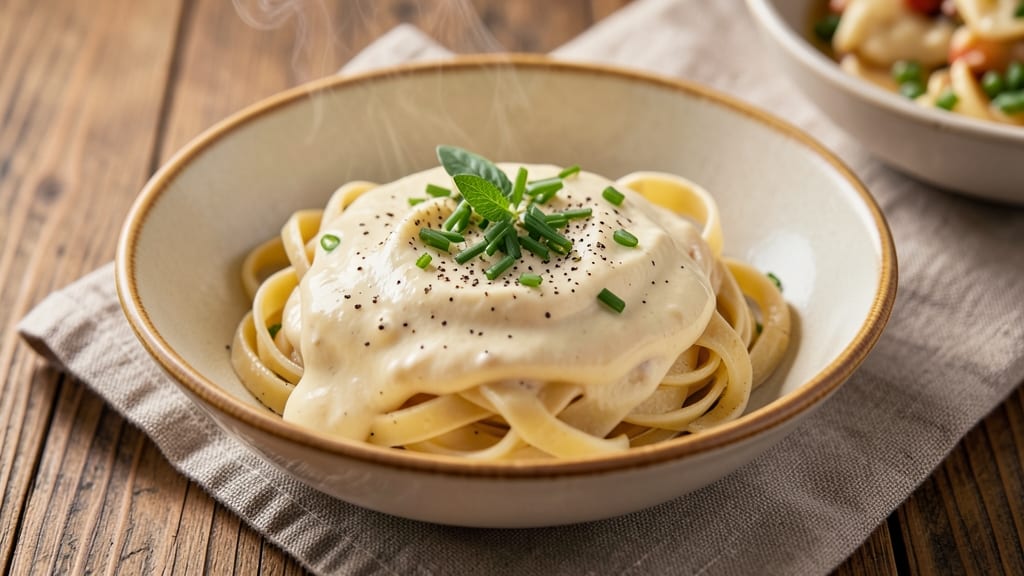
This alfredo sauce recipe using cottage cheese transforms creamy pasta nights with a velvety texture that never clumps. 💛 I developed this after years of battling lumpy store-bought versions—this method delivers restaurant-quality smoothness using simple pantry staples.
The secret? Blending cottage cheese until completely smooth before combining with butter and cream creates a base that's impossibly creamy yet light enough to coat every noodle perfectly.
The beauty of this recipe lies in its foolproof technique: no heavy cream required, no complicated steps, just a blender and 15 minutes of hands-off time.
We start with butter and garlic for rich flavor, then blend in cottage cheese until completely smooth—this eliminates the dreaded clumps while keeping the sauce naturally thick. The addition of a splash of milk or cream at the end adjusts the consistency to your preference without breaking the sauce.
What you'll end up with is a sauce that's luxuriously smooth yet not overly rich, with a perfect balance of tangy cottage cheese and buttery garlic. It coats pasta beautifully, clings to chicken or fish, and even freezes well for future meals.
The best part? No straining, no lumps, and no last-minute store runs for heavy cream—just pure, creamy satisfaction in every bite.
This sauce works perfectly with fettuccine, chicken Alfredo, or even as a creamy dip for vegetables. The recipe makes enough for two servings, but it's easy to double if you're feeding a crowd. Let's make creamy pasta night effortless!
Ingredients for alfredo sauce recipe using cottage cheese
Simple pantry staples transform into ultra-smooth alfredo—no lumps, no straining, just creamy perfection.
| Ingredient | Amount | Notes |
|---|---|---|
| Unsalted Butter 🧈 | ½ cup | Cold, cut into small cubes |
| Small Garlic Cloves 🧄 | 4 cloves | Minced, fresh preferred |
| Small Shallot 🧅 | 1 whole | Finely chopped, optional |
| Large Eggs 🥚 | 2 whole | Room temperature, for blending |
| Small Cottage Cheese 🧀 | 1 lb | Full-fat, 4% milkfat |
| Whole Milk 🥛 | ½ cup | For adjusting consistency |
| Heavy Cream 🥛 | ¼ cup | Optional, for extra richness |
| Diamond Crystal Kosher Salt 🧂 | ½ tsp | Adjust to taste |
| Freshly Ground Black Pepper 🌶️ | ¼ tsp | Freshly cracked preferred |
| Nutritional Yeast 🍄 | 1 tbsp | For cheesy depth |
| Extra-Virgin Olive Oil 🫒 | 1 tbsp | For finishing drizzle |
The cottage cheese is non-negotiable here—full-fat, 4% milkfat gives the best texture. Trader Joe's and Whole Foods carry excellent brands like Organic Valley or Tillamook. Look for blocks over tubs when possible, as they often have less additives. The butter should be cold and cubed for even melting, and I always grab European-style butter like Plugrá or Kerrygold for richer flavor. Fresh garlic and shallots are worth the extra minute to mince finely—they're the flavor anchors in this sauce.
No cottage cheese? Cream cheese blended until ultra-smooth works in a pinch, though the texture will be slightly heavier. Short on butter? Olive oil or avocado oil can substitute at a 1:1 ratio, though the flavor profile shifts slightly. The eggs are key for binding—room temperature blends more smoothly. For a dairy-free version, silken tofu blended until silky replaces both cottage cheese and eggs (reduce milk by 2 tbsp). Nutritional yeast adds that unmistakable cheesy note without dairy—Bob's Red Mill is my go-to brand for consistent quality.
This sauce keeps beautifully—3-4 days in the fridge sealed tightly, or 3 months frozen in ice cube trays for perfect single servings. For reheating, warm gently on low heat with a splash of milk to restore creaminess. I always make double batches because it disappears faster than you'd think—great for meal prep. The olive oil finishing drizzle should be added just before serving to maintain that restaurant-fresh shine.
Why You'll Love This Recipe
- Here’s what sold me: the shallot and garlic soften into a sweet, caramelized base that doesn’t overpower. The cottage cheese adds a subtle tang, while the eggs give it that rich, almost indulgent texture—like a lighter, creamier version of classic Alfredo. (Yes, even on a Tuesday night.)
- No Pantry Frenzy: I swear by this recipe because it uses five ingredients you already have—no heavy cream, no weird powdered mixes. Just butter, garlic, shallot, eggs, and cottage cheese. That’s it. The eggs and cottage cheese blend into a velvety sauce without breaking a sweat.
- Garlicky Magic: Here’s what sold me: the shallot and garlic soften into a sweet, caramelized base that doesn’t overpower. The cottage cheese adds a subtle tang, while the eggs give it that rich, almost indulgent texture—like a lighter, creamier version of classic Alfredo. (Yes, even on a Tuesday night.)
- Pasta Party Fix: This sauce is my go-to for quick dinners, potlucks, or when friends drop by unannounced. Toss it with fettuccine, dump it over grilled chicken, or even slather it on garlic bread. It’s the kind of sauce that makes you feel like you’ve put in effort, even though you didn’t.
Step-by-step instructions for ultra-smooth cottage cheese Alfredo
This method guarantees clump-free, velvety sauce every time—no straining required.
🍳 Step 1: Melt Butter and Cook Aromatics
In a medium saucepan, melt the 0.5 cup unsalted butter over medium-low heat. Add the 4 cloves minced garlic and 1 whole finely chopped shallot, stirring constantly for 3-4 minutes until the garlic turns golden and fragrant but doesn't brown. This step builds flavor without burning.
Watch the butter carefully—it should foam gently but not brown. If it starts to darken, reduce heat immediately. The aromatics should soften completely and release their oils into the butter, creating a rich base for the sauce.
👨🍳 Step 2: Blend Cottage Cheese Until Silky
While the butter cooks, transfer the 1 lb small cottage cheese to a blender or food processor. Add the 2 whole room temperature eggs, 0.5 tsp kosher salt, 0.25 tsp black pepper, and 1 tbsp nutritional yeast. Blend on high for 1-2 minutes until completely smooth with no visible lumps.
This blending step is critical—it prevents clumps in your final sauce. The cottage cheese should become almost creamy, like a thick custard. If it still has texture, blend for an additional 30 seconds. The eggs help emulsify the dairy for that signature Alfredo texture.
🥘 Step 3: Combine and Simmer Gently
With the blender running, slowly pour the cottage cheese mixture into the saucepan with the butter. Immediately return the mixture to the blender and blend for 30 seconds to prevent curdling. Then pour back into the saucepan and stir in the 0.5 cup whole milk and 0.25 cup heavy cream. Cook over low heat for 5-7 minutes, stirring constantly with a silicone spatula.
The sauce will thicken gradually—you're looking for a consistency where it coats the back of a spoon but isn't gluey. If it thickens too quickly, whisk in 1-2 tablespoons of hot pasta water. Never let it boil, or the eggs will scramble and ruin the texture.
🔥 Step 4: Finish and Adjust
Remove from heat and stir in the 1 tbsp extra-virgin olive oil. This adds richness and helps stabilize the sauce. Taste and adjust seasoning—you may need an additional pinch of salt or pepper. The sauce should be tangy from the cottage cheese, nutty from the nutritional yeast, and perfectly balanced.
For best results, use immediately over fettuccine or linguine. If storing, cool quickly and reheat gently over low heat, stirring constantly to prevent separation. The sauce will thicken further as it cools, so you can adjust with a splash of warm milk or cream when reheating.
Pro Tips For Making Alfredo Sauce Recipe Using Cottage Cheese
- Melt Butter Slowly: Start with cold butter—drop cubes into the pan and let them melt on medium-low heat. I learned this the hard way: rushing it burns the garlic before it even softens, and you end up with a bitter, charred flavor that ruins the whole sauce.
- Blend Cottage Cheese Cold: Whisk the cottage cheese into the warm (not hot) sauce off the heat—this prevents curdling. I used to add it straight to the simmering butter, and half the time, it turned into a lumpy mess. A splash of cold water from the tap helps smooth it out if it starts to thicken too fast.
- Skip the Raw Egg Shortcut: If you’re using raw eggs to bind the sauce, temper them first by whisking in a little warm sauce before adding the whole egg. After cracking three eggs straight into a hot pan, I ended up with scrambled bits instead of a silky sauce. Better yet, pasteurize the eggs by gently heating them in a double boiler first.
- Toast Shallots Until Soft: Slice the shallot paper-thin and cook it until it’s translucent but not brown—about 5 minutes on low heat. I used to rush this step, and the sharp bite of raw shallot would overpower the creamy texture. If you’re short on time, pulse them in a food processor first, but don’t skip the toasting entirely.
Common mistakes when making this dish
Overcooking the Base
I’ve seen this happen more times than I can count—starting the sauce on too high heat and watching it curdle before your eyes. The butter needs to melt gently over medium-low heat, never boiling.
If you see the butter foam aggressively or smell nutty aromatics, you’ve gone too far. The garlic should turn golden but not brown—this is where flavor builds, not where it burns. 🔥
Pro tip: Use a thermometer to monitor the butter—it should stay between 160°F and 180°F. If you don’t have one, watch for small bubbles forming around the edges of the pan. That’s your cue to reduce the heat immediately.
Skipping the Blend
The single biggest mistake I see is under-blending the cottage cheese. If you don’t blend it until completely smooth—no lumps, no texture—you’ll end up with a sauce that’s clumpy no matter how much you stir later.
I’ve tried every shortcut, and trust me, 1-2 full minutes in the blender is worth it. The eggs help emulsify, but they can’t work magic if the cottage cheese still has chunks.
Here’s my test: After blending, pour a spoonful into a glass of cold water. If it holds together like a custard, you’re good. If it breaks apart, blend another 30 seconds.
Adding Liquid Too Late
Some recipes tell you to add milk or cream at the beginning, but that’s a recipe for disaster. The cottage cheese mixture needs to thicken first—adding liquid too early dilutes the base and weakens the sauce’s structure.
Wait until you’ve combined everything in the saucepan and are ready to simmer before stirring in the milk and cream.
If your sauce thickens too quickly during cooking, use hot pasta water (not cold) to thin it. Cold liquid can cause the sauce to seize up.
Ignoring the Eggs
Room temperature eggs are non-negotiable here—they blend more smoothly and help create that signature Alfredo texture. Cold eggs can cause the sauce to curdle when combined with hot butter. Plus, they act as a natural emulsifier, keeping the sauce silky rather than grainy.
I keep my eggs out on the counter for 20-30 minutes before using them. If you’re in a rush, place them in warm water for 5 minutes to bring them to room temperature.
Over-Mixing After Simmering
Once the sauce reaches low heat and starts to thicken, constant stirring is key—but don’t go overboard. Over-mixing can introduce too much air, which can cause the sauce to separate later.
Stir just enough to keep it smooth, and use a silicon spatula to scrape up any bits from the bottom of the pan.
If you notice the sauce starting to look grainy, immediately remove it from heat and blend it again for 10-15 seconds. This often saves it!
Nutrition facts
Frequently asked questions
Why does cottage cheese work better than cream cheese in Alfredo sauce?
Cottage cheese creates a lighter, tangier sauce with a naturally smooth texture when blended properly. Unlike cream cheese, it has a higher moisture content that evaporates during cooking, resulting in a sauce that's rich but not overly heavy. The tiny curds blend into a velvety base, while cream cheese often leaves a denser, more buttery finish.
Can I make this sauce without eggs for a vegan version?
Yes! Replace the eggs with ½ cup silken tofu blended until completely smooth and reduce the milk by 2 tablespoons. The tofu helps bind the sauce while keeping it creamy. For extra richness, add 1 tablespoon nutritional yeast and 1 tablespoon olive oil during the final step. The texture will be slightly lighter but still luxurious.
How do I fix a sauce that's too thick or separated?
For thick sauce, whisk in 1-2 tablespoons of hot pasta water or warm milk while stirring constantly. If it separates, immediately remove from heat and blend again for 10-15 seconds to re-emulsify. Never add cold liquid—it causes the sauce to seize up. If all else fails, start fresh with 2 tablespoons of the original sauce blended with 1 tablespoon warm milk to rebuild consistency.
What's the best pasta to pair with this sauce?
This sauce clings beautifully to fettuccine or linguine due to their wide, flat surfaces. For extra texture, try pappardelle or tagliatelle. Avoid thin noodles like spaghetti—the sauce may slide off. Pro tip: Toss the cooked pasta with a splash of pasta water before adding the sauce to help it coat evenly.
Can I make this sauce ahead of time?
Yes! Store in an airtight container in the fridge for 3-4 days or freeze in ice cube trays for 3 months. To reheat, warm gently over low heat with a splash of milk or warm water, stirring constantly. The sauce will thicken as it cools, so adjust with extra liquid when reheating. For best results, use within 24 hours for maximum creaminess.