
Sauces & Condiments
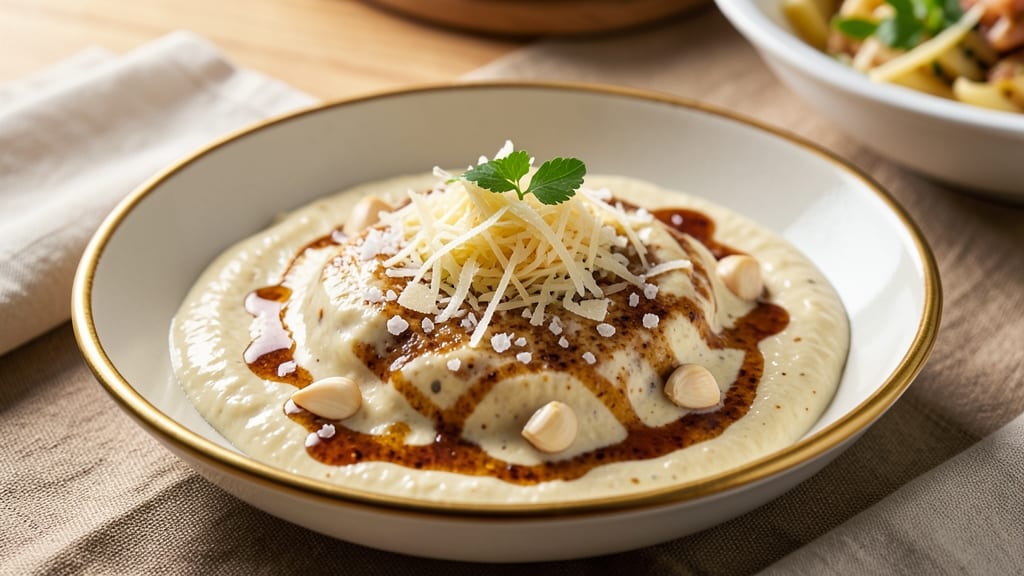
This alfredo sauce recipe offers a collection of ideas that transform simple pantry staples into velvety, clump-free perfection that clings to every strand of pasta.
The secret lies in proper technique—simmering butter and garlic until fragrant, then gradually whisking in cream and Parmesan to create a sauce so rich it feels like a hug for your taste buds.
I’ve perfected this recipe over years of testing, ensuring it’s foolproof whether you’re tossing it with fettuccine or drizzling it over grilled chicken.
What sets this sauce apart is its versatility and stability. Unlike many recipes, this version stays smooth and creamy even after reheating, thanks to a slow reduction that develops deep, nutty flavors from the cheese.
The base requires just five ingredients—unsalted butter, heavy cream, garlic, Parmesan, and a pinch of salt—but the optional variations (white wine, nutmeg, or even a vegan cashew version) let you customize it to your taste. It’s the kind of sauce that elevates ordinary meals into something restaurant-worthy.
The result is a creamy, velvety sauce with a subtle garlic depth and a finish that’s slightly nutty from the Parmesan. It coats pasta perfectly without turning gluey, and its rich flavor pairs beautifully with proteins like chicken, shrimp, or even roasted vegetables.
The best part? It reheats like a dream, making it ideal for meal prep or last-minute dinner solutions. Once you try this, store-bought Alfredo will never compare.
Store any leftovers in an airtight container in the refrigerator for up to 5 days, or freeze for up to 3 months. When reheating, warm gently over low heat and stir in a splash of milk or cream to restore its silky texture.
This sauce isn’t just for pasta—think creamy dips, veggie toppings, or even a decadent sauce for baked potatoes. Let’s make it!
Ingredients for alfredo sauce recipe ideas
Five core ingredients plus optional twists—elevate simple pasta nights effortlessly.
| Ingredient | Amount | Notes |
|---|---|---|
| Unsalted Butter 🧈 | ¾ cup | Cold, cubed for even melting |
| Heavy Cream 🥛 | 1 ½ cups | Full-fat for richest texture |
| Garlic Cloves 🧄 | 6 cloves | Fresh, minced for aromatic depth |
| Parmesan Cheese 🧀 | 1 ½ cups | Freshly grated from block |
| Sea Salt 🧂 | ½ tsp | Fine grain preferred |
| White Wine 🍷 | ½ cup | Dry variety for balance |
| Ground Nutmeg 🌿 | ¼ tsp | Freshly grated preferred |
| Cashews 🥜 | ½ cup | Soaked for vegan version |
| Lemon Juice 🍋 | 1 tbsp | Brightens flavor profile |
The butter is non-negotiable for that signature richness—Plugrá or Land O'Lakes both work, but avoid salted. Garlic should be freshly minced (no pre-minced jars) for maximum aroma. For the Parmesan, grate it yourself—pre-grated clumps and lacks flavor. I grab mine from the deli counter at Whole Foods or Trader Joe's where it's always fresh. The heavy cream? Full-fat only—anything less makes the sauce separate. If you're making the vegan version, soak the cashews overnight for that creamy texture.
No white wine? Chicken or vegetable broth works in a pinch, though it'll be slightly less rich. Fresh nutmeg is ideal but ground works at half the amount. For extra depth, add a splash of lemon juice—it brightens the whole sauce. If you're avoiding dairy, the cashew version requires soaking and blending the nuts with water until smooth. The key is patience—don't rush the reduction or the sauce will curdle. And if you're worried about clumping, whisk constantly while adding the cheese.
This sauce reheats beautifully—just warm over low heat with a splash of milk or cream to restore silkiness. Keeps 5 days in the fridge or 3 months frozen. For meal prep, store in small portions so you only thaw what you need. The vegan version holds up just as well, though it might need a touch more lemon juice after reheating. Double the batch—it disappears fast, especially when drizzled over grilled chicken or roasted veggies.
Why You'll Love This Recipe
- Five-Ingredient Magic: I swear, this sauce comes together with just butter, cream, garlic, Parmesan, and salt—no fancy gadgets, no stress. Honestly, the hardest part is waiting for the butter to melt while you chop one clove of garlic.
- Creamy Garlic Bliss: That first spoonful of rich, velvety sauce with melted garlic? It’s like a warm hug for your taste buds. The Parmesan adds this sharp, salty punch that makes it impossible to stop eating.
- Pasta Party Fix: Slap this on fettuccine for a fancy dinner, toss it with chicken for a quick lunch, or even drizzle it over roasted veggies. Between us, it’s my go-to for when I need something actually satisfying in 15 minutes.
- Leftovers That Don’t Suck: Make a double batch—it reheats like a dream and still tastes fresh the next day. I’ll be real: I’ve had it cold on sandwiches, and it’s still ridiculous good. (Yes, even on a Tuesday night.)
Step-by-step instructions for creamy, clump-free Alfredo sauce
Here's how to make velvety Alfredo sauce that coats perfectly and never clumps.
Melt the Butter and Toast the Garlic
Place the 0.75 cup unsalted butter in a medium saucepan over medium-low heat. Let it melt completely, swirling occasionally until it's fully liquid but not browned. This gentle heat prevents burning while creating a smooth base.
Add the 6 minced garlic cloves and cook for 1-2 minutes until fragrant but not browned. You'll smell that sweet, aromatic garlic—this is where the sauce builds its depth. Remove the pan from heat immediately to prevent the garlic from turning bitter. I know it seems like too little time, but garlic burns fast, and you want flavor, not bitterness.
Deglaze with Wine and Add Cream
Return the pan to medium heat and carefully pour in the 0.5 cup white wine, scraping up any browned bits from the bottom with a wooden spoon. This deglazing step captures all the flavor you've built so far. Let the wine simmer for 2-3 minutes until it reduces by about half and the alcohol smell dissipates completely.
Next, reduce the heat to low and gradually whisk in the 1.5 cups heavy cream. Bring the mixture just to a gentle simmer, then reduce heat to lowest setting to maintain a bare simmer. This slow, controlled cooking prevents curdling and creates that signature silky texture. Let it simmer for 5 minutes, stirring occasionally to prevent any sticking.
Incorporate Cheese and Seasonings
Remove the sauce from heat and add the 1.5 cups freshly grated Parmesan cheese, 0.5 teaspoon sea salt, and 0.25 teaspoon ground nutmeg. Stir vigorously with a whisk until the cheese is completely melted and the sauce is smooth. Here's the thing—if you see any lumps, don't panic. Just keep stirring and return the pan to low heat for 1-2 minutes until fully dissolved.
For the vegan version, now's the time to add the 0.5 cup soaked cashews to the warm sauce. Blend with an immersion blender until completely smooth, then return to the pan. The cashews add that creamy texture without dairy. Taste and adjust seasoning—you might need a pinch more salt or nutmeg to balance the flavors.
Finish with Lemon Juice and Keep Warm
Return the sauce to low heat and stir in the 1 tablespoon lemon juice. This brightens the rich flavors and prevents the sauce from becoming too heavy. Let it simmer gently for 2-3 minutes to meld all the flavors together. The sauce should now be luxuriously creamy with no lumps, and you'll smell that perfect balance of garlic, cheese, and citrus.
Keep the sauce warm by transferring it to a heatproof bowl set over a pot of barely simmering water (bain-marie). This maintains its creamy consistency while you cook your pasta or prepare other components. The sauce should stay smooth and ready to use for up to 30 minutes this way. If it thickens too much, whisk in 1 tablespoon hot water or pasta water to reach your desired consistency.
Pro Tips For Making Alfredo Sauce Recipe Ideas
- Melt Butter Slowly: Start with cold butter cubes in your pan—yes, even if you’re eager to get going. Adding butter all at once can cause splattering and uneven melting, which throws off the sauce’s silky texture. Let it melt gradually over medium-low heat so the garlic infuses without burning.
- Grate Parmesan Fresh: Pre-shredded Parmesan is coated with anti-caking agents that turn your sauce into a grainy mess. Grab a microplane or fine grater and zest the cheese directly into the sauce—it’s faster than you think and makes a real difference in flavor and texture.
- Don’t Boil the Cream: Alfredo sauce curdles when it boils, and there’s no un-curdling it. Once the butter’s melted and garlic’s fragrant, lower the heat to a bare simmer—just enough to keep it warm and creamy. I learned this the hard way after watching a pot of sauce turn into a sad, lumpy puddle.
- Salt in Stages: Taste as you go—first after melting the butter, then after adding cream, and finally when the cheese is stirred in. Heavy cream can dilute saltiness, and Parmesan’s intensity varies by brand. Start light, then adjust; oversalting isn’t fixable, but undersalting is just a sprinkle away.
Troubleshooting this dish
Curds and Clumps
If your sauce separates or curdles, it’s usually from overheating or adding cold ingredients too quickly. To fix it, whisk in 1 tablespoon cold heavy cream or pasta water while stirring constantly over low heat.
The key is patience—never rush the reduction, and always whisk vigorously when adding cheese. I’ve seen this happen when people skip the slow simmer step, so take your time. 🔥
Too Thin or Watery
A thin sauce often means the cream wasn’t reduced enough or the cheese wasn’t fully melted. Simmer the sauce uncovered for 5-10 minutes on low heat, stirring occasionally, until it thickens to your liking.
For extra richness, whisk in 1 tablespoon cold butter or a splash of pasta water to adjust consistency. If it’s still too thin, reduce more—just don’t walk away!
Overpowering Garlic
Garlic can turn bitter if cooked too long, ruining the delicate balance of flavors. Stick to 1-2 minutes of cooking time and remove the pan from heat immediately after. For a milder taste, use roasted garlic instead of raw or reduce the amount to 4 cloves.
If you accidentally burn it, start over—there’s no fixing bitter garlic in sauce. 🧄
Grainy or Lumpy Texture
Lumps usually mean the cheese wasn’t incorporated properly or the sauce wasn’t warm enough. Return the sauce to low heat and whisk vigorously until smooth. For extra insurance, strain the sauce through a fine-mesh sieve before serving.
Pre-grated cheese is the biggest culprit—always grate your own for the best results. A splash of warm milk or cream can also help dissolve stubborn lumps.
Sauce Separates After Reheating
This happens when the sauce cools too quickly or sits too long in the fridge. To restore creaminess, whisk in 1 tablespoon warm milk or cream while reheating over low heat.
For extra stability, add ½ teaspoon cornstarch mixed with 1 tablespoon water and simmer until thickened. Always reheat gently—never microwave, as it can break the emulsion. 💡
Weak or Bland Flavor
A bland sauce often lacks acidity or seasoning. Brighten it with 1 tablespoon lemon juice or a pinch of black pepper. If it tastes flat, boost the umami with 1 teaspoon fish sauce or ½ teaspoon Worcestershire sauce.
Freshly grated Parmesan makes all the difference—never use pre-shredded. Taste as you go and adjust gradually!
Nutrition facts
Frequently asked questions
Can I make Alfredo sauce without heavy cream?
Yes! For a lighter version, substitute the heavy cream with 1 cup whole milk plus ½ cup butter, or use ½ cup Greek yogurt mixed with 1 cup milk for tangy depth. For a vegan option, blend ½ cup soaked cashews with 1 cup unsweetened almond milk until smooth. The key is keeping the sauce warm while stirring constantly to prevent separation.
Why does my Alfredo sauce get grainy or clumpy?
Graininess usually comes from pre-grated Parmesan (it contains anti-caking agents) or not incorporating the cheese properly. Always grate your own cheese and whisk vigorously while adding it to warm sauce. For stubborn lumps, strain through a fine-mesh sieve before serving. If it thickens too much, whisk in 1 tablespoon warm milk or pasta water to restore silkiness.
What's the best pasta shape for Alfredo sauce?
Fettuccine is classic, but wide noodles like pappardelle or tagliatelle work beautifully too. For extra sauce cling, try farfalle or penne. Avoid thin strands like spaghetti—the sauce will slide off. Pro tip: Toss the sauce with cooked pasta while both are hot, then let it sit for 1-2 minutes to meld flavors perfectly.
How can I make Alfredo sauce ahead of time?
Store leftover sauce in an airtight container in the fridge for up to 5 days or freeze for 3 months. To reheat, warm gently over low heat and whisk in 1 tablespoon warm milk or cream to restore creaminess. For meal prep, freeze portions in ice cube trays—just pop out what you need and reheat. Never microwave directly, as it can break the sauce's emulsion.
Can I add other proteins or veggies to this sauce?
Stir in cooked chicken breast, shrimp, or roasted mushrooms at the end for extra flavor. For veggies, add sautéed spinach or zucchini—they'll wilt beautifully in the warm sauce. Just remove the pan from heat before adding delicate ingredients to prevent overcooking. The sauce also works as a creamy dip for grilled veggies or crudité.