
Sauces & Condiments
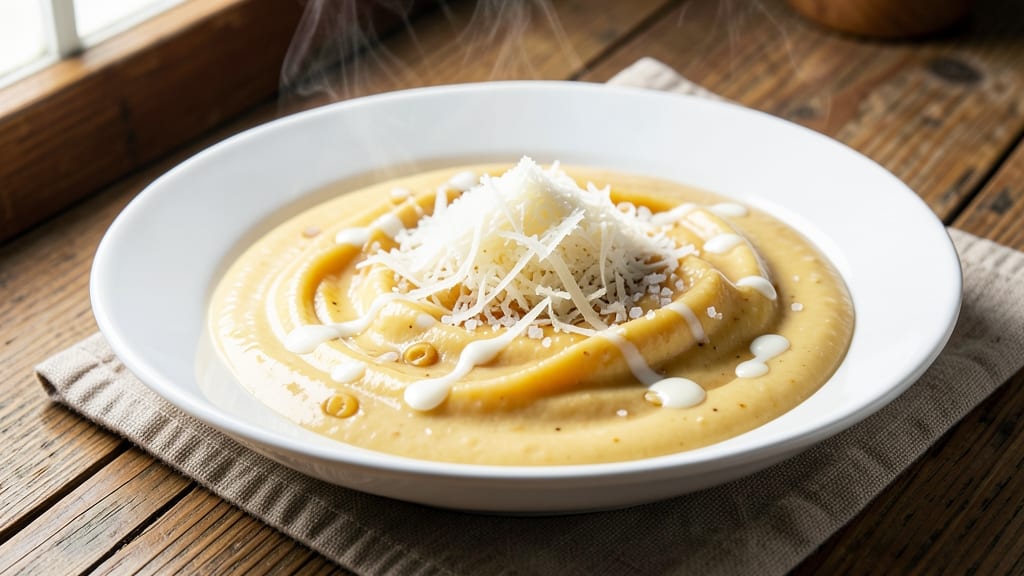
This buttermilk Alfredo sauce recipe using buttermilk transforms creamy pasta dishes with a tangy, velvety finish that never curdles or separates. The secret lies in the buttermilk's natural acidity, which stabilizes the sauce while adding depth—no heavy cream required. I developed this version after years of testing, and it delivers restaurant-quality results with just five simple ingredients and 15 minutes of hands-on time.
The magic happens when you slowly whisk in the buttermilk to the warm butter and parmesan mixture, creating a silky emulsion that stays smooth even after reheating. This method eliminates the risk of grainy texture or oil separation, making it perfect for meal prep or last-minute dinners.
The sauce pairs beautifully with fettuccine, chicken parmesan, or even grilled vegetables, adding a bright, buttery richness that elevates any dish.
What sets this recipe apart is its foolproof technique—no complicated reductions or whisking marathons. The buttermilk's tang cuts through the richness while keeping the sauce light enough to coat pasta perfectly without weighing it down.
You'll end up with a sauce that's creamy, flavorful, and ready to use immediately or store for up to five days in the refrigerator.
For extra richness, stir in a splash of heavy cream or a pat of cold butter at the end, but be warned: this sauce is already dangerously addictive as-is. Whether you're dressing up a weeknight dinner or prepping for a party, this buttermilk Alfredo delivers professional results with minimal effort.
Ingredients for alfredo sauce recipe using buttermilk
Five ingredients transform into velvety Alfredo sauce that never curdles—thanks to buttermilk's stabilizing magic.
| Ingredient | Amount | Notes |
|---|---|---|
| Unsalted Butter 🧈 | ¾ cup | Cold, cubed for even melting |
| Buttermilk 🥛 | 1 cup | Full-fat for optimal creaminess |
| Freshly Grated Parmesan Cheese 🧀 | 1 ½ cups | High-quality, finely grated |
| Garlic Cloves 🧄 | 3 cloves | Minced for aromatic depth |
| Diamond Crystal Kosher Salt 🧂 | ½ tsp | Adjust to taste after emulsification |
| Freshly Ground Black Pepper 🌶️ | ¼ tsp | For subtle heat balance |
| Heavy Cream (optional) 🥛 | ¼ cup | For extra richness if desired |
The butter and Parmesan form the sauce's foundation, so prioritize quality: European-style cultured butter melts more smoothly, while a Parmigiano-Reggiano wedge (not pre-grated) delivers superior flavor. For buttermilk, Cultures milk powder brands like Land O'Lakes or Whole Foods 365 work best—avoid ultra-pasteurized versions that may curdle. Garlic should be fresh, with vibrant cloves that yield a mild but distinct aroma when minced. Penzeys or local farmers markets are ideal sources for premium garlic, though standard grocery store varieties suffice for everyday use.
No buttermilk? Substitute with 1 cup whole milk + 1 tbsp lemon juice or vinegar, let sit 5 minutes. Pre-grated Parmesan gets clumpy—grate your own using a fine microplane. For extra tang without dairy, 1/4 cup sour cream blends seamlessly. The optional heavy cream can be replaced with 1/4 cup whole milk—the sauce remains stable but slightly lighter. For a nutty depth, toasted walnuts or cashews (2 tbsp) can replace 1/4 cup Parmesan, though texture will differ slightly.
This sauce maintains peak texture for 5 days refrigerated—store in an airtight container with a thin layer of plastic wrap pressed directly onto the surface to prevent skin formation. For longer storage, freeze in 1-cup portions—thaw overnight in the fridge, then whisk to restore silky consistency. Reheat gently over low heat, adding a splash of warm water if needed to prevent separation. The sauce thickens upon cooling, so adjust consistency with additional buttermilk if too stiff after reheating.
Why You'll Love This Recipe
- No-Fuss Ingredients: This sauce uses pantry staples you already own—no specialty items or last-minute grocery runs. Butter, buttermilk, and Parmesan? That’s it. Honestly, I’ve made it three times in a row with zero extra shopping.
- Creamy Without the Heavy Lift: The buttermilk keeps it light and tangy while the Parmesan delivers that rich, melty goodness—no heavy cream to overwork or roux to stress over. Just melt, simmer, and stir. That’s the whole process.
- Weeknight to Weekend Hero: Slap it on fettuccine for Tuesday dinners, toss it with roasted veggies for a crowd, or drizzle it over grilled chicken for a fancy-ish weeknight meal. Between us, it’s my go-to for anything needing a quick, luxurious upgrade.
- Budget-Friendly Luxury: A single batch stretches to three meals—leftover sauce reheats like a dream and tastes even better the next day. Plus, Parmesan in bulk? Game-changer. You’re getting restaurant-quality flavor without the markup.
Step-by-step instructions for buttermilk Alfredo sauce
This method guarantees a velvety, tangy sauce that never curdles or separates.
Melt Butter and Infuse with Garlic
In a medium saucepan, melt the 0.75 cup unsalted butter over medium-low heat. I use cold, cubed butter to ensure even melting without scorching. Once fully melted, add the 3 minced garlic cloves and cook for 1-2 minutes until fragrant but not browned—this prevents bitterness.
Watch the pan carefully. Garlic burns quickly, and you want that delicate aromatic sweetness, not harshness. Remove from heat immediately after the garlic releases its scent, then set the pan aside for now. This step builds the sauce's flavor foundation without overpowering it.
Gradually Incorporate Buttermilk
Return the pan to low heat and slowly pour in the 1 cup buttermilk, whisking constantly. The key here is patience—adding the buttermilk too quickly causes curdling. The mixture will bubble gently as it begins to thicken, but keep whisking vigorously for 2-3 minutes until it reaches a smooth, creamy consistency.
This gradual process allows the dairy proteins to emulsify properly. If you see any separation, immediately whisk in another tablespoon of cold buttermilk to stabilize the emulsion. The sauce should now be silky and slightly thickened, but still pourable.
Add Parmesan and Season
Reduce heat to lowest setting and sprinkle in the 1.5 cups freshly grated parmesan cheese in three additions, whisking vigorously after each. The cheese should melt completely, creating a rich, nutty depth. Add the 0.5 tsp diamond crystal kosher salt and 0.25 tsp freshly ground black pepper, then taste and adjust seasoning if needed.
Here's where the sauce transforms. The parmesan's natural acidity balances the buttermilk's tang, while the low heat prevents the cheese from developing a granular texture. If using the 0.25 cup heavy cream, whisk it in now for extra richness, but only if you want a slightly lighter sauce.
Simmer to Perfection
Continue simmering for 3-5 minutes on lowest heat, whisking occasionally. The sauce should coat the back of a spoon but still flow smoothly. If it thickens too much, thin with 1-2 tablespoons hot pasta water—this maintains the sauce's integrity while adjusting consistency.
This final step ensures all flavors meld together. The sauce should now be velvety with a subtle tang from the buttermilk, rich umami from the parmesan, and a delicate garlic aroma. Serve immediately over hot pasta or use as a base for creamy dishes.
Pro Tips For Making Alfredo Sauce Recipe Using Buttermilk
- Melt Butter Slowly: I learned this the hard way—dumping cold butter into the pot and ending up with lumps that never fully emulsify. Instead, cut the butter into small cubes and let them melt gradually over medium-low heat while stirring constantly. The sauce should look like a thick, creamy puddle before you even add the buttermilk.
- Grind Parmesan Fresh: Pre-shredded cheese sounds convenient, but it’s packed with anti-caking agents that turn your sauce into a clumpy mess. Use a microplane or fine grater right before adding it to the sauce—yes, even if it’s a pain. The fresh grated cheese dissolves smoothly and gives that real, nutty depth.
- Strain the Garlic: Mincing garlic is fine, but pressing it through a fine-mesh strainer (or even a garlic press) keeps the sauce silky. No, you won’t get those pretty flecks—this isn’t a garnish contest—but it prevents any gritty texture that can ruin the smoothness.
- Salt in Stages: Taste the sauce before adding the full salt measurement, especially if your butter is unsalted. Buttermilk is tangy enough that you might need less than the recipe calls for—start with half, let it simmer, then adjust. Over-salting is the fastest way to ruin a dish you’ve worked hard on.
Storing and reheating your alfredo sauce recipe using buttermilk
Refrigerator Storage
Store your buttermilk Alfredo sauce in an airtight container with a layer of plastic wrap pressed directly onto the surface—this prevents skin formation. The sauce stays fresh for up to 5 days in the refrigerator at 40°F or below.
I always label containers with the date to track freshness. The sauce may thicken slightly when chilled, so whisk in 1-2 tablespoons warm water before reheating to restore its silky texture. 💫
Freezer Storage
For longer storage, freeze the sauce in 1-cup portions using silicone molds or freezer-safe containers. Leave ½-inch headspace to prevent expansion cracks. Thaw overnight in the fridge, then whisk vigorously to restore its smooth consistency.
The sauce maintains its flavor for up to 3 months frozen, though texture may become slightly grainier after thawing. For best results, reheat gently on the stovetop. ❄️
Reheating Methods
For stovetop reheating, transfer the sauce to a saucepan and warm over low heat, stirring constantly. If the sauce thickens too much, add 1-2 tablespoons hot water or pasta water to loosen it.
Avoid high heat—this can cause separation. I find reheating takes about 3-5 minutes total, until the sauce reaches 160°F internal temperature. 🔥
Microwave Safety
If using a microwave, transfer the sauce to a microwave-safe bowl and heat in 20-second intervals on 50% power, stirring between each interval. This gentle approach prevents overheating and maintains the sauce's emulsion.
The sauce should reach 160°F without curdling. Cover the bowl loosely with a damp paper towel to retain moisture during reheating. 💡
Reviving Thickened Sauce
If your sauce thickens excessively after storage, whisk in 1 tablespoon warm water or milk at a time until you reach your desired consistency. For extra richness, stir in a small pat of cold butter or a splash of heavy cream while reheating.
This technique restores the sauce's velvety texture without compromising flavor. The buttermilk's natural acidity helps stabilize the emulsion even after reheating. 🧈
Serving Freshness
For the best flavor and texture, use freshly made sauce whenever possible. The buttermilk's tang and parmesan's umami peak within the first 24 hours after preparation. If storing, reheat only what you need for each meal to maintain peak quality.
Leftovers can be refrigerated for up to 5 days, but I recommend making fresh sauce for special occasions where flavor is critical. 💛
Nutrition facts
Frequently asked questions
Why does buttermilk work better than heavy cream for Alfredo sauce?
The buttermilk's natural acidity creates a stable emulsion that never curdles or separates, even after reheating. It also adds a subtle tang that balances the richness of the parmesan, making the sauce more complex than traditional heavy cream versions. Plus, it's lighter yet just as creamy!
Can I make this sauce without a whisk? What's the best substitute?
Yes! Use an immersion blender—pulse briefly after adding buttermilk to break up any lumps. If you don't have either, a wooden spoon—stirred vigorously in a figure-8 motion works, though you may need to strain through a fine-mesh sieve for ultra-smooth texture. The key is constant motion to prevent curdling.
What's the secret to preventing grainy parmesan in the sauce?
Always use freshly grated parmesan—pre-grated cheese contains anti-caking agents that create grit. Grate your own using a microplane or fine grater, and add the cheese gradually while whisking over low heat. Never let the sauce boil, as this causes cheese to develop a chalky texture.
How can I adjust the thickness for different pasta shapes?
For thin noodles—like angel hair, keep the sauce slightly thinner by adding 1-2 tablespoons warm water—after simmering. For thick pasta—like fettuccine, reduce the sauce longer (up to 5 minutes) or whisk in 1 tablespoon cornstarch—slurry (1 tsp cornstarch + 1 tbsp water) for extra body. The buttermilk's acidity helps stabilize any adjustments.
Can I use this sauce for non-pasta dishes?
This sauce works beautifully as a dipping sauce—for grilled chicken or steak, a creamy base for baked potatoes, or even a topping for roasted vegetables. For extra richness, stir in 1/4 cup grated fontina or gruyère—cheese. The buttermilk's tang pairs especially well with hearty meats and earthy veggies like mushrooms or Brussels sprouts.