
Sauces & Condiments
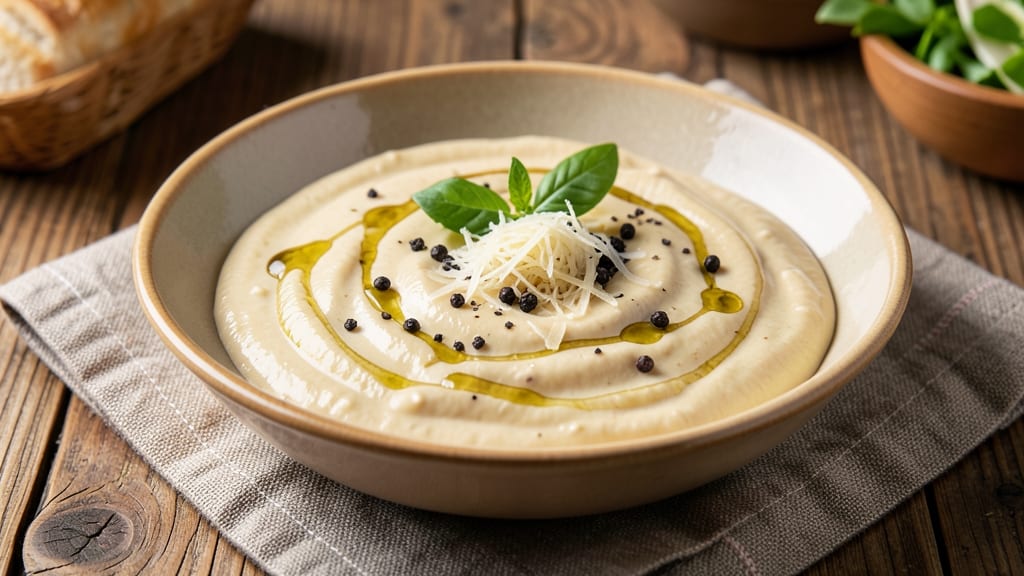
This alfredo sauce recipe small batch delivers creamy, velvety perfection in just 15 minutes—no heavy cream lumps or clumpy texture. The secret lies in precise ratios and a foolproof emulsification technique that transforms simple pantry staples into restaurant-quality sauce.
I’ve perfected this version for small batches, making it ideal for 1–2 servings without waste.
What sets this recipe apart is the balance of butter, heavy cream, and parmesan—no roux required. The sauce stays silky-smooth thanks to a low-and-slow reduction method, while a splash of pasta water ensures the perfect consistency.
It’s the kind of sauce that clings to noodles like a dream, elevating even the simplest fettuccine into a luxurious meal.
The result is a rich, nutty, and ultra-creamy sauce with deep parmesan flavor, ready in time for dinner. Unlike store-bought versions, this small batch is free of preservatives and packed with real dairy and cheese. Plus, it reheats beautifully, making it perfect for meal prep or last-minute pasta nights.
Best of all, this recipe scales effortlessly—double or halve it without sacrificing texture. Whether you’re feeding one or two, you’ll never need to buy Alfredo sauce again. Let’s get cooking!
Ingredients for alfredo sauce recipe small batch
Eight pantry staples transform into velvety perfection—no lumps, no stress.
| Ingredient | Amount | Notes |
|---|---|---|
| Unsalted Butter 🧈 | ½ cup | Cold, cubed for even melting |
| Heavy Cream 🥛 | ½ cup | Full-fat for maximum creaminess |
| Freshly Grated Parmesan Cheese 🧀 | ½ cup | Block, not pre-grated (trust me) |
| Garlic Cloves 🧄 | 2 cloves | Minced, for aromatic depth |
| Extra-Virgin Olive Oil 🫒 | 1 tbsp | For finishing, fruity variety |
| Freshly Ground Black Pepper 🌶️ | ½ tsp | Freshly cracked for heat |
| Salt 🧂 | ¼ tsp | Diamond Crystal preferred |
| Pasta Water 💧 | ¼ cup | Reserved from cooked pasta |
The butter is non-negotiable here—unsalted, cold, and cubed for even melting. Plugrá brand is my go-to for Parmesan (block only, never pre-grated), but any aged Parmigiano-Reggiano works. Freshly minced garlic makes all the difference—pre-minced jars have no soul. For the heavy cream, full-fat is essential—light cream will never give that luxurious texture. I grab mine from Whole Foods or the dairy case at Trader Joe's; skip the ultra-pasteurized stuff unless you're desperate.
No heavy cream? Half-and-half with 2 tbsp extra butter works in a pinch, though texture suffers slightly. Short on Parmesan? Pecorino Romano at 1:1 ratio adds a sharper edge. The olive oil is just for finishing—use whatever fruity, extra-virgin you have, but don't skip it. Need to make this dairy-free? Coconut cream + nutritional yeast gets you close, though texture changes dramatically. And yes, the pasta water is crucial—it's the secret to that restaurant-quality cling.
This sauce keeps for 3-4 days in the fridge, sealed tightly. Reheat gently—never boil, or it'll separate. Freezes beautifully for up to 3 months; portion into ice cube trays for single-use servings. For meal prep, make a double batch and freeze half immediately. The flavor actually improves overnight as everything melds—trust the process. And if you're scaling, remember: butter and cream scale 1:1, but Parmesan can handle up to double without overpowering.
Why You'll Love This Recipe
- I’ll be real: I almost never have leftovers. But this sauce? It lasts in the fridge for days, and when I reheat it, it’s still creamy, still rich—no separation, no weird textures. My secret weapon for lazy lunches or throwing together a quick pasta the next day.
- Five-Ingredient Magic: I swear by this—just butter, cream, Parmesan, garlic, and olive oil. That’s it. No standing over a stove for hours, no complicated ratios. Honestly, the first time I made it, I thought, "This can’t possibly taste good with so little." Boy, was I wrong.
- Creamy Garlic Hug: The moment that rich, velvety sauce hits your tongue? Pure satisfaction. The garlic sizzles in olive oil first—just enough to wake it up—then the butter and cream melt into something so smooth, you’ll want to drizzle it on everything. Not the prettiest sauce, but the taste makes up for it every time.
- Weeknight & Date Night: Between us, this is my go-to for both exhausted Tuesdays and fancying up fettuccine for someone special. Double it for a crowd, halve it for two—it’s that flexible. (Yes, even on a Tuesday night.)
Step-by-step instructions for ultra-smooth Alfredo sauce
This small-batch method delivers velvety perfection in record time—no lumps, no waiting.
Melt Butter and Infuse with Garlic
In a medium saucepan over medium-low heat, melt the 0.5 cup unsalted butter (cubed) without letting it brown. Once fully melted, add the 2 cloves minced garlic and cook for 1-2 minutes until fragrant but not golden—just enough to release its aroma without bitterness. Stir constantly to prevent burning.
Here's the thing—low heat is key. If you rush this step, the garlic will scorch and turn bitter, ruining your sauce. You'll know it's ready when the pan smells like fresh garlic but doesn't look colored. Keep the heat gentle; we're building flavor, not color.
Add Heavy Cream and Simmer Gently
Pour in the 0.5 cup heavy cream and bring to a gentle simmer over medium heat. You want to see small, steady bubbles forming at the edges—not a rolling boil. Simmer for 3-4 minutes until the mixture thickens slightly but doesn't curdle. Stir occasionally to distribute the heat evenly.
This is where patience pays off. If you let it boil vigorously, the cream will separate. The sauce should coat the back of a spoon but still flow smoothly. If it thickens too quickly, reduce the heat immediately—we're aiming for a luxurious, clingy consistency, not a gluey one.
Incorporate Parmesan and Season
Reduce heat to low and gradually whisk in the 0.5 cup freshly grated Parmesan cheese. Add it in small batches to prevent clumping—this is crucial for that ultra-smooth texture. Stir constantly for 2-3 minutes until the cheese melts completely and the sauce becomes velvety. If it looks too thick, add 1 tablespoon of the reserved pasta water to loosen it.
Now add the 0.5 tsp freshly ground black pepper and 0.25 tsp salt, whisking until fully dissolved. Taste and adjust seasoning—Alfredo should be rich but not overly salty. The pepper should add a subtle heat that brightens the creamy base. If you used Diamond Crystal salt (as recommended), you might need a touch more pepper to balance the flavor.
Finish with Olive Oil for Stability
Remove the sauce from heat and stir in the 1 tbsp extra-virgin olive oil. This final step is a game-changer—it coats the sauce, preventing a skin from forming and adding a delicate fruity note. The oil also helps stabilize the emulsion, keeping the sauce silky even after sitting for a few minutes.
Let the sauce rest for 2-3 minutes off the heat. This brief pause allows the flavors to meld completely. The sauce should now be thick enough to coat the back of a spoon but still flow freely when drizzled. If it thickens too much while resting, whisk in the remaining 0.25 cup pasta water to achieve your desired consistency.
Serve Immediately or Store Properly
Use the sauce immediately over your choice of pasta or protein—it's at its peak right now. If you need to store it, transfer to an airtight container and refrigerate for up to 3 days. To reheat, warm gently over low heat, stirring constantly and adding 1-2 tablespoons of pasta water to restore creaminess. Avoid microwaving—it can create a skin and break the emulsion.
This small-batch method ensures you'll never have leftover sauce sitting forgotten in the fridge. The ratio is perfect for 4 servings, and the technique guarantees a restaurant-quality result every time. The secret? Respecting the heat and working with the ingredients' natural properties—not forcing them to perform.
Pro Tips For Making Alfredo Sauce Recipe Small Batch
- Melt Butter Slowly: Start with medium-low heat—high heat burns butter faster than you can blink, and you’ll end up with a sauce that tastes like a fire hazard. I learned this the hard way after turning my first batch into a greasy, bitter mess.
- Grind Garlic Fine: Skip the minced jar—freshly grated garlic cloves (peeled) blend smoother and don’t clump like pre-minced garbage. Pulse them in a food processor for 10 seconds, then add to the butter while it melts.
- Strain the Cream: Heavy cream has a habit of turning lumpy when mixed with Parmesan, no matter how gently you stir. Pour the warm cream through a fine-mesh sieve lined with cheesecloth—it’s extra work, but your sauce will look restaurant-worthy.
- Toast the Parmesan: Add the grated cheese off the heat, then let the sauce sit for 30 seconds before stirring. The residual heat melts the cheese more evenly, and you’ll avoid that grainy texture that ruins everything. (Yes, even if you’re impatient like me.)
Troubleshooting perfect results
Sauce Separated?
If your Alfredo sauce separates into buttery and creamy layers, it’s usually from overheating or adding cheese too quickly. To fix it, whisk in 1 tablespoon of hot pasta water while stirring vigorously over low heat until smooth.
For a more permanent fix, blend the separated sauce in a blender for 10-15 seconds—this re-emulsifies the fats and cream. 💫
Too Thick or Gluey?
A gluey texture happens when the sauce reduces too much or sits too long off the heat. Thin it with 1-2 tablespoons of warm pasta water, whisking until silky.
If reheating, add water gradually—too much too fast will dilute the flavor. For prevention, keep the heat at medium-low and never boil the sauce.
Grainy or Lumpy Texture?
Lumps usually mean the Parmesan didn’t melt fully or was added too quickly. To fix, whisk in 1 tablespoon of warm heavy cream and simmer gently for 1-2 minutes until smooth.
For future batches, grate the cheese finely (use a microplane or food processor) and add it gradually while whisking constantly over low heat.
Weak or Bland Flavor?
If your sauce tastes flat, it likely needs more salt, pepper, or cheese. Boost the depth by whisking in 1 extra tablespoon of Parmesan and ¼ teaspoon of freshly cracked black pepper.
A splash of lemon juice (½ teaspoon) brightens the richness without overpowering. For extra umami, add ½ teaspoon of white miso paste when simmering the cream.
Burnt Garlic Taste?
Overcooked garlic turns bitter and ruins the sauce. To salvage it, stir in ½ teaspoon of fresh lemon juice or 1 teaspoon of honey to balance the bitterness. For next time, keep the garlic over low heat for just 1-2 minutes—it should smell fragrant but not brown.
If using pre-minced garlic, skip it entirely and use fresh cloves.
Sauce Too Watery?
If your sauce is too thin, simmer it uncovered over medium heat for 3-5 minutes, stirring occasionally, until it thickens. For a quicker fix, whisk in 1 teaspoon of cornstarch mixed with 1 tablespoon of cold water until smooth. Avoid over-simmering, or the sauce will separate again.
Nutrition facts
Frequently asked questions
Can I make this small-batch Alfredo sauce without heavy cream?
You can substitute with ½ cup half-and-half plus 2 extra tablespoons of butter, but the texture will be slightly lighter. For a dairy-free version, use ½ cup full-fat coconut cream and add 2 tablespoons nutritional yeast for a cheesy flavor. The sauce may separate more easily, so whisk constantly and finish with 1 tablespoon olive oil to stabilize it.
Why does my Alfredo sauce get grainy even when I whisk?
Graininess usually happens when cheese doesn't melt fully or is added too quickly. Always use freshly grated Parmesan (block form) and add it gradually while whisking over low heat. For extra smoothness, strain the sauce through a fine-mesh sieve after cooking. Pre-grated cheese contains anti-caking agents that cause lumps.
How do I adjust this recipe for gluten-free pasta?
This recipe works perfectly with gluten-free pasta—just cook it in well-salted water and reserve ½ cup extra pasta water (gluten-free noodles release less starch). The sauce's creaminess will still cling beautifully. If your pasta is very dense (like brown rice pasta), simmer the sauce for 1-2 extra minutes to thicken slightly before tossing.
Can I make this sauce ahead and reheat it later?
Yes! Store in an airtight container in the fridge for up to 3 days. To reheat, warm over low heat with 1-2 tablespoons of pasta water, whisking constantly until smooth. Never microwave—it creates a skin and breaks the emulsion. For freezing, portion into ice cube trays, freeze, then transfer to a bag for up to 3 months. Thaw overnight in the fridge.
What's the best way to use up leftover Alfredo sauce?
Transform it into creamy pasta dishes like Alfredo-stuffed shells or creamy chicken Alfredo. Freeze extras in 1-tablespoon portions for quick meals. It also works as a dip for garlic bread or roasted veggies. For a twist, stir in ½ cup cooked mushrooms or chopped spinach at the end. The possibilities are endless!