
Sauces & Condiments
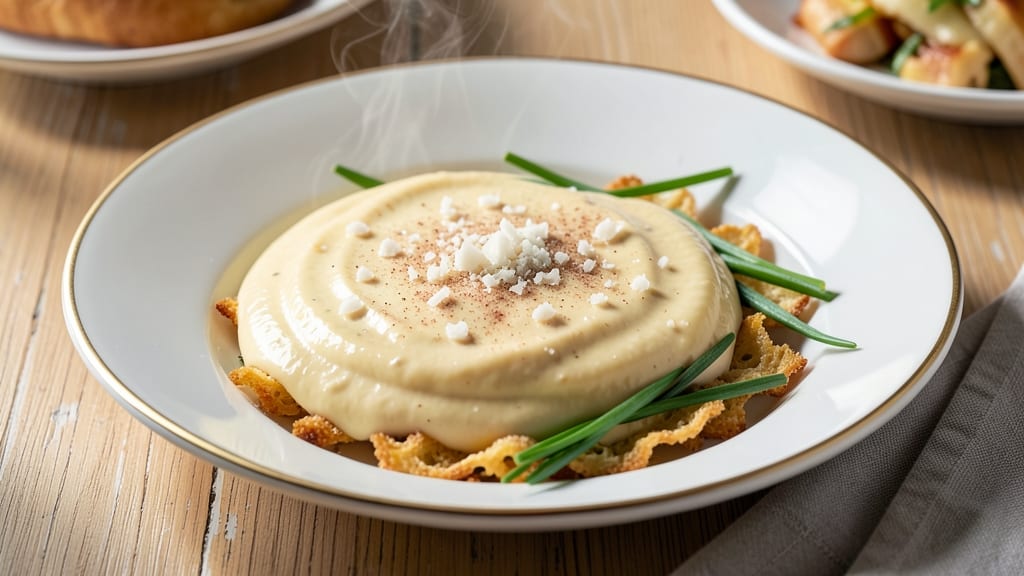
This alfredo sauce recipe no garlic delivers velvety, restaurant-quality creaminess without garlic's sharpness—perfect for picky eaters or those avoiding alliums. The secret lies in balancing rich butter, heavy cream, and sharp parmesan for a sauce that clings beautifully to pasta, chicken, or vegetables while remaining smooth and elegant.
What sets this recipe apart is its simplicity and consistency. No garlic means no overpowering flavors, yet the sauce remains deeply savory thanks to a touch of nutmeg and white pepper.
The key technique? Cooking the butter and flour to a golden roux before slowly whisking in warm cream—this creates a silky texture that separates from the stove without breaking.
By the time you're done, you'll have a luscious sauce that's creamy but not heavy, with just enough tang to complement your favorite proteins or carbs. The best part?
It stays smooth even after reheating, making it ideal for meal prep or last-minute dinners. This is the kind of sauce that transforms ordinary meals into something special.
Use it as a pasta sauce, drizzle over grilled chicken, or toss with roasted vegetables. The possibilities are endless, and the results are always impressive. Let's get started on creating this foolproof alfredo sauce that delivers on every bite.
Ingredients for alfredo sauce recipe no garlic
Nine simple ingredients—rich butter, creamy dairy, and sharp Parm—come together for velvety perfection.
| Ingredient | Amount | Notes |
|---|---|---|
| Unsalted Butter 🧈 | ¾ cup | Cold, cubed for even melting |
| All-Purpose Flour 🌾 | ½ cup | Sifted for smooth sauce |
| Heavy Cream 🥛 | 2 cups | Cold, full-fat preferred |
| Whole Milk 🥛 | ½ cup | Warmed slightly for blending |
| Parmesan Cheese 🧀 | 1 ½ cups | Freshly grated, fine grade |
| Ground Nutmeg 🌿 | ¼ tsp | Freshly grated for warmth |
| White Pepper 🌶️ | ¼ tsp | Freshly ground preferred |
| Salt 🧂 | ½ tsp | Kosher or sea salt |
| Extra-Virgin Olive Oil 🫒 | 2 tbsp | For finishing, fruity variety |
The butter and flour are your foundation. European-style butter like Plugrá or Land O'Lakes has higher fat content, which gives a silkier sauce. Grab King Arthur flour if you want the smoothest texture—it's sifted and blends better than store brands. Parmesan is non-negotiable here; Parmigiano-Reggiano from the deli counter melts beautifully. The heavy cream should be cold when you start—this prevents curdling. I always buy the organic kind at Whole Foods because it's richer, but any full-fat heavy cream works.
No heavy cream? Full-fat coconut milk gives a similar richness, though the flavor will be subtly different. Running short on Parmesan? Pecorino Romano works in a pinch—it's sharper and melts better. The nutmeg is key for that classic alfredo warmth, but if you're out, a pinch of cinnamon can mimic it (though it's not the same). For the olive oil, California avocado oil is my go-to—it's neutral and won't overpower the sauce. If you're making this ahead, add the olive oil at the very end to keep it fresh.
This sauce reheats like a dream—just warm it gently on the stove with a splash of milk. Keeps 3-4 days in the fridge, but it's even better the next day as the flavors meld. Freezes perfectly for up to 3 months—portion into ice cube trays for single servings. The secret to storing it? Press plastic wrap directly onto the surface before sealing to prevent a skin from forming.
Why You'll Love This Recipe
- I’ll be real: this sauce works on everything—toss it with chicken, shrimp, or even roasted veggies. It’s the kind of simple, reliable base that turns a basic meal into something special without the fuss.
- No Garlic, No Problem: I swear, this sauce is ridiculously forgiving—no sharp garlic to overpower, just rich butter and flour building that velvety base. The heavy cream and milk blend so smoothly, you’ll forget you didn’t add anything extra.
- Five-Ingredient Magic: Honestly, it’s wild how good this gets with just butter, flour, cream, milk, and Parmesan. That nutty cheese melts into the sauce until it’s dangerously creamy, with just enough depth to make fettuccine taste like a restaurant dish.
- Weeknight & Freezer Friend: Between us, this is my go-to for busy nights—double the batch, freeze half, and reheat it later. The sauce reheats like a dream, so you’re never stuck scrambling for dinner when life gets messy.
Step-by-step instructions for ultra-smooth alfredo sauce
Here's how to make a velvety, restaurant-quality sauce without garlic—simple steps for perfect results every time.
Melt Butter and Whisk in Flour
In a medium saucepan over medium heat, melt the 0.75 cup unsalted butter until it's fully liquid but not browned. I like to cut the butter into small cubes first—this helps it melt evenly without scorching. Once melted, reduce the heat to low and whisk in the 0.5 cup all-purpose flour all at once.
Keep whisking constantly for 1-2 minutes until the mixture forms a smooth, pale roux. You're looking for a texture like wet sand—no lumps, no browning. This is your flavor foundation, so don't rush it. If it starts to smell nutty or brown, you've gone too far. The roux should be just thick enough to coat the back of a spoon.
Gradually Add Cream and Milk
Slowly pour in the 2 cups heavy cream while whisking vigorously to prevent lumps from forming. I add about ½ cup at a time, waiting for each addition to be fully incorporated before adding more. Once all the cream is in, stir in the 0.5 cup whole milk and bring the mixture to a gentle simmer over medium-low heat.
Let it simmer for 5-7 minutes until it thickens enough to coat the back of a spoon. You'll see the sauce transform from thin liquid to a glossy, creamy consistency. Stir occasionally—this prevents scorching and ensures even heating. The sauce should be thick but still pourable, not gluey. If it gets too thick too soon, just add a splash more milk to loosen it.
Incorporate Cheese and Seasonings
Reduce the heat to low and gradually whisk in the 1.5 cups freshly grated Parmesan cheese. I add about ½ cup at a time, letting each addition melt completely before adding more. This prevents clumping and ensures a smooth, velvety texture. Once all the cheese is incorporated, stir in the 0.5 tsp salt, 0.25 tsp white pepper, and 0.25 tsp ground nutmeg.
Let the sauce simmer for another 2-3 minutes until fully heated through. Taste and adjust seasoning if needed—sometimes freshly grated Parmesan can be quite salty. The nutmeg adds a subtle warmth that balances the richness, while the white pepper gives a clean, elegant finish. The sauce should be silky smooth with no graininess from the cheese.
Finish with Olive Oil for Stability
Remove the sauce from heat and stir in the 2 tbsp extra-virgin olive oil. This isn't just for flavor—it creates a protective layer that prevents the sauce from separating when mixed with pasta water later. The olive oil also adds a delicate fruity note that complements the richness of the cream and cheese.
Let the sauce rest for 5 minutes off the heat. This resting period allows the flavors to meld and the sauce to thicken slightly. The texture should be luxurious and cling to the back of a spoon. If you're serving it immediately, keep it warm over low heat or in a thermos. For best results, toss it with freshly cooked fettuccine or tagliatelle and serve right away while the sauce is still warm and glossy.
Pro Tips For Making Alfredo Sauce Recipe No Garlic
- Whisk Like You Mean It: The roux is where flavor hides—or gets lost. I used to stir this butter-flour mix half-heartedly, and the sauce always tasted flat. Now I whisk aggressively for 2-3 minutes on medium heat until it’s a rich, golden paste (not brown—you’re not making gravy). The extra effort pays off in creaminess.
- Grate Your Own Cheese: Pre-shredded Parmesan is coated with anti-caking agents that turn your sauce grainy. I learned this the hard way after serving a restaurant-quality dish that looked like it had sand in it. Buy a block, grate it fresh, and pack it into the sauce while it’s still hot—it melts smoother and tastes sharper.
- Temper the Cream Slowly: Dumping cold heavy cream into a hot roux curdles it faster than you can say “Alfredo disaster.” Instead, warm the cream and milk together in a separate saucepan until steaming (about 80°F), then ladle it into the roux in stages. Your sauce will thicken like silk, not separate like a science experiment gone wrong.
- Finish with a Splash of Milk: The sauce thickens as it cools—always. If it’s too stiff by the time you plate, loosen it with a tablespoon or two of warm whole milk. I skip this step half the time and end up with a gluey mess. Trust me, a little liquid goes a long way when you’re in a rush.
Make-ahead tips for leftovers
Make-Ahead Magic
This sauce actually tastes better the next day as the flavors meld beautifully. Let it cool completely, then store it in an airtight container in the refrigerator for up to 4 days. I use glass Pyrex containers because they prevent odors from seeping in.
When reheating, warm it gently on the stove over low heat with a splash of whole milk to restore its creamy texture. 💫
Freezer-Friendly
Freeze your sauce in quart-sized freezer bags, leaving 1-inch headspace for expansion. Lay the bags flat to save space, and they'll thaw in 30-45 minutes in warm water. For single servings, freeze in ice cube trays, then transfer cubes to a bag.
The olive oil helps prevent separation during freezing, so your sauce stays silky smooth. 🧊
Preventing Skin
Press plastic wrap directly onto the sauce's surface before sealing the container to prevent a skin from forming. If a skin does develop, simply whisk it back in with a splash of warm milk.
I also like to store the sauce in smaller portions—this way, you only thaw what you need without dealing with large batches. 🥄
Reheating Tips
For the creamiest results, reheat the sauce on the stovetop over low heat—never microwave it directly. If it thickens too much, add 1-2 tablespoons of warm milk or pasta water to loosen it.
I find that reheating in a stainless steel saucepan preserves the texture better than glass or ceramic. Always stir gently to avoid lumps. 🔥
Pasta Water Hack
When reheating sauce for pasta, add ¼ cup of reserved pasta water per cup of sauce. The starch in the water helps emulsify the sauce, keeping it smooth and clingy. I always save 1 cup of pasta water before draining my noodles—it's a game-changer for restaurant-quality results at home. 🍝
Long-Term Storage
This sauce keeps in the freezer for up to 3 months without losing its velvety texture. For best quality, label your bags with the date. When ready to use, thaw overnight in the fridge or warm quickly in a double boiler to maintain its luxurious consistency.
The nutmeg and white pepper flavors actually intensify slightly after freezing. ❄️
Nutrition facts
Frequently asked questions
Can I substitute heavy cream with something lighter?
Yes, but expect a slightly different texture. For a lighter version, use half-and-half mixed with 1 tablespoon cornstarch per ½ cup to thicken. Or try full-fat coconut milk (1:1 ratio) for a dairy-free option—it adds a subtle sweetness that works beautifully with the nutmeg. The sauce will still be creamy but slightly less rich.
Why did my sauce get grainy when I added the cheese?
This usually happens when cheese clumps form before fully melting. To fix it, whisk in the cheese gradually in small batches while keeping the heat at low. If it's already grainy, strain the sauce through a fine-mesh sieve to remove any lumps. For next time, try warming the milk slightly before adding it—this helps emulsify the cheese more smoothly.
Can I make this sauce without dairy?
Swap the butter for olive oil and use full-fat coconut cream instead of heavy cream. For cheese, try nutritional yeast (1 tbsp) or vegan parmesan (1.5 cups). The nutmeg and white pepper will still shine, giving your sauce that same warm, comforting depth without any dairy. The texture will be slightly lighter but still luscious.
How do I keep the sauce from separating when reheating?
Add a splash of warm milk or pasta water while reheating—this helps re-emulsify the sauce. For best results, warm it on low heat in a stainless steel pan and stir constantly. If it still separates, whisk in 1 teaspoon cornstarch mixed with 1 tablespoon cold water to restore its silky consistency. Always reheat gently to avoid breaking the emulsion.
What's the best pasta to use with this sauce?
Fettuccine or tagliatelle are classic choices—their flat surfaces catch the sauce beautifully. For extra indulgence, try pappardelle or fresh egg noodles. If you prefer a lighter option, angel hair pasta works well too. Just be sure to cook the pasta al dente** (1 minute less than package instructions) so it doesn't turn mushy when tossed with the warm sauce.