
Sauces & Condiments
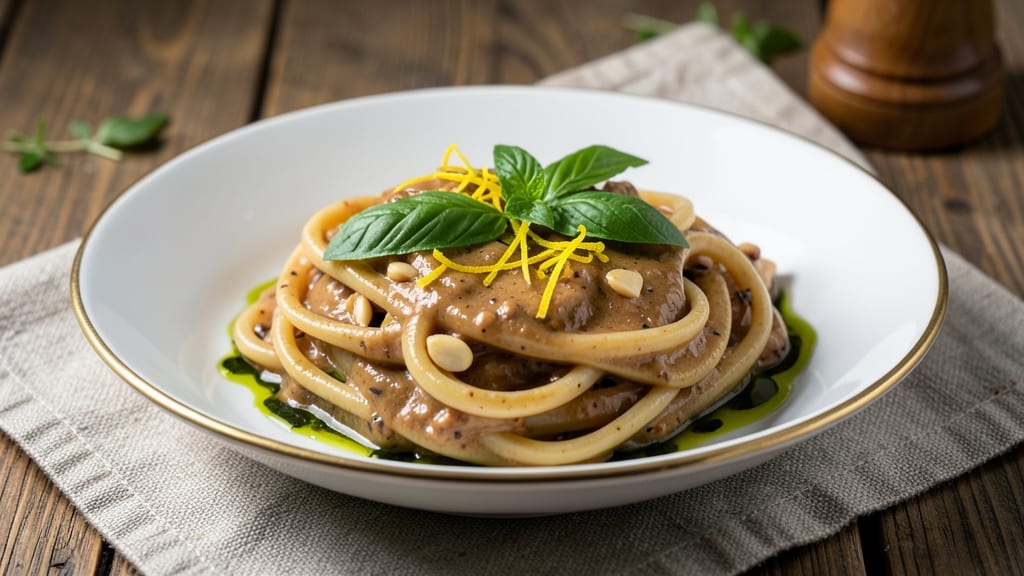
This almond pasta sauce recipe transforms simple ingredients into a velvety, nutty masterpiece that rivals heavy cream sauces—without the dairy. The secret lies in blending almond butter with warm milk and aromatic herbs, creating a sauce that's rich yet light, perfect for vegetarians or anyone seeking a dairy-free alternative.
What sets this apart is its versatility: it works equally well tossed with pasta, drizzled over roasted vegetables, or paired with grilled proteins.
The process is surprisingly straightforward: blend almond butter with warm milk until smooth, then simmer with garlic, lemon zest, and fresh herbs until fragrant. The sauce thickens naturally as it simmers, creating a luxurious consistency that clings beautifully to noodles.
A touch of nutritional yeast adds depth, while a splash of lemon brightens the nutty richness.
What you'll end up with is a sauce that's creamy yet light, packed with nutty flavor and subtle herbal notes. It's the kind of sauce that elevates even the simplest pasta dish into something restaurant-worthy.
The best part? It comes together in 15 minutes with just a handful of ingredients, making it ideal for weeknight dinners or meal prep.
Serve this sauce over your favorite pasta, spoon it alongside roasted chicken or fish, or use it as a dip for crusty bread. The possibilities are endless, and the results are always impressive. Let's get started!
Ingredients for almond pasta sauce
Simple ingredients blend into a luxurious, dairy-free sauce that transforms any dish.
| Ingredient | Amount | Notes |
|---|---|---|
| Natural Almond Butter 🥜 | ½ cup | Creamy, unsweetened preferred |
| Unsweetened Almond Milk 🥛 | 1 cup | Warm before blending |
| Extra-Virgin Olive Oil 🫒 | ¼ cup | For richness and balance |
| Fresh Garlic Cloves 🧄 | 2 cloves | Minced for aromatic base |
| Lemon Zest 🍋 | 1 tbsp | Brightens nutty flavor |
| Fresh Basil Leaves 🌿 | ¼ cup | Chopped for herbal notes |
| Nutritional Yeast 🧀 | 2 tbsp | For cheesy depth |
| Salt 🧂 | ½ tsp | Kosher or sea salt |
| Black Pepper 🌶️ | ¼ tsp | Freshly ground preferred |
| Lemon Juice 🍋 | 1 tbsp | Freshly squeezed |
The almond butter is the heart of this sauce—creamy, unsweetened varieties work best for that velvety texture. Trader Joe's and Whole Foods carry excellent options, but any natural brand will do. Warm the almond milk before blending; it emulsifies better and creates a smoother sauce. Fresh garlic and lemon zest are non-negotiable here—they're what elevates this from basic to restaurant-quality. If you're using dried herbs, double the amount and toast them lightly in the olive oil first for deeper flavor. The nutritional yeast adds that savory depth without dairy, and Bob's Red Mill makes a great organic version.
No almond butter? Cashew butter or tahini work beautifully—just adjust the liquid slightly if needed. Short on fresh basil? Dried basil or parsley at half the amount will still add brightness, though fresh is ideal. The olive oil can be swapped for avocado oil if you prefer a milder flavor. For extra richness, stir in a spoonful of vegan butter at the end. If the sauce seems too thick after simmering, thin it with a splash more almond milk. And if you love garlic like I do, feel free to add an extra clove—it won't hurt anything.
This sauce keeps beautifully in the fridge for 5-6 days, though it's best used within 3 days for maximum freshness. For longer storage, portion into ice cube trays and freeze—perfect for quick pasta nights. Reheat gently on low heat or in the microwave with a splash of water to restore creaminess. The sauce also freezes well for up to 3 months in an airtight container. If you make extra, drizzle it over roasted veggies or use it as a dip for crusty bread—it's that versatile.
Why You'll Love This Recipe
- Here’s what sold me: that velvety texture from almond butter and milk, but with none of the heaviness. The olive oil keeps it rich, and the lemon zest cuts through it just enough to make it bright—like a hug for your taste buds that doesn’t weigh you down.
- I’ll be real: almond butter isn’t cheap, but a little goes a long way here. A single jar stretches across multiple meals, and the other ingredients? Olive oil, garlic, lemon—stuff you already have. It’s the kind of sauce that makes you feel fancy without breaking the bank, and leftovers? They’re basically free dinners.
Step-by-step instructions for almond pasta sauce
This velvety sauce comes together in minutes with simple techniques.
Warm the Almond Milk and Prepare Aromatics
In a small saucepan, gently warm the 1 cup unsweetened almond milk over medium-low heat until it reaches 160°F—just until small bubbles form around the edges. This prevents curdling when combined with the almond butter later. While the milk heats, finely mince the 2 cloves fresh garlic cloves and chop the 0.25 cup fresh basil leaves into small pieces. The garlic should be minced to a paste-like consistency for even distribution.
I always use a microplane for the 1 tbsp lemon zest to avoid any bitter pith, and I press it directly into the warm milk. This infuses the sauce with bright citrus notes that cut through the richness of the almond butter. Let the mixture simmer gently for 2 minutes while you prepare the remaining ingredients—this allows the flavors to meld slightly before combining.
Blend the Base Sauce
Transfer the warm almond milk mixture to a high-speed blender. Add the 0.5 cup natural almond butter, 0.25 cup extra-virgin olive oil, minced garlic, lemon zest, and 2 tbsp nutritional yeast. The nutritional yeast adds a cheesy depth that balances the nutty flavor profile. Blend on high speed for 30-45 seconds until completely smooth, scraping down the sides as needed. The sauce should be thick and creamy, with no visible texture.
If the sauce appears too thick after blending, add 1-2 tablespoons of warm water to reach a pourable consistency. This step is critical—too thick, and the sauce will cling awkwardly to pasta; too thin, and it loses its richness. Taste and adjust seasoning with 0.5 tsp salt and 0.25 tsp black pepper—the pepper should be freshly ground for maximum aroma. The sauce should taste balanced, with the garlic and lemon zest bright but not overpowering.
Simmer and Finish with Acid
Return the blended sauce to the saucepan and place it over low heat. Stir in the chopped 0.25 cup fresh basil leaves and 1 tbsp freshly squeezed lemon juice. Simmer gently for 5-7 minutes, stirring occasionally, until the sauce reaches 170°F. This gentle heating allows the flavors to meld while preventing the sauce from separating. The basil should soften slightly but still retain its vibrant green color.
Here's the thing—this sauce thickens as it cools. If you plan to serve it immediately over hot pasta, you can leave it slightly thinner. However, if you'll be reheating it later, aim for a thicker consistency now. To test, dip a spoon into the sauce and let it cool for 30 seconds—it should coat the back of the spoon smoothly without dripping. If it's too thick, whisk in 1-2 tablespoons of warm water or pasta water to reach the perfect consistency.
Serve Over Pasta or Use as a Drizzle
Strain the sauce through a fine-mesh sieve to remove any basil fibers if you prefer a completely smooth texture. Serve immediately over al dente pasta (this sauce pairs beautifully with spaghetti, linguine, or even gluten-free noodles) or drizzle it over grilled vegetables, roasted chicken, or as a creamy dip for crusty bread. The sauce should coat the pasta evenly, creating a glossy, nutty layer that clings perfectly.
For extra depth, I like to finish with a sprinkle of freshly cracked black pepper and an additional pinch of lemon zest just before serving. This sauce keeps well in the refrigerator for up to 5 days, though it's best enjoyed fresh. If reheating, warm it gently over low heat while stirring constantly to prevent separation. The key to success is patience—don't rush the blending or simmering steps, as they ensure the sauce's velvety texture and balanced flavor.
Pro Tips For Making Almond Pasta Sauce
- Warm the Almond Butter: Dump that cold almond butter straight into the pan and you’ll end up with a clumpy, greasy mess. Heat it gently in a dry saucepan—just 1-2 minutes on low—until it’s smooth and slightly fragrant. This step actually changes the flavor, making it richer without overpowering the sauce.
- Toast the Garlic Right: I used to add raw garlic to the sauce, and it always tasted sharp and undercooked. Instead, sauté 2-3 minced cloves in olive oil until they’re golden and just starting to brown—about 3-4 minutes on medium heat. That’s when the magic happens.
- Thin Gradually, Stir Constantly: Pouring in almond milk all at once? You’ll end up with a watery, separated sauce. Start with ¼ cup, whisking like your life depends on it, then add more in small increments. The sauce should coat the back of a spoon but still hold shape—like a thick, creamy hug.
- Zest Before You Squeeze: Lemon zest adds brightness, but juice makes the sauce bitter and thin. Use a microplane for 1 teaspoon of zest (no pith!) and skip the juice unless you’re balancing something sour. If you must add juice, do it last—just a teaspoon—and taste as you go.
Pro cooking tips for perfect results
Blend Like a Pro
Use a high-speed blender like the Ninja BN601 for that ultra-smooth texture—regular blenders often leave graininess. Warm the almond milk to 160°F before blending to prevent curdling when mixed with almond butter.
I blend on high for 45 seconds to fully emulsify, then scrape down the sides immediately to avoid motor overheating. 💫
Temperature Control
Simmer the sauce over low heat—never medium or higher—to prevent separation. The ideal temperature range is 170-175°F, which keeps the sauce creamy without breaking. I use a thermometer to monitor this, especially if I'm adding extra ingredients like vegan butter.
If the sauce starts to split, whisk in 1 tablespoon of warm water to restore its velvety consistency.
Garlic Mastery
Finely mince the garlic using a microplane or garlic press for even distribution—no visible chunks! Toast the minced garlic in 1 tablespoon olive oil for 30 seconds before adding it to the saucepan.
This step deepens the garlic flavor without bitterness. I always add it to the warm milk mixture first so the aroma infuses the entire sauce. 🧄
Acid Balance
Add the lemon juice and lemon zest at the very end of simmering—never earlier—to preserve their bright flavors. The acidity cuts through the richness of the almond butter and balances the nutritional yeast's cheesiness.
If your sauce tastes too heavy, a splash of extra lemon juice (up to 1/2 teaspoon) can refresh it instantly.
Consistency Testing
For the perfect coating, the sauce should reach a pourable-but-thick consistency. Test it by dipping a spoon into the sauce, letting it cool for 30 seconds, then running your finger through it—it should leave a clean line without dripping.
If it's too thick, thin with 1 tablespoon of warm water or pasta water. If too thin, simmer uncovered for 2-3 minutes to reduce.
Fresh Herbs Trick
Chop the basil leaves just before adding them to the simmering sauce to preserve their vibrant color and aroma. If using dried herbs, toast them in the olive oil first for 1 minute to intensify their flavor.
I also like to reserve 1 tablespoon of fresh basil to garnish the finished dish—it adds a pop of color and freshness that takes the sauce to the next level. 🌿
Nutrition facts
Frequently asked questions
Can I make this almond pasta sauce without a blender?
For a smoother texture, use a food processor instead. If you don't have either, whisk the warm almond milk and almond butter together vigorously for 5 minutes until fully emulsified. The sauce will be slightly thicker but still delicious. For extra creaminess, blend just the almond butter and warm milk first, then whisk in the remaining ingredients by hand.
How do I adjust the flavor if I don't like almonds?
Swap the almond butter for cashew butter or tahini—both create a rich, creamy base with different nutty profiles. For a milder taste, reduce the almond butter to 1/4 cup and add 1/4 cup extra olive oil instead. If you prefer no nuts at all, use vegan butter or silken tofu blended with olive oil for a neutral base.
Can I make this sauce ahead of time?
Yes! Store it in an airtight container in the fridge for 5-6 days, or freeze in 1-cup portions for up to 3 months. To reheat, warm over low heat while stirring constantly to prevent separation. If it thickens too much, whisk in 1-2 tablespoons of warm water or pasta water. The sauce actually improves overnight as flavors meld!
What's the best pasta to pair with this sauce?
This sauce clings beautifully to linguine, spaghetti, or fettuccine for maximum surface area. For extra texture, try pappardelle or gluten-free noodles. Avoid thin strands like angel hair—the sauce may slide off. If serving cold, rigatoni or penne hold the sauce well. For a veggie boost, toss in sautéed mushrooms or roasted cherry tomatoes before serving.
Why did my sauce separate?
Sauce separation usually happens from too much heat or rapid temperature changes. Always simmer over low heat and avoid boiling. If it separates, whisk in 1 tablespoon of warm water or the pasta water while stirring vigorously. For prevention, warm the almond milk to 160°F before blending, and never add cold ingredients to hot sauce. The key is gentle, consistent heat!