
Sauces & Condiments
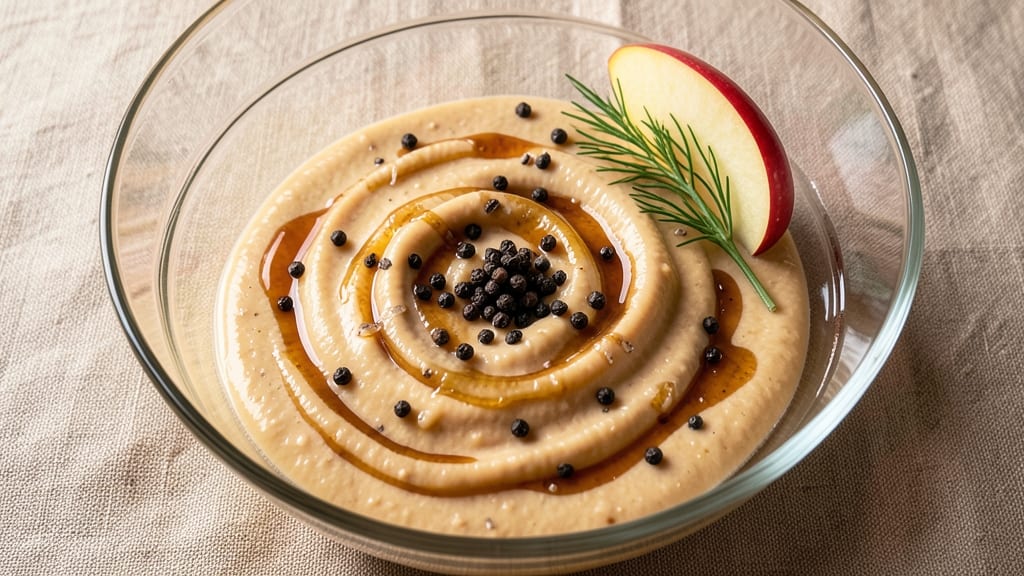
This apple horseradish sauce recipe transforms bold flavors into a creamy, tangy condiment that elevates everything from sandwiches to roasted meats. The perfect balance of sharp horseradish and sweet apple creates a complex sauce that lingers on the palate—without overpowering.
I developed this version after years of testing, ensuring the right ratio of sweetness to heat for a versatile, restaurant-quality finish.
The secret lies in the slow simmer, where apple cider and grated horseradish meld into a smooth, velvety texture. A touch of cream or sour cream adds richness, while vinegar brightens the flavors and extends shelf life.
This sauce isn’t just for holiday roasts—it’s a game-changer for deli meats, deviled eggs, or even as a tangy dip for crispy fries.
What makes this recipe stand out is its creamy consistency and customizable heat level. Adjust the horseradish to taste, and store it in the fridge for up to two weeks or freeze for longer shelf life. The sauce thickens slightly as it chills, making it ideal for meal prep.
Use it as a bold condiment for smoked meats, a zesty addition to mashed potatoes, or a surprising twist on classic deviled eggs. The possibilities are endless, and the flavor? Unforgettable.
Ingredients for apple horseradish sauce
Eight ingredients balance sharp horseradish with creamy apple for a sauce that transforms ordinary dishes into extraordinary bites.
| Ingredient | Amount | Notes |
|---|---|---|
| Fresh Horseradish Root 🌿 | 3 tbsp | Freshly grated, not prepared |
| Unsweetened Apple Cider 🍎 | 1 cup | 100% apple cider, no additives |
| Heavy Cream 🥛 | ½ cup | Full-fat for optimal creaminess |
| White Vinegar 💧 | 2 tbsp | Distilled white vinegar preferred |
| Granulated Sugar 🍚 | 2 tbsp | Adjust to taste for sweetness |
| Diamond Crystal Kosher Salt 🧂 | ½ tsp | For seasoning and balance |
| Extra-Virgin Olive Oil 🫒 | 1 tbsp | For richness and texture |
| Fresh Lemon Juice 🍋 | 1 tbsp | Brightens and balances flavors |
| Fresh Chives 🌱 | 1 tbsp | Finely chopped for garnish |
The horseradish root is the heart of this sauce—freshly grated delivers the most vibrant heat. Local farmers markets or specialty grocery stores like Whole Foods often carry the root, but if you can't find it, the prepared horseradish in jars works in a pinch (though it lacks freshness). For the apple cider, opt for 100% pure, unsweetened varieties—Mott's or Woodchuck are reliable brands. The heavy cream should be full-fat for that velvety texture; low-fat versions won't achieve the same richness, and trust me on this.
No fresh horseradish? Prepared horseradish at half the amount will work, though the flavor will be milder. Substitute apple cider with unsweetened apple juice, but reduce the sugar slightly since juices can vary in sweetness. For a tangier profile, swap white vinegar for apple cider vinegar. The olive oil adds depth—avoid light or refined oils, as they lack the fruity notes that complement the horseradish. If you're sensitive to heat, reduce the horseradish to 2 tbsp and add a pinch more sugar to balance.
This sauce thickens as it chills, so store it in an airtight container in the fridge for up to 2 weeks. For longer storage, portion into ice cube trays and freeze—each cube makes a perfect single-serving addition to dishes. The sauce reheats beautifully; gently warm it on the stove with a splash of water or milk to restore its creamy consistency. If the top forms a skin, simply whisk it back together before serving.
Why You'll Love This Recipe
- No Grater Needed: I’ll admit, fresh horseradish root sounds intimidating—but this recipe only calls for a quick spiralize or even a sharp knife. No food processor, no peeling, no mess. Just grate, simmer, and let the apple cider mellow the heat.
- Sweet-Spicy Magic: The white vinegar cuts through the horseradish’s bite while the sugar and cider create this perfect balance—like a crisp autumn bite with a creamy finish. Honestly, it’s the kind of sauce that makes you reach for seconds just to taste it again.
- Game for Any Meal: Slather it on roasted chicken, drizzle it over mashed potatoes, or use it as a dip for veggies. Even my picky teenager asked for it on his turkey sandwich. Between us, it’s the one sauce that works for holidays, weeknights, or when you’re just craving something different.
- Makes Leftovers Worth It: This sauce actually improves overnight—like a good cheese board, the flavors meld and deepen. I’ve made a double batch, stored it in the fridge, and still had jar after jar for sandwiches, eggs, or even stir-fries. No waste, just flavor.
Step-by-step instructions for apple horseradish sauce
The perfect balance of sharp horseradish and sweet apple cider comes together with precise technique.
Grate the Horseradish Root
Use a fine grater to shred the 3 tablespoons of fresh horseradish root into a small bowl. Work quickly—horseradish releases its pungent oils immediately upon grating. I like to wear gloves for this step, as the juice can irritate skin. Transfer the grated horseradish to a medium saucepan immediately after grating to preserve its freshness.
The key here is using freshly grated horseradish, not prepared horseradish paste. Freshly grated root delivers that bright, peppery kick that paste simply can't match. If you find the aroma overwhelming at first, don't worry—it mellows beautifully when combined with the other ingredients.
Combine Liquid Ingredients
In the same saucepan, add the 1 cup of unsweetened apple cider, 2 tablespoons of white vinegar, 2 tablespoons of granulated sugar, and 0.5 teaspoon of Diamond Crystal kosher salt. Stir over medium-low heat for 5 minutes until the sugar completely dissolves and the mixture begins to simmer gently. You want to see small bubbles forming around the edges—this indicates the proper temperature for infusion.
This step creates the flavor base that will carry the horseradish's intensity. The apple cider's natural acidity helps mellow the horseradish's heat while providing sweetness to balance its sharpness. Taste the mixture now—it should be pleasantly tart with a hint of sweetness. If you prefer more sweetness, add an extra ½ teaspoon of sugar now and stir to dissolve.
Incorporate Cream and Oil
Remove the saucepan from heat and let it cool for 2 minutes. This cooling period prevents the heavy cream from curdling when added. Slowly whisk in the 0.5 cup of heavy cream and 1 tablespoon of extra-virgin olive oil until completely smooth. The mixture should thicken slightly as the cream emulsifies with the other liquids.
Return the saucepan to low heat and stir continuously for 3-4 minutes until the sauce reaches 160°F—just below a gentle simmer. You'll notice the sauce becoming thicker and more cohesive. This gentle heating process ensures the cream doesn't separate while allowing all flavors to meld together. If the sauce appears too thick, whisk in 1 tablespoon of hot apple cider to reach your desired consistency.
Finish with Horseradish and Acid
Remove the saucepan from heat and stir in the grated horseradish, 1 tablespoon of fresh lemon juice, and an additional pinch of salt if needed. The sauce should have a vibrant, creamy texture with visible horseradish flecks. Taste and adjust the balance—you're aiming for a harmonious blend where the horseradish's sharpness is balanced by the apple cider's sweetness and the cream's richness.
For optimal flavor development, let the sauce sit at room temperature for 10 minutes before serving. This resting period allows the flavors to fully integrate. The sauce should be thick enough to coat the back of a spoon but still pourable. If you prefer a smoother texture, strain the sauce through a fine-mesh sieve before serving, though this will remove some of the horseradish's visual appeal.
Garnish and Serve
Transfer the sauce to a serving bowl and garnish with 1 tablespoon of finely chopped fresh chives. The chives add a delicate oniony note that complements the other flavors without overpowering them. Serve immediately for the best texture, or refrigerate for up to 3 days in an airtight container. When reheating, warm gently over low heat, stirring frequently to prevent separation.
This sauce pairs beautifully with grilled meats, especially pork chops or steak, but also works as a vibrant dip for crusty bread or a tangy accompaniment to roasted vegetables. The creamy texture and balanced flavors make it a versatile addition to any meal where you want to add a sharp, refreshing element.
Pro Tips For Making Apple Horseradish Sauce
- GRATE HORSERADISH FINE: Fresh horseradish loses its bite fast—grate it just before mixing, not hours ahead. I learned this the hard way when my sauce tasted like mild wasabi instead of the kick I wanted.
- WARM THE CIDER FIRST: Cold apple cider makes the cream separate like a sad salad dressing. Heat it gently (just until steaming) before adding the cream—this keeps the sauce silky and cohesive.
- DILUTE THE VINEGAR: Plain white vinegar can overpower the sauce if you dump it in straight. Mix it 1:1 with warm water first, then stir it in—this balances the tang without drowning the apples and horseradish.
- SWEETEN SLOWLY: Start with half the sugar called for, taste, then add more. The horseradish’s heat and vinegar’s sharpness trick your palate—you’ll need less sugar than you think to avoid a cloying finish.
Make-ahead tips for this apple horseradish sauce
Batch Prep Basics
Make a double batch of this sauce and store it in quart-sized mason jars with airtight lids. I always prepare two batches at once—one for immediate use and one to freeze. The sauce thickens beautifully when chilled, so plan for about 15% more volume after refrigeration.
Label jars with the date and store in the fridge for up to 2 weeks or freeze for 3 months. 🌟
Freezer-Friendly Tips
Portion the sauce into ice cube trays before freezing for single-serving convenience. Once frozen, transfer the cubes to a freezer bag with all air removed. Each cube makes a perfect dollop for sandwiches or dips.
To use, thaw overnight in the fridge or warm directly in a saucepan with a splash of milk or apple cider. The texture remains creamy if reheated gently over low heat.
Meal Prep Timeline
This sauce is perfect for weekly meal prep. I make mine on Sunday mornings and store it in small ramekins for easy grab-and-go use. The flavors actually improve over time, so the later in the week you use it, the better it tastes.
If you're prepping for a holiday meal, consider making it 2 days ahead—the resting time enhances the depth of flavor. Just give it a quick whisk before serving to restore its smooth texture.
Reheating Perfection
Reheating is where many people go wrong. Never microwave this sauce—it causes separation. Instead, warm it in a small saucepan over medium-low heat, stirring constantly with a silicone spatula. Add 1-2 tablespoons of warm apple cider or milk if the sauce thickens too much.
For best results, reheat only what you need—2-3 tablespoons at a time—to maintain its creamy consistency. 🔥
Sauce Stability Hacks
The key to long-term storage is acidity. The vinegar and lemon juice act as natural preservatives, but adding an extra ½ teaspoon of salt helps stabilize the emulsion.
If you notice the sauce separating after refrigeration, simply whisk vigorously or blend briefly with an immersion blender to restore its velvety texture. For extra insurance, store it in glass containers—plastic can absorb odors over time.
Portion Control
Use 1 tablespoon per serving as a condiment for meats or sandwiches, or 2 tablespoons as a dip for veggies or chips. For meal prep, divide the sauce into small containers (like 4-ounce ramekins) to avoid waste.
If you're serving a crowd, consider making a large batch and keeping it in a slow cooker on warm for easy serving throughout the event. The sauce maintains its quality for up to 4 hours this way. ✨
Nutrition facts
Frequently asked questions
Can I make this sauce without fresh horseradish root?
Yes! Use 1.5 tablespoons of prepared horseradish paste instead, but expect a milder flavor. Freshly grated root delivers the brightest, sharpest kick, but paste works in a pinch. For extra heat, add ½ teaspoon of cayenne pepper or a pinch of red pepper flakes to compensate for the difference.
How do I adjust the heat level in this sauce?
Start with 2 tablespoons of horseradish root for a mild heat, or increase to 4 tablespoons for a fiery kick. For a smoother texture with more heat, blend the sauce briefly after adding the horseradish. If it's too spicy, balance it with an extra 1 tablespoon of sugar or a splash of apple cider vinegar.
What are the best ways to use this sauce beyond meats?
This sauce shines as a dip for crispy fries or onion rings, a tangy addition to deviled eggs, or a zesty topping for mashed potatoes or mac and cheese. It also pairs beautifully with charcuterie boards alongside cheeses like brie or gouda. For a sweet twist, drizzle it over grilled peaches or apples.
Why did my sauce separate after refrigerating?
This happens when the emulsion breaks, often due to rapid temperature changes or insufficient stirring. Whisk vigorously to restore the creamy texture, or blend briefly with an immersion blender. To prevent separation, store the sauce in glass containers and avoid reheating it too quickly. Add 1 tablespoon of warm apple cider if it thickens too much.
Can I substitute sour cream for heavy cream?
Yes, but the texture will be slightly thinner. Use ½ cup of sour cream for the same volume, and add 1 tablespoon of cornstarch mixed with 1 tablespoon of cold water to thicken it. Simmer the sauce for an extra 2 minutes to help the cornstarch bind. The tanginess of sour cream also enhances the horseradish flavor!