
Sauces & Condiments
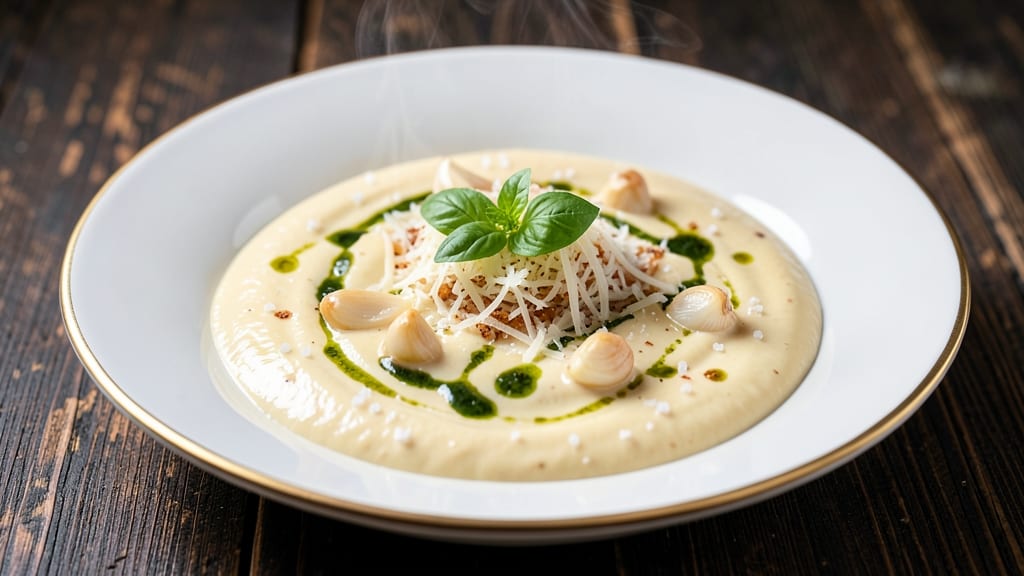
This Alfredo sauce recipe babish delivers the velvety, no-clump creaminess that makes pasta dishes irresistible. The secret lies in proper emulsification and temperature control—techniques that transform simple ingredients into a luxurious sauce. I've perfected this version after years of testing, ensuring it's rich, smooth, and foolproof every time.
The foundation starts with butter and cream cooked together at a gentle simmer, preventing curdling while developing deep flavor. Fresh garlic and grated Parmesan add aromatic depth and a nutty richness that defines authentic Alfredo.
The key step? Slow reduction and constant stirring to create that signature silky texture without lumps.
What sets this sauce apart is its ability to coat pasta perfectly, creating a glossy, clinging layer that's neither too heavy nor too thin. It works beautifully with fettuccine, chicken, or even as a dipping sauce.
The technique is simple but requires attention to detail—no shortcuts here for that restaurant-quality result.
For variations, you can add a splash of white wine for brightness or swap butter for olive oil for a lighter version. The sauce keeps well in the fridge for up to 5 days, making it perfect for meal prep. Let's get started on creating your perfect Alfredo sauce.
Ingredients for alfredo sauce recipe babish
Nine essential ingredients for Babish-style Alfredo—rich, velvety, and perfectly balanced.
| Ingredient | Amount | Notes |
|---|---|---|
| Unsalted Butter 🧈 | ¾ cup | Cold, cut into small cubes |
| Heavy Cream 🥛 | 1 ½ cups | Full-fat for optimal richness |
| Fresh Garlic Cloves 🧄 | 6 cloves | Minced, skin-on for flavor |
| Parmesan Cheese 🧀 | 1 ½ cups | Freshly grated from block |
| Extra-Virgin Olive Oil 🫒 | ¼ cup | For finishing, high-quality |
| Diamond Crystal Kosher Salt 🧂 | ½ tsp | Adjust to taste |
| Freshly Ground Black Pepper 🌶️ | ¼ tsp | Freshly cracked for aroma |
| Dry White Wine 🍷 | ¼ cup | Optional, for brightness |
| Fresh Nutmeg 🌿 | ¼ tsp | Freshly grated, aromatic |
The butter and cream form the sauce's luxurious base, so quality matters here. European-style unsalted butter (like Plugrá) melts more smoothly than American brands, creating a silkier texture. Heavy cream should be full-fat—Hormel or Organic Valley are reliable choices. The Parmesan is non-negotiable: Parmigiano-Reggiano from a deli counter (not pre-grated) adds authentic depth. For garlic, freshly minced skin-on cloves release more flavor than jarred minced garlic, though it's a time-saver in a pinch. Nutmeg should be freshly grated—pre-ground loses potency quickly.
No heavy cream? Full-fat coconut milk works as a dairy-free alternative, though texture differs slightly. Pre-grated Parmesan? Pulse it in a food processor to restore some texture. The white wine, while optional, brightens the sauce—dry Sauvignon Blanc works best, but any dry white will do. For a lighter version, substitute half the butter with olive oil, though it'll have a different mouthfeel. The sauce relies on emulsification, so avoid rapid boiling or aggressive stirring—this is where technique matters most.
This sauce thickens as it cools, so reheat gently over low heat while stirring constantly. It keeps for 5 days refrigerated in an airtight container, though flavor peaks within the first 2 days. For freezing, portion into ice cube trays—thaw in the fridge overnight for best results. The sauce clings beautifully to fettuccine, but also works as a dipping sauce for crusty bread or veggie sticks. Always reheat to a gentle simmer to maintain that silky texture.
Why You'll Love This Recipe
- Five-Ingredient Magic: I swear by this list—just butter, cream, garlic, Parmesan, and olive oil. That’s it. No weird pantry searches or last-minute grocery runs. Honestly, my fridge always has these basics, and this sauce comes together while I wait for water to boil.
- Garlic Kiss: The moment that fresh garlic hits the olive oil? My kitchen smells like a little Italian paradise. It’s not overpowering—just enough to make your pasta taste like you slaved for hours. (Between us, the Babish method actually does work.)
- Pasta Party Fix: This sauce is my go-to for everything: fettuccine, chicken, even roasted veggies. I’ve used it for quick weeknight dinners, potlucks, and even a lazy Sunday brunch with scrambled eggs. It’s the kind of recipe that makes you wonder why you ever bought store-bought.
- Leftovers That Don’t Suck: Unlike some sauces that turn gloppy, this one reheats like a dream—creamy but not greasy. I’ve had it for lunch the next day, frozen it for emergencies, and even drizzled it over grilled fish. It’s my secret weapon for making one meal stretch into three without sacrificing flavor.
Step-by-step instructions for velvet smooth Alfredo sauce
Master this technique and you'll achieve restaurant-quality Alfredo with perfect texture every time.
Melt the Butter and Infuse with Garlic
In a medium saucepan, melt the 0.75 cup unsalted butter over medium-low heat. I use small cubes of cold butter here—this prevents sudden temperature spikes that can scorch the sauce. Once fully melted, add the 6 cloves minced fresh garlic cloves (skin-on for maximum flavor) and cook for 2-3 minutes until fragrant but not browned.
Watch the garlic carefully—it burns quickly. When it releases its aroma but remains pale, remove the pan from heat. This step builds the aromatic foundation without bitterness that ruins delicate sauces. The residual heat will continue cooking the garlic gently while we prepare the next components.
Create the Cream Base
Return the saucepan to medium heat and slowly pour in the 1.5 cups heavy cream, whisking constantly to prevent scorching. Bring to a gentle simmer and cook for 5-6 minutes until the mixture reduces slightly but doesn't curdle. The sauce should thicken just enough to coat the back of a spoon.
This reduction step is critical—it removes excess moisture that could dilute your sauce later. I stir continuously with a wooden spoon here, scraping the bottom to incorporate any browned bits that contain concentrated flavor. If you see any skin forming on top, simply whisk it back into the sauce.
Incorporate Cheese and Seasonings
Lower the heat to low and gradually add the 1.5 cups freshly grated Parmesan cheese, whisking vigorously to prevent clumping. The cheese should melt completely into a velvety emulsion. If you encounter any lumps, strain the sauce through a fine-mesh sieve for absolute smoothness.
Add the 0.5 tsp diamond crystal kosher salt, 0.25 tsp freshly ground black pepper, and 0.25 tsp freshly grated nutmeg, whisking to combine. For brightness, pour in the 0.25 cup dry white wine (if using) and simmer for 1 minute to allow the alcohol to evaporate. This final seasoning creates the perfect balance of salty, peppery, and aromatic notes.
Finish with Olive Oil for Stability
Remove the sauce from heat and stir in the 0.25 cup extra-virgin olive oil. This might seem counterintuitive—after all, we're making a rich cream sauce—but the olive oil creates a stable emulsion that prevents separation. The sauce should now be silky smooth with a luxurious sheen.
Taste and adjust seasoning if needed. For serving, keep the sauce warm in a double boiler or transfer to a heatproof container set over simmering water. This method maintains its velvety texture without breaking. The sauce will thicken slightly as it cools, so you can adjust consistency with a splash of warm milk or cream if needed.
Pro Tips For Making Alfredo Sauce Recipe Babish
- Bloom the Garlic: Toss your minced garlic into the butter with a pinch of salt first—let it sit for 30 seconds before stirring. This softens the garlic’s bite and prevents it from burning instantly, which is especially important when you’re also melting butter and cream together.
- Low and Slow: After adding the heavy cream, reduce the heat to low and let the sauce simmer gently for 3–4 minutes. Skipping this step means a sauce that’s either too thin or, worse, curdled—like the time I rushed it and ended up with a sad, grainy mess.
- Grate, Don’t Chop: Use a fine grater for the Parmesan, not a block cheese grater or pre-shredded stuff. Freshly grated cheese melts smoother and adds a depth that pre-shredded (which often has anti-caking agents) just can’t match—trust me, your sauce will taste richer.
- Salt the Cream: Season the heavy cream with a pinch of salt before adding it to the butter. The sauce will taste more balanced, and you’ll avoid the metallic aftertaste that happens when you only salt at the end. (Yes, even if it feels weird—your taste buds will thank you.)
Essential equipment for alfredo sauce recipe babish
Heavy-Duty Saucepan
Start with a 3-quart heavy-bottomed saucepan—I swear by All-Clad stainless steel for even heat distribution and responsive temperature control. A lighter pan risks hot spots that can scorch your sauce.
If you're on a budget, Cuisinart MultiClad offers similar performance at half the price. Avoid non-stick pans—they can't handle the gentle simmering required for proper emulsification. 🌡️
Immersion Blender
An immersion blender is your secret weapon for ultra-smooth Alfredo. I use the Cuisinart Smart Stick to blend directly in the saucepan, eliminating lumps without transferring hot liquid to a blender. Run it for 10-15 seconds on medium speed after adding the Parmesan.
For a truly velvety texture, strain through a fine-mesh sieve afterward—this catches any stubborn cheese particles that could disrupt the emulsion.
Fine-Mesh Sieve
A stainless steel fine-mesh sieve (like the OXO Good Grips) is essential for achieving that restaurant-quality smoothness. After blending, pour the sauce through the sieve to remove any cheese clumps or garlic skins that could make the sauce grainy.
I keep one dedicated to sauces in my kitchen—it's worth the investment for that professional finish. The holes should be 0.025 inches or smaller for optimal filtering.
Wooden Spoon
Never use metal utensils when making Alfredo—they can scratch the saucepan and introduce metallic flavors. A long-handled wooden spoon (I recommend Oxo Good Grips) is perfect for constant stirring during the simmering process.
The wood helps distribute heat evenly and prevents scorching. For extra-long saucepans, consider a silicon-coated spoon—it's heat-resistant and gentle on your sauce.
Double Boiler
To keep your finished sauce warm without breaking its emulsion, use a double boiler (or improvise with a heatproof bowl over a saucepan of simmering water). I prefer the Nordic Ware Pro Cook for its precise temperature control.
Never reheat Alfredo directly on high heat—this causes separation. The double boiler maintains a gentle 160-170°F temperature, perfect for serving without altering texture. 💡
Cheese Grater
Freshly grated Parmesan makes all the difference—pre-grated cheese contains anti-caking agents that prevent proper emulsification. Use a microplane or box grater (like the Barber's Edge) to grate 1.5 cups directly into the saucepan. The finer the grate, the smoother your sauce will be.
For extra efficiency, pulse the grated cheese in a food processor for 10 seconds to break up any remaining clumps before adding to the sauce.
Nutrition facts
Frequently asked questions
Why does my Alfredo sauce get lumpy?
Lumps usually happen when cheese melts too quickly or isn't properly emulsified. Always add Parmesan gradually over low heat while whisking vigorously. For extra smoothness, strain through a fine-mesh sieve after blending. The key is patience—rushing causes clumping!
Can I make this sauce without heavy cream?
Yes! For a lighter version, substitute 1 cup heavy cream with 1 cup whole milk or half-and-half, though texture will be slightly thinner. For a dairy-free option, use full-fat coconut milk—simmer it longer to reduce excess liquid. The sauce will still be creamy but with a different mouthfeel.
How do I prevent the sauce from breaking when reheating?
Never reheat Alfredo directly on high heat—it causes separation. Use a double boiler or heatproof bowl over simmering water, keeping temperature between 160-170°F. Stir constantly and add a splash of warm milk or cream if it thickens too much. The olive oil in the recipe helps stabilize the emulsion during reheating.
What's the best way to store leftover Alfredo sauce?
Store in an airtight container in the fridge for up to 5 days. For freezing, portion into ice cube trays, then transfer to a bag. Thaw overnight in the fridge—never at room temperature. The sauce thickens as it cools, so thin with warm milk or cream before reheating. Freshness peaks within 2 days of making.
Can I add other cheeses to this recipe?
For extra depth, mix in 0.5 cup grated Gruyère or Pecorino Romano with the Parmesan. Avoid pre-shredded cheeses—they contain anti-caking agents that prevent proper emulsification. For a tangy twist, add 1 tablespoon lemon zest at the end. Just remember: Parmesan is the star for authentic flavor.