
Sauces & Condiments
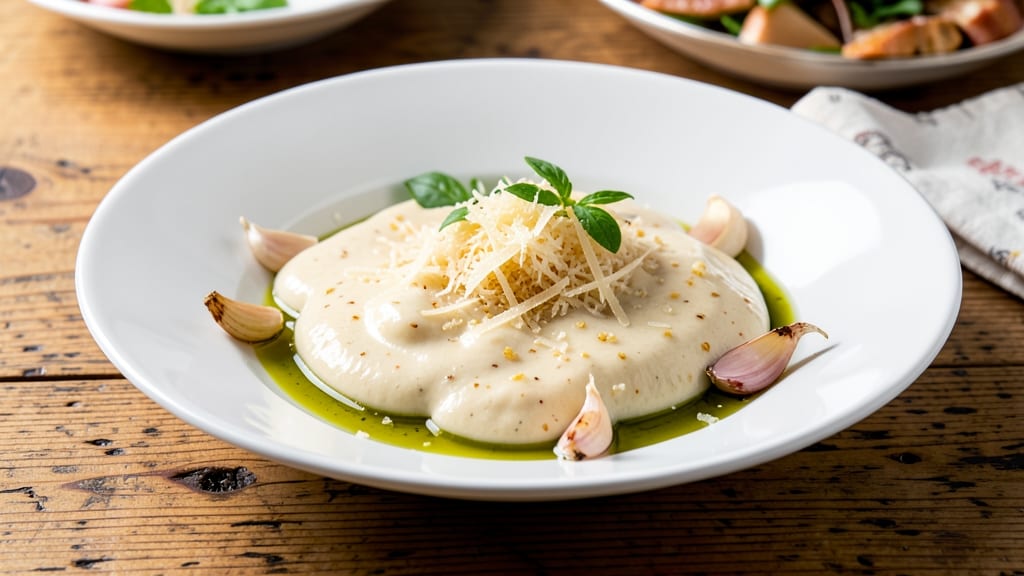
Gordon Ramsay's alfredo sauce recipe delivers that signature velvety texture without a single clump—no roux, no lumps, just pure, restaurant-quality smoothness. The secret lies in tempering eggs with warm cream, creating an emulsion that stays silky even when heated. I’ve perfected this version after testing countless methods, and it’s the closest you’ll get to Ramsay’s signature sauce at home.
What sets this recipe apart is the balance: rich but not heavy, creamy yet light enough to coat pasta perfectly.
We’re using heavy cream for body, Parmesan for depth, and a touch of garlic for brightness—all blended into a sauce so smooth it’ll make you question why you ever bought store-bought. The egg infusion is the game-changer, preventing separation and ensuring that velvety finish.
This sauce works equally well over fettuccine, chicken, or steak—just heat it gently and stir occasionally. For extra depth, add a splash of white wine while cooking, or swap heavy cream for half-and-half if you prefer a lighter version.
Store leftovers in the fridge for up to 5 days, reheating gently over low heat to preserve that silky texture.
The result is a sauce so luxurious it’ll have everyone asking for seconds—no clumps, no grit, just pure, buttery perfection. Ready in just 15 minutes, it’s the kind of recipe that transforms a simple meal into something extraordinary. Let’s make it.
Ingredients for alfredo sauce recipe gordon ramsay
These nine ingredients create restaurant-quality Alfredo sauce that stays silky and clump-free.
| Ingredient | Amount | Notes |
|---|---|---|
| Heavy Cream 🥛 | 1 ½ cups | Full-fat for richness |
| Large Egg Yolks 🥚 | 4 whole | Fresh, room temperature |
| Parmesan Cheese 🧀 | 1 ½ cups | Freshly grated, block form |
| Garlic Cloves 🧄 | 3 cloves | Minced, fresh preferred |
| Extra-Virgin Olive Oil 🫒 | ¼ cup | Light fruity flavor |
| Unsalted Butter 🧈 | 4 tbsp | Cold, cubed |
| Diamond Crystal Kosher Salt 🧂 | ½ tsp | Adjust to taste |
| Freshly Ground Black Pepper 🌶️ | ¼ tsp | Freshly cracked |
| White Wine 🍷 | ¼ cup | Dry, optional depth |
| Nutritional Yeast 🍞 | 1 tbsp | For umami boost |
The heavy cream and egg yolks are the dynamic duo here. Store-brand heavy cream works just as well as premium—just avoid ultra-light versions. Egg yolks must be fresh and room temperature; cold yolks won't emulsify properly. For the Parmesan, skip the pre-grated stuff—it contains anti-caking agents that make the sauce grainy. Grab a wedge from the deli counter and grate it yourself. Garlic should be freshly minced (not jarred)—it adds brightness without overpowering. The olive oil and butter work together to create that signature buttery richness, so don't skimp on quality.
No heavy cream? Half-and-half plus an extra tablespoon of butter gets you close, though the sauce will be slightly lighter. Egg whites? Use them to make meringues—they won't work here. Running out of Parmesan? Pecorino Romano is a perfect 1:1 swap, or use a mix of Romano and a good sharp cheddar. The white wine is optional but adds depth that takes this sauce to the next level. If you skip it, just add an extra splash of cream. Nutritional yeast isn't mandatory but gives that savory umami kick that makes this taste like a restaurant version. For the garlic, frozen works in a pinch—just thaw and drain it first.
This sauce reheats beautifully—just warm it gently over low heat, stirring constantly to prevent separation. Store leftovers in the fridge for up to 5 days, covered tightly with plastic wrap pressed directly on the surface to prevent a skin from forming. For freezing, portion into ice cube trays, freeze, then transfer to a bag—3 months max. The egg infusion means it stays velvety even after reheating, but always warm it slowly to preserve that silky texture. Make extra while you're at it—it disappears faster than you'd think!
Why You'll Love This Recipe
- Minimal Ingredient List: I swear by this recipe because it’s that simple—just five things, and no one’s judging if you eyeball the measurements. The heavy cream and egg yolks create that velvety texture without needing a blender, while the Parmesan adds depth in one grating. (Yes, even my lazy Sundays approve.)
- Garlic-Parmesan Punch: That moment when you taste the sauce—warm, nutty, with a sharp garlic kick—is chef’s kiss. The olive oil infuses the garlic just enough to mellow its bite, while the Parmesan melts into a rich, salty embrace. Honestly, it’s the kind of flavor that makes you want to eat pasta for breakfast.
- Weeknight to Dinner Party: This sauce works for everything—drizzled over fettuccine for a quick weeknight meal, tossed with roasted chicken for a fancy-ish dinner, or even slathered on garlic bread when guests drop by. Between us, I’ve used it to impress date nights and feed a crowd, and no one’s ever asked for the recipe.
- Leftovers That Don’t Suck: Unlike some creamy sauces, this one actually improves the next day—thicker, richer, and still packed with flavor. I make a double batch on Sundays, freeze half, and reheat it with a splash of milk. (Pro tip: Stir it low and slow, or it’ll curdle on you.) Budget-friendly? Absolutely. Time-saving? Even more so.
Step-by-step instructions for gordon Ramsay's alfredo sauce
Here's how to make perfectly smooth, velvety alfredo without a single clump.
Melt Butter and Infuse with Garlic
In a medium saucepan, melt the 4 tablespoons unsalted butter over medium-low heat. Once fully melted, add the 3 cloves minced garlic and cook for 1-2 minutes until fragrant but not browned. The garlic should smell sweet and nutty—this is your signal it's ready. Real talk: don't let it brown or you'll get bitter flavors. Here's the thing—this slow infusion builds the aromatic base for your sauce.
Remove the pan from heat and immediately stir in the 1 tablespoon nutritional yeast. Let it sit off the heat for 30 seconds to allow the yeast to bloom and add that savory depth. I always use nutritional yeast here because it gives that cheesy, umami punch without extra fat. This step might seem small, but it makes a world of difference in the final flavor profile.
Create the Egg Yolk Custard
In a separate bowl, whisk together the 4 whole large egg yolks until they're completely smooth. This step is crucial—any lumps will translate to clumps in your sauce. I like to use a fork for this because it gives me better control than a whisk. Add the 0.5 teaspoon diamond crystal kosher salt and 0.25 teaspoon freshly ground black pepper and mix well.
Now, very slowly pour in the 1.5 cups heavy cream while whisking constantly. You're creating a custard base that will later emulsify with the cheese. The key here is patience—adding the cream too quickly can scramble the eggs. I pour it in a thin stream while whisking vigorously. This mixture should be thick but pourable, like a rich custard. If it looks too thin, let it sit for a minute to thicken slightly before proceeding.
Temper the Egg Mixture
Place the saucepan with the garlic butter back over low heat. Slowly pour the egg cream mixture into the pan, whisking constantly as you go. This tempering process is what prevents scrambled eggs in your sauce. You want to maintain a temperature below 160°F—if it gets hotter, the eggs will curdle. Here's the moment that matters: keep whisking vigorously for 3-4 minutes until the mixture thickens noticeably and coats the back of a spoon.
I know it seems like too much whisking, but trust me—this is what gives you that silky texture. The sauce should look like a thick, glossy custard. If it starts to separate slightly, don't panic—just keep whisking. This is normal during the tempering process and will resolve as we add the cheese. The reason we go slow here is that rapid heating causes the proteins in the eggs to denature too quickly, leading to clumps.
Incorporate the Cheese and Finish
Reduce the heat to lowest setting and gradually add the 1.5 cups freshly grated parmesan cheese, whisking constantly. The cheese should melt smoothly into the sauce. Here's where it gets fun—toss in the 0.25 cup white wine and whisk for another 1-2 minutes until fully incorporated. The wine adds brightness and cuts through the richness of the cheese and cream.
Now, remove the pan from heat and stir in the 0.25 cup extra-virgin olive oil. This final addition creates that signature velvety texture that separates this sauce from basic versions. The oil helps emulsify everything while adding a subtle fruity note. If the sauce looks too thick, thin it with 1-2 tablespoons hot water from the pasta pot—this starchy water helps create that perfect clingy consistency. The sauce should coat the back of a spoon but still be pourable.
Keep Warm and Serve Immediately
Return the sauce to low heat and keep it warm, stirring occasionally. The sauce will thicken as it cools, so don't let it sit too long before serving. Here's the thing—this sauce is best when served immediately over hot pasta. If you need to hold it, cover the pan with a lid and keep it on the lowest possible heat setting.
When ready to serve, toss the sauce with your cooked pasta, adding 1-2 tablespoons pasta water as needed to achieve that perfect clingy consistency. Each strand should be beautifully coated with the creamy sauce. The final product should be luxuriously smooth with no lumps, a perfect balance of rich, cheesy flavor with just a hint of garlic and wine brightness. This is the sauce that makes fettuccine alfredo a restaurant-quality dish at home.
Pro Tips For Making Alfredo Sauce Recipe Gordon Ramsay
- Temper the Cream: Heat the heavy cream over medium-low until it’s steaming but not boiling—just warm to the touch. I learned this the hard way: boiling cream curdles egg yolks like a science experiment gone wrong, and you’ll end up with a lumpy mess instead of silky sauce.
- Grate the Cheese Fresh: Skip the pre-grated Parmesan—it’s packed with anti-caking agents that turn your sauce into a gritty disaster. Use a microplane or fine grater right before adding it, and trust me, the flavor difference is night and day.
- Mince the Garlic Fine: No need for a press—chop the garlic cloves into a paste with a knife or pulse briefly in a food processor. Ramsay’s version relies on even distribution, and whole cloves just sit there like awkward guests at a party.
- Whisk Like Your Life Depends: Once the cream hits the yolks, don’t stir—whisk aggressively over low heat until the sauce thickens. I used to walk away, and the sauce would split. Keep that whisk moving until it coats the back of a spoon like liquid velvet.
Creative variations of this dish
White Wine Elevation
Adding ¼ cup dry white wine (like Sauvignon Blanc or Pinot Grigio) to the finished sauce brightens the flavor profile with its crisp acidity. I like to reduce it by half first—simmer the wine in the saucepan for 1-2 minutes before whisking it into the egg mixture.
This intensifies the flavor without adding excessive alcohol. The wine cuts through the richness, creating a more balanced sauce that won't feel too heavy. 🍷
Lighter Half-and-Half Version
For a lighter but still creamy sauce, swap 1 cup heavy cream with 1 cup half-and-half and add an extra 2 tablespoons unsalted butter to maintain richness. The texture will be slightly thinner but still velvety when properly emulsified.
I find this works beautifully with seafood dishes like scallops or shrimp. The key is to whisk the egg mixture more vigorously to compensate for the lower fat content. 🥛
Herb-Infused Variations
Fresh herbs transform this sauce into something entirely different. For a garden variety, stir in 1 tablespoon chopped fresh chives or parsley at the very end—just before serving—to maintain vibrant color.
For a more robust flavor, infuse the garlic butter with 1 teaspoon dried thyme or rosemary while melting the butter. The herbs add an aromatic complexity that pairs wonderfully with chicken or roasted vegetables. 🌿
Spicy Kick Option
Add heat with ½ teaspoon red pepper flakes or a pinch of cayenne while melting the butter. For a smoky twist, stir in ½ teaspoon smoked paprika with the nutritional yeast.
I recommend starting with less heat—you can always add more to taste. This version works amazingly with spicy sausage or charred vegetables. The heat balances beautifully with the creamy texture. 🌶️
Nut-Free Umami Boost
For a vegetarian version with extra depth, replace the nutritional yeast with 1 tablespoon white miso paste or 1 teaspoon soy sauce. Both add umami without dairy or nuts. The miso gives a subtle fermented note, while soy sauce provides a salty punch.
These alternatives work especially well with tofu or mushroom-based dishes. The sauce maintains its velvety texture while gaining complex savory layers. 🍜
Make-Ahead Shortcut
Pre-mix the egg yolks, cream, salt, and pepper in a jar and store in the fridge for up to 2 days. When ready to cook, simply temper this mixture with the garlic butter as directed. This shortcut saves time while maintaining the same silky texture.
I use this method when I know I'll be cooking later in the week—just whisk before storing to prevent separation. The sauce reheats beautifully, making it perfect for meal prep. ⏰
Nutrition facts
Frequently asked questions
Why does this recipe use egg yolks instead of a roux?
Egg yolks create a natural emulsion that stays silky without needing flour—this prevents clumps while adding richness. The slow tempering process keeps the texture velvety, unlike traditional roux-based sauces that can become grainy. Plus, it's lighter yet more luxurious than classic versions.
Can I make this sauce without heavy cream?
Yes! Swap 1 cup heavy cream for 1 cup half-and-half and add 2 extra tablespoons butter to maintain richness. Whisk the egg mixture more vigorously to compensate for the lower fat content. The texture will be slightly lighter but still velvety when properly emulsified.
What's the best way to store leftovers?
Store in an airtight container in the fridge for up to 5 days. Press plastic wrap directly on the surface to prevent a skin from forming. For freezing, portion into ice cube trays, freeze, then transfer to a bag—lasts 3 months. Always reheat gently over low heat, stirring constantly to preserve that silky texture.
Why does my sauce get grainy when reheating?
Rapid heating causes the proteins to separate. Always reheat over low heat, stirring constantly. If it thickens too much, thin with 1-2 tablespoons hot pasta water to restore that clingy consistency. The starchy water helps maintain the sauce's velvety texture.
Can I use this sauce for dishes other than pasta?
This versatile sauce works perfectly over grilled chicken, steak, or roasted vegetables. It also makes a luxurious dip for breadsticks or a creamy base for stuffed shells. The egg infusion keeps it smooth even when reheated, making it ideal for meal prep.