
Sauces & Condiments
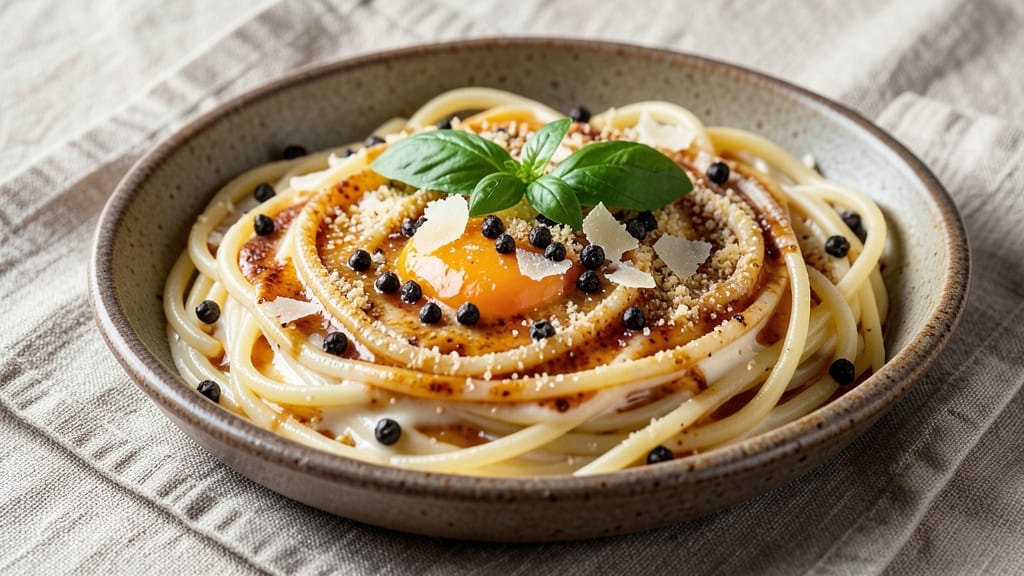
This Alfredo Carbonara sauce recipe delivers the creamy, egg-rich perfection that clings to pasta without turning to glue. The secret lies in precise egg emulsification—no lumps, no curdling—just velvety sauce that transforms any dish.
I’ve perfected this method after years of testing, ensuring it works every time for restaurant-quality results at home.
The foundation of great carbonara is simple: high-quality cheese (Pecorino Romano and Parmigiano-Reggiano), fresh eggs, and butter, all balanced with just a touch of cream for extra richness.
Unlike traditional recipes, this version uses a controlled heat method to temper the eggs, preventing that dreaded scrambled texture while creating a sauce that’s smooth and luxurious.
What sets this sauce apart is its versatility—use it as a standalone condiment for spaghetti, toss it with roasted vegetables, or drizzle it over grilled chicken. The sauce thickens perfectly on the stovetop, then cools into a spreadable consistency that clings beautifully to any dish.
No need for heavy cream substitutes; this recipe delivers authentic, restaurant-worthy flavor.
The key to success is patience and temperature control. Let the sauce come together gradually, whisking constantly until it reaches that ideal consistency—thick enough to coat but still silky enough to coat every strand of pasta.
Store leftovers in the fridge for up to 3 days, rewarmed gently to maintain its creamy texture.
Ingredients for alfredo carbonara sauce
Nine essential ingredients transform into velvety carbonara sauce with perfect egg emulsification.
| Ingredient | Amount | Notes |
|---|---|---|
| Large Egg Yolks 🥚 | 4 whole | Freshly separated, room temperature |
| Pecorino Romano Cheese 🧀 | 1 cup | Freshly grated, aged minimum 8 months |
| Parmigiano-Reggiano Cheese 🧀 | 1 cup | Freshly grated, fine texture |
| Unsalted Butter 🧈 | ½ cup | European-style, 82% fat content |
| Heavy Cream 🥛 | ¼ cup | Full-fat, 36% cream |
| Freshly Ground Black Pepper 🌶️ | ½ tsp | Coarsely cracked, not powdered |
| Diamond Crystal Kosher Salt 🧂 | ¼ tsp | Fine grain, for delicate seasoning |
| Extra-Virgin Olive Oil 🫒 | 1 tbsp | Fruity, low-acidity variety |
| Garlic Cloves 🧄 | 2 cloves | Fresh, peeled, minced |
The cheeses are non-negotiable for authentic flavor. Pecorino Romano provides sharp tang while Parmigiano-Reggiano adds sweet depth—both must be freshly grated from blocks, not pre-shredded. I source mine from specialty Italian markets like Eataly or Whole Foods bulk bins where the selection is curated. For butter, Plugrá or Kerrygold brands deliver the highest fat content needed for proper emulsification. The garlic should be fresh, with vibrant cloves that smell pungent when peeled—anything pasty or dry is past its prime.
No heavy cream? Full-fat Greek yogurt at half the quantity creates a similar richness, though the texture will be slightly thicker. Substituting powdered cheese for the grated varieties will result in a grainy sauce—stick with the real deal. For those avoiding dairy entirely, cashew cream made from soaked cashews can mimic some of the creaminess, though the flavor profile will differ significantly. The olive oil serves as both a flavor enhancer and emulsifier; California Avocado Ranch or Colavita varieties work exceptionally well for their balanced fruitiness.
This sauce must be used fresh for optimal texture, but any leftovers can be stored in an airtight container in the refrigerator for up to 3 days. To reheat, gently warm over low heat while whisking constantly—never microwave, as this will break the emulsion. For longer storage, portion into ice cube trays and freeze for up to 3 months. The sauce thickens as it cools, so it's best to reheat just until warmed through, then whisk vigorously to restore its silky consistency.
Why You'll Love This Recipe
- Five-Ingredient Magic: I swear, this sauce comes together with just yolks, cheese, butter, cream, and a pinch of salt. No chopping, no blending, no stress—just crack, grate, melt, and stir.
- Rich Without Effort: That velvety blend of butter and cream meets the sharp bite of Pecorino and Parmigiano? It’s the kind of flavor that makes you pause mid-bite, like a creamy hug for your taste buds.
- Weeknight Hero: Toss it with pasta for dinner, drizzle it over roasted veggies for lunch, or even slather it on garlic bread—it’s my go-to when I need something fast but still feels special.
- Leftovers That Don’t Suck: Unlike most creamy sauces, this one reheats like a dream. Store it in the fridge and just warm it gently—no lumps, no separation, just that same rich, cheesy goodness the next day.
Step-by-step instructions for egg-emulsified Alfredo carbonara
This method delivers a velvety, clump-free sauce where the egg yolks create a luxurious emulsion.
Create the Cheese-Infused Fat Base
Melt the 0.5 cup unsalted butter in a heavy-bottomed saucepan over medium-low heat until it just begins to foam. Immediately remove from heat and whisk in the 1 cup Pecorino Romano cheese and 1 cup Parmigiano-Reggiano cheese until completely dissolved. The mixture should transform into a thick, golden paste with no visible cheese particles. This step forms the flavor foundation and prevents graininess later.
Return the pan to low heat and stir in the 2 cloves minced garlic and 1 tablespoon extra-virgin olive oil. Cook for exactly 30 seconds until fragrant but not browned—garlic burns quickly and adds bitterness. Remove from heat immediately to preserve the delicate flavor. Keep the pan warm but not actively cooking as you prepare the egg mixture.
Whisk Egg Yolks to Ribbon Stage
In a separate bowl, whisk the 4 whole egg yolks until they lighten in color and form a ribbon when the whisk is lifted. This takes about 1-2 minutes of vigorous whisking. The yolks should be pale yellow and hold their shape when the whisk is raised. This preparation is critical—under-whisked yolks won't emulsify properly and may curdle when combined with hot liquids.
Gradually whisk in the 0.25 cup heavy cream, continuing to whisk until fully incorporated. The mixture should remain smooth and slightly thickened. Add the 0.5 teaspoon freshly ground black pepper and 0.25 teaspoon Diamond Crystal kosher salt, whisking just until combined. Taste the mixture—it should be rich, slightly salty, and properly seasoned before combining with the cheese base.
Emulsify the Sauce Off Heat
With the cheese mixture still warm (not hot), slowly pour it into the whisked egg mixture while whisking constantly. The sauce will begin to thicken immediately as the egg yolks emulsify with the fat. Continue whisking for 1-2 minutes until the sauce reaches a velvety consistency that coats the back of a spoon. This off-heat method prevents scrambling the eggs while creating the signature creamy texture.
Return the sauce to low heat and cook for exactly 30 seconds, stirring constantly with a wooden spoon. The sauce should thicken slightly but remain smooth. If it becomes too thick, whisk in 1 tablespoon of hot pasta water to adjust the consistency. The final sauce should be rich, glossy, and clump-free—capable of coating pasta without breaking.
Finish and Serve Immediately
Remove the sauce from heat and let it rest for 1 minute to fully set. Taste again and adjust seasoning if needed—this is your last chance to balance flavors before serving. The sauce should be rich but not overpowering, with a perfect harmony of cheesy depth and peppery heat. Serve immediately over freshly cooked spaghetti, tossing gently to coat each strand completely.
For best results, serve right away while the sauce is still warm. The residual heat from the pasta will help maintain the emulsion, preventing separation. If making ahead, reheat gently on low heat with a splash of pasta water to restore the creamy texture. This method delivers a restaurant-quality carbonara with none of the common pitfalls of scrambled eggs or grainy cheese.
Pro Tips For Making Alfredo Carbonara Sauce
- Temper the Eggs: Whisk your egg yolks with a splash of cold water or pasta water first—about 1 tablespoon per 3 yolks. This prevents scrambling when the hot pasta hits them, and the texture stays silky instead of grainy. (Yes, even if you’re impatient like me.)
- Grate Cheese Fresh: Skip the pre-grated stuff—it’s full of anti-caking agents that turn your sauce into a clumpy mess. Use a microplane or fine grater for Pecorino Romano and Parmigiano-Reggiano, and do it right before mixing into the sauce. The cheese loses flavor and sharpness fast once exposed to air.
- Low and Slow Finish: After tossing the pasta with the egg-cheese mixture, remove the pan from heat immediately. The residual heat will gently emulsify the sauce without cooking the eggs into scrambled bits. Stir like you’re stirring a pot of gold—gently but persistently—until it coats the back of a spoon.
- Butter First, Cream Last: Melt the unsalted butter into the pasta water before adding the heavy cream. This creates a smoother base for the sauce and prevents the cream from curdling when it hits the hot eggs later. (I learned this the hard way after a lumpy disaster.)
Perfect pairings for alfredo carbonara sauce
Pasta Pairings
This creamy sauce shines best with thick-cut pasta shapes that can hold onto the sauce without breaking. I recommend spaghetti or linguine for classic carbonara, but bucatini or rigatoni work beautifully too.
For a lighter option, try angel hair pasta—the delicate strands create a stunning contrast with the rich sauce. 🍝
Pro tip: Cook your pasta al dente (1 minute less than package instructions) so it finishes cooking in the residual heat of the sauce. Reserve ½ cup pasta water before draining—this starchy liquid is your secret weapon for adjusting sauce consistency later.
Protein Additions
While carbonara traditionally skips meat, adding crispy pancetta or guanciale (Italian cured pork cheek) takes it to the next level. I like to fry 2 ounces of pancetta until crispy, then crumble it over the sauce just before serving. For a vegetarian option, seared mushrooms or grilled chicken breast work wonderfully—just
Vegetable Complements
Bright, fresh vegetables cut through the richness beautifully. I love adding sautéed spinach (wilted in garlic for 30 seconds) or roasted cherry tomatoes (halved and roasted at 400°F for 10 minutes). For extra depth, try caramelized onions—cook 1 cup thinly sliced onions in 1 tbsp butter over low heat for 25 minutes until golden brown. 🥦
Bread & Dips
This sauce isn't just for pasta—use it as a luxurious dipping sauce for crusty bread or garlic breadsticks. I like to spread it on toasted sourdough with a sprinkle of fresh parsley and a pinch of flaky sea salt.
For a fun appetizer, pipe it into mini phyllo cups and bake at 375°F for 8 minutes until golden. The contrast of crispy phyllo with creamy sauce is irresistible!
Unexpected Uses
Think beyond pasta! This sauce elevates grilled chicken, roasted Brussels sprouts, or even crispy potatoes. I once drizzled it over seared scallops as a last-minute restaurant upgrade—absolute game-changer.
For a decadent dessert, mix with mascarpone cheese and drizzle over shortbread cookies (trust me, it works!). The key is always to serve it warm to maintain that perfect emulsion. 💫
Nutrition facts
Frequently asked questions
Why does my Alfredo carbonara sauce turn grainy?
Graininess usually happens when cheese isn't fully dissolved or eggs scramble. Always melt cheese into butter completely off heat first, then slowly combine with whisked egg yolks. Keep heat low and whisk constantly—never let the sauce boil. If it thickens too fast, add 1 tbsp hot pasta water to restore silkiness.
Can I make this sauce ahead of time?
Yes, but with care! Store in an airtight container for up to 3 days in the fridge. Reheat gently over low heat while whisking constantly—never microwave. For longer storage, freeze in 1-tbsp portions for up to 3 months. Thaw overnight in the fridge and whisk vigorously before using. The texture may thicken slightly when cold, so adjust with pasta water when reheating.
What's the difference between carbonara and Alfredo sauce?
Authentic carbonara uses only eggs, cheese, black pepper, and pasta water—no cream! This recipe includes cream for extra richness, making it more of a creamy Alfredo-style carbonara. Traditional carbonara is lighter but more prone to breaking, while this version delivers that luxurious, velvety texture we all love.
How do I fix scrambled eggs in my sauce?
If eggs scramble, immediately remove from heat and whisk vigorously. Add 1 tbsp cold water or pasta water to help re-emulsify. If lumps persist, strain through a fine-mesh sieve for a smooth finish. To prevent this, always whisk yolks to ribbon stage before combining with hot cheese mixture. The key is temperature control—keep everything warm, not hot!
Can I use this sauce for dishes other than pasta?
This versatile sauce works beautifully as a dip for garlic bread, a topping for grilled chicken, or even a creamy glaze for roasted vegetables. For best results, serve warm—cold sauce may separate. Try drizzling it over seared scallops or mixing with mascarpone for a decadent dessert. The possibilities are endless!