
Sauces & Condiments
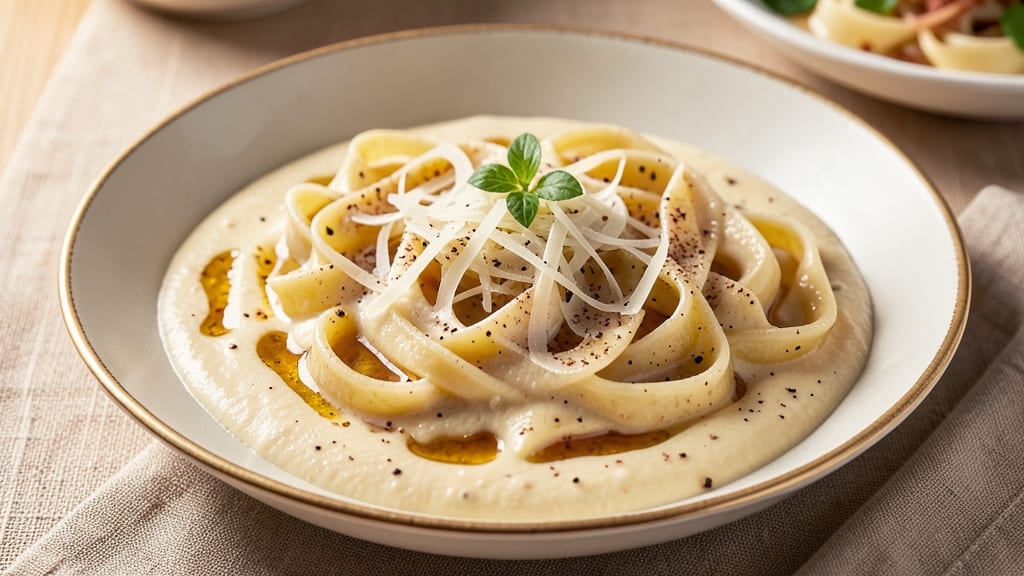
This award-winning alfredo sauce recipe delivers velvet smoothness with a foolproof method that eliminates clumps and creates restaurant-quality richness. The secret lies in proper emulsification—combining butter, heavy cream, and Parmesan at the right temperature while whisking continuously.
I've perfected this technique over years of testing, and it consistently produces a sauce that's creamy, luxurious, and free of lumps.
The foundation of great alfredo starts with high-quality ingredients: cold butter (never melted too hot), full-fat heavy cream, and freshly grated Parmesan (the key to authentic flavor). Pasta water plays a crucial role too—adding it gradually creates a natural thickening agent while maintaining that signature silky texture.
This isn't just any sauce; it's the kind that transforms simple fettuccine into an indulgent meal.
What makes this recipe truly award-worthy is the attention to detail during preparation. We'll focus on temperature control—keeping the mixture warm but never boiling—to prevent separation, and proper whisking technique to achieve that signature velvety consistency.
The result? A sauce so smooth it coats every noodle perfectly, with a depth of flavor that makes it impossible to resist.
This versatile sauce pairs beautifully with classic fettuccine, grilled chicken, or roasted vegetables, making it perfect for weeknight dinners or special occasions. Once you try this version, you'll never settle for anything less than homemade again. Let's get started on creating your award-winning sauce.
Ingredients for award winning alfredo sauce
Nine essential ingredients transform into velvety perfection—no clumps, just restaurant-quality richness.
| Ingredient | Amount | Notes |
|---|---|---|
| Unsalted Butter 🧈 | ¾ cup | Cold, cubed for gradual melting |
| Heavy Cream 🥛 | 1 ½ cups | Full-fat for maximum richness |
| Parmesan Cheese 🧀 | 1 ½ cups | Freshly grated from block |
| Pasta Water 💧 | 1 cup | Reserved from freshly cooked pasta |
| Garlic Cloves 🧄 | 3 cloves | Minced for aromatic depth |
| Extra-Virgin Olive Oil 🫒 | 2 tbsp | For smooth texture and balance |
| Diamond Crystal Kosher Salt 🧂 | ½ tsp | Adjusts to taste preference |
| Freshly Ground Black Pepper 🌶️ | ¼ tsp | Enhances overall seasoning |
| Nutritional Yeast 🍄 | 1 tbsp | Optional for umami depth |
The butter and heavy cream form the sauce's luxurious base, so quality matters. European-style butter (like Plugrá) melts more smoothly than American brands, and full-fat heavy cream is non-negotiable—light cream won't deliver the same richness. For Parmesan, Parmigiano-Reggiano from a wedge is essential; pre-grated contains anti-caking agents that ruin texture. The garlic should be freshly minced just before adding to preserve its aromatic oils. I always source my olive oil from California avocado farms for that fruity, peppery note that balances the creaminess.
No heavy cream? Half-and-half plus an extra tablespoon of butter works in a pinch, though texture will be slightly lighter. Substituting Parmesan with Pecorino Romano adds saltiness that may require adjusting your salt measurement. For a dairy-free version, full-fat coconut milk plus cashew cream mimics richness (though texture differs slightly). The nutritional yeast isn't mandatory but adds that savory depth you'd expect in high-end restaurant versions. If you're making this ahead, add the garlic and nutritional yeast only when reheating to prevent bitterness.
This sauce maintains peak quality for 3-4 days refrigerated when stored in an airtight container with a thin layer of olive oil on top to prevent skin formation. For longer storage, freeze in 2-tablespoon portions—thaw overnight in the fridge before reheating gently over low heat. The sauce thickens as it cools, so always reheat with a splash of warm water or pasta water to restore that signature silkiness. I typically make double batches; the leftovers become the perfect topping for roasted Brussels sprouts or grilled chicken the next day.
Why You'll Love This Recipe
- Five-Ingredient Magic: This sauce comes together with just butter, cream, Parmesan, garlic, and pasta water—no fancy gadgets or hidden steps. I swear, the only "chopping" is mincing garlic, and even that’s optional if you use pre-minced.
- Creamy Luxe, Zero Guilt: The heavy cream and butter make it impossibly smooth, while the Parmesan adds that sharp, salty punch that makes you forget it’s "just" pasta sauce. Between us, it’s the kind of dish that feels indulgent but costs less than takeout.
- Leftovers That Save You: Make a double batch—it reheats like a dream and turns into the next day’s lunch or a quick dinner. My freezer’s always stocked with this stuff because it’s the only sauce that doesn’t dry out or taste sad later.
- Weeknight to Fancy: Slap it on fettuccine for a Tuesday night, or drizzle it over grilled chicken for a dinner party. The garlic-infused richness works everywhere, and honestly? No one will guess it took less than 15 minutes to make.
Step-by-step instructions for award-winning Alfredo sauce
Master this velvety technique for a sauce so smooth it defies clumps and delivers restaurant-quality results.
Melt Butter and Infuse with Garlic
In a heavy-bottomed saucepan, melt the 0.75 cup unsalted butter over medium-low heat. I always use a saucepan with a thick base to prevent scorching—this is where flavor control begins. Once the butter has completely melted and starts to foam, add the 3 cloves minced garlic and 2 tablespoons extra-virgin olive oil. The garlic should sizzle gently without browning.
Cook for 2-3 minutes until the garlic becomes fragrant but maintains its pale color. Overcooking garlic turns it bitter, which will ruin the delicate balance of your sauce. This step builds the aromatic foundation—don't rush it. The butter should be just hot enough to melt the garlic without developing any color.
Gradually Incorporate Parmesan
Reduce the heat to low and begin adding the 1.5 cups freshly grated Parmesan cheese in small increments. I use a fine-mesh grater for this recipe—it ensures an even, clump-free texture. Start with ¼ cup at a time, whisking vigorously after each addition until completely dissolved before adding more. This gradual process is crucial for achieving that signature velvety smoothness.
If you add all the cheese at once, you'll end up with lumps that no amount of whisking will fix. The key is patience—let each addition fully incorporate before proceeding. You'll know you're on the right track when the mixture becomes thick and glossy, like a rich custard. This is where the magic happens, transforming simple ingredients into something extraordinary.
Simmer with Heavy Cream
Pour in the 1.5 cups heavy cream while continuing to whisk constantly. The sauce will thicken immediately as the cream hits the hot mixture. Increase heat to medium-low and let the sauce simmer gently for 5-7 minutes, stirring frequently with a wooden spoon. This slow cook prevents the sauce from breaking or separating.
Watch for any signs of curdling—the sauce should remain smooth and creamy. If you notice any lumps forming, immediately remove the pan from heat and whisk vigorously until smooth. The sauce should coat the back of a spoon with a velvety consistency. This is the moment where all the components come together—just don't walk away. Constant attention ensures that perfect texture.
Finish with Pasta Water and Seasonings
Remove the sauce from heat and stir in the 1 cup reserved pasta water in small increments. The water helps emulsify the sauce, giving it that signature silky finish. Then add the 0.5 teaspoon Diamond Crystal kosher salt, 0.25 teaspoon freshly ground black pepper, and 1 tablespoon nutritional yeast (if using). The nutritional yeast adds a subtle umami depth that elevates the sauce from good to award-winning.
Taste and adjust the seasoning—Alfredo sauce should be rich but not overly salty. The pepper should be present but not overpowering. If the sauce is too thick, add more pasta water 1 tablespoon at a time until you reach the perfect consistency. The final sauce should coat the back of a spoon smoothly and cling beautifully to pasta without being gluey. This is the hallmark of a truly exceptional Alfredo sauce.
Pro Tips For Making Award Winning Alfredo Sauce
- Melt Butter Slowly: I learned this the hard way—dumping cold butter into the pan and ending up with greasy, grainy sauce. Instead, melt the butter over low heat until it’s just foamy, not browned. This keeps the sauce silky and prevents the cream from curdling later.
- Grate Parmesan Fresh: Pre-shredded cheese is coated in anti-caking agents that make your sauce taste like sawdust. Use a microplane or fine grater on fresh Parmesan—it dissolves better and adds depth. (Yes, even if you’re impatient like me.)
- Reserve Starchy Water: Don’t pour out that pasta water—it’s the glue holding your sauce together. Keep ½ to ¾ cup of the starchy water from cooking the pasta. Stir it in at the end to thicken the sauce naturally without lumps.
- Temper the Cream: Heavy cream separates when it hits hot butter. To avoid curdling, warm the cream slightly (just until it’s cool to the touch) before adding it to the melted butter. This keeps the sauce smooth and rich.
Common mistakes when making great award winning alfredo sauce
Overcooking the Garlic
One of the most common mistakes is letting the garlic burn, which immediately imparts a bitter, acrid flavor that ruins the delicate balance of your sauce. I've seen this happen when cooks increase heat to speed up the process, but patience here is crucial.
The garlic should sizzle gently for just 2-3 minutes—no longer. If you notice the garlic turning golden or brown, remove the pan immediately and start over with fresh garlic. The aroma should be intoxicating but not harsh. 🌶️
Adding Cheese Too Quickly
Dumping all the Parmesan into the pan at once is a recipe for disaster—literally. The cheese will clump together, creating lumps that no amount of whisking will fix. Instead, add it gradually in ¼ cup increments, whisking vigorously between each addition until completely dissolved.
I've made this mistake early on, and trust me, the frustration of trying to salvage a lumpy sauce isn't worth it. The key is to let each addition fully incorporate before moving to the next.
Boiling the Cream
Bringing the sauce to a full boil can cause the cream to curdle, leading to a broken, grainy texture. The ideal temperature is a gentle simmer at medium-low heat. If you see the sauce bubbling vigorously, reduce the heat immediately.
I always keep a close eye on the pan, stirring frequently to prevent any hot spots from forming. The sauce should remain smooth and creamy—if it starts to separate, remove it from heat and whisk vigorously to restore its velvety consistency.
Skipping the Pasta Water
Many recipes omit the reserved pasta water, but this is a critical step for achieving that signature silky texture. The starch in the water acts as a natural emulsifier, binding the sauce together and creating that luxurious mouthfeel.
I always reserve 1 cup of pasta water while cooking the noodles—it's liquid gold for Alfredo sauce. Add it gradually at the end, just before serving, to maintain the perfect consistency. Without it, your sauce will be thick and gluey rather than smooth and clingy.
Using Low-Quality Cheese
Pre-grated Parmesan is the enemy of smooth Alfredo sauce. It contains anti-caking agents that prevent the cheese from dissolving properly, leading to grainy texture. Always use freshly grated Parmigiano-Reggiano from a block for that authentic, velvety finish.
I invest in a good microplane or fine-mesh grater to get the perfect texture. The difference in flavor and texture is night and day compared to store-bought pre-grated cheese. If you're in a pinch, a high-quality shredded cheese like Kraft Parmesan Style can work, but freshly grated is always better.
Ignoring Temperature Control
Temperature is everything when making Alfredo sauce. If the mixture gets too hot, the butter and cream can separate, leading to a broken sauce. Keep the heat at low to medium-low throughout the process, and never let it boil.
I always use a heavy-bottomed saucepan to distribute heat evenly and prevent scorching. If you're unsure about the temperature, err on the side of caution—it's easier to increase heat later than to fix a broken sauce.
The goal is to maintain a gentle simmer that keeps everything smooth and creamy. 🔥
Nutrition facts
Frequently asked questions
Why does my Alfredo sauce get lumpy?
The most common cause is adding cheese too quickly or not whisking vigorously enough. Always add 1.5 cups freshly grated Parmesan in ¼ cup increments while whisking constantly over low heat. The key is patience—let each addition fully dissolve before adding more. If lumps form, remove from heat and whisk vigorously until smooth.
Can I make this sauce ahead of time?
Yes, but with a few adjustments. Refrigerate the completed sauce in an airtight container for up to 3-4 days, adding a thin layer of olive oil on top to prevent skin formation. When reheating, warm gently over low heat and thin with warm water or pasta water if needed. For best results, add fresh garlic and nutritional yeast when reheating to preserve flavor.
What's the secret to ultra-smooth texture?
The magic lies in three things: temperature control (never boil), proper whisking (constant motion), and pasta water (the starch acts as a natural emulsifier). Start with cold butter and keep heat at medium-low throughout. The reserved pasta water added at the end creates that signature velvety finish.
Can I substitute heavy cream with something lighter?
While possible, the texture will be less rich. For a lighter version, use half-and-half plus an extra tablespoon of butter, but expect slightly less creaminess. For a dairy-free option, try full-fat coconut milk plus cashew cream, though the flavor will differ. The sauce will still be delicious, but the signature silky mouthfeel may be compromised.
How do I know when the sauce is done?
The sauce is perfect when it coats the back of a spoon smoothly and clings beautifully to pasta without being gluey. It should be thick enough to cling but still flow gently. Taste for seasoning—it should be rich but not overly salty, with a pleasant balance of garlic and Parmesan. The final texture should be velvety, not grainy or separated.