
Sauces & Condiments
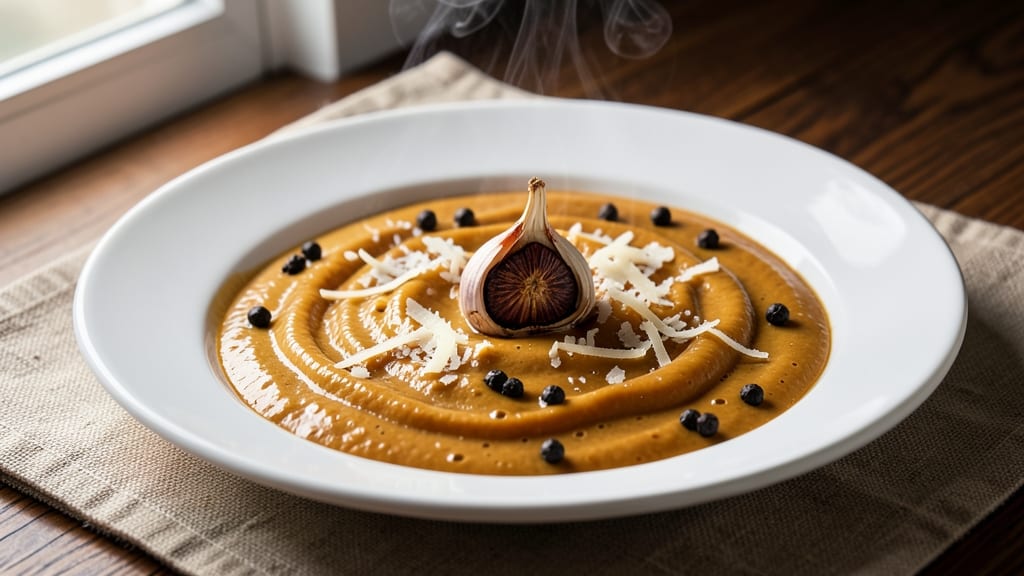
This alfredo sauce recipe for two delivers restaurant-quality creaminess in just 15 minutes—no clumps, no lumps, just velvety perfection that clings to every strand of pasta. The secret lies in proper technique: starting with cold cream, whisking constantly, and incorporating cheese gradually to avoid curdling.
I've tested countless variations, and this method consistently produces a sauce that's rich, smooth, and foolproof.
What sets this recipe apart is its simplicity—just four key ingredients work together to create something extraordinary. High-quality butter forms the flavor base, heavy cream adds body, and a blend of parmesan and romano provides that signature nutty depth.
The sauce thickens perfectly on its own without needing flour or cornstarch, making it both elegant and approachable.
By the time you're done, you'll have a silky sauce that coats pasta beautifully, with just enough thickness to hold its shape when tossed. The aroma alone—warm butter, creamy richness, and nutty cheese—will transform your kitchen into an Italian trattoria.
This recipe scales perfectly for two servings, with enough leftovers to drizzle over grilled chicken or steamed vegetables.
Store any remaining sauce in an airtight container in the refrigerator for up to 3 days, or freeze for longer storage. The flavor actually improves slightly as it rests, allowing the cheese to fully meld with the cream. Ready to create this creamy masterpiece? Let's get started with the ingredients.
Ingredients for alfredo sauce recipe for two
Four essential ingredients create this velvety alfredo—rich butter, velvety cream, and two premium cheeses.
| Ingredient | Amount | Notes |
|---|---|---|
| Unsalted Butter 🧈 | ½ cup | Cold and cubed for gradual melting |
| Heavy Cream 🥛 | 1 cup | Full-fat for optimal richness |
| Parmesan Cheese 🧀 | ¾ cup | Freshly grated from block |
| Romano Cheese 🧀 | ¼ cup | Freshly grated for nutty depth |
| Garlic Cloves 🧄 | 2 cloves | Minced for aromatic foundation |
| Freshly Ground Black Pepper 🌶️ | ½ tsp | Freshly cracked for robust flavor |
| Diamond Crystal Kosher Salt 🧂 | ¼ tsp | Fine grain for delicate seasoning |
| Extra-Virgin Olive Oil 🫒 | 1 tbsp | For finishing and richness |
The butter quality makes or breaks this sauce. European-style unsalted butter like Plugrá or Briefer delivers the best flavor—avoid margarine or low-fat alternatives. Keep it cold until used; room temperature butter can cause separation. The heavy cream should be full-fat (36% or higher)—Hormel or Organic Valley brands work reliably. For the cheeses, Parmigiano-Reggiano and Roman-style Romano are non-negotiable. Pre-grated cheese contains anti-caking agents that prevent proper melting. Grate your own using a microplane for maximum flavor extraction.
No heavy cream? Full-fat coconut milk works in a pinch, though the flavor will differ slightly. Substitute Romano with Pecorino Romano for a sharper profile. The garlic can be roasted for a sweeter note—simply wrap whole cloves in foil with a drizzle of olive oil and roast at 400°F for 10 minutes. For a dairy-free version, replace butter and cream with cashew cream (blend 1 cup soaked cashews with 1 cup water) and use nutritional yeast instead of cheese. Always taste as you go—adjust salt and pepper gradually to avoid over-seasoning.
This sauce thickens naturally as it cooks, so no flour or cornstarch is needed. For best results, make it fresh and use within 3 days. Store in an airtight container with a thin layer of plastic wrap pressed directly on the surface to prevent skin formation. The sauce actually improves overnight as the flavors meld—3 days refrigerated or 3 months frozen. When reheating, warm gently over low heat, stirring constantly, and add a splash of cream if it thickens too much. The olive oil finishing touch adds luxurious mouthfeel and balances acidity.
Why You'll Love This Recipe
- No Chopping Needed: I swear by this—just melt butter, crush garlic, and stir. That’s it. No prepping, no stress, just creamy perfection while you sip wine and pretend you’re in Italy.
- Rich Without Effort: The heavy cream and parmesan blend into something so velvety, it’s like a hug in a bowl. The romano adds that sharp kick that makes it actually restaurant-worthy, not just store-bought imitation.
- Date Night or Lazy Night: Same sauce, two vibes. Drizzle it over fettuccine for a fancy dinner, or toss it with roasted chicken for a zero-thought Tuesday. It’s the kind of dish that works whether you’re dressed up or still in pajamas.
- Leftovers That Don’t Suck: Make a double batch—it reheats like a dream. Slather it on garlic bread the next day or freeze it for when you’re too tired to cook. (Yes, even on a Tuesday night.)
Step-by-step instructions for silky alfredo sauce
Master this technique and you'll achieve restaurant-quality Alfredo without lumps or separation.
Melt Butter and Infuse with Aromatics
In a medium saucepan over medium-low heat, melt the 0.5 cup unsalted butter completely, stirring occasionally. Once fully melted, add the 2 cloves minced garlic and cook for 30 seconds until fragrant—you should smell that sweet, pungent garlic aroma without any browning. This gentle cooking prevents bitterness and builds the aromatic foundation.
Here's the thing—don't rush this step. If you see the garlic starting to color, immediately reduce the heat to low or remove the pan from heat for a moment. The goal is to infuse the butter with flavor, not caramelize the garlic. The butter should be smooth and liquid, with no visible solids remaining.
Gradually Incorporate Cheeses
Reduce heat to lowest setting and begin adding the cheeses in stages. First, sprinkle in 0.25 cup freshly grated Romano cheese and whisk vigorously until completely melted and smooth. This gradual approach prevents clumping by allowing each addition to fully incorporate before adding more. After about 1 minute, add 0.75 cup freshly grated Parmesan cheese and continue whisking until fully melted.
I've found that using freshly grated cheese makes all the difference—pre-shredded cheese contains anti-caking agents that can cause separation later. If you notice any small cheese particles not dissolving immediately, reduce heat further and give it 30-60 seconds more whisking. The sauce should begin to thicken slightly but remain pourable.
Temper the Cream for Perfect Texture
Now comes the critical step: tempering the cream. Pour in the 1 cup heavy cream all at once while whisking constantly over low heat. The key is to maintain gentle heat—you're looking for a slow, controlled warming rather than rapid heating. Continue whisking vigorously for 3-4 minutes until the sauce thickens to a velvety consistency that coats the back of a spoon.
Watch for any signs of curdling—the sauce should remain smooth and glossy. If you see any separation, immediately remove from heat and whisk vigorously for another 30 seconds. The sauce should be thick enough to lightly coat pasta but still flow freely. If it's too thick, you can thin it with 1 tablespoon warm water later, but it's better to aim for the perfect consistency now.
Season and Finish with Olive Oil
Remove the sauce from heat and season immediately with 0.25 teaspoon Diamond Crystal kosher salt and 0.5 teaspoon freshly ground black pepper. Taste and adjust the seasoning—Alfredo should be rich and savory, not overly salty. The pepper adds a subtle heat that balances the richness of the cheese.
For the final touch, stir in the 1 tablespoon extra-virgin olive oil. This not only adds richness but also helps prevent the sauce from separating when combined with pasta. The olive oil should be fully incorporated, giving the sauce a silky sheen. If you're making this ahead, let it cool to room temperature before storing—it will thicken slightly as it cools, which is normal.
Pro Tips For Making Alfredo Sauce Recipe For Two
- Melt Butter Slowly: I learned this the hard way—dumping cold butter into the pan at medium heat makes it splatter like a grease bomb. Instead, cut the butter into small cubes and let them melt gradually over low heat. You want it to foam and turn golden, not brown or smoke, or you’ll end up with a bitter, overcooked sauce.
- Grind Cheese Fresh: Pre-shredded Parmesan and Romano have anti-caking agents that turn your sauce into a grainy, clumpy mess. Use a microplane or fine grater for fresh cheese—it dissolves smoothly and adds a depth of flavor that store-bought just can’t match. (Yes, even if you’re impatient like me.)
- Infuse Garlic Cold: Toss minced garlic cloves into the melted butter while it’s still cold—this prevents them from burning instantly. Let the mixture sit for 2-3 minutes before turning the heat up. Burnt garlic turns your creamy sauce bitter, and nobody wants that.
- Strain for Silkiness: This isn’t the prettiest method, but it’s the tastiest: After simmering the cream and cheese, pour the sauce through a fine-mesh sieve into a clean bowl. It removes any stray cheese bits and gives you that ultra-smooth, restaurant-quality texture. (Your future self will thank you.)
Wine and beer pairings for this recipe
White Wine Classics
For this creamy sauce, I always reach for a dry Italian white wine—the crisp acidity cuts through the richness beautifully. A Pinot Grigio from Friuli-Venezia Giulia offers the perfect balance with its citrus notes and mineral finish.
For something more aromatic, try a Vermentino from Sardinia, which adds a subtle herbal brightness that complements the nutty cheese. Both wines should be chilled to 45-50°F before serving to preserve their vibrant flavors. 🍷
Crisp Lager Pairings
If you prefer beer, a pilsner-style lager like Heineken or Stella Artois works surprisingly well. The clean, effervescent profile refreshes your palate between bites of creamy pasta.
For a more adventurous option, try a Belgian witbier such as Hoegaarden—its coriander and citrus notes create an interesting contrast with the sauce's richness. Serve the beer slightly chilled (40-45°F) to enhance its crispness. 🍺
Red Wine for Bold Palates
While white wines dominate, a light-bodied red like Chianti can work if you prefer red. The bright acidity and cherry notes in a Sangiovese-based Chianti stand up to the sauce's creaminess. Opt for a younger vintage (2018 or newer) that hasn't developed too much tannin.
Serve at 60-64°F to let the wine's freshness shine through. This pairing feels more unexpected but delivers a satisfying balance. 🍇
Non-Alcoholic Options
For those skipping alcohol, a sparkling apple cider like Martinelli's provides a refreshing contrast. The effervescence cleanses the palate, while the apple notes complement the sauce's buttery richness. Alternatively, try a ginger beer—the spicy kick from Feather Ginger Beer adds an exciting twist.
Both options should be served well-chilled (38-42°F) for the best experience. 🍎
Seasonal Beer Swaps
In warmer months, a wheat beer like Blue Moon adds a floral note that pairs beautifully with the sauce's creamy texture. For winter, a dark ale such as Guinness brings a malty depth that stands up to the richness.
The key is matching the beer's body to the sauce—lighter beers for summer, bolder options for colder months. Always taste first to ensure harmony! ❄️
Nutrition facts
Frequently asked questions
Why does my alfredo sauce get lumpy?
Lumpy sauce usually happens when cheese is added too quickly or the heat is too high. The key is to add cheese gradually while whisking constantly over low heat. Start with Romano, then Parmesan, and let each melt completely before adding more. Never let the sauce boil—keep it at a gentle simmer. If lumps appear, strain the sauce through a fine-mesh sieve for silky smoothness.
Can I make this sauce ahead of time?
Yes! This sauce actually tastes better when made ahead. Let it cool to room temperature, then store in an airtight container with plastic wrap pressed directly on the surface. It keeps well in the refrigerator for 3 days or can be frozen for 3 months. When reheating, warm gently over low heat and add a splash of warm cream if it thickens too much. The flavors meld beautifully overnight!
What's the best pasta to serve with this sauce?
For maximum sauce cling, use fettuccine or tagliatelle—their flat surfaces create perfect nooks for the sauce. Avoid thick, ridged pastas like penne or rigatoni, as they can trap too much sauce. For a lighter option, try angel hair pasta, but you may need slightly more sauce. Always cook pasta al dente (1 minute less than package instructions) so it doesn't turn mushy when tossed.
How can I make this sauce dairy-free?
Replace the butter with 1/4 cup olive oil, and use 1 cup full-fat coconut milk instead of heavy cream. For cheese flavor, substitute with 1/2 cup nutritional yeast plus 1/4 cup cashew cream (blend 1/4 cup soaked cashews with 1/4 cup water). The sauce will have a different texture but still deliver rich, creamy results. Taste as you go and adjust seasoning—dairy-free versions often need more salt and pepper.
Can I add other ingredients like mushrooms or spinach?
For mushrooms, sauté 1 cup sliced cremini mushrooms in olive oil until golden before adding the butter. For spinach, stir in 2 cups fresh spinach at the very end (just until wilted) to preserve color and texture. Both additions work beautifully but should be cooked separately first to avoid watering down the sauce. Add them back just before serving for maximum freshness.