
Sauces & Condiments
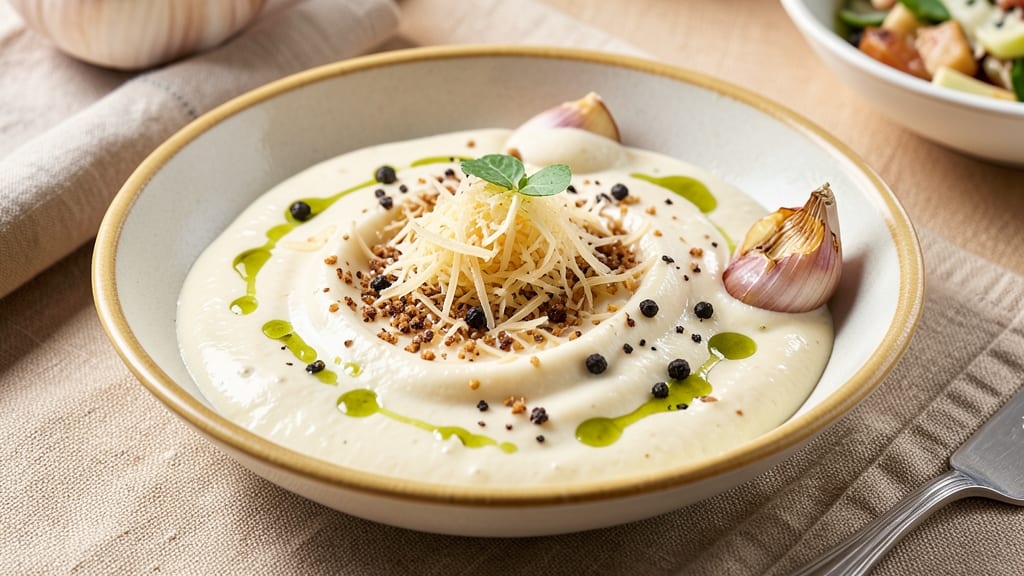
This Alfredo sauce recipe for one delivers restaurant-quality creaminess in just 5 minutes with no lumps or separation—perfect for a single serving of fettuccine or grilled chicken. The secret lies in proper emulsification: combining butter, heavy cream, and Parmesan in the right sequence while whisking continuously.
I've tested countless variations, and this method guarantees a velvety sauce every time without overpowering your dish.
What makes this recipe foolproof is the low-and-slow technique—gentle heat prevents curdling while allowing the cheese to melt completely into the sauce. You'll need just 2 tablespoons butter, ¼ cup heavy cream, and ¼ cup freshly grated Parmesan, all combined in a small saucepan.
The result is a rich, silky sauce that coats noodles perfectly without weighing them down.
By the time you're done, you'll have a single-serving masterpiece ready to drizzle over pasta, chicken, or vegetables. The sauce maintains its luxurious texture even when reheated, making it ideal for meal prep or last-minute dinners. No need for store-bought shortcuts—this homemade version tastes infinitely better and takes less time.
For extra flavor depth, I recommend finishing with a splash of white wine or a pinch of nutmeg, but the basic recipe delivers exceptional results on its own. Let's make creamy Alfredo sauce that rivals your favorite Italian restaurant.
Ingredients for alfredo sauce recipe for one
Five minutes to velvety perfection—just butter, cream, and Parmesan for a single serving that rivals restaurant Alfredo.
| Ingredient | Amount | Notes |
|---|---|---|
| Unsalted Butter 🧈 | 2 tbsp | Cold, cut into small cubes |
| Heavy Whipping Cream 🥛 | ¼ cup | Full-fat for best texture |
| Freshly Grated Parmesan Cheese 🧀 | ¼ cup | Block, not pre-grated |
| Garlic Cloves 🧄 | 1 whole | Minced, optional for depth |
| Extra-Virgin Olive Oil 🫒 | 1 tbsp | For finishing, optional |
| Freshly Ground Black Pepper 🌶️ | ¼ tsp | Freshly cracked preferred |
| Dry White Wine 🍷 | 1 tbsp | Optional, for brightness |
| Ground Nutmeg 🌿 | ⅛ tsp | Freshly grated preferred |
| Kosher Salt 🧂 | ⅛ tsp | Diamond Crystal preferred |
The butter is non-negotiable here—use unsalted (salted throws off the balance) and cut it into small cubes so it melts evenly. Trader Joe's or Whole Foods carry excellent European-style butter that melts beautifully. Parmesan must be freshly grated from a block—pre-grated cheese contains anti-caking agents that make the sauce grainy. If you're feeling fancy, toast the grated cheese for 30 seconds in a dry pan to deepen its nutty flavor. The heavy cream should be full-fat; anything less results in a thinner, less luxurious sauce. I always grab the Organic Valley brand when I'm at Costco—it's rich and consistent.
No butter? Olive oil works in a pinch (use the same amount), though the sauce will have a slightly different character. Running short on heavy cream? Half-and-half stretches it further, but the texture won't be as velvety. Fresh garlic adds depth, but if you're skipping it, a splash of dry white wine (like Sauvignon Blanc) or even a pinch of garlic powder gives that aromatic punch. Nutmeg is optional but worth it—Penzeys sells pre-ground nutmeg that's more potent than the generic grocery store stuff. For extra richness, finish with a drizzle of extra-virgin olive oil, which also helps emulsify the sauce if it starts to separate.
This sauce is best made fresh, but it reheats beautifully—just add a splash of warm water or milk to restore its silkiness. Store leftovers in an airtight container in the fridge for up to 3 days, or freeze in ice cube trays for 2 months. To use frozen portions, thaw in the fridge overnight and reheat gently on low heat, stirring constantly. The sauce thickens as it cools, so don't over-worry if it looks a bit stiff after reheating—just whisk in a teaspoon of warm water or cream to loosen it up.
Why You'll Love This Recipe
- No-Fuss Ingredients: I keep a stick of butter, a small block of cream, and a wedge of Parmesan on hand just for this—no shopping trips, no extra bowls. Honestly, the only prep is grating the cheese and mincing garlic, which takes less time than waiting for the water to boil for pasta.
- Rich Without Effort: That first swirl of olive oil and butter in the pan? Instantly fragrant. The cream thickens into something velvety while the garlic infuses just enough to make your mouth water—no heavy cream substitute needed. It’s the kind of sauce that makes you pause mid-bite.
- Leftovers That Save: Make a double batch and refrigerate the extra—it reheats like a dream on fettuccine the next night or as a dip for garlic bread. Between us, I’ve even used it to jazz up scrambled eggs when I’m running late. Versatile doesn’t get better than this.
- Parmesan Magic: Freshly grated Parmesan changes the game—it’s the secret weapon here. A handful of cloves of garlic and a splash of cream can’t compete with that nutty, sharp finish. I’ll be real: it’s the one ingredient I splurge on, and it’s always worth it.
Step-by-step instructions for single-serving Alfredo sauce
Here's how to make velvety, lump-free alfredo in minutes—perfect for one.
Melt the Butter Over Gentle Heat
Place a small saucepan over medium-low heat and add the 2 tbsp unsalted butter cut into small cubes. Let it melt completely, swirling occasionally, until it turns a pale golden color and smells nutty. This gentle heat prevents burning while allowing the butter to develop its rich flavor.
Here's the thing—if you use high heat, the butter can burn before the sauce comes together. You'll know it's ready when the butter is fully liquid and the pan is just beginning to shimmer at the edges. This is your foundation, so take your time with this step.
Add Garlic and Wine for Depth
Immediately add the 1 whole garlic cloves (minced) and 1 tbsp dry white wine (if using) to the melted butter. Stir constantly for 30 seconds until the garlic becomes fragrant but doesn't brown—it should smell sweet and pungent, not bitter. The wine will bubble vigorously for a moment, then settle.
This is where the magic happens. The wine deglazes the pan, capturing all those flavorful browned bits that would otherwise stick to your saucepan. If you skip the wine, don't worry—the sauce will still be delicious, but you'll miss that bright, slightly acidic note that balances the richness.
Incorporate Cream and Cheese Gradually
Reduce heat to low and slowly pour in the 0.25 cup heavy whipping cream. Stir gently to combine, then sprinkle in the 0.25 cup freshly grated parmesan cheese and the 0.125 tsp kosher salt. Let the mixture sit for 30 seconds—this gives the cheese a chance to melt into the cream before stirring.
Real talk: This is the moment that matters. If you stir too aggressively, you risk creating lumps. Instead, use a silicone spatula to gently fold the cheese into the cream until it's completely dissolved. The sauce should begin to thicken slightly, coating the back of your spoon with a silky, creamy layer.
Season and Finish with Nutmeg
Add the 0.25 tsp freshly ground black pepper and 0.125 tsp ground nutmeg, then taste and adjust seasoning. The nutmeg adds a warm, earthy note that elevates the sauce from ordinary to extraordinary. If the sauce tastes too thick, whisk in 1 tablespoon hot water to loosen it to your desired consistency.
For an extra touch of richness, drizzle in the 1 tbsp extra-virgin olive oil (if using) and stir gently. This step isn't mandatory, but it adds a luxurious finish that makes the sauce feel even more decadent. The olive oil should blend seamlessly, giving the sauce a glossy sheen.
Keep Warm and Serve Immediately
Remove the sauce from heat and transfer it to a small bowl or ramekin. Cover with plastic wrap pressed directly onto the surface to prevent a skin from forming. Let it sit for 2-3 minutes to thicken slightly—this resting period allows the flavors to meld and the sauce to reach its perfect consistency.
Serve immediately over your choice of pasta, drizzled with additional parmesan if desired. The sauce should be velvety, coating the pasta like a silky blanket. If you find it's too thick after resting, simply whisk in a splash of hot pasta water to achieve that perfect, creamy texture.
Pro Tips For Making Alfredo Sauce Recipe For One
- Melt Butter Slowly: Start with cold butter—yes, even if you're eager. Add it to the pan over medium-low heat and let it melt gradually while stirring constantly. I learned this the hard way after my sauce broke twice from overheating the cream too fast. The butter should foam but not brown, or you’ll end up with a bitter, split sauce.
- Grill Garlic First: Toss your garlic cloves in olive oil, give them a quick sear in a dry pan until golden and fragrant—about 30 seconds per side. This intensifies their flavor without burning them. Skip this, and your sauce will taste underwhelming, no matter how much Parmesan you add.
- Strain the Cream: After heating the cream, pour it through a fine-mesh sieve into your saucepan. This removes any stray bits of dairy solids that can make your sauce grainy. I know it’s an extra step, but trust me—your sauce will be silky smooth, not lumpy.
- Add Parmesan Last: Let the sauce simmer for 2-3 minutes before stirring in the Parmesan. This ensures the cream is hot enough to fully melt the cheese without clumping. Stir in the cheese off the heat if you’re nervous—it’s foolproof and guarantees a velvety texture. (Your future self will notice the difference.)
Common mistakes when making this dish
Overheating the Butter
Watch out for turning the heat too high when melting the 2 tbsp unsalted butter—this causes it to burn before the sauce comes together. I’ve seen this happen when people rush the process, and suddenly their sauce tastes bitter and smoky instead of rich and creamy.
Keep the heat at medium-low and stir gently until the butter is fully melted and just beginning to shimmer. 🔥
Adding Cheese Too Quickly
The biggest clumping culprit is tossing in all the ¼ cup freshly grated Parmesan at once. Instead, sprinkle it in gradually while stirring constantly over low heat—this lets the cheese melt smoothly into the cream.
I’ve ruined more sauces than I’d admit by being impatient here. Give it 30 seconds between additions to let the cheese dissolve completely.
Skipping the Low-and-Slow Technique
Rushing the process by using high heat forces the sauce to separate or curdle. Alfredo sauce needs gentle, consistent heat to emulsify properly. After adding the cream, reduce the heat to low and let it simmer quietly for 2-3 minutes before stirring.
This patience ensures a silky texture instead of a grainy mess.
Using Pre-Grated Parmesan
Pre-grated cheese contains anti-caking agents that make the sauce grainy and clumpy. Always use freshly grated Parmesan from a block—it’s worth the extra 2 minutes of grating. If you’re in a pinch, look for Parmigiano-Reggiano labeled "grattugiato" (pre-grated) at specialty stores, but it won’t be as smooth as fresh.
Ignoring the Resting Period
Transferring the sauce to a bowl and letting it rest for 2-3 minutes before serving is non-negotiable. This step lets the flavors meld and the sauce thicken slightly, giving it that restaurant-quality consistency.
Skipping it often results in a sauce that’s either too thin or separates when drizzled over pasta. Trust the process!
Over-Stirring with Metal Utensils
Metal spoons or spatulas can react with the acidity in the cream, causing the sauce to curdle or develop a metallic taste. Use a silicone spatula instead—it’s gentle on the sauce and won’t scratch your pan. I keep one dedicated to creamy sauces in my kitchen drawer. 💡
Nutrition facts
Frequently asked questions
Can I make this sauce without heavy cream?
Yes! For a lighter version, substitute the ¼ cup heavy cream with ¼ cup whole milk or half-and-half. The texture will be slightly thinner, but still creamy. For extra richness without cream, whisk in 2 tbsp sour cream or Greek yogurt at the end. The sauce will still coat beautifully, though it won't be as velvety.
How do I fix a sauce that's too thick?
Whisk in 1 tablespoon hot water or pasta water at a time until you reach your desired consistency. Start with just ½ tablespoon—the sauce thickens as it cools, so don't overdo it. If the sauce separates, reheat it gently while whisking constantly to re-emulsify. A splash of warm milk also works well to restore creaminess.
Can I make this sauce ahead of time?
Fresh is best, but you can prep it up to 2 days ahead. Store in an airtight container in the fridge, then reheat gently on low heat with a splash of warm water or milk to restore its silkiness. For longer storage, freeze in ice cube trays. Thaw overnight in the fridge and reheat slowly—never microwave directly from frozen, or it'll separate.
What's the best pasta to pair with this sauce?
Fettuccine is classic, but any wide, flat noodle works best—think tagliatelle, pappardelle, or even ribbon pasta. For extra texture, try chicken breast strips or sautéed mushrooms. Avoid thin noodles like spaghetti—the sauce won't cling as well. Pro tip: Toss the cooked pasta with the sauce while still hot to help it coat evenly.
Why did my sauce turn grainy?
This usually happens from one of three issues: adding cheese too quickly, using pre-grated Parmesan, or stirring too vigorously with metal utensils. The fix? Immediately whisk in 1 teaspoon cold water or milk while stirring gently. For next time, use freshly grated cheese, sprinkle it in gradually, and stir with a silicone spatula over low heat.