
Sauces & Condiments
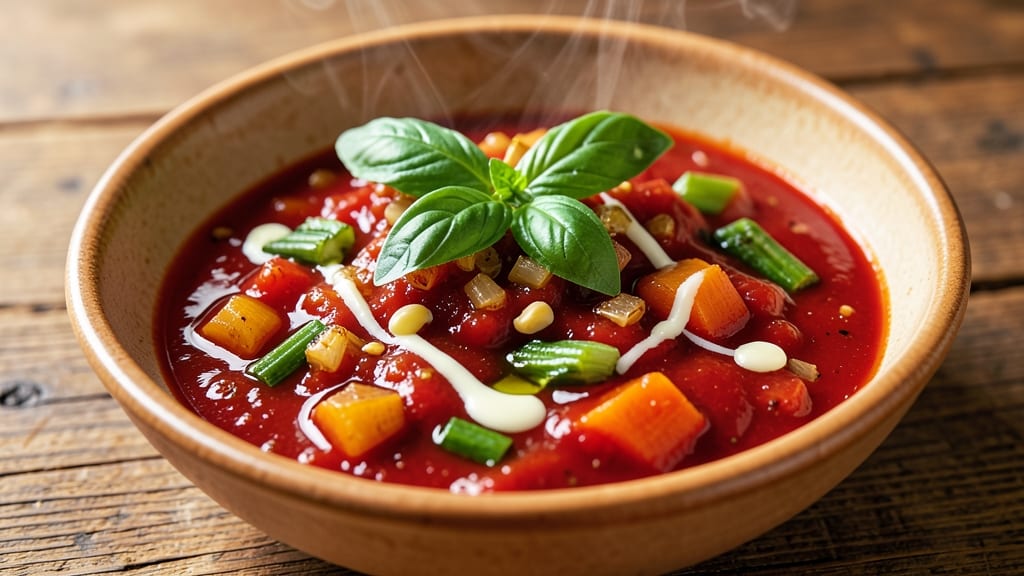
This all natural spaghetti sauce transforms simple ingredients into a rich, velvety sauce with deep umami flavor and no clumps. The secret lies in proper simmering and blending techniques that create a smooth, restaurant-quality consistency every time.
After years of experimenting, I've perfected a method that delivers bold tomato flavor without artificial additives or thickeners.
What sets this sauce apart is the slow-simmered base that develops complex flavors while preventing the dreaded clumping that ruins so many homemade sauces. We'll build layers of flavor by cooking aromatics until fragrant, then blending the sauce to a silky texture that coats perfectly.
The result is a sauce that's equally impressive on fresh pasta or frozen noodles.
This recipe delivers professional-quality results with simple ingredients: fresh tomatoes, aromatic vegetables, quality olive oil, and fresh herbs. The blending technique ensures smoothness without losing the rich tomato flavor, while the simmering process allows flavors to meld beautifully.
You'll end up with a sauce that's versatile enough for any Italian meal.
Whether you're serving with homemade pasta or store-bought noodles, this sauce will elevate your meal to restaurant quality. The best part? It keeps well in the refrigerator for up to 5 days or can be frozen for longer storage.
Let's create this versatile sauce that will become your new weeknight staple.
Ingredients for all natural spaghetti sauce
Simple ingredients that build layers of umami flavor through slow simmering and blending.
| Ingredient | Amount | Notes |
|---|---|---|
| Extra-Virgin Olive Oil 🫒 | ½ cup | High quality, fruity flavor preferred |
| Yellow Onion 🧅 | 1 whole | Medium size, finely chopped |
| Garlic Cloves 🧄 | 6 cloves | Fresh, peeled, minced finely |
| Carrots 🥕 | 1 medium | Peeled, finely diced |
| Celery Stalks 🥬 | 2 whole | Cleaned, finely chopped |
| Canned San Marzano Tomatoes 🍅 | 28 oz | Crushed or whole, no salt added |
| Fresh Tomato Paste 🍅 | 2 tbsp | High quality, no sugar added |
| Dried Basil 🌿 | 1 tbsp | Or 1 tbsp fresh, chopped |
| Dried Oregano 🍃 | 1 tsp | Italian variety preferred |
| Red Wine 🍷 | ½ cup | Dry, bold variety like Cabernet |
| Vegetable Broth 💧 | 1 cup | Low sodium preferred |
| Sea Salt 🧂 | 1 ½ tsp | Diamond Crystal preferred |
| Black Pepper 🌶️ | ½ tsp | Freshly ground preferred |
| Sugar 🍚 | 1 tsp | Optional, balances acidity |
The tomatoes are non-negotiable—San Marzano is the gold standard for sweetness and acid balance. Grab a 28 oz can from Trader Joe's or your local Italian market. Fresh tomatoes work too, but they require more prep. For the onion, yellow is best—sweeter than red and sweeter than white. Don't skip the celery; it adds earthy depth that rounds out the sauce. If you're in a pinch, frozen chopped veggies work, but fresh gives that restaurant-quality texture. The garlic? Six cloves is perfect—enough to add aroma without overpowering.
No San Marzano? Any high-quality canned tomatoes work—just pick ones labeled 'no salt added.' Running low on red wine? Substitute extra vegetable broth or even a splash of balsamic vinegar. Fresh basil is ideal, but dried works at one-third the amount. If your tomato paste is thick and goopy, microwave it 30 seconds to loosen it up before adding. The sugar is optional but helps balance the acidity—skip it if you prefer tart sauce. For a deeper umami punch, add 1 tsp soy sauce or miso paste at the end.
This sauce tastes better the next day as flavors meld. Store in airtight glass jars in the fridge for up to 5 days—the acidity actually preserves it well. For longer storage, freeze in 1-cup portions for easy use. I always make a double batch—one for dinner, one to freeze for lazy nights. The sauce thickens as it cools, so add a splash of broth if it seems too stiff when reheating. Leftovers? Perfect for bruschetta or pizza sauce—just thin with a little water.
Why You'll Love This Recipe
- No Chopping Chaos: I swear by the "sofrito" trick—just dice onion, carrots, and celery once, then let them simmer until they’re practically falling apart. That sweet, mellow base? It’s the secret weapon behind the rich flavor, and honestly, it takes half the work of my old method.
- Garlic Confidence: Between us, I used to burn garlic. But here? The cloves get a gentle toast in olive oil first—just until they’re golden and fragrant, not crispy. That crispy edge with the creamy center? Chef’s kiss. And the olive oil? It carries the flavor like a boss.
- Weeknight to Potluck: This sauce doubles as my go-to weeknight dinner and the one I bring to holiday gatherings. Freeze half for lazy Mondays, then use the rest for company—no one will guess it’s the same recipe. (Yes, even on a Tuesday night.)
- Pantry Goldmine: I make a big batch because the ingredients—onion, carrots, celery—are cheap, and the sauce only gets better over time. Three days in the fridge? Still amazing. Months in the freezer? Still my secret weapon. Budget-friendly doesn’t mean boring.
Step-by-step instructions for slow-simmered umami spaghetti sauce
This method builds deep, complex flavor through patience and technique—not shortcuts.
Sauté the Aromatic Base
Heat the 0.5 cup extra-virgin olive oil in a heavy-bottomed Dutch oven over medium-low heat. Add the finely chopped yellow onion, minced garlic cloves, diced carrots, and chopped celery stalks. Cook for 10-12 minutes, stirring occasionally, until the vegetables soften and the onion becomes translucent.
Here's the thing—don't rush this step. You're building the flavor foundation. The vegetables should release their natural sweetness and meld into a cohesive base. If they start to brown too quickly, reduce the heat slightly. You'll know it's ready when the mixture smells rich and earthy, with no raw onion odor remaining.
Develop the Sauce with Tomato Paste and Wine
Increase heat to medium and stir in the 2 tablespoons fresh tomato paste, spreading it evenly to coat the vegetables. Cook for 2-3 minutes until the paste darkens slightly and becomes fragrant. This step deepens the sauce's umami and prevents clumping later.
Next, pour in the 0.5 cup red wine and scrape up any browned bits from the bottom of the pot. Let it simmer for 3-4 minutes until the wine reduces by half and the alcohol burns off. You'll smell the wine's intensity mellow into something more complex—this is where the magic happens. If the sauce starts to stick, add 1-2 tablespoons vegetable broth to deglaze.
Add Tomatoes and Simmer for Depth
Pour in the 28 oz canned San Marzano tomatoes, breaking them up with a wooden spoon if using whole tomatoes. Stir in the 1 cup vegetable broth, 1 tablespoon dried basil, 1 teaspoon dried oregano, 1.5 teaspoons sea salt, 0.5 teaspoon black pepper, and 1 teaspoon sugar. Bring to a gentle simmer over medium-low heat, then reduce to the lowest setting that maintains a bubble.
This sauce needs time—at least 45 minutes of uncovered simmering. Stir occasionally to prevent sticking, but don't over-stir. The sauce should thicken gradually, developing a glossy sheen and rich color. Taste after 30 minutes and adjust seasoning if needed. The sugar balances acidity, so use it judiciously—you want to taste the tomatoes' natural sweetness, not added sweetness.
Refine and Finish
Once the sauce has thickened to your desired consistency (it should coat the back of a spoon but still be spoonable), remove from heat. Let it sit for 5-10 minutes to allow flavors to meld further. If it's too thick, thin with 1-2 tablespoons water or broth. For extra richness, stir in 1 tablespoon extra-virgin olive oil at the end.
This sauce should be velvety, with visible layers of color and texture—deep reds from the tomatoes, golden hues from the caramelized vegetables, and a glossy finish from the simmering. The aroma should be complex: sweet and tangy from the tomatoes, herbal from the basil and oregano, with a hint of wine's depth. Serve immediately over al dente spaghetti, or store for up to 5 days in the refrigerator—it only gets better with time.
Pro Tips For Making All Natural Spaghetti Sauce
- Sweat the Veggies Slowly: I learned this the hard way—drowning the onion, celery, and carrots in oil and cranking the heat just makes them burn before they soften. Instead, use medium-low heat and let them cook uncovered for 15-20 minutes, stirring occasionally. You want them to break down into a paste, not turn into charred bits. (Yes, even if you’re impatient like me.)
- Mince Garlic Like You Mean It: Whole garlic cloves? Nope. Finely minced garlic—almost like a paste—dissolves into the sauce instead of sitting as distinct cloves. Use the flat side of your knife to crush them first, then mince. This isn’t the prettiest method, but it works every time.
- Skip the Crowding in the Pot: Overfilling the pot with water or sauce? Big mistake. The veggies need room to breathe and release their flavors. Start with about 6 cups of water (or broth if you’re fancy) for every pound of tomatoes—enough so the sauce can simmer freely without sloshing everywhere.
- Deglaze with a Splash of Wine: After browning your onions and garlic, resist the urge to just add tomatoes. Pour in ¼ cup of dry white wine (or even a splash of red) and let it bubble for 30 seconds. The alcohol burns off, leaving behind a deeper, richer base for your sauce. (Your future self will thank you.)
Troubleshooting this recipe
Clumpy Sauce Fix
If your sauce develops clumps, it’s usually from too much stirring or insufficient blending. For a quick fix, simply immersible blend the sauce directly in the pot using an immersion blender for 15-20 seconds on low speed. This breaks up lumps while keeping the sauce in the pot.
If blending isn’t an option, mash clumps with a wooden spoon while reheating over low heat with 1-2 tablespoons water or broth to help smooth it out. 💫
Preventing Skin Formation
Sauce skins form when exposed to air during long simmering. To avoid this, cover the pot with a lightly greased lid (use a small amount of olive oil) or a parchment paper circle to create a seal.
If a skin does form, simply scrape it off before blending or use it to thicken another batch—it’s packed with flavor! For extra insurance, stir the sauce once every 15 minutes during simmering to keep the surface moving. ⏰
Too Thin or Watery
If your sauce is too thin, the issue is usually insufficient simmering time or too much liquid. To thicken, simmer uncovered for an additional 15-20 minutes to let excess moisture evaporate.
For a quicker fix, mix 1 tablespoon cornstarch with 2 tablespoons cold water, stir into the sauce, and simmer for 2-3 minutes until it reaches your desired consistency. Avoid over-thickening—your sauce should still be spoonable, not paste-like. 🥄
Overly Acidic or Sour
If the sauce tastes too tart, balance the acidity by adding ½ teaspoon sugar or 1 teaspoon honey while simmering. For a deeper flavor, stir in 1 tablespoon tomato paste and simmer for 5 minutes to mellow the acid.
If the issue persists, a pinch of baking soda (just ¼ teaspoon) can neutralize acidity—but use sparingly, as too much will alter the flavor. Taste as you go! 🍯
Blending for Smoothness
For a silky texture, blend the sauce after simmering using an immersion blender or transfer to a countertop blender in batches. If you prefer chunky sauce, pulse briefly (just 3-5 seconds) for texture.
Pro tip: Strain the sauce through a fine-mesh sieve after blending to remove any remaining skins or seeds for a ultra-smooth finish. 🌟
Freezer Burn Prevention
To prevent freezer burn, portion sauce into airtight glass jars or silicone ice cube trays, leaving ½-inch headspace for expansion. Seal tightly and freeze for up to 3 months. Thaw in the refrigerator overnight—never microwave directly from frozen, as it can break down the sauce’s texture.
For quick use, reheat frozen portions in a saucepan over low heat with 1 tablespoon broth to restore consistency. ❄️
Nutrition facts
Frequently asked questions
Can I make this sauce without red wine?
The wine adds depth, but you can substitute 0.5 cup extra vegetable broth or 2 tablespoons balsamic vinegar for a similar acidity balance. For richer flavor, try 1 teaspoon soy sauce instead—it boosts umami without alcohol. The sauce will still taste delicious, though the wine contributes to its complexity.
How do I adjust the thickness for different pasta types?
For thin noodles (like angel hair), keep the sauce slightly thinner—add 2-3 tablespoons extra broth before serving. For thick pasta (like fettuccine), let it reduce longer or add 1 tablespoon tomato paste while simmering. The sauce should coat the pasta but not overwhelm it—adjust to your noodle's width!
Why does my sauce taste bland after simmering?
Blandness usually means insufficient seasoning or simmering time. Boost flavor by adding 1 extra garlic clove or ½ teaspoon red pepper flakes at the end. For depth, simmer uncovered 10-15 minutes longer—this concentrates flavors. Also check your salt: Diamond Crystal is coarser, so use ½ tsp more if needed.
Can I use fresh tomatoes instead of canned?
For 3-4 large fresh tomatoes, peel, seed, and chop them finely. Simmer them 10 minutes longer to break down their texture. Add 1 extra tablespoon tomato paste to compensate for their lower acidity. Fresh tomatoes work best when in peak season—their sweetness shines through in the finished sauce.
What's the best way to reheat leftovers?
Gently reheat in a saucepan over low-medium heat, stirring frequently to prevent sticking. Add 1-2 tablespoons water or broth if the sauce thickens too much. For microwave reheating, transfer to a microwave-safe bowl, cover with a damp paper towel, and heat in 30-second intervals, stirring between each. Never boil—this can make the sauce separate.