
Sauces & Condiments
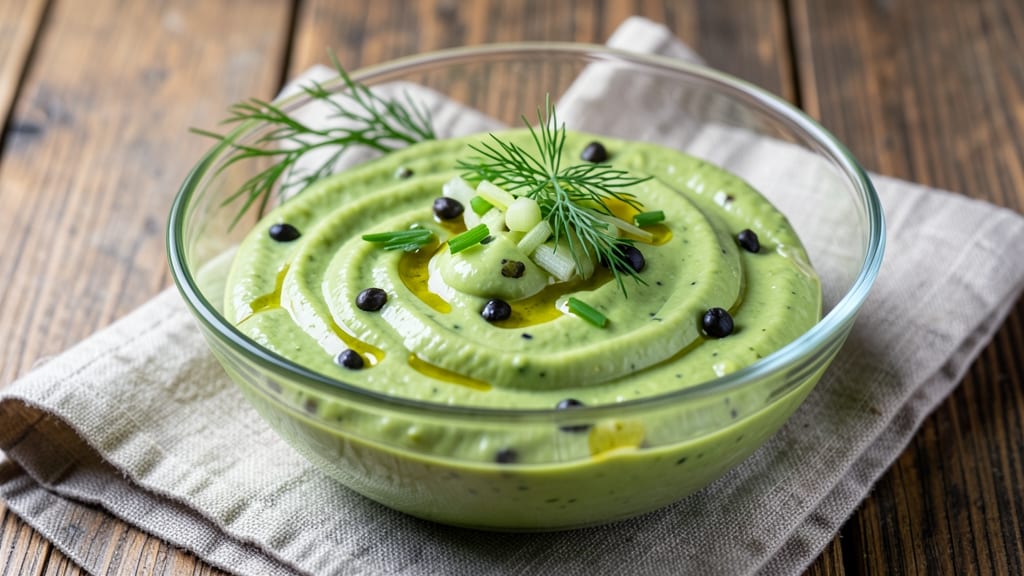
This avocado tartar sauce recipe transforms classic flavors into a vegetarian version that's just as rich and tangy without anchovies or mayo. The secret lies in blending ripe avocado with lemon juice and herbs, creating a velvety texture that clings perfectly to seafood, tacos, or veggie dips.
Unlike traditional recipes, this version avoids clumping and stays fresh for days.
The foundation of this sauce is simple: ripe avocado for creaminess, fresh celery for crunch, and a bright lemon-herb blend that mimics tartar's signature tang. I've tested this recipe countless times to ensure it delivers that signature texture—whether you prefer it smooth or slightly chunky.
The neutral olive oil binds everything together without overpowering the natural flavors.
What sets this apart is its versatility. Use it as a dip for chips, a topping for fish tacos, or a sandwich spread that adds freshness to burgers.
The sauce maintains its vibrant color and creamy consistency for up to 5 days when stored properly, making it perfect for meal prep. No special equipment is needed—just a food processor or fork and a little patience.
For an extra boost of flavor, add a pinch of smoked paprika or a dash of hot sauce, but the base recipe already delivers that perfect balance of tangy, herby, and creamy.
This isn't just another avocado sauce—it's a restaurant-quality condiment that elevates any dish it touches. Let's make it together.
Ingredients for avocado tartar sauce
Nine ingredients transform into a creamy, restaurant-quality sauce that rivals traditional tartar.
| Ingredient | Amount | Notes |
|---|---|---|
| Ripe Avocados 🥑 | 2 whole | Pitted, flesh scooped |
| Fresh Celery Stalks 🧅 | ½ cup | Finely chopped, ribs removed |
| Fresh Lemon Juice 🍋 | 2 tbsp | Freshly squeezed, strained |
| Fresh Dill Weeds 🌿 | ¼ cup | Chopped, stems removed |
| Fresh Chives 🌱 | 2 tbsp | Finely chopped, mild flavor |
| Extra-Virgin Olive Oil 🫒 | ½ cup | Light, neutral flavor preferred |
| Capers 🍈 | 1 tbsp | Chopped, optional for tang |
| Sea Salt 🧂 | ½ tsp | Diamond Crystal preferred |
| Black Pepper 🌶️ | ¼ tsp | Freshly ground for heat |
| Ice Water 💧 | 1 tbsp | For smooth texture adjustment |
The avocados are non-negotiable—ripe but firm is key. Grab the first ones you see that yield slightly to gentle pressure at Whole Foods or your local produce section. Hass avocados work best, and buying a few extra ensures you have perfect ones. Fresh celery matters too—crisp stalks with no brown spots chop up best. I always buy a bunch and store the rest in the fridge for salads. The dill and chives should be bright green, not wilted, and the olive oil should be extra-virgin with a fruity aroma, not rancid.
No capers? Extra lemon juice or a dash of hot sauce adds that signature tang. Swap the chives for more dill if you prefer a stronger herbal note—just remember chives are milder. For a smoother texture, add the ice water gradually; for extra crunch, leave it out. The sauce thickens as it sits, so start with slightly less olive oil if you prefer it looser. If you're short on time, pre-chopped celery from the salad bar works in a pinch, but fresh is always better.
This sauce keeps beautifully—5 days in the fridge if stored properly. Press plastic wrap directly onto the surface to prevent browning. For longer storage, freeze in ice cube trays and transfer to a bag. Thaw overnight in the fridge. The sauce thickens when chilled, so stir in a splash of water or olive oil before serving if needed. Portion into small containers for easy dipping or spreading—perfect for meal prep.
Why You'll Love This Recipe
- No-Fuss Blending: I swear by my trusty immersion blender here—just toss in the avocado, celery, lemon juice, and herbs, hit pulse, and you’re done. No food processor, no straining, just smooth perfection in under five minutes.
- Herb-Packed Zing: That bright dill and chives cut through the richness of the avocado like a breath of fresh air. Honestly, the lemon juice ties everything together so well—tart, creamy, and fresh in every bite.
- Game for Any Meal: Slather it on fish tacos, dollop it over grilled shrimp, or even mix it into deviled eggs. I’ve even used it as a dip for veggies when I’m craving something light but satisfying. It’s my go-to for quick lunches or last-minute dinner upgrades.
- Budget Brightener: Avocados get a bad rap for being pricey, but one ripe one stretches far in this recipe. Celery and herbs are cheap staples, and the sauce keeps for days in the fridge—meaning less waste and more flavor for your money. Plus, it’s way cheaper than store-bought tartar sauce.
Step-by-step instructions for avocado tartar sauce
Here's how to blend this velvety sauce without lumps or separation.
Prepare the Avocado Base
Cut the 2 whole ripe avocados in half, remove the pits, and scoop the flesh into a food processor. I like to use a high-quality processor for this—it makes all the difference in achieving that ultra-smooth texture. Add the 0.5 cup finely chopped celery stalks and the 1 tablespoon chopped capers to the processor. These ingredients add crunch and prevent the sauce from becoming too heavy.
Pulse the mixture a few times just to break it down initially. Don't worry about over-processing yet—we'll handle that in the next step. The avocado should look slightly chunky at this stage, but that's normal. The celery will add a refreshing crispness that balances the richness of the avocado.
Add Herbs and Lemon Juice
Add the 0.25 cup chopped fresh dill weeds and the 2 tablespoons finely chopped fresh chives to the food processor. These herbs bring bright, fresh flavors that elevate the sauce. Next, pour in the 2 tablespoons fresh lemon juice—this is crucial for preventing browning and adding a bright, tangy note that cuts through the richness of the avocado.
Pulse the mixture again until it's completely smooth. You're aiming for a consistency similar to mayonnaise but with a slightly thicker texture. If the mixture looks too thick, we'll adjust it in the next step. The lemon juice will also help emulsify the sauce, keeping it creamy and preventing separation.
Incorporate Olive Oil Gradually
With the food processor running, very slowly drizzle in the 0.5 cup extra-virgin olive oil. This is where the magic happens—adding the oil gradually allows the sauce to emulsify properly, creating a silky, creamy texture. I like to use a light, neutral-flavored olive oil for this recipe to let the avocado and herbs shine.
Continue processing until the oil is fully incorporated and the sauce is completely smooth. If the mixture starts to look too thick, add the 1 tablespoon ice water, 1 teaspoon at a time, until you reach your desired consistency. The ice water helps to lighten the texture without diluting the flavor. The sauce should coat the back of a spoon smoothly without being too thin.
Season and Adjust
Transfer the sauce to a bowl and stir in the 0.5 teaspoon sea salt and 0.25 teaspoon black pepper. Taste and adjust the seasoning as needed—you might need a bit more salt to balance the flavors, especially if you're using ripe avocados. The capers and lemon juice should add enough tang, but if the sauce tastes flat, a squeeze of extra lemon juice can help.
For the best results, cover the bowl and refrigerate the sauce for at least 30 minutes before serving. This allows the flavors to meld together and the texture to settle. The sauce should be creamy, slightly thick, and perfectly balanced between the richness of the avocado and the brightness of the herbs and lemon.
Pro Tips For Making Avocado Tartar Sauce
- Pit the Avocados First: Grab a spoon and work the avocado flesh away from the pit while it’s still in the skin—it’s faster than cutting and scooping. I learned this the hard way after trying to pry out stubborn pits with a knife and nearly slicing my thumb. A little effort here saves frustration later.
- Dice Celery Small: Tiny, even cubes (about 1/8-inch) blend better and won’t turn your sauce into a chunky mess. I used to chop it roughly, thinking it’d disappear, but it just sat there like a sad, uncooperative guest. Fine dice = smooth texture.
- Zest Before Juicing: Run the lemon half over a microplane first—those bright yellow flecks add a pop of color and a subtle citrus aroma. I skipped this for years, and the sauce always felt flat until I tried it. Takes 10 seconds but makes a real difference.
- Pulse, Don’t Purée: Hit the blender or food processor in short bursts (3-4 seconds each) to keep the celery and herbs intact but finely distributed. Over-blending turns it into guacamole. I’ve ruined batches by letting it run too long—now I set a timer.
Best sauces and condiments for this recipe
Creamy Avocado Sauce
This version keeps the texture ultra-smooth by blending avocado with 1 tbsp ice water and 0.5 cup extra-virgin olive oil gradually. The key is processing the avocado until completely smooth before adding the oil—this prevents any graininess.
I use a Ninja BN601 food processor for consistent results. For extra richness, stir in 1 tbsp sour cream or Greek yogurt after blending. 🥑
Chunky Celery Crunch
For texture lovers, pulse the avocado and celery together just until roughly chopped, then fold in the remaining ingredients by hand. The celery adds a satisfying crunch that pairs perfectly with fried foods or tacos.
I like to leave small avocado chunks for visual appeal and bite. For extra tang, add 1 tsp capers or 1 tsp pickled jalapeño to the mix.
Herb Variations
Swap out the dill and chives for other fresh herbs to change the flavor profile. Try 0.25 cup parsley for a milder taste, or 0.25 cup cilantro for a zesty kick.
For a Mediterranean twist, add 1 tsp dried oregano along with the lemon juice. I find that 0.125 cup basil works beautifully in summer versions of this sauce. 🌿
Spicy Kick Options
Add heat with 1 tsp hot sauce (like Cholula or Tabasco) or 1 tsp finely chopped red pepper. For a smoky flavor, mix in 0.5 tsp smoked paprika or a dash of liquid smoke.
I love adding 1 tsp lime zest for a bright finish that cuts through the richness. These additions work best when added after blending the base sauce.
Storage and Freshness
Store in an airtight container with plastic wrap pressed directly on the surface to prevent browning. The sauce keeps for 5 days in the fridge and can be frozen in ice cube trays for up to 3 months.
To revive after freezing, thaw overnight in the fridge and stir in 1 tsp lemon juice to restore brightness. For meal prep, portion into small containers for easy dipping or spreading. ❄️
Nutrition facts
Frequently asked questions
Can I make this sauce without a food processor?
Mash the avocado with a fork first, then mix in all ingredients by hand. For extra creaminess, add 1 tablespoon ice water gradually while stirring. The texture will be slightly thicker but still delicious. Just blend vigorously to avoid clumps.
How do I prevent the sauce from turning brown?
Press plastic wrap directly onto the surface to block air exposure. For extra protection, add 1 extra tablespoon lemon juice when blending. The sauce will darken slightly but stay fresh for 5 days in the fridge. Avoid storing in metal containers as they accelerate oxidation.
What if my avocados aren't ripe enough?
Use slightly underripe avocados by letting them sit at room temperature for 1-2 days first. For immediate use, blend with 1 extra tablespoon olive oil to compensate for the firmer texture. The sauce will still work but may be slightly thicker. Ripe avocados (yielding to gentle pressure) give the best creamy results.
Can I use this sauce as a vegan mayo substitute?
Yes! This avocado sauce works perfectly as a vegan mayo alternative. Spread it on sandwiches, use it in veggie burgers, or mix into coleslaw. The texture is similar to mayo but with a fresh, herby twist. For extra stability, add 1 teaspoon ground flaxseed mixed with 3 tablespoons water as a binder.
What are the best ways to use up leftover sauce?
Freeze in ice cube trays for easy portion control. Use frozen cubes to top soups, blend into dressings, or mix into pasta sauces. The sauce also makes great veggie dip, taco topping, or a creamy spread for toast. Label containers with dates to track freshness.