
Sauces & Condiments
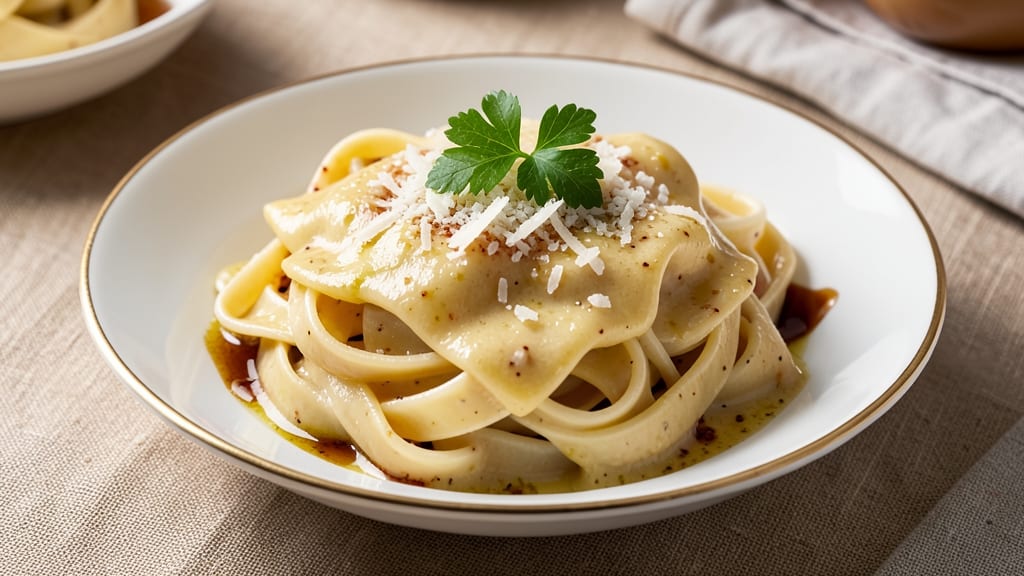
This alfredo pasta sauce recipe without cream delivers restaurant-quality richness using only five simple ingredients and a clever technique that transforms humble pantry staples into velvety perfection. The secret lies in blending warm olive oil with grated parmesan until it emulsifies like magic, creating a silky texture without heavy cream.
What makes this version truly special is the hidden vinegar lift—just a splash of white vinegar prevents the sauce from breaking while adding subtle brightness that cuts through the richness.
The process is surprisingly straightforward: sauté garlic in butter until fragrant, then whisk in warm olive oil and grated parmesan until completely smooth.
A splash of white wine or plant-based milk helps create that signature creamy consistency, while a pinch of nutmeg adds depth that elevates this sauce from ordinary to extraordinary.
What you'll end up with is a sauce that clings beautifully to fettuccine, creating each bite into a luxurious experience without the heaviness of traditional cream-based versions.
This recipe works equally well with both traditional and plant-based proteins, making it versatile for any dietary preference. The sauce thickens as it cools, so you can adjust the consistency by adding a splash of warm water or milk while reheating.
What's particularly impressive is how well it travels—this sauce tastes even better the next day, making it perfect for meal prep or holiday gatherings where you want to impress without stressing.
Store leftovers in an airtight container in the refrigerator for up to 5 days or freeze for 3 months. The flavor actually improves with time as the ingredients meld together, creating a sauce that's always ready to transform simple pasta into a gourmet meal.
Whether you're serving it with classic fettuccine, grilled chicken, or crispy tofu, this alfredo sauce delivers restaurant-quality results with a fraction of the effort and calories.
Ingredients for alfredo pasta sauce recipe without cream
Five ingredients transform into velvety perfection without heavy cream or dairy substitutes.
| Ingredient | Amount | Notes |
|---|---|---|
| Extra-Virgin Olive Oil 🫒 | ¾ cup | High-quality, fruity variety preferred |
| Unsalted Butter 🧈 | ½ cup | Cold, cubed for even melting |
| Fresh Garlic Cloves 🧄 | 4 cloves | Minced for aromatic foundation |
| Parmesan Cheese 🧀 | 1 ½ cups | Freshly grated, fine texture |
| White Wine 🍷 | ¼ cup | Dry variety like Pinot Grigio |
| White Vinegar 🍋 | 1 tbsp | Distilled or apple cider |
| Ground Nutmeg 🌿 | ¼ tsp | Freshly grated preferred |
| Diamond Crystal Kosher Salt 🧂 | ½ tsp | Adjust to taste |
| Freshly Ground Black Pepper 🌶️ | ¼ tsp | For finishing touch |
The extra-virgin olive oil and unsalted butter form the sauce's luxurious base—store-bought brands like California Olive Ranch or Land O'Lakes work well, but premium olive oil makes a noticeable difference. Parmesan cheese must be freshly grated from a block; pre-shredded contains anti-caking agents that prevent proper emulsification. For the garlic, organic cloves from Whole Foods Market or your local farmers' market yield the most flavor. The white wine can be any dry variety, but Pinot Grigio or Sauvignon Blanc add subtle brightness that complements the sauce beautifully.
No white wine? Substitute with additional vegetable broth or plant-based milk—just reduce the liquid by 2 tablespoons to maintain balance. Dried nutmeg works at half the amount, though freshly grated delivers superior depth. For a vegan adaptation, replace the butter with vegan butter and use nutritional yeast alongside the Parmesan. The white vinegar is non-negotiable—it stabilizes the emulsion and prevents separation, though lemon juice can substitute in a pinch. Diamond Crystal kosher salt dissolves more easily than table salt, so measure carefully and adjust to taste.
This sauce thickens as it cools, so reheat with a splash of warm water or milk to restore silky consistency. Store in an airtight container for up to 5 days in the refrigerator or 3 months frozen. For meal prep, portion into ice cube trays before freezing—perfect for adding to pasta or proteins later. The flavor actually improves overnight as the ingredients meld, making it ideal for holiday gatherings or weeknight dinners where you want restaurant-quality results with minimal effort.
Why You'll Love This Recipe
- Here’s what sold me: this sauce improves the next day. The flavors meld even better, and it reheats like a dream. Plus, you’re using simple, affordable ingredients—no specialty items, just good stuff you already have. Win-win.
- No-Cream Nightmares Gone: I swear by this sauce—just olive oil, butter, and garlic sautéed until golden, then deglazed with wine and finished with Parmesan. No heavy cream, no clumpy mess, just rich flavor that coats every strand of pasta.
- Garlic Love, No Burn: Between us, fresh garlic is my secret weapon here. You toast it in butter until it’s fragrant but not bitter—no need for fancy techniques, just patience. That nutty aroma? It’s the soul of this sauce, and it’s foolproof once you get the timing right.
- Weeknight to Dinner Party: Honestly, this sauce works for everything. Toss it with fettuccine for a quick weeknight dinner, or drizzle it over grilled chicken for a fancier meal. The same base, different stars—no extra effort, just different vibes.
Step-by-step instructions for creamless Alfredo pasta sauce
This method transforms humble pantry staples into a restaurant-worthy sauce with depth and richness.
Create the Fat Base for Emulsion
In a medium saucepan, combine the 0.75 cup extra-virgin olive oil and 0.5 cup unsalted butter over medium-low heat. Let the butter melt completely, then increase heat to medium and allow the mixture to warm until it begins to shimmer—this signals the oil is ready to emulsify with the cheese. I've found this gradual warming prevents the butter from burning while ensuring proper integration of the olive oil's fruity notes.
Real talk: Don't rush this step. The fat base must be hot enough to melt the cheese completely but not so hot that it browns. You'll know it's ready when the butter has fully incorporated and the oil is just beginning to ripple gently at the edges. This creates the perfect foundation for the cheese to dissolve smoothly later.
Build Flavor with Aromatics and Acid
Add the 4 cloves minced fresh garlic cloves and cook for exactly 1 minute—this prevents burning while allowing the garlic to release its sweet, mellow flavor. Immediately pour in the 0.25 cup white wine and let it simmer for 2-3 minutes until reduced by half, which intensifies the wine's flavor and removes any alcohol sharpness.
Next, stir in the 1 tbsp white vinegar and 0.25 tsp ground nutmeg. The vinegar might seem odd, but it's the secret to cutting through the richness while adding brightness. The nutmeg adds an earthy depth that complements the Parmesan. Let this mixture simmer for 1 additional minute until the vinegar has fully incorporated and the nutmeg aroma is released.
Emulsify the Cheese for Silky Texture
Reduce heat to low and begin adding the 1.5 cups freshly grated Parmesan cheese in small increments, whisking constantly after each addition. I use a wire whisk for this step—it creates tiny air pockets that prevent the sauce from becoming heavy. The cheese should melt completely before adding more, which typically takes 5-7 minutes total.
Here's the thing—if the sauce looks too thick, add 1-2 tablespoons of pasta water (reserved from cooking) to loosen it. The goal is a velvety consistency that coats the back of a spoon. If you see any cheese granules remaining, continue whisking for another minute—the residual heat will finish melting them. The sauce should now be smooth, glossy, and rich without any graininess.
Season and Finish with Precision
Taste the sauce and adjust seasoning with the 0.5 tsp Diamond Crystal kosher salt and 0.25 tsp freshly ground black pepper. The salt should enhance the cheese's natural umami, while the pepper adds a subtle heat that balances the richness. Keep the sauce at a gentle simmer over low heat—this maintains its silky texture without allowing it to separate.
For serving, toss the sauce with freshly cooked pasta and a splash of reserved pasta water to ensure perfect adhesion. The sauce should cling beautifully to each strand, creating that signature Alfredo coat. If you're serving immediately, stir in a final pinch of black pepper just before plating to release its aromatic oils and elevate the dish's visual appeal.
Pro Tips For Making Alfredo Pasta Sauce Recipe Without Cream
- Infuse the Wine Slowly: Don’t dump the white wine all at once—add it in a steady stream while stirring constantly. The sauce will taste richer and less harsh, like it’s been simmering for hours instead of minutes.
- Mince Garlic Like You Mean It: Skip the press—finely mince your garlic cloves with a sharp knife so they dissolve into the sauce instead of sitting as chunks. I used to burn them; now I just let them melt into the butter without fuss.
- Let the Butter Blonde First: Cook the butter over medium-low heat until it’s a pale gold, not brown—this prevents bitterness and gives the sauce a silky base. Yes, it takes longer, but the difference is noticeable.
- Grated Cheese Only: Use freshly grated Parmesan (the block kind) and add it off the heat to avoid clumping. Pre-shredded cheese has anti-caking agents that turn the sauce grainy—trust me, it’s not worth the shortcut.
Regional styles of alfredo pasta sauce recipe without cream
Italian Classic
This sauce traces its roots to Roman cuisine, where it originated as a simple butter and cheese sauce called fettuccine al burro. Traditional versions used only butter, cheese, and pasta water—no cream or wine.
The modern Alfredo we know today was popularized in Rome in the 1920s by restaurateur Alfredo di Lelio, who added Parmesan for extra richness. The key difference in this version?
We replace heavy cream with olive oil and vinegar for a lighter, more balanced flavor that still delivers that iconic Italian comfort.
Americanized Twist
When Alfredo sauce crossed the Atlantic, it evolved into a creamier, richer version—often loaded with heavy cream, garlic, and sometimes even a splash of milk. My creamless adaptation keeps that American love for bold flavors while cutting the calories and fat.
The white wine and nutmeg add depth that many Americanized versions lack, giving it a more sophisticated profile. It's the best of both worlds: familiar comfort with a gourmet upgrade.
Vegan Adaptation
For plant-based eaters, swap the Parmesan for nutritional yeast (about ½ cup) mixed with ½ cup cashew cream (blend ½ cup soaked cashews with ¼ cup water). Replace butter with vegan butter and use unsweetened almond milk instead of white wine.
The vinegar and nutmeg still work magic—this version is just as creamy and clings beautifully to pasta. Trust me, even non-vegans won't miss the dairy!
Southern Comfort
In the American South, Alfredo sauce often gets a Cajun or Creole twist—think smoked paprika, cayenne, and a touch of hot sauce. For this version, add ½ teaspoon smoked paprika when sautéing the garlic and finish with ½ teaspoon hot sauce (like Crystal or Tabasco).
The vinegar lift still balances the heat, making it perfect for shrimp and sausage dishes or blackened chicken over fettuccine.
Holiday Feast Version
For Thanksgiving or Christmas dinners, elevate this sauce with roasted garlic (replace fresh with 2 cloves roasted) and a pinch of fresh thyme. Add ¼ cup heavy cream (or coconut cream for vegan) just before serving to create a luxurious holiday coating.
The nutmeg and vinegar combo adds warmth that pairs beautifully with turkey, roasted Brussels sprouts, or mashed potatoes—it's my secret weapon for turning simple sides into showstoppers.
Global Fusion
Want to take this sauce worldwide? Try these twists: - Japanese-inspired: Add 1 teaspoon mirin and ½ teaspoon grated ginger for umami depth.
Toss with udon noodles and top with sesame seeds. - Mexican-style: Stir in ½ teaspoon cumin and ¼ teaspoon chili powder, then serve over tortellini with black beans and avocado. - Indian fusion: Replace nutmeg with ½ teaspoon ground cardamom and finish with fresh cilantro.
Perfect with naan or roti!
Nutrition facts
Frequently asked questions
Can I make this sauce without wine?
Replace the 0.25 cup white wine with 0.25 cup vegetable broth or plant-based milk—just reduce the liquid by 2 tablespoons to maintain balance. The key is keeping the acidity level similar, so add 1 extra teaspoon of white vinegar if using milk to prevent separation. The sauce will still develop rich, creamy texture without the wine's depth.
Why does my sauce look grainy even after whisking?
Graininess usually means the cheese didn't melt completely or the emulsion wasn't stabilized properly. First, ensure your Parmesan is freshly grated—pre-shredded contains anti-caking agents that prevent smooth melting. Second, keep the heat on low while adding cheese and whisk constantly. If it still looks grainy, add 1 tablespoon of warm pasta water and whisk vigorously for 30 seconds—the heat from the water will finish melting any remaining cheese granules.
How do I prevent the sauce from separating when reheating?
Separation happens when the sauce cools too quickly or isn't properly emulsified. To fix it, whisk in 1 tablespoon of warm water or pasta water while reheating over low heat. For prevention, always store the sauce in an airtight container and let it cool completely before refrigerating. When reheating, stir gently over low-medium heat—never microwave it directly, as rapid heating breaks the emulsion. A splash of white vinegar (just ½ teaspoon) can also help stabilize it if it starts to separate.
What's the best pasta to use with this sauce?
Traditional fettuccine is ideal because its wide, flat surface clings perfectly to the sauce. For extra texture, try pappardelle or tagliatelle. If you prefer something lighter, angel hair pasta or linguine work well too. For a fun twist, use gluten-free fettuccine—just add 1 extra tablespoon of olive oil to the sauce to ensure proper coating. Avoid thick, chewy pastas like rigatoni, as they can overpower the delicate sauce.
Can I make this sauce ahead of time?
This sauce actually tastes better the next day! Store it in an airtight container in the refrigerator for up to 5 days or freeze for 3 months. When reheating, add 1-2 tablespoons of warm water or pasta water to restore its silky consistency. Pro tip: Portion into ice cube trays before freezing—just pop out a cube or two to toss with fresh pasta later. The flavors meld beautifully overnight, making it perfect for meal prep!