
Sauces & Condiments
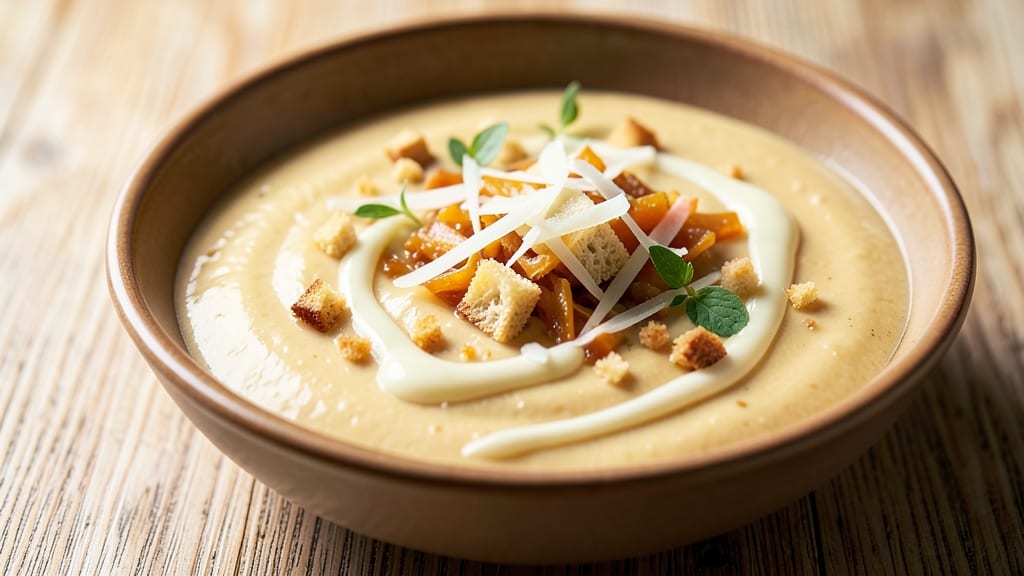
Alton Brown's cheese sauce recipe transforms ordinary dishes into something extraordinary with its velvety smoothness and unexpected depth. The secret lies in a precise roux and a touch of vinegar that brightens the richness, creating a sauce that's both creamy and balanced.
This isn't your average mac and cheese sauce—it's a versatile, restaurant-quality base that elevates everything from baked potatoes to grilled vegetables.
The technique starts with a well-developed roux that forms the foundation for a lump-free, silky sauce. By whisking in warm milk gradually and incorporating cheese in stages, you eliminate the risk of curdling while building layers of flavor.
The addition of a splash of vinegar might seem counterintuitive, but it cuts through the richness and adds complexity that makes this sauce stand out.
What you'll achieve is a cheese sauce so velvety it practically melts in your mouth, with just enough tang to keep it from feeling heavy. The texture is silky smooth, clinging perfectly to noodles or vegetables without becoming greasy.
This is the kind of sauce that makes you want to drizzle it on everything—from baked pasta to steamed broccoli—and still have leftovers.
Perfect for mac and cheese, gratin dishes, or as a dipping sauce, this recipe delivers professional results with simple techniques. The key is patience and precise timing, ensuring each element comes together for maximum creaminess. Let's create this sauce that will become your new kitchen staple.
Ingredients for alton brown cheese sauce
Nine ingredients transform into velvety, restaurant-quality cheese sauce with a secret tang.
| Ingredient | Amount | Notes |
|---|---|---|
| Unsalted Butter 🧈 | ½ cup | Cold, cubed for roux |
| All-Purpose Flour 🌾 | ½ cup | Diamond Crystal preferred |
| Whole Milk 🥛 | 2 cups | Warm, not scalding |
| Sharp White Vinegar 🍋 | 1 tbsp | For brightness |
| Shredded Sharp Cheddar Cheese 🧀 | 2 cups | Freshly grated preferred |
| Shredded Gruyère Cheese 🧀 | 1 cup | For nutty depth |
| Salt 🧂 | ½ tsp | Kosher or sea salt |
| Ground Black Pepper 🌶️ | ¼ tsp | Freshly ground preferred |
| Garlic Powder 🧄 | ¼ tsp | For subtle aroma |
The butter and flour are your foundation—don't rush the roux. Cook it until it's a deep golden color, about 5-7 minutes. Whole Foods or Trader Joe's carry great unsalted butter for this. For the cheese, freshly grated is non-negotiable—pre-shredded gets clumpy. Gruyère adds that nutty complexity, but Parmesan works in a pinch if that's what you've got. The milk should be warm to the touch, not hot—think lukewarm bathwater. And that vinegar? It's the game-changer—trust me on the full amount.
No sharp cheddar? Extra sharp works too, but avoid mild varieties. Short on Gruyère? Swiss or Emmental add a similar melt. The vinegar can be swapped for lemon juice at half the amount, but it won't have quite the same depth. For a dairy-free version, use full-fat coconut milk and vegan cheese—just know the texture will be slightly different. The roux is where the magic happens, so keep whisking constantly to avoid lumps. If you burn it, start over—there's no coming back from a burnt roux.
This sauce keeps beautifully—3-4 days in the fridge, 3 months frozen. For freezing, cool it completely first, then portion into airtight containers. The texture actually improves after reheating, so it's perfect for meal prep. I like to make a double batch—one for immediate use, one to freeze for lazy weeknights. Leftovers? Drizzle over baked potatoes, toss with pasta, or use as a dip for veggies. It's that good.
Why You'll Love This Recipe
- No-Fuss Roux Magic: I swear by that simple butter-and-flour roux—it’s the secret weapon here. Just melt the butter, whisk in the flour, and cook until it’s golden but not browned. No fancy techniques, no stress, just foolproof sauce-building that even my burnt-pasta days can’t mess up.
- Tangy Cheese Bliss: That splash of sharp white vinegar? Chef’s kiss. It cuts through the richness of the cheddar, giving this sauce this bright, almost buttery-tangy depth. The moment the cheese melts into that creamy milk, it’s like a hug in a bowl—smooth, sharp, and impossible to resist.
- Mac & Cheese MVP: Honestly, this is my go-to for game day, lazy Sundays, or when I need to turn sad veggies into something glorious. Drizzle it over broccoli, toss it with pasta, or even use it as a dip—it’s the kind of sauce that makes mealtime feel like a win, no matter what’s on the plate.
- Leftovers That Last: Between us, this sauce improves overnight. The flavors meld, the texture thickens just right, and it reheats like a dream. I make a double batch on Sundays, freeze half, and boom—weeknight dinners are saved. Budget-friendly? Absolutely. A lifesaver? Even more so.
Step-by-step instructions for alton brown's cheese sauce
This velvety cheese sauce comes together with simple steps and a secret ingredient that adds depth.
Create a Smooth Roux for the Sauce Base
Melt the 0.5 cup unsalted butter in a medium saucepan over medium-low heat. Once fully melted, add the 0.5 cup all-purpose flour all at once and whisk vigorously to combine. This is your roux—the foundation of the sauce—and you want it to cook for 2-3 minutes until it turns a pale golden color. The roux should smell nutty and develop a slight sheen, indicating it's ready for the next step.
I like to use a wooden spoon for whisking because it helps distribute the flour evenly and prevents lumps. If the roux starts to darken too quickly, reduce the heat slightly. The goal is a smooth, creamy texture that will blend seamlessly with the milk later. Don't rush this step—properly cooking the roux ensures your sauce won't have a raw flour taste.
Gradually Add Warm Milk to Avoid Lumps
Slowly pour in the 2 cups warm whole milk while whisking constantly. The milk should be warm—around 110°F—but not scalding, as this helps the sauce emulsify smoothly. Add the milk in a slow, steady stream to prevent lumps from forming. Once all the milk is incorporated, stir continuously for 3-5 minutes until the mixture thickens and coats the back of a spoon.
Here's where the magic happens: after about 2 minutes of stirring, add the 1 tablespoon sharp white vinegar. This might seem counterintuitive, but the vinegar brightens the sauce and prevents a curdled texture. Keep whisking until the sauce is completely smooth and thickened. If it's too thick, you can thin it with a splash of warm milk later—just don't rush this step.
Incorporate the Cheeses for Maximum Flavor
Reduce the heat to low and gradually add the 2 cups shredded sharp cheddar cheese and 1 cup shredded Gruyère cheese, whisking constantly to melt the cheese completely. The cheddar will give your sauce a sharp, tangy kick, while the Gruyère adds a rich, nutty depth. Stir until the cheese is fully incorporated and the sauce is smooth—this might take 5-7 minutes depending on your stove.
If you notice any lumps forming, strain the sauce through a fine-mesh sieve into a clean saucepan. This ensures a silky texture, especially if your cheese wasn't freshly grated. The sauce should now be thick, velvety, and ready for seasoning. Real talk: this is the moment that matters—properly melting the cheese is what separates a good sauce from a great one.
Season and Finish the Sauce
Remove the sauce from heat and stir in the 0.5 teaspoon salt, 0.25 teaspoon ground black pepper, and 0.25 teaspoon garlic powder. Taste and adjust the seasoning if needed—you might want to add a pinch more salt or pepper to balance the flavors. The vinegar should add a subtle tang, but if it's too pronounced, a small amount of extra cheese can help mellow it out.
For the best results, let the sauce sit off the heat for 2-3 minutes before serving. This allows the flavors to meld together and the sauce to thicken slightly. If you're serving it over pasta or with bread, now's the time to do so—this sauce is at its peak when it's warm and freshly made. Enjoy it immediately, as it will continue to thicken as it cools.
Pro Tips For Making Alton Brown Cheese Sauce
- Whisk Like You Mean It: That vinegar splash isn’t just for flavor—it’s for breaking up any lumps in your roux. After melting the butter and adding flour, pour in the vinegar immediately and whisk aggressively for 30 seconds. I learned this the hard way when my sauce looked like glue—now it’s silky every time.
- Pre-Shred Your Cheese: Store-bought shredded cheese hides moisture, which turns your sauce into a sad, watery mess. Pulse sharp cheddar in a food processor for 10 seconds before adding—it melts cleaner and faster. (Yes, even if you’re impatient like me.)
- Simmer, Don’t Boil: Low and slow is the only way. Once you add milk, keep the heat at a gentle simmer—no bubbles bursting like a volcano. I used to rush it, and the sauce would split or taste raw. Now I watch for tiny, consistent bubbles and let it work.
- Strain for Smoothness: If you want that restaurant-quality finish, strain the sauce through a fine-mesh sieve after melting the cheese. It catches any stray bits of flour or cheese that make the texture gritty. (Your future self will notice the difference.)
Serving suggestions for this recipe
Mac and Cheese Masterpiece
This cheese sauce transforms ordinary macaroni into a decadent dish. Cook 12 ounces elbow macaroni al dente, then toss it with the warm sauce while it's still slightly firm. For extra richness, reserve ¼ cup pasta water to thin the sauce if needed.
Top with extra shredded cheddar and breadcrumbs for a crispy finish—broil for 2-3 minutes until golden. 🧀
Grilled Cheese Upgrade
Elevate your grilled cheese sandwiches by using this sauce as a filling. Spread 2 tablespoons between two slices of sourdough or brioche, then grill in butter until golden brown.
Add a sprinkle of Gruyère for that nutty flavor. For a twist, use it as a dip for crudités like bell peppers, carrots, and celery. 🥪
Baked Potato Perfection
Take your baked potatoes to the next level by ladling this sauce over the top. I like to add a dollop of sour cream and a sprinkle of green onions for freshness.
For extra indulgence, top with crispy bacon bits or chives. The sauce clings beautifully to the fluffy potato, creating a creamy, cheesy blanket. 🥔
Vegetable Dip Extravaganza
Serve this sauce as a dip for roasted vegetables, breadsticks, or even pretzel bites. Warm the sauce slightly before serving to maintain its silky texture. Add a pinch of paprika or smoked paprika for a subtle kick.
It's perfect for game day or as an appetizer with warm pita chips. 🥗
Breakfast Twist
Start your day with this sauce drizzled over scrambled eggs or French toast. The tangy, cheesy flavor pairs beautifully with the richness of eggs. For a hearty breakfast, top it with crispy hash browns or sausage links. It's a game-changer for lazy mornings! 🍳
Gratin Dish Elevation
Use this sauce as the base for a creamy gratin. Layer thinly sliced potatoes or zucchini in a baking dish, pour the sauce over them, and top with breadcrumbs.
Bake at 375°F for 25-30 minutes until bubbly and golden. The result is a restaurant-worthy dish that's surprisingly easy to make at home. 🧅
Nutrition facts
Frequently asked questions
Why does Alton Brown add vinegar to cheese sauce?
The vinegar brightens the rich, creamy flavors and prevents the sauce from tasting too heavy. It also helps emulsify the sauce for a smoother texture. Think of it as a secret ingredient that cuts through the richness while adding subtle tang—just like how a squeeze of lemon balances richness in dishes.
Can I substitute Gruyère with another cheese?
Use Swiss or Emmental for a similar nutty depth, or Parmesan for extra umami. If you're dairy-free, try nutritional yeast for a cheesy flavor, but expect a slightly different texture. The key is balancing sharpness with creaminess—so adjust seasoning as needed.
What if my cheese sauce gets too thick?
Simply whisk in 1-2 tablespoons warm milk at a time until you reach your desired consistency. For a smoother finish, strain the sauce through a fine-mesh sieve. If it's too thin, simmer uncovered for 2-3 minutes to reduce it. The sauce will thicken further as it cools, so start slightly thinner if needed.
How do I avoid lumps in my cheese sauce?
Whisk constantly when adding the milk and cheese, and make sure your cheese is freshly grated. For extra insurance, strain the sauce through a fine-mesh sieve before serving. A well-developed roux (cooked to a pale golden color) also helps create a smooth, lump-free base. Patience is key—don't rush the process!
Can I make this sauce ahead of time?
Yes! Store it in an airtight container in the fridge for up to 3-4 days or freeze for 3 months. Reheat gently over low heat, stirring frequently, and add a splash of warm milk if it thickens too much. The flavors actually improve after resting, making it perfect for meal prep.