
Sauces & Condiments
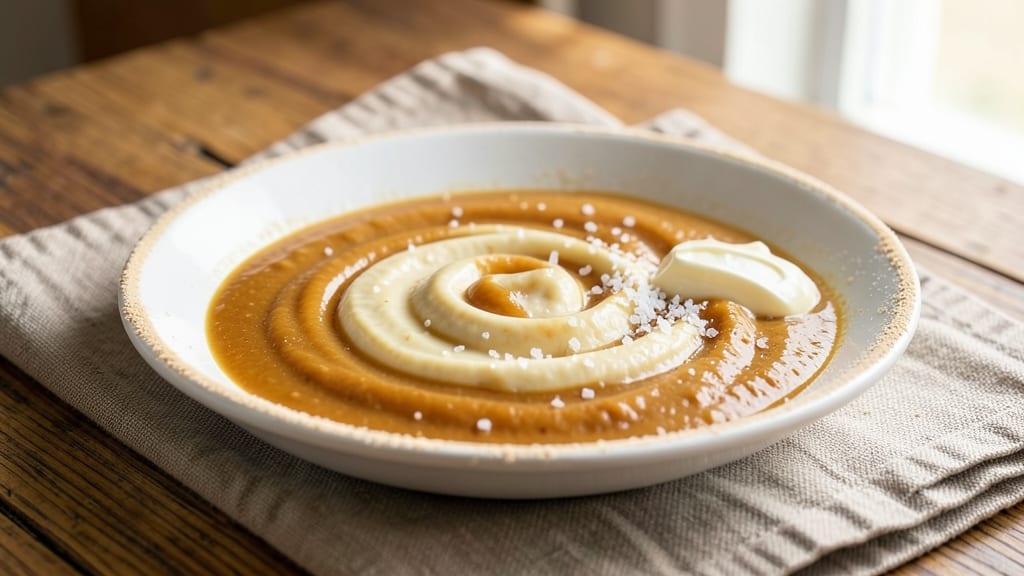
This sauce mornay recipe transforms simple béchamel into a luxurious, cheesy masterpiece—perfect for elevating lasagna, gratin, or baked pasta. 💛 The secret lies in Gruyère's nutty depth and a slow, steady reduction that creates that signature velvety texture.
After years of perfecting this technique in my Boston kitchen, I've cracked the code for foolproof results every time.
The foundation starts with a classic roux—equal parts butter and flour cooked until golden—then gradually whisking in warm milk to prevent lumps. What sets Mornay apart is the cheese: freshly grated Gruyère (or Comté) melted into the sauce until completely dissolved, creating that signature rich, slightly tangy flavor.
The key? Patience—letting it simmer gently until thick and glossy, never rushing the process.
What you'll end up with is a sauce so creamy and flavorful it transforms ordinary dishes into restaurant-worthy meals. The texture should be silky-smooth, clinging beautifully to pasta or vegetables while maintaining its shape when baked.
This isn't just a sauce—it's the secret weapon that turns simple ingredients into something extraordinary.
Best of all, Mornay keeps beautifully for up to 3 days in the fridge or 3 months in the freezer, making it perfect for meal prep.
Try adding a pinch of mustard for brightness or fresh herbs for freshness—this versatile sauce adapts to any dish while always delivering that perfect cheesy richness. Let's make it!
Ingredients for sauce mornay
Nine essential ingredients transform ordinary béchamel into luxurious Mornay—creamy, nutty, and restaurant-worthy.
| Ingredient | Amount | Notes |
|---|---|---|
| Unsalted Butter 🧈 | ½ cup | Cold, cubed for roux |
| All-Purpose Flour 🌾 | ½ cup | Sifted for smooth texture |
| Whole Milk 🥛 | 2 cups | Warmed to 160°F |
| Gruyère Cheese 🧀 | 1 ½ cups | Freshly grated, nutty |
| Comté Cheese 🧀 | ½ cup | Alternative to Gruyère |
| Diamond Crystal Kosher Salt 🧂 | ½ tsp | Adjust to taste |
| White Wine 🍷 | ¼ cup | Dry, like Chardonnay |
| Freshly Ground White Pepper 🌶️ | ¼ tsp | For subtle flavor |
| Dijon Mustard 🍯 | 1 tsp | For brightness (optional) |
The cheese makes or breaks this sauce. Gruyère is non-negotiable for that signature nutty depth—Boston Market or specialty cheese shops carry the best blocks. If you can't find Gruyère, Comté is a fantastic alternative. Grate it yourself (pre-grated gets clumpy and lacks flavor). For the butter, Plugrá or Land O'Lakes unsalted work perfectly—just keep it cold until the roux stage. The flour? King Arthur or Gold Medal brands are ideal for their smooth texture. Pro tip: Sift both flour and cheese to avoid lumps in your sauce.
No Gruyère? Parmesan or Emmental can substitute in a pinch, but the flavor won't be as rich. Short on white wine? Chicken broth or apple juice adds depth without overpowering. Freshly ground white pepper is ideal, but black pepper works at half the amount. The mustard is optional but adds that signature brightness—Maille Dijon is my go-to. For the milk, warming it to 160°F ensures the roux blends smoothly. If you're making this ahead, the sauce actually improves overnight as flavors meld—just reheat gently with a splash of milk to restore creaminess.
This sauce keeps beautifully for 3 days in the fridge, sealed tightly to prevent absorbing odors. For longer storage, freeze in ice cube trays—perfect portions for future dishes. Thaw overnight in the fridge, then reheat on low heat with a splash of milk to restore that velvety texture. A little goes a long way—1/4 cup elevates lasagna, while 1/2 cup transforms gratin into something extraordinary. The key to reheating? Low and slow—never boil, or it'll break and turn grainy.
Why You'll Love This Recipe
- Here’s what sold me: the way the roux builds flavor while you stir. That first taste—warm, nutty, with just a hint of sharpness—is pure satisfaction. And honestly? The longer you let it simmer, the deeper it gets. It’s like a hug in sauce form, but you won’t even break a sweat making it.
- Five-Ingredient Magic: I swear by this—just butter, flour, milk, and two cheeses. That’s it. No fancy pantry raids or last-minute grocery runs. The Gruyère melts into this velvety blanket, while the Comté adds that nutty crunch at the end. It’s the kind of recipe where you can keep your hands busy but your mind free.
- Rich Without Effort: Here’s what sold me: the way the roux builds flavor while you stir. That first taste—warm, nutty, with just a hint of sharpness—is pure satisfaction. And honestly? The longer you let it simmer, the deeper it gets. It’s like a hug in sauce form, but you won’t even break a sweat making it.
- Weeknight to Dinner Party: This sauce turns anything into a showstopper—pasta, fish, even grilled chicken. I’ve used it for lazy Tuesday dinners and Sunday brunches alike. The best part? It reheats like a dream, so you can make a double batch and stretch it for days. (Yes, even on a Tuesday night.)
Step-by-step instructions for sauce Mornay with Gruyère depth
Here's how to craft a luscious, nutty sauce that elevates everything from baked pasta to gratin.
🍳 Step 1: Create a Perfect Roux with Butter and Flour
Melt the 0.5 cup unsalted butter in a medium saucepan over medium-low heat. I like to use cold, cubed butter so it melts gradually and creates a smoother texture. Once fully melted, whisk in the 0.5 cup all-purpose flour all at once—this prevents lumps and ensures even cooking.
Cook the roux for 3-4 minutes, stirring constantly with a wooden spoon, until it turns a pale golden color. You're aiming for a blond roux—not brown, which would add bitterness. If you see any brown spots, immediately remove the pan from heat and stir to prevent burning. This foundational step is everything—skip the whisking, and you'll end up with grainy sauce.
🍳 Step 2: Whisk in Warm Milk for a Silky Base
Gradually pour in the 2 cups warm whole milk (pre-warmed to 160°F) while whisking vigorously to prevent lumps. I add it slowly at first, then in a thin, steady stream once the mixture starts to thicken. The sauce will look curdled at first, but keep whisking—it'll smooth out as it heats.
Return the pan to medium heat and continue whisking for 5-7 minutes until the sauce thickens enough to coat the back of a spoon. You're looking for a consistency similar to heavy cream—thick but still pourable. If it thickens too quickly, whisk in 1-2 tablespoons of milk to adjust. This is your classic béchamel, but we're about to take it to the next level with cheese.
🔥 Step 3: Build Depth with Gruyère and Comté
Reduce heat to low and begin adding the 1.5 cups freshly grated Gruyère cheese in small increments, whisking constantly to melt it completely. I use a fine grater for this—larger shreds won't melt smoothly. After the Gruyère is fully incorporated, stir in the 0.5 cup Comté cheese and the 0.5 tsp Diamond Crystal kosher salt.
Here's where the magic happens: the combination of Gruyère's nutty depth and Comté's buttery richness creates that signature Mornay flavor. Keep whisking gently for 2-3 minutes—this allows the cheese to fully melt and the sauce to emulsify. If the sauce looks too thick, thin it with 1 tablespoon of warm milk at a time. The final texture should be velvety, not gluey.
🍷 Step 4: Finish with Wine and Mustard for Brightness
Off the heat, stir in the 0.25 cup white wine and 1 tsp Dijon mustard. The wine adds acidity to balance the richness, while the mustard brings a subtle tang that brightens the whole sauce. Return the pan to low heat and cook for just 1-2 minutes, stirring constantly, until the wine is completely evaporated.
Finally, stir in the 0.25 tsp freshly ground white pepper. This is the secret to authentic Mornay—the white pepper adds warmth without the visual distraction of black specks. Taste and adjust seasoning—you might need a pinch more salt to balance the cheese. The sauce should be rich, smooth, and perfectly seasoned, ready to generously coat your favorite dishes.
Pro Tips For Making Sauce Mornay
- Whisk Like You Mean It: The roux is where this sauce lives or dies—don’t treat it like a half-hearted side project. Use a wire whisk and actually scrape the bottom of the pan every 30 seconds on medium heat. I learned this the hard way after watching a batch of butter turn into a sad, lumpy paste because I got distracted. Keep the heat steady, not simmering, not smoking—just steady.
- Grate Cheese Fresh: Pre-shredded cheese? Skip it. The starches in the flour coating clump up and turn your sauce grainy. Use a box grater or microplane and grate the Gruyère and Comté just before adding to the sauce. If you’re using a mix of both, grate them separately and fold in the Comté first—it’s nuttier and melts cleaner.
- Temper the Milk: Cold milk straight into hot butter? That’s a recipe for a broken emulsion. Warm the milk in a separate saucepan until it’s steaming but not boiling—about 160°F (70°C). Then, pour it in slowly while whisking like you’re trying to win an award. This keeps the butter from seizing up and gives you a silky sauce instead of a gloppy one.
- Strain the Sauce: Even if you whisked like a demon, tiny cheese particles and flour bits sneak in. After the sauce thickens, pour it through a fine-mesh sieve into a clean bowl. It’s not a fancy step, but it makes the sauce look restaurant-worthy and prevents gritty mouthfuls. (Yes, even if you’re serving it to just yourself.)
Pro cooking tips for this dish
Roux Perfection
That blond roux is the foundation—cook it too long and you'll get bitter notes. I use a medium-low heat and stir constantly with a wooden spoon (not a whisk yet) until it reaches that pale golden color.
The key is patience: 3-4 minutes max. If you see any brown spots, immediately remove from heat and stir vigorously to prevent burning. Trust me, this step makes all the difference in the final texture. 🔥
Milk Temperature Matters
Warm the milk to 160°F before adding it to the roux—this prevents lumps and ensures a smooth sauce. I heat it in the microwave for 1 minute or on the stovetop in a separate pan.
Pour it in slowly while whisking vigorously. If the sauce curdles, don't panic—just keep whisking as it heats up. The goal is a silky béchamel before we add the cheese.
Cheese Melting Secrets
Freshly grated Gruyère is non-negotiable for that nutty depth. I grate it myself using a fine grater—pre-grated cheese gets clumpy and lacks flavor. Add it gradually while whisking constantly over low heat to melt completely.
If the sauce looks too thick, thin it with 1 tablespoon of warm milk at a time. The final texture should be velvety, not gluey or grainy.
Wine and Mustard Finish
Off the heat, stir in the white wine and Dijon mustard—this brightens the sauce and balances the richness. Return to low heat for just 1-2 minutes to evaporate the alcohol.
The mustard adds a subtle tang that elevates the whole dish. Taste and adjust seasoning—you might need a pinch more kosher salt to balance the cheese.
Storage Hacks
Let the sauce cool completely before storing. It keeps for 3 days in the fridge, sealed tightly in an airtight container. For longer storage, freeze in ice cube trays—perfect portions for future dishes.
To reheat, warm gently on low heat with a splash of milk to restore creaminess. Never boil, or it'll break and turn grainy. ✨
Troubleshooting Tips
If your sauce gets too thick, whisk in 1 tablespoon of warm milk at a time. For a thinner consistency, add milk gradually until you reach the desired texture. If it's too thin, simmer gently for 2-3 minutes to thicken.
And if it curdles? Don't stress—just whisk in 1 tablespoon of cold butter to smooth it out. Every sauce has its quirks, but these fixes work every time. 💪
Nutrition facts
Frequently asked questions about sauce Mornay
Can I substitute Gruyère with another cheese?
While Gruyère gives Mornay its signature nutty depth, you can use Comté (as in the recipe), Emmental for a milder flavor, or even sharp cheddar in a pinch. For extra richness, mix Parmesan with your chosen cheese—but expect a slightly different texture. The key is freshly grating to avoid clumps.
Why did my sauce turn grainy?
Graininess usually happens from one of three things: adding cheese too quickly, not whisking enough, or letting the sauce boil. To fix it, whisk in 1 tablespoon of cold butter while warming the sauce on low heat. For prevention, always melt cheese gradually over low heat while whisking constantly. Patience is key!
How much sauce should I make for lasagna?
For a standard 9x13-inch lasagna, you'll need about 2 cups of Mornay sauce—enough to generously coat each layer. For baked pasta dishes, use 1/2 cup per pound of pasta. This versatile sauce also works beautifully for gratins, croque-monsieur, or even as a creamy dip. The recipe makes about 3 cups, perfect for multiple uses.
Can I make Mornay without wine? Yes! If you don't have wine, use 1/4 cup chicken broth or apple juice for acidity. The wine adds brightness, but these alternatives work in a pinch. For extra flavor, add 1/2 teaspoon lemon juice or a pinch of citric acid to mimic the wine's tang. Just
How do I reheat leftover Mornay?
Always reheat gently over low heat with a splash of warm milk to restore creaminess. Never boil, or the sauce will break and turn grainy. For best results, warm in a saucepan for 2-3 minutes, stirring constantly. If it thickens too much, thin with a little more milk. For frozen portions, thaw overnight in the fridge before reheating.