
Sauces & Condiments
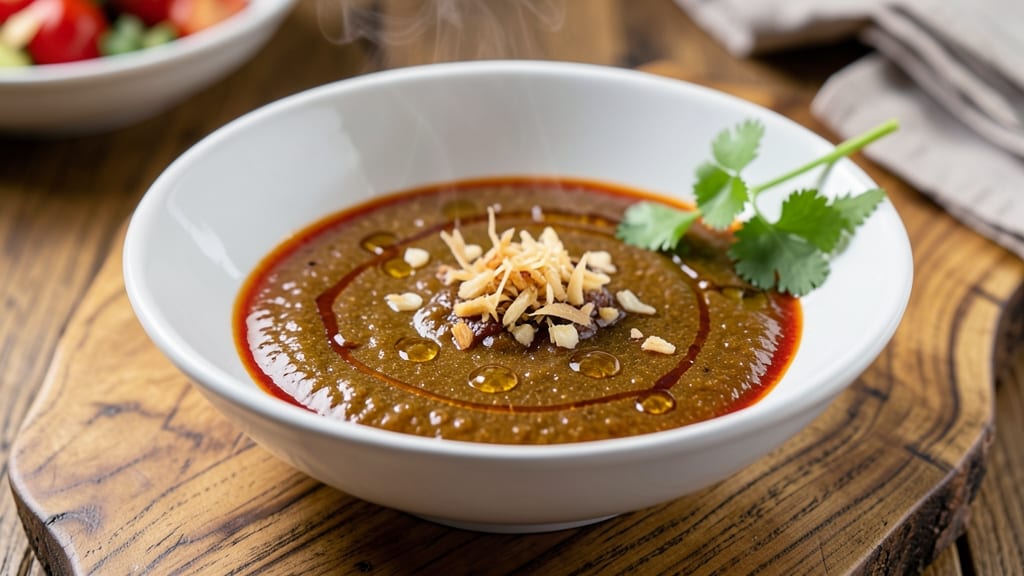
This stir-fry sauce recipe without chicken broth delivers restaurant-quality depth using just five simple ingredients that work together to create umami-packed flavor with a bright, tangy finish. The secret lies in balancing soy sauce, rice vinegar, and a touch of brown sugar—no broth needed.
What makes this sauce special is how it transforms any stir-fry from ordinary to extraordinary with just a few minutes of prep and a 10-minute simmer.
The magic happens when you combine soy sauce and rice vinegar in equal parts, then build layers of flavor with garlic, ginger, and a splash of sesame oil. This sauce isn't just for stir-fries—it elevates grilled meats, roasted vegetables, or even noodle dishes with equal success.
The hidden vinegar zing cuts through richness while the brown sugar adds subtle caramel notes that deepen as it reduces.
What you'll end up with is a glossy, aromatic sauce that clings perfectly to proteins and vegetables, delivering bold umami without overpowering your dish. The best part? It keeps well in the fridge for up to a week, making it a go-to pantry staple for quick weeknight meals.
Whether you're cooking for two or feeding a crowd, this sauce delivers consistent, professional results.
Use it as a marinade, dipping sauce, or stir-fry glaze—its versatility makes it a must-have in any kitchen. Ready to transform your cooking? Let's make this sauce.
Ingredients for stir fry sauce recipe without chicken broth
Five pantry staples combine to create a sauce that transforms ordinary stir-fries into restaurant-worthy dishes.
| Ingredient | Amount | Notes |
|---|---|---|
| Soy Sauce 🍶 | ½ cup | High-quality, preferably light soy |
| Rice Vinegar 🍶 | ½ cup | Seasoned preferred for depth |
| Brown Sugar 🍯 | ¼ cup | Packed firmly, no substitutions |
| Garlic Cloves 🧄 | 4 cloves | Freshly minced, not pre-minced |
| Fresh Ginger 🌿 | 1 tbsp | Finely grated, peel included |
| Sesame Oil 🫒 | 1 tbsp | Toasted sesame preferred |
| Water 💧 | ¼ cup | Room temperature preferred |
| Diamond Crystal Kosher Salt 🧂 | ½ tsp | Adjust to taste after simmering |
The soy sauce and rice vinegar are your flavor foundation—look for seasoned rice vinegar at Trader Joe's or any Asian market for that extra depth. Fresh ginger and garlic? Grab the ginger at the produce section—it should smell vibrant, not musty. Brown sugar is non-negotiable here; domino brand is my go-to for consistent results. Sesame oil can be toasted or regular, but Kadoya brand has that perfect nutty aroma. The water is just to thin it out if needed—start with less and adjust as you go.
No seasoned rice vinegar? White rice vinegar plus a pinch of sugar works in a pinch. Fresh ginger too strong? Dried ginger at half the amount (but it won't have the same zing). Running low on sesame oil? A splash of peanut oil won't ruin it, but the flavor will be different. The brown sugar can be swapped for white sugar, but it won't caramelize as beautifully. And if you're out of soy sauce? Coconut aminos work surprisingly well for a lighter taste. The salt is the last touch—taste as you go and adjust; this sauce should be bold but balanced.
This sauce keeps beautifully—up to 1 week in the fridge in an airtight container. For longer storage, freeze in ice cube trays and transfer to a bag. It reheats perfectly, so double the batch if you're planning to use it often. The flavors actually deepen overnight, so make extra if you can. A few tablespoons go a long way—think marinade, dipping sauce, or stir-fry glaze—and it's the secret weapon in any takeout-style dish.
Why You'll Love This Recipe
- Five-Ingredient Magic: I swear by this combo—soy sauce, vinegar, sugar, and fresh ginger. No fancy prep, no measuring cups cluttering my counter. Just chop two cloves of garlic, grate a thumb of ginger, and let the pan do the work.
- Umami Bomb: That first hit of garlic sizzling in the pan? Chef’s kiss. The brown sugar caramelizes just enough to balance the tangy vinegar, while the ginger adds this warm, spicy lift. It’s the kind of sauce that makes you go back for seconds—no one will guess it’s this simple.
- Weeknight to Party: Same sauce, endless uses. Toss it with tofu for a quick dinner, drizzle it over noodles, or even use it as a marinade. Honestly, I’ve had it at both my messy kitchen table and at potlucks—no one bats an eye.
- Pantry Goldmine: I make a double batch every time because it keeps for weeks in the fridge. No waste, no last-minute grocery runs. Plus, brown sugar and soy sauce are cheap—this sauce costs me pennies per serving. Budget-friendly doesn’t mean boring, though.
Step-by-step instructions for stir fry sauce without chicken broth
This sauce delivers restaurant-quality depth without relying on chicken broth.
Bloom the Aromatics in Sesame Oil
Heat a small saucepan over medium-low heat and add the 1 tablespoon sesame oil. Once the oil shimmers but doesn't smoke, add the 4 cloves freshly minced garlic and 1 tablespoon finely grated fresh ginger. Cook for 1-2 minutes until the garlic becomes fragrant and just begins to turn golden—this prevents bitterness. Here's the thing: if you let it brown too much, you'll end up with a bitter aftertaste that overpowers the delicate balance we're building.
Stir constantly to prevent burning, which happens faster than you'd think. The moment you catch that warm, toasty aroma, you know you're on the right track. This step is where all the flavor magic starts—don't rush it.
Combine Wet Ingredients and Simmer
Pour in the 0.5 cup soy sauce, 0.5 cup rice vinegar, and 0.25 cup brown sugar (packed firmly). Stir vigorously to dissolve the sugar completely—this prevents grainy texture in your final sauce. Add the 0.25 cup room temperature water and bring the mixture to a gentle simmer over medium heat. Here's where it gets interesting: the vinegar will initially make the sauce smell sharp, but it mellows beautifully as it cooks.
Let it simmer uncovered for 8-10 minutes, stirring occasionally, until the mixture reduces by about 25% and thickens slightly. You'll notice the sauce darkens and develops a glossy sheen—this indicates the sugars are caramelizing and the flavors are melding. If it reduces too quickly, reduce the heat slightly to maintain control.
Season and Adjust Consistency
Remove the sauce from heat and stir in the 0.5 teaspoon Diamond Crystal kosher salt. Taste immediately—this is your quality control moment. The sauce should balance sweet, salty, tangy, and umami flavors. If it needs more depth, add another 0.25 teaspoon soy sauce. For extra tang, a splash of rice vinegar works wonders. Real talk: this is where most home cooks make their first adjustment, so don't be shy about tasting.
For the perfect consistency, return the sauce to low heat if needed and whisk in 1-2 tablespoons water at a time until it reaches a glossy, pourable consistency—think honey-like viscosity. The sauce should coat the back of a spoon but still flow freely. Let it cool slightly before using, as it will thicken further as it sits.
Finish with Optional Toasted Sesame Oil
For that final professional touch, drizzle in 1 teaspoon toasted sesame oil (reserved from your initial amount) and stir gently. This adds nutty depth and a subtle aroma that elevates the sauce from good to exceptional. The oil should be infused with toasted sesame flavor—if you skipped toasting it earlier, now's your chance to quickly toast 1 teaspoon in a dry pan for 30 seconds before adding.
Let the sauce rest for 5 minutes before using. This resting period allows all the flavors to fully integrate and the sauce to reach its ideal consistency. Store any leftovers in an airtight container in the refrigerator for up to 1 week, though I promise you'll use it all up quickly.
Pro Tips For Making Stir Fry Sauce Recipe Without Chicken Broth
- STIR GINGER FIRST: Mince that ginger extra fine—think paste, not chunks—and let it sit in the pan for 30 seconds after adding oil. I learned this the hard way: big pieces just sit there like stubborn guests, refusing to release their flavor. Toast it until it smells like a spice market, then add garlic right after.
- SALT THE SOY: Skip the plain soy sauce and use light soy sauce (or add ½ teaspoon salt per 2 tablespoons regular soy). Regular soy is already salty—this sauce will taste like a science experiment if you double up. Trust me, your stir-fry won’t need extra salt later.
- LOW AND SLOW ON SUGAR: Add brown sugar last and simmer the sauce for 2 minutes off the heat. Rushing it turns the sugar to syrup, making the sauce cloying. Let it mellow—this is where the caramel depth happens, not the burn.
- VINEGAR LAST, COLD: Chill the rice vinegar in the fridge for 10 minutes before adding it. Warm vinegar loses its bright tang and turns dull. Pour it in after the pan’s off the heat, then give it a quick stir—your sauce will snap with acidity instead of tasting flat.
Creative variations of this stir fry sauce recipe without chicken broth
Spicy Kick Version
Add 1 tablespoon of gochujang (Korean chili paste) or 2 teaspoons of sriracha when combining the wet ingredients. For extra heat, include 1 teaspoon of chili flakes or finely minced fresh red chili.
I love this version with grilled shrimp or spicy tofu stir-fries—it adds a bold, smoky heat that pairs perfectly with the sauce's tangy-sweet base. 🌶️
Sweet & Fruity Twist
Swap 2 tablespoons of the brown sugar for 1 tablespoon of honey or maple syrup, then add 1 teaspoon of finely grated orange zest or 1 tablespoon of orange juice. This fruity variation works beautifully with grilled chicken or pineapple slices.
The citrus brightens the sauce while keeping it balanced—just be sure to taste as you go, since fruit can make the sauce sweeter than expected.
Nutty Peanut Sauce
Stir in 2 tablespoons of smooth peanut butter and 1 teaspoon of sriracha after simmering. Thin with 1-2 tablespoons of water if needed to reach the right consistency.
This version is perfect for satay-style dishes or as a dipping sauce for spring rolls. The peanut butter adds richness, while the sriracha keeps it lively. 🥜
Herb-Infused Variation
Add 1 tablespoon of chopped cilantro or thai basil at the very end, just before using the sauce. For a more robust flavor, infuse the sauce with 1 sprig of lemongrass (bruised and removed after simmering) or 1-inch piece of galangal (if you can find it).
These herbs add a fresh, aromatic depth that elevates the sauce for Thai-inspired dishes. Trust me, the difference is noticeable!
Smoky Chipotle Glaze
Mix in 1 teaspoon of adobo sauce (from canned chipotle peppers) or ½ teaspoon of smoked paprika when combining the wet ingredients. This smoky twist is ideal for grilled meats or roasted vegetables.
The chipotle adds a subtle, earthy heat that complements the sauce’s natural sweetness. For extra depth, toast ½ teaspoon of cumin seeds in the sesame oil before adding the garlic and ginger.
Nutrition facts
Frequently asked questions
Can I substitute water with another liquid?
Yes! For a richer flavor, use 1/4 cup vegetable broth or 1/4 cup apple juice instead of water. The broth adds subtle depth, while apple juice keeps the sauce fruity-sweet. Avoid citrus juices—they can overpower the balance. For a lighter option, use 1/4 cup coconut water to keep it refreshing.
How do I adjust the sauce for thicker or thinner consistency?
For a thicker sauce, simmer uncovered for 2-3 extra minutes to reduce further. Need it thinner? Whisk in 1 tablespoon water at a time until it reaches a glossy, pourable consistency. Pro tip: The sauce thickens as it cools, so adjust slightly before using. For stir-fries, aim for a consistency between honey and heavy cream.
What's the best way to use this sauce beyond stir-fries?
This versatile sauce works as a marinade (30-minute soak for meats), dipping sauce for spring rolls, or glaze for grilled proteins. Try brushing it on baked tofu or drizzling over noodles. For extra flavor, reduce it by half for a concentrated glaze. The tangy-sweet balance makes it perfect for almost any dish!
Why does my sauce taste too salty or vinegary?
If it's too salty, add 1 tablespoon water and 1 teaspoon brown sugar to balance. For extra vinegar tang, stir in 1/2 teaspoon honey or 1/4 teaspoon soy sauce. Taste as you go—this sauce should harmonize all flavors. The key is adjusting gradually; small changes make a big difference!
Can I make this sauce in a slow cooker?
Combine all ingredients in a slow cooker and cook on low for 2-3 hours, stirring occasionally. The low heat prevents burning and lets flavors meld gently. For faster results, use high for 1 hour. Just watch the consistency—it may reduce differently than stovetop. The slow cooker method is great for meal prep!