
Sauces & Condiments
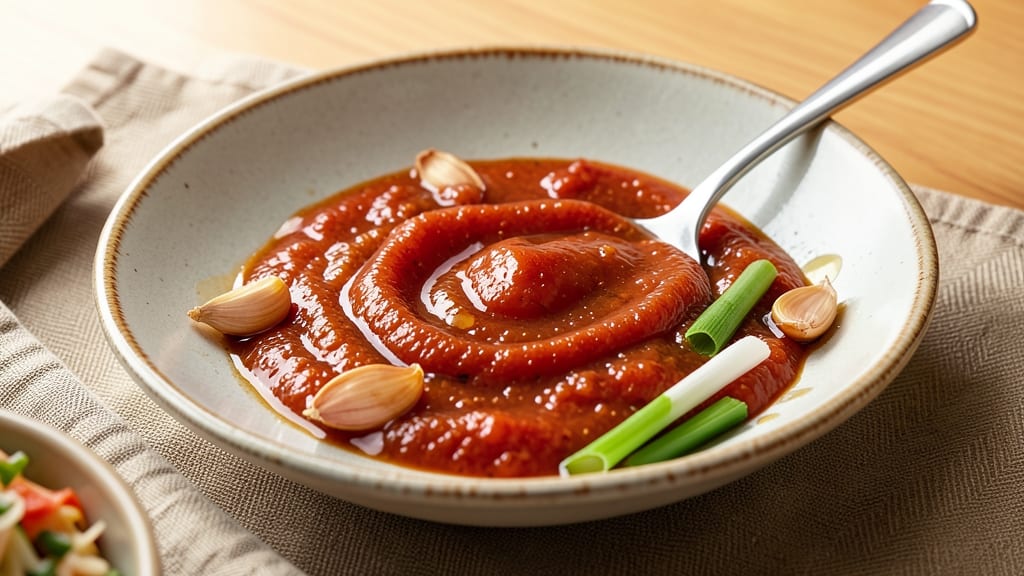
This gochujang stir-fry sauce recipe transforms simple stir-fries into bold, fermented masterpieces with just 10 minutes of active work. The key lies in balancing the deep umami of gochujang with sweet, tangy, and savory elements—creating a sauce that clings to every bite while adding layers of complexity.
I developed this version after years of testing, ensuring it works as a marinade, stir-fry glaze, or even a dipping sauce without overpowering the dish.
The beauty of this sauce is its versatility and simplicity. With just 5 core ingredients—gochujang, soy sauce, sugar, garlic, and rice vinegar—plus optional cornstarch for thickness, you’ll achieve a sauce that’s rich, slightly sticky, and perfectly balanced.
The cornstarch step (if used) ensures it thickens beautifully when tossed with hot vegetables or meat, making it ideal for quick weeknight meals.
What sets this recipe apart is the fermented heat of gochujang, which adds depth beyond traditional soy-based sauces. The garlic and sugar caramelize slightly when simmered, creating a subtle sweetness that rounds out the spice.
This sauce elevates even the simplest stir-fry—think crispy tofu, tender chicken, or vibrant vegetables—into a restaurant-worthy dish.
Once made, it keeps in the fridge for up to 2 weeks, making it perfect for meal prep. Use it as a marinade for 30 minutes or as a finishing sauce for extra flavor. Let’s get cooking!
Ingredients for gochujang stir fry sauce
Five core ingredients transform simple stir-fries into restaurant-worthy dishes with fermented depth and balanced heat.
| Ingredient | Amount | Notes |
|---|---|---|
| Gochujang Paste 🌶️ | ½ cup | Korean fermented chili paste, smooth texture preferred |
| Light Soy Sauce 🥢 | ⅓ cup | Kikkoman preferred for balance |
| Granulated Sugar 🍚 | ¼ cup | White or brown, packed lightly |
| Garlic Cloves 🧄 | 4 cloves | Fresh, peeled, minced finely |
| Rice Vinegar 🍶 | ¼ cup | Seasoned preferred for depth |
| Cornstarch Slurry 🌾 | 1 tbsp | 1 tbsp cornstarch + 1 tbsp water, optional for thickening |
| Sesame Oil 🫒 | 1 tbsp | Toasted, for aroma finish |
| Toasted Sesame Seeds 🌰 | 1 tsp | For garnish, optional |
| Green Onions 🧅 | 2 whole | Thinly sliced, for garnish |
The quality of gochujang makes all the difference—Maesil Gochujang or Dong Gochujang from Korean markets deliver the richest fermented flavor. If you can only find the thicker, block-style paste, thin it slightly with water before using. Light soy sauce is key here; Kikkoman or Lee Kum Kee provide the perfect umami foundation without overpowering. The sugar should be fine granulated—it caramelizes beautifully during simmering, creating that subtle sweetness that rounds out the heat. For garlic, fresh is non-negotiable—pre-minced garlic loses its punch quickly, and the texture matters when you want that slight bite in every spoonful.
No gochujang? Sriracha plus a dash of soy sauce gets you close, though it lacks the deep umami. Running short on rice vinegar? Apple cider vinegar at the same amount works, but the flavor profile shifts slightly. The cornstarch slurry is optional but essential if you're using this as a stir-fry sauce—it ensures the sauce clings to your ingredients beautifully. For a smokier profile, swap half the sesame oil for toasted chili oil. If you're making this ahead, the sauce actually improves over time—flavors meld for 24 hours in the fridge, making it perfect for meal prep.
This sauce keeps for 2 weeks refrigerated in an airtight container, though the flavor deepens after 3-4 days. For longer storage, freeze in ice cube trays—perfect for single-use portions. The sesame oil and seeds should be added fresh when serving to preserve their aroma. If you're using this as a marinade, 30 minutes maximum—gochujang's acidity can start breaking down proteins after that. Double the batch if you're serving a crowd; it disappears fast once people taste how it elevates simple stir-fries.
Why You'll Love This Recipe
- Five-Ingredient Magic: I swear by this sauce—just five things in a bowl, a quick stir, and boom. No measuring cups, no fuss; the gochujang and sugar balance the garlic’s bite instantly, like a flavor puzzle that clicks.
- Umami Bomb: That first taste? Sweet, spicy, tangy—all at once. The rice vinegar cuts through the richness while the soy and gochujang create this deep, savory punch that sticks with you. Honestly, I’ve made stir-fry with plain oil before, and this changes everything.
- Meal Prep MVP: Make a double batch and store it in the fridge for up to two weeks. Drizzle it over noodles, toss with tofu, or even glaze chicken—it’s my go-to for lazy nights or when I’m feeding a crowd. (Yes, even on a Tuesday night.)
- Budget Bright Spot: Gochujang and soy sauce stretch like crazy, so you’re not drowning in expensive ingredients. A single jar of gochujang lasts me months, and the sugar? Just a spoonful. This sauce costs pennies but tastes like a restaurant special.
Step-by-step instructions for gochujang stir-fry sauce
This vibrant sauce delivers bold fermented heat and umami depth in minutes—perfect for stir-fries, marinades, or dipping.
Combine Base Ingredients in a Saucepan
In a medium saucepan over medium heat, whisk together the 0.5 cup gochujang paste and 0.33 cup light soy sauce until fully blended. The paste will thicken slightly as it warms, so stir continuously for 1-2 minutes until smooth. This step ensures even distribution of the fermented flavors before adding other ingredients.
Here's the thing—don't rush this blending. The gochujang's natural oils need time to emulsify with the soy sauce. You'll notice the mixture darken slightly as it heats, indicating the flavors are melding. If you see any lumps, press them against the side of the pan with a wooden spoon to break them down completely.
Add Sugar and Vinegar for Balance
Reduce heat to low-medium and stir in the 0.25 cup granulated sugar and 0.25 cup rice vinegar. Bring the mixture to a gentle simmer, then let it cook for 3-4 minutes until the sugar dissolves completely. You're looking for a smooth, glossy sauce without any graininess.
The sugar and vinegar work together to cut through the richness of the gochujang while adding brightness. Taste the mixture at this stage—it should be tangy, slightly sweet, and developing that signature fermented depth. If you prefer more sweetness, add an extra tablespoon of sugar now, but remember this sauce builds flavor as it reduces.
Infuse with Garlic and Build Body
Add the 4 minced garlic cloves and cook for 1 minute until fragrant but not browned. Immediately stir in the 1 tablespoon cornstarch slurry (if using) and the 1 tablespoon sesame oil. The slurry will help thicken the sauce as it simmers, while the sesame oil adds aromatic depth.
Watch the sauce carefully during this step. The cornstarch slurry should create a slight thickening effect within 2-3 minutes of cooking. If the sauce becomes too thick too quickly, add 1-2 tablespoons of water to adjust the consistency. The garlic should impart its aroma without burning—if it starts to color, remove the pan from heat immediately.
Finish and Garnish for Freshness
Remove the sauce from heat and let it cool slightly for 2-3 minutes. Stir in the 1 teaspoon toasted sesame seeds and thinly sliced 2 whole green onions. The sesame seeds add a nutty crunch, while the green onions provide a fresh, bright contrast to the rich, spicy base.
For best results, use the sauce immediately while warm. The flavors continue to develop as it cools, but the texture will thicken further. If you need to store it, transfer to an airtight container and refrigerate for up to 5 days. Before using, reheat gently over low heat, stirring frequently to prevent separation. This sauce is incredibly versatile—drizzle over stir-fries, use as a marinade, or serve as a dipping sauce for dumplings.
Pro Tips For Making Gochujang Stir Fry Sauce
- STIR ON LOW HEAT: The gochujang paste loves to scorch—after toasting your garlic, drop the heat to medium-low. I learned this the hard way when my sauce turned into a burnt brick wall instead of a glossy glaze. Let it simmer gently for 5 minutes, stirring every 30 seconds, so the flavors meld without turning into charcoal.
- MINCE GARLIC FINE: No need for cloves—smash 3-4 garlic cloves flat with the side of your knife, then mince into tiny specks. Larger chunks burn unevenly and leave you with raw garlic bits that ruin the sauce’s smoothness. This isn’t a garnish; it’s the foundation of the flavor.
- BALANCE SWEET AND SALTY: Taste as you go—if the sauce tastes like a candy factory, cut the sugar by half. If it’s a salty brick, add a splash more rice vinegar (1 tsp at a time) to brighten it. The sugar isn’t just for sweetness; it helps the gochujang’s depth shine, but too much turns your stir-fry into a dessert.
- SIMMER UNTIL THICK: Don’t rush—let the sauce reduce for 3-4 minutes after adding all ingredients. The magic happens when it coats the back of a spoon like syrup, not water. Skimp here, and your stir-fry will swim in a thin, one-dimensional glaze. Patience here makes all the difference.
Serving suggestions for leftovers
Stir-Fry Pairings
This gochujang sauce shines with crispy tofu or chicken thighs—both absorb the sauce beautifully while staying tender. I like to pan-fry extra-firm tofu until golden, then toss with sauce and shredded cabbage. For chicken, use bone-in thighs for juiciness—marinate for 30 minutes before stir-frying. 🌶️
For vegetables, bell peppers, broccoli, and snap peas hold up well to the sauce's bold flavors. Blanching broccoli in boiling water for 1 minute before stir-frying keeps it vibrant. Add shiitake mushrooms for an umami boost—slice them thinly and sauté until tender.
Dipping Sauce Magic
Serve this sauce as a dipping sauce for Korean fried chicken (KFC), dumplings, or spring rolls. The fermented heat cuts through the crispy exterior beautifully.
I like to double the batch for parties—it disappears fast! For extra richness, add 1 teaspoon honey to the sauce before serving. 🍗
Marinade Potential
Use this sauce as a marinade for beef flank steak or shrimp—the acidity tenderizes while the gochujang adds depth. Marinate for no more than 30 minutes (gochujang's acidity can over-tenderize meat). For shrimp, toss with sauce and 1 tablespoon olive oil before grilling or pan-searing. 🍤
Garnish Game-Changers
Finish your dish with sesame seeds, crushed peanuts, or cilantro for texture contrast. I love adding thinly sliced jalapeños for extra heat. For a smoky touch, drizzle with chili oil just before serving. These garnishes elevate the sauce's complexity without overpowering it. ✨
Meal Prep Tips
Make a double batch and store in airtight containers for up to 2 weeks. Reheat gently over low heat with a splash of water to prevent thickening. Use it to glaze roasted vegetables or toss with leftover rice for quick meals. The sauce actually improves overnight—flavors meld beautifully. 📅
Nutrition facts
Frequently asked questions
Can I make this sauce without cornstarch?
Yes! For a thinner, more liquid sauce, simply omit the cornstarch slurry. The gochujang and soy sauce will naturally create a glossy, slightly thick texture. If you prefer more body, try adding 1/2 teaspoon xanthan gum instead—it dissolves easily and provides excellent thickening without altering flavor.
How spicy is this sauce, and can I adjust it?
The heat level depends on your gochujang brand—most pastes range from mild to medium. For milder heat, reduce the gochujang to 1/3 cup and add 1 teaspoon honey to balance. For extra kick, add 1/2 teaspoon red pepper flakes or a dash of gochugaru (Korean chili flakes) at the end.
Why did my sauce separate after refrigerating?
This happens when the cornstarch fully sets in the fridge. To fix it, gently reheat the sauce over low heat while whisking continuously. Add 1 teaspoon water at a time until smooth. For prevention, stir in 1/2 teaspoon sesame oil before refrigerating—it helps emulsify the ingredients.
Can I use this sauce on raw fish or sushi?
While delicious, this sauce isn't safe for raw fish due to the soy sauce and vinegar's acidity. For sushi or sashimi, use a dedicated ponzu or soy-based sauce instead. The gochujang's fermented nature works better with cooked proteins like shrimp or chicken. For raw applications, consider a milder gochujang glaze (reduce gochujang to 1/4 cup) and use it as a finishing drizzle.
What's the best way to store leftovers?
Transfer cooled sauce to an airtight container and refrigerate for up to 2 weeks. For longer storage, freeze in ice cube trays—thaw overnight in the fridge. The sauce thickens when refrigerated, so reheat with 1 tablespoon water per 1/2 cup sauce over low heat. Stir constantly to prevent burning.