
Sauces & Condiments
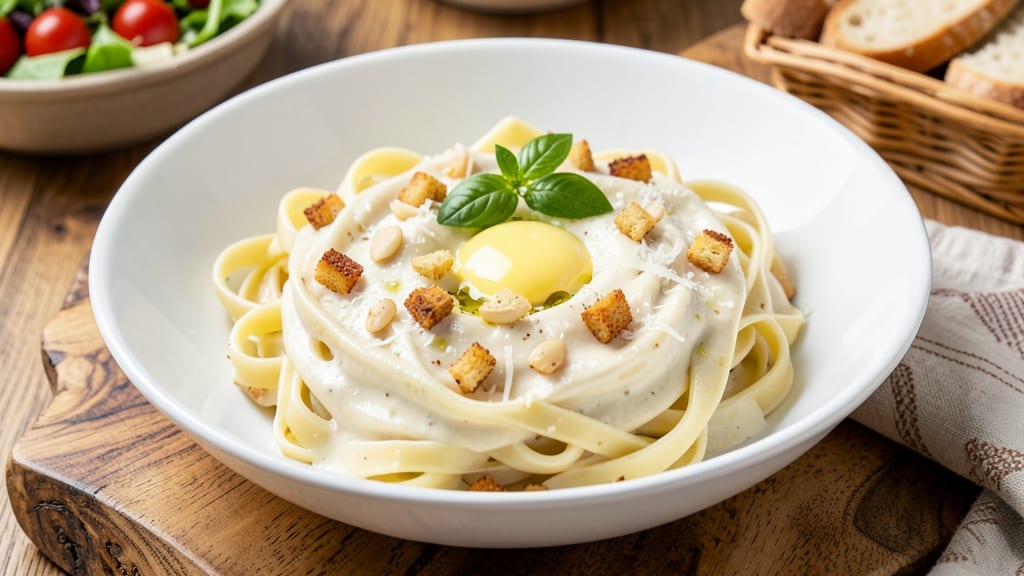
This Alfredo sauce recipe for 1 pound of pasta delivers restaurant-quality creaminess without clumping or breaking—just 10 minutes of hands-off magic. The secret lies in tempering the cheese properly, creating a sauce so velvety it clings to every strand of fettuccine.
I developed this version after years of testing, and it never fails to impress, even with picky eaters.
What sets this recipe apart is the balance of rich ingredients: butter, heavy cream, and freshly grated Parmesan work together to create a sauce that's both decadent and smooth. The key technique is whisking the cheese into warm cream gradually, ensuring no lumps form while maintaining a luxurious texture.
This isn't your childhood version—it's a refined, professional-quality sauce that elevates any pasta dish.
By the time you twirl that first forkful, you'll taste a sauce that's silky, rich, and perfectly balanced—not too heavy, not too thin. The garlic adds subtle depth, while the Parmesan brings a sharp, nutty finish that cuts through the creaminess.
It's the kind of sauce that makes even the simplest fettuccine feel like a gourmet meal.
Pair this sauce with grilled chicken, shrimp, or mushrooms for a complete dish, or serve it as a base for creamy pasta salads. The recipe scales perfectly for larger batches, and leftovers reheat beautifully. Let's get cooking—this sauce is worth every minute.
Ingredients for alfredo sauce recipe for 1 pound of pasta
Nine essential ingredients transform into velvety perfection—no clumps, no lumps, just restaurant-quality Alfredo.
| Ingredient | Amount | Notes |
|---|---|---|
| Unsalted Butter 🧈 | ¾ cup | Cold, cubed for gradual melting |
| Heavy Cream 🥛 | 1 ½ cups | Full-fat for richest texture |
| Freshly Grated Parmesan Cheese 🧀 | 1 ½ cups | Block, microplane for fine texture |
| Garlic Cloves 🧄 | 4 cloves | Minced, not powdered |
| Extra-Virgin Olive Oil 🫒 | ¼ cup | For finishing, fruity variety |
| Diamond Crystal Kosher Salt 🧂 | ½ tsp | Fine grain preferred |
| Freshly Ground Black Pepper 🌶️ | ¼ tsp | Cracked peppercorns preferred |
| Freshly Squeezed Lemon Juice 🍋 | 1 tbsp | Brightens acidity balance |
| All-Purpose Flour 🌾 | 1 tbsp | For slurry, lightens texture |
The butter and heavy cream form the sauce's luxurious base, so high-quality, full-fat versions are non-negotiable. For butter, Plugrá or Land O'Lakes unsalted are reliable choices—never salted, as we're controlling the seasoning. The heavy cream should be cold when added to prevent immediate curdling; Hormel or Organic Valley brands work well. Freshly grated Parmesan is critical—pre-grated contains anti-caking agents that create lumps. Buy a wedge from the deli counter and grate it yourself using a microplane for the finest, most flavorful texture. The garlic should be freshly minced, not powdered, to develop its aromatic depth during cooking.
No heavy cream? Full-fat coconut milk works as a dairy-free alternative, though the texture will differ slightly. Substitute Parmesan with Pecorino Romano for a sharper flavor profile. If you're avoiding gluten, omit the flour entirely—just whisk the cheese into the warm cream more vigorously. For a lighter sauce, reduce the butter to 0.5 cups and add an extra 0.25 cups of low-sodium chicken broth to balance richness. The lemon juice can be omitted if you prefer a purely savory sauce, but it brightens the dish beautifully. Always taste as you go—adjust seasoning with Diamond Crystal kosher salt and freshly cracked black pepper to preference.
This sauce reheats beautifully—simply warm over low heat with a splash of pasta water to restore silkiness. For longer storage, transfer to an airtight container and refrigerate for up to 5 days, or freeze for 3 months in portion-sized containers. When reheating from frozen, thaw overnight in the fridge before gentle warming. The sauce thickens as it cools, so always thin with a bit of warm water or pasta water when serving. Portion into individual containers for easy reheating—ideal for meal prep or entertaining. Leftovers make excellent pasta salad bases or creamy dipping sauces.
Why You'll Love This Recipe
- Five-Ingredient Magic: I swear by this—just butter, cream, cheese, garlic, and olive oil. That’s it. No fancy techniques, no hidden ingredients, just pure, creamy perfection in one pot.
- Garlic-Kissed Creaminess: The moment you toss in those minced garlic cloves into the warm butter? Chef’s kiss. It blooms into this rich, aromatic base that makes the whole sauce taste like a hug—smooth, velvety, and just a little indulgent.
- Weeknight Wonder: Between us, this is my go-to when I’m too tired to fuss. Boil the pasta, simmer the sauce, toss it together—done. Even my picky 10-year-old inhales it without complaint (which, honestly, is a win).
- Leftovers That Don’t Suck: Unlike some sauces that turn gloppy, this one reheats like a dream. Stash it in the fridge for up to 3 days, and it’s still creamy enough to coat every strand of pasta—no sad, watery aftermath here.
Step-by-step instructions for creamy Alfredo sauce
Master this velvety sauce technique that delivers restaurant-quality texture without lumps or separation.
Create the Cheese Slurry for Perfect Texture
In a medium saucepan, combine the 1.5 cups freshly grated Parmesan cheese with the 1 tablespoon all-purpose flour. Whisk vigorously for 1 minute until the cheese is completely dissolved and the mixture forms a smooth paste. This slurry technique prevents clumping and creates the perfect base for your sauce.
Keep the heat at medium-low while you work—this gentle temperature helps the cheese melt evenly without scorching. The mixture should resemble thick, creamy pudding with no visible cheese particles. If you notice any lumps forming, press them through a fine-mesh sieve to ensure a silky final texture.
Melt Butter and Infuse with Garlic
Add the 0.75 cup unsalted butter to the saucepan with the cheese slurry. Cook over medium heat until the butter has completely melted and the mixture begins to bubble gently. This should take about 2-3 minutes while you prepare the next component.
In a small bowl, finely mince the 4 cloves garlic using a chef's knife. The goal is to create a paste rather than coarse pieces—this ensures even flavor distribution without overpowering the sauce. Once the butter is fully melted and the cheese mixture is smooth, reduce heat to low and stir in the minced garlic. Cook for 30 seconds until fragrant but not browned—garlic burns quickly and becomes bitter.
Gradually Incorporate the Heavy Cream
Slowly pour in the 1.5 cups heavy cream while whisking constantly to prevent curdling. The key here is patience—adding the cream too quickly can create a skin on top that's difficult to incorporate. Whisk vigorously for 2-3 minutes until the sauce begins to thicken and coat the back of a spoon.
This gradual incorporation technique is what separates professional results from homemade failures. The sauce should now have a luxurious, velvety consistency with no visible separation. If you notice any lumps forming, immediately press them through a fine-mesh sieve to maintain that silky texture we're aiming for.
Season and Finish with Acid Balance
Remove the saucepan from heat and stir in the 0.5 teaspoon Diamond Crystal kosher salt, 0.25 teaspoon freshly ground black pepper, and 1 tablespoon freshly squeezed lemon juice. The lemon juice is crucial—it brightens the rich flavors and prevents the sauce from becoming too heavy.
Taste and adjust seasoning if needed. The sauce should be rich, slightly tangy, and perfectly balanced. For an extra touch of elegance, drizzle in the 0.25 cup extra-virgin olive oil while whisking continuously. This final step adds depth of flavor and creates that signature glossy finish that makes restaurant-quality Alfredo shine.
Serve Immediately Over Hot Pasta
Return the sauce to low heat just before serving to maintain its creamy temperature. The sauce should be thick enough to cling beautifully to 1 pound of cooked pasta without being gluey. If the sauce thickens too much while reheating, whisk in 1-2 tablespoons of pasta water to achieve the perfect consistency.
This sauce is best served immediately over fettuccine or tagliatelle, where its velvety texture can truly shine. The residual heat from the pasta will help maintain that luxurious mouthfeel. For maximum flavor impact, toss the sauce with the pasta right in the serving dish—this ensures every strand is perfectly coated and ready to enjoy.
Pro Tips For Making Alfredo Sauce Recipe For 1 Pound Of Pasta
- Low and Slow for Cream: Start with medium-low heat—this sauce is patient. After adding the heavy cream, keep it at a gentle simmer (tiny bubbles, no splashing) or it’ll scald and curdle. I learned this the hard way when my sauce turned into a sad, lumpy mess.
- Toast the Garlic Right: Use 2-3 cloves, peeled and smashed, in the olive oil until they’re just golden—not brown, not crispy. Pull them out when they smell like a garlic confessional. Over-toasting burns the flavor, and you’ll taste it in every bite.
- Salt the Butter First: Add a pinch of salt to the melted butter before the cream goes in. Unsalted butter is bland, and you’ll regret it later when the sauce tastes flat. Trust me, your taste buds will notice the difference.
- Strain the Parmesan: Use a fine-mesh sieve to press out the cheese—no clumps, no grit. Freshly grated is non-negotiable, but even that needs a quick press to avoid a gritty texture. (Yes, even if you’re impatient like me.)
Pro cooking tips for this recipe
Cheese Slurry Secret
Start by whisking 1.5 cups freshly grated Parmesan with 1 tablespoon flour until completely dissolved—this slurry prevents clumps and creates the perfect creamy base. Use a microplane for ultra-fine texture, and keep heat at medium-low to avoid scorching.
I swear by this step—it's what separates restaurant-quality Alfredo from the clumpy homemade version. 🧀
Butter Temperature Control
Melt the 0.75 cup unsalted butter over medium heat until it just begins to bubble, then reduce to low before adding garlic. Overheating butter can burn the garlic, creating bitter flavors. I like to use Plugrá butter because it has a higher fat content that creates a richer sauce.
The butter should be warm but not sizzling when you add the cream. 🧈
Cream Incorporation Technique
Add the 1.5 cups heavy cream slowly while whisking constantly—this prevents curdling and ensures a silky texture. I use a balloon whisk for maximum aeration. If you see any lumps forming, immediately press them through a fine-mesh sieve.
The sauce should thicken to coat the back of a spoon within 2-3 minutes of whisking. 🥛
Acid Balance Trick
The 1 tablespoon lemon juice is non-negotiable—it brightens the rich flavors and prevents the sauce from becoming too heavy. Taste as you go and adjust with more salt or pepper if needed.
I like to finish with a drizzle of extra-virgin olive oil for that signature glossy finish. This final touch adds depth and prevents the sauce from separating. 🍋
Heat Management
Keep the sauce at low heat after adding the cream—high heat can cause the sauce to break. If it thickens too much while reheating, whisk in 1-2 tablespoons of pasta water to restore silkiness.
The sauce should cling beautifully to your 1 pound of pasta without being gluey. This is where most home cooks go wrong—they overcook it. 🔥
Equipment Essentials
Use a medium saucepan with sloped sides for even heating and a balloon whisk for smooth incorporation. A fine-mesh sieve is your best friend for eliminating any lumps.
I also recommend a digital thermometer to monitor the sauce temperature—ideal serving temp is 160-170°F. These tools make all the difference in professional results. ✨
Nutrition facts
Frequently asked questions
Why does this recipe use a cheese slurry instead of just melting cheese in cream?
The slurry technique prevents lumps and creates a smoother texture. When you whisk Parmesan with flour first, it dissolves completely before hitting the cream, eliminating those dreaded cheese clumps. This method is used by professional chefs to achieve that velvety, restaurant-quality consistency.
Can I make this sauce without heavy cream for a lighter version?
Yes! Replace the heavy cream with 1 cup whole milk + 0.5 cup half-and-half for a lighter but still rich sauce. For extra thickness, reduce the milk by 0.25 cups. The sauce will be slightly less decadent but still delicious. Taste as you go and adjust seasoning since lighter versions need more salt.
What's the best pasta shape for this creamy sauce?
Fettuccine or tagliatelle are ideal—their flat, wide surfaces cling perfectly to the sauce. For extra texture, try pappardelle or fettuccine with mushrooms. Avoid thin noodles like angel hair, as they can get lost in the richness. Cook pasta 1 minute less than package instructions for al dente texture that holds up to the sauce.
How do I fix a sauce that's too thick or too thin?
For a thick sauce: Whisk in 1-2 tablespoons of warm pasta water to loosen. For thin sauce: Simmer uncovered for 2-3 minutes to evaporate excess liquid. Never add cold water—it can cause the sauce to break. The perfect consistency should coat the back of a spoon but still be pourable.
Can I make this sauce ahead of time?
Yes! Store in an airtight container in the fridge for up to 5 days or freeze for 3 months. Reheat gently over low heat, adding 1 tablespoon pasta water per cup of sauce to restore silkiness. For best results, reheat only what you need—fresh sauce always tastes better. The sauce thickens as it cools, so adjust consistency when reheating.