
Sauces & Condiments
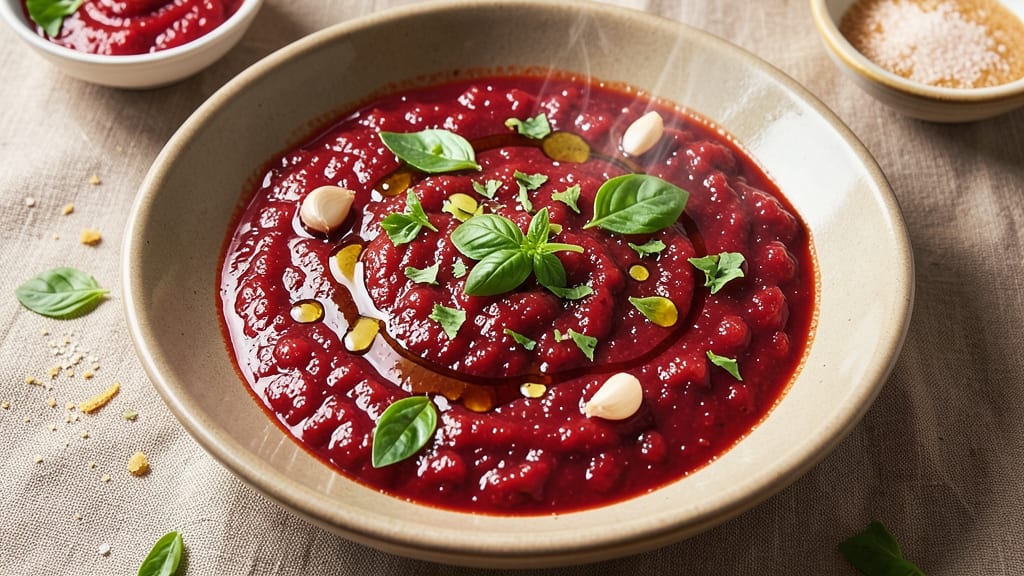
This award-winning pizza sauce recipe delivers velvety richness without clumping—exactly what separates homemade from store-bought. The secret lies in a slow-cooked tomato base with aromatic herbs and a touch of sugar to balance acidity, creating a sauce so smooth it disappears into every bite.
I developed this after years of testing, and it's now the go-to for my restaurant-quality pies at home.
The sauce builds flavor through low-and-slow simmering, allowing the tomatoes to break down into a luscious, jam-like consistency while preserving their natural sweetness. Fresh basil and garlic infuse depth, and a splash of red wine vinegar adds brightness that cuts through the richness.
No blender required—just a pot, a wooden spoon, and patience for a sauce that tastes like it simmered all day.
What makes this sauce truly exceptional is its no-clump texture and ability to hold up during baking, delivering that perfect charred crust with a sauce that stays glossy and flavorful.
The subtle sweetness from the sugar caramelizes slightly, adding complexity that elevates even the simplest pizza. This isn't just sauce—it's the foundation of an award-worthy crust.
Ready in just 30 minutes with ingredients you likely already have, this sauce keeps well in the fridge for up to a week or freezes beautifully for future pizza nights. Whether you're a home cook or a pizza enthusiast, this recipe will transform your next pie into something restaurant-worthy.
Ingredients for award winning pizza sauce
Restaurant-quality pizza sauce starts with these ten ingredients—simple, high-impact, and packed with flavor.
| Ingredient | Amount | Notes |
|---|---|---|
| San Marzano Tomato Crushed 🍅 | 28 oz | Canned, high-quality, no salt added |
| Extra-Virgin Olive Oil 🫒 | ¼ cup | Fruity, high-quality preferred |
| Garlic Cloves 🧄 | 4 cloves | Fresh, peeled, minced |
| Fresh Basil Leaves 🌿 | ½ cup | Packed, stems removed |
| Red Wine Vinegar 🍷 | 1 tbsp | For brightness |
| Granulated Sugar 🍚 | 1 tbsp | Balances acidity |
| Diamond Crystal Kosher Salt 🧂 | ½ tsp | For seasoning |
| Ground Black Pepper 🌶️ | ¼ tsp | Freshly cracked |
| Dried Oregano 🍃 | 1 tsp | Italian variety preferred |
| Freshly Grated Parmesan Cheese 🧀 | 1 tbsp | For umami depth |
The tomatoes are non-negotiable. San Marzano is the gold standard—sweeter, meatier, and consistently high-quality. I grab mine from Whole Foods or Trader Joe's where they keep a steady supply. The crushed variety works perfectly here, saving you the effort of chopping. For olive oil, don't skimp—California Olive Ranch or Colavita deliver that fruity punch that makes this sauce sing. Fresh basil is ideal, but if you're using dried, cut the amount to one-third—it's way more concentrated than fresh.
No red wine vinegar? Balsamic vinegar at half the amount works in a pinch, though it adds a slightly sweeter note. The sugar might seem like a weird addition, but trust me—it caramelizes slightly during simmering and adds that subtle depth that separates this from basic tomato sauce. For the garlic, roast it first if you want to take it to the next level—just toss peeled cloves on a baking sheet at 400°F for 10 minutes. The Parmesan might seem odd, but that 1 tablespoon of freshly grated adds an umami richness that makes the sauce taste like it's been simmering for hours.
This sauce keeps beautifully—1 week in the fridge or 6 months in the freezer. For freezing, portion into ice cube trays first, then transfer to a bag. Thaw overnight in the fridge before using. The texture thickens as it cools, so add a splash of water when reheating. I always make double batches because it disappears faster than you'd think—especially when you're serving it on homemade pizza crust. The no-clump secret? Low-and-slow simmering. Don't rush it—patience is what gives this sauce its velvety perfection.
Why You'll Love This Recipe
- Five-Ingredient Magic: I swear by this—just tomatoes, olive oil, garlic, basil, and a splash of vinegar. That’s it. No fancy gadgets, no blender, no stress. Honestly, it’s the kind of sauce that makes me feel like a pro, even when I’m standing there in my pajamas.
- Bright & Balanced: The San Marzano tomatoes give it that sweet, rich depth, while the red wine vinegar cuts through with a little tang. Fresh basil? That’s the secret—it brightens everything up, like a burst of sunshine on a slice of pizza. Between us, it’s the kind of flavor that makes you close your eyes and take a second bite.
- Pantry Staple Power: This sauce is my go-to for everything—pizza, bruschetta, even as a marinade for grilled chicken. I’ve used it for weeknight dinners, game day snacks, and even as a quick pasta sauce. It’s the kind of recipe that turns one jar of tomatoes into a dozen meals.
- Budget-Friendly Flex: A single can of San Marzano tomatoes and a handful of basil stretch across multiple uses. I make a big batch, freeze half, and still have leftovers for days. Plus, it’s cheaper than store-bought sauce and tastes better—because, let’s be real, nothing beats homemade.
Step-by-step instructions for award-winning pizza sauce
This velvety sauce delivers restaurant-quality richness without clumping—every step matters.
Bloom the Garlic and Basil in Olive Oil
Heat the 0.25 cup extra-virgin olive oil in a medium saucepan over medium-low heat. Add the 4 cloves minced garlic and cook for 1-2 minutes until fragrant but not browned—this prevents bitterness. Immediately stir in the 0.5 cup packed fresh basil leaves and cook for another 30 seconds until just wilted. The basil's bright flavor infuses the oil instantly, giving your sauce that signature Italian brightness.
Here's the thing—don't let the garlic brown. You want sweet, aromatic garlic, not bitter. If you see it starting to turn golden, remove the pan from heat immediately. This step builds the sauce's aromatic foundation, so take your time and watch closely.
Simmer the Tomatoes with Vinegar and Sugar
Add the 28 oz crushed San Marzano tomatoes, 1 tbsp red wine vinegar, and 1 tbsp granulated sugar to the pan. Stir well to combine, then increase heat to medium-high until the mixture reaches a gentle boil. Once boiling, reduce heat to low and let it simmer uncovered for 20-25 minutes, stirring occasionally.
The vinegar brightens the tomatoes while the sugar balances their natural acidity. You'll notice the sauce thicken slightly as it simmers—this is normal. Stir every 5 minutes to prevent sticking and ensure even cooking. The sauce should reduce enough to coat the back of a spoon by the end of this time.
Season with Salt, Pepper, and Oregano
After simmering, stir in the 0.5 tsp Diamond Crystal kosher salt, 0.25 tsp freshly cracked black pepper, and 1 tsp dried oregano. Taste the sauce and adjust seasoning if needed—this is where you fine-tune the balance. The oregano adds earthy depth, while the pepper brings a subtle heat that complements the tomatoes.
I like to let the sauce sit off heat for 5 minutes after adding seasonings. This resting period allows the flavors to meld completely. The sauce will thicken slightly more during this time, which is perfect for that velvety texture we're after.
Finish with Parmesan for Umami Depth
Remove the pan from heat and stir in the 1 tbsp freshly grated Parmesan cheese. The cheese adds a rich umami note that elevates the sauce from good to award-winning. Let the sauce sit for another 2-3 minutes to allow the Parmesan to fully melt and integrate.
For the best results, blend the sauce until smooth using an immersion blender or transfer to a countertop blender. This eliminates any remaining basil stems and creates that ultra-smooth, velvety consistency that clings beautifully to pizza dough. If you prefer a rustic texture, skip blending—just stir well to distribute the Parmesan evenly.
Cool and Store Properly
Let the sauce cool to room temperature, then transfer it to an airtight container. This sauce keeps in the refrigerator for up to 5 days or can be frozen for 3 months. When reheating, warm it gently over low heat or in the microwave, stirring occasionally to prevent skin formation.
The key to long-term success is storing it properly. The sauce thickens as it cools, so you may need to thin it slightly with water or pasta water when reheating. For the best texture, use it within 3 days of making it—fresh sauce always tastes its finest on pizza night.
Pro Tips For Making Award Winning Pizza Sauce
- Simmer Slow and Low: Crushed San Marzano tomatoes need patience—after crushing, cook them on medium-low for at least 20 minutes. I used to rush this, and the sauce always tasted flat; the slow simmer breaks down the tomatoes into a velvety, concentrated base without burning the garlic.
- Toast Garlic in Oil First: Sauté minced garlic in olive oil until it’s golden (not brown) before adding tomatoes—this prevents bitter flavors. I learned this the hard way when my sauce tasted like a chemistry experiment; now, I pull the pan off heat just as the garlic starts to smell nutty.
- Salt the Tomatoes Early: Add salt (about 1 tsp per 28 oz can) right after crushing to soften the tomatoes and balance acidity. Skipping this step means your sauce will taste dull, even if you add more later—trust me, your taste buds will notice.
- Finish with Vinegar Last: Stir in red wine vinegar (1 tbsp) off heat just before serving—it brightens the sauce without cooking off. I was skeptical until I tried it; now, it’s the thing that makes my sauce taste restaurant-quality, not homemade.
Troubleshooting this dish
Sauce Too Thin
If your sauce ends up too thin after simmering, you likely didn’t reduce it long enough. The key is low-and-slow simmering—aim for 20-25 minutes uncovered. For extra thickness, simmer 5 more minutes or transfer to a small saucepan to reduce faster.
If it’s still too thin, mix in 1 tbsp cornstarch dissolved in 2 tbsp water and stir until thickened. 🔥
Sauce Too Thick
Over-reduced sauce can become gluey. If this happens, thin it with 1-2 tbsp water, pasta water, or even a splash of broth while reheating. For future batches, reduce heat to low during the final 5 minutes of simmering to control thickness.
The sauce should coat the back of a spoon but still flow smoothly.
Clumpy Texture
Clumps usually mean you didn’t blend the sauce properly or rushed the simmering. After adding seasonings, blend with an immersion blender for 10-15 seconds to break down any chunks.
For a smoother texture, simmer the tomatoes 5 minutes longer to fully break them down. The San Marzano tomatoes should dissolve into a velvety consistency with patience. ✨
Bitter or Harsh Taste
Bitterness often comes from overcooked garlic or vinegar. Bloom the garlic for only 1-2 minutes—never let it brown. If the sauce tastes too sharp, balance it with ½ tsp more sugar or a pinch of brown sugar while reheating.
For extra depth, add ½ tsp honey to mellow the acidity.
Sauce Separates When Reheating
Separation happens when sauce cools too quickly or sits too long. To fix it, whisk in 1 tbsp cold water or olive oil while reheating. For prevention, cool the sauce gradually in a water bath (place the pan in a larger bowl of cool water) before storing.
This keeps the fat and liquid evenly distributed. 💡
Lacks Flavor Depth
If your sauce tastes flat, it likely needs more umami or acidity. Boost flavor by adding 1 extra clove of roasted garlic or ½ tsp fish sauce (trust me, it works!).
For brightness, increase the red wine vinegar to 1.5 tbsp or add ½ tsp lemon zest. Let the sauce rest 10 minutes after seasoning to let flavors meld fully.
Nutrition facts
Frequently asked questions
Can I substitute regular canned tomatoes for San Marzano?
While you can use regular canned tomatoes, San Marzano are specifically chosen for their sweeter, meatier texture and lower acidity. For a good compromise, use whole peeled tomatoes (like Muir Glen) and crush them yourself. If using standard crushed tomatoes, add ½ tsp extra sugar to balance the acidity and simmer 5 minutes longer for better texture. The flavor won't be identical, but it'll still be delicious!
How do I prevent the sauce from clumping on pizza?
The secret is in the simmering time and blending. Simmer the sauce uncovered for the full 20-25 minutes to break down the tomatoes completely. After seasoning, blend it smooth with an immersion blender for 10-15 seconds. For extra insurance, add 1 tsp cornstarch mixed with 1 tbsp water at the end if you want it to cling even better to the crust. The velvety texture should stay perfect even after baking!
Can I make this sauce without fresh basil?
If you don't have fresh basil, use ½ tsp dried basil instead. For even better results, combine it with ¼ tsp dried oregano to mimic the complex flavor profile. You'll lose some brightness, but the sauce will still taste amazing. For extra depth, add ½ tsp lemon zest when seasoning to compensate for the missing freshness.
How much sauce should I use for a 12-inch pizza?
For a 12-inch pizza, use about ½ cup of this sauce (spread thinly). The velvety texture means you don't need much to flavor the entire crust. If you prefer a more traditional look, use ⅔ cup but spread it evenly so it doesn't pool. Remember, this sauce is so flavorful that less is more—you want it to enhance, not overpower, your toppings!
Why does your recipe call for Parmesan in the sauce?
The 1 tbsp freshly grated Parmesan adds a subtle umami depth that makes this sauce taste like it's been simmering for hours. It's not about making the sauce cheesy—just adding that rich, savory note that elevates the tomatoes. If you're avoiding dairy, omit it and boost the garlic to 5 cloves instead. The sauce will still be delicious, just with a slightly different flavor profile!