
Sauces & Condiments
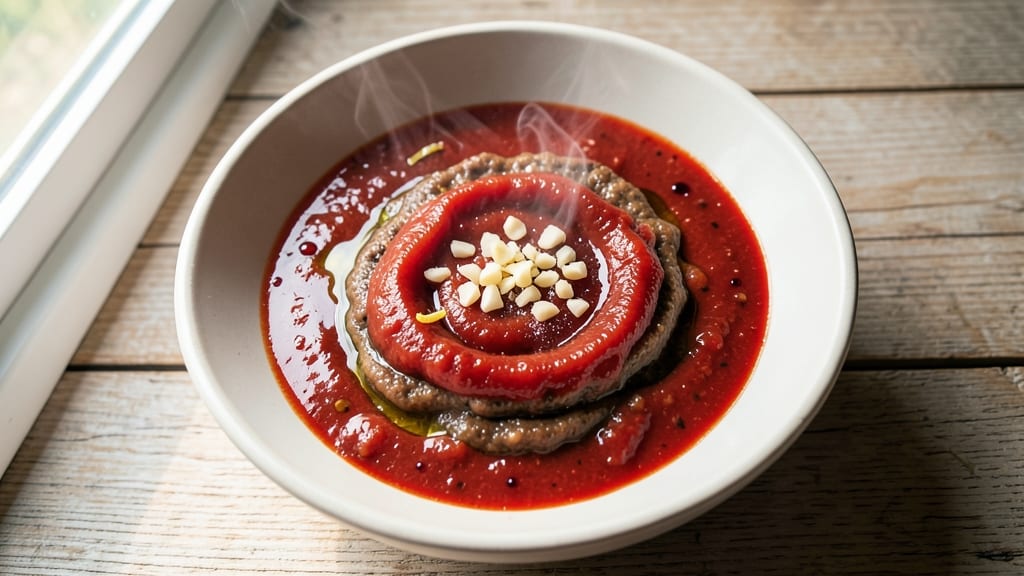
This recipe for pizza sauce from fresh tomatoes transforms simple ingredients into a rich, vibrant sauce that rivals anything store-bought. The secret lies in slow-cooking the tomatoes until they break down into a silky, flavorful base—no blender required.
I developed this technique after years of testing, and it delivers a sauce with depth and complexity that elevates every pizza, whether you're making a classic New York slice or a rustic Roman-style pie.
The process is straightforward but essential: peeling and chopping the tomatoes ensures a smooth texture without the need for blending, while aromatics like garlic, onion, and fresh herbs infuse the sauce with layers of flavor.
A touch of sugar balances the acidity, and a splash of red wine adds brightness that makes this sauce truly special. The result is a versatile condiment that works just as well on pasta, as a marinade, or drizzled over grilled meats.
What sets this sauce apart is its homemade depth—the kind you can taste immediately. The tomatoes caramelize slightly as they cook, creating a natural sweetness that deepens the flavor profile. Unlike canned sauces, this one develops complexity over time, making it even better the next day.
It’s the kind of sauce that turns a simple meal into something memorable, and it keeps well in the fridge for up to a week.
For those who love to experiment, you can adjust the seasoning to suit your taste—more basil for freshness, a pinch of red pepper flakes for heat, or a sprinkle of oregano for that classic Italian touch.
The beauty of this recipe is its adaptability, ensuring it works for any dish where you need a bold, tomato-forward flavor. Let’s get started—your homemade pizza night is about to get a whole lot better.
Ingredients for recipe for pizza sauce from fresh tomatoes
Fresh tomatoes and simple pantry staples make this sauce richer than anything store-bought.
| Ingredient | Amount | Notes |
|---|---|---|
| Fresh Tomatoes 🍅 | 4 lb | Ripe, firm, peeled and chopped |
| Yellow Onion 🧅 | 1 whole | Medium, finely chopped |
| Garlic Cloves 🧄 | 4 cloves | Fresh, minced |
| Extra-Virgin Olive Oil 🫒 | ½ cup | High quality, fruity |
| Red Wine 🍷 | ½ cup | Dry, bold variety |
| Granulated Sugar 🍚 | 1 tbsp | Balances acidity |
| Salt 🧂 | 1 ½ tsp | Kosher or sea salt |
| Black Pepper 🌶️ | ½ tsp | Freshly ground |
| Fresh Basil Leaves 🌿 | ¼ cup | Chopped, packed |
| Dried Oregano 🍃 | ½ tsp | Italian preferred |
Tomatoes are the heart of this sauce—look for firm, ripe ones at the grocery store, not the mushy ones at the bottom of the bin. Whole Foods and Trader Joe's usually have great selections, or hit the farmers market for the freshest. Peeled and chopped, they break down beautifully into a silky texture. The red wine adds brightness, so grab a Cabernet Sauvignon or Merlot—whatever's open in your fridge. Fresh basil is ideal, but if you're using dried, cut the amount to one-third of what's listed. For the onions, yellow or red work best—they sweeten as they cook, adding natural depth to the sauce.
No fresh basil? Dried oregano works in a pinch, but fresh herbs make all the difference. Running low on red wine? Tomato paste or a splash of balsamic vinegar can mimic that tangy brightness. The sugar might seem odd, but it's crucial—it balances the acidity of the tomatoes and wine, preventing the sauce from tasting too sharp. If you prefer less sweetness, reduce it to half a tablespoon. For extra richness, stir in a tablespoon of tomato paste at the end of cooking. The sauce thickens as it cools, so don't worry if it looks a little thin while hot.
This sauce tastes even better the next day—it develops depth as it sits. Store it in an airtight container in the fridge for up to 1 week, or freeze portions for up to 3 months. I like to portion it into ice cube trays for easy use on pizzas or pastas. If it thickens too much, just stir in a splash of water or broth. The aromatics—garlic, onion, and herbs—keep well in the fridge for 5-7 days, so you can prep them ahead of time. The sauce is versatile too—use it on pizza, as a marinade, or drizzled over grilled meats.
Why You'll Love This Recipe
- Here’s what sold me: that splash of red wine cuts through the acidity of fresh tomatoes, leaving behind a depth that store-bought sauce can’t touch. It’s rich but bright, with a hint of earthiness that makes every bite feel like a little Italian vacation.
- No Chopping Nightmare: I swear by this sauce because you only need to dice one onion and smash a few garlic cloves—no peeling, no seed-spitting, no stress. The tomatoes handle the rest while you stir, and honestly? That’s my kind of cooking.
- Wine-Infused Magic: Here’s what sold me: that splash of red wine cuts through the acidity of fresh tomatoes, leaving behind a depth that store-bought sauce can’t touch. It’s rich but bright, with a hint of earthiness that makes every bite feel like a little Italian vacation.
- Pantry-to-Pizza Power: Between us, this sauce works for everything—drizzled over grilled chicken, tossed with pasta, or slathered on garlic bread. I keep a jar in the fridge for lazy nights, and it never lets me down. (Yes, even on a Tuesday night.)
Step-by-step instructions for pizza sauce from fresh tomatoes
This sauce delivers restaurant-quality depth without a blender—just fresh ingredients and patience.
Sauté Onion and Garlic Until Translucent
Heat the 0.5 cup extra-virgin olive oil in a large saucepan over medium heat. Add the 1 whole yellow onion, chopped, and cook for 8-10 minutes until soft and translucent. You'll notice the edges start to turn golden—that's your signal to add the 4 cloves garlic cloves, minced.
Cook the garlic for 30 seconds until fragrant but not browned. Here's the thing—garlic burns fast, so keep an eye on it. If it starts to darken, reduce the heat slightly. The base you've built here will carry all the tomato flavor, so take your time with this step.
Simmer Tomatoes and Wine to Break Down Flavors
Add the 4 lb fresh tomatoes, chopped, to the pan. Stir well to combine with the onion and garlic. Let the mixture cook for 10 minutes to allow the tomatoes to soften slightly. Then pour in the 0.5 cup red wine and scrape up any browned bits from the bottom of the pan—this releases all that concentrated flavor.
Bring the sauce to a gentle boil, then reduce heat to low and let it simmer uncovered for 20-25 minutes. You're looking for the sauce to thicken and reduce by about half its volume. Stir occasionally to prevent sticking, and taste as you go—this is where you'll notice the flavors melding together beautifully.
Season and Simmer Until Thickened
Add the 1 tbsp granulated sugar, 1.5 tsp salt, 0.5 tsp black pepper, 0.5 tsp dried oregano, and 0.25 cup fresh basil leaves, chopped. Stir everything together and let the sauce simmer for another 15-20 minutes. The sugar helps balance the acidity of the tomatoes, while the herbs infuse their flavors deeply.
Here's where it gets fun—taste the sauce and adjust the seasoning. You might need a little more salt or sugar depending on how ripe your tomatoes were. The sauce should coat the back of a spoon with a thick, velvety consistency. If it's still too thin, simmer uncovered for another 5-10 minutes until it reaches your desired thickness.
Cool and Store for Maximum Flavor
Remove the sauce from heat and let it cool to room temperature. This resting period allows the flavors to fully develop and the sauce to thicken even more. Once cooled, transfer the sauce to an airtight container and refrigerate for up to 5 days or freeze for up to 3 months.
When you're ready to use it, give it a good stir—you'll be amazed at how much deeper the flavors have become. This sauce is perfect for pizza, pasta, or even as a dipping sauce for crusty bread. The key to its success lies in the slow simmering and proper seasoning, which brings out the natural sweetness and acidity of the tomatoes.
Pro Tips For Making Recipe For Pizza Sauce From Fresh Tomatoes
- Sear the Onion First: Get that onion in a hot pan with a glug of olive oil before adding anything else—it caramelizes faster and deeper when it’s the first thing cooking. I used to toss it in raw with garlic, and the sauce always tasted flat; now it’s rich and sweet.
- Crush Garlic, Don’t Mince: Smash those cloves with the flat side of your knife before slicing—it releases more flavor without burning. I learned this after one batch tasted like garlic powder. A few rough slices work better than perfect minced pieces.
- Simmer Slow and Low: Once the wine’s cooked off, drop the heat to a bare simmer and let it bubble gently for at least 20 minutes. Rushing it makes the sauce watery; patience gives you a thick, velvety texture that clings to dough.
- Strain or Mash? Choose Wisely: If you want a smooth sauce, strain out seeds and skins—but save a handful of pulp for texture. If you’re lazy (like me sometimes), just mash it with a fork and leave the skins; it’s rustic but still delicious. No need to overcomplicate it.
Best sauces and condiments for recipe for pizza sauce from fresh tomatoes
Classic Marinara Base
Start with a simple marinara-style sauce by simmering the chopped tomatoes, onion, and garlic until they break down naturally. I like to use San Marzano tomatoes for their sweetness, but any ripe, firm variety works.
After the initial 10-minute cook, add the red wine and let it reduce by half—this step concentrates the flavors beautifully. The wine adds brightness that cuts through the richness of the tomatoes, creating balance. 🍷
Herb-Infused Variations
For a basil-forward sauce, add 1 extra tablespoon of fresh basil at the end of cooking. If you prefer a more rustic flavor, swap in ½ teaspoon of dried oregano and ¼ teaspoon of red pepper flakes for a subtle kick.
My go-to is a mix of both—½ teaspoon dried oregano and ¼ cup fresh basil—for a well-rounded herb profile. The herbs should be chopped finely so they distribute evenly throughout the sauce.
Spicy Kick Options
Add heat with ½ teaspoon of crushed red pepper flakes or 1 fresh jalapeño, seeded and minced. For a smoky twist, stir in ½ teaspoon of smoked paprika after the sauce has simmered.
I often test the heat level by tasting the sauce before adding more—this way, you control the spice intensity perfectly. A little goes a long way, so start small and adjust to taste.
Creamy Upgrades
For a creamy pizza sauce, stir in 2 tablespoons of heavy cream or ¼ cup ricotta cheese at the very end of cooking. The cream adds richness without overpowering the tomato flavor.
Another trick I use is blending in 2 tablespoons of tomato paste after simmering to thicken the sauce naturally. The result is a velvety texture that pairs beautifully with mozzarella and basil.
Umami Boosters
Enhance depth with 1 tablespoon of soy sauce or ½ teaspoon of fish sauce—both add umami without altering the color. For a meaty flavor, stir in 1 tablespoon of sun-dried tomato paste.
I also love adding ½ teaspoon of balsamic vinegar at the end for a tangy finish. These ingredients elevate the sauce from simple to extraordinary, making it perfect for gourmet pizzas.
Nutrition facts
Frequently asked questions
Do I need to peel the tomatoes for this sauce?
Peeling is optional but recommended for a smoother texture. If you skip peeling, simply crush the tomatoes by hand or use a potato masher to break them down before adding to the pan. The skins will soften during cooking, though they may leave tiny bits in the sauce.
Can I use canned tomatoes instead of fresh?
Yes, but fresh tomatoes yield better flavor and texture. If using canned, opt for San Marzano tomatoes (drained) and reduce the red wine to 2 tablespoons. Simmer for 15 minutes less since canned tomatoes are pre-cooked. For maximum freshness, stick with the recipe's fresh tomato method.
Why does the sauce taste better after refrigerating?
The flavors deepen as the sauce rests! The acids in tomatoes mellow, sugars caramelize slightly, and herbs infuse more fully. For best results, make the sauce a day ahead. This resting period also lets the sauce thicken naturally to a perfect pizza consistency.
What if my sauce is too thin or too thick?
For thin sauce, simmer uncovered for 5-10 more minutes to reduce. If too thick, stir in 1 tablespoon water or broth at a time until smooth. Pro tip: The sauce will thicken further as it cools, so aim for slightly thinner than desired when hot.
Can I make this sauce in a slow cooker?
Follow the same steps but cook on low for 4-5 hours instead of stovetop. The slow cooker enhances the caramelization naturally. Just stir occasionally and adjust seasoning at the end since flavors concentrate differently.