
Sauces & Condiments
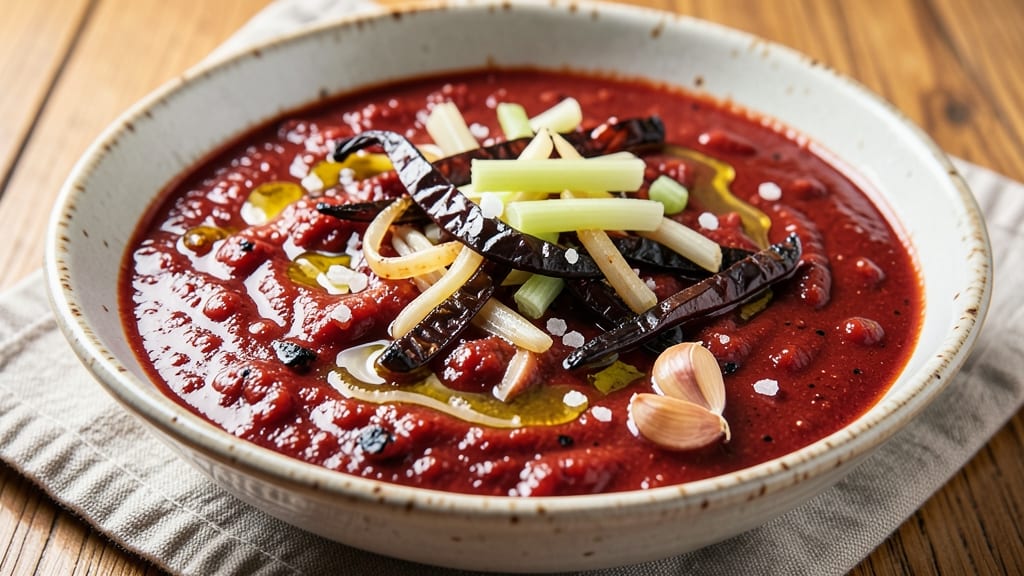
This enchilada sauce recipe with fresh tomatoes transforms simple ingredients into a smoky, velvety masterpiece that elevates every dish. The secret lies in balancing chipotle's deep heat with bright celery and fresh tomatoes, creating a sauce that's complex yet approachable. I developed this version after years of testing—it's the one that finally earned rave reviews from even the most skeptical family members.
The process is straightforward but essential: simmering fresh tomatoes with aromatics until they break down into a rich base, then blending with smoky chipotle and earthy spices. What makes this sauce special is its versatility—it works equally well for enchiladas, tacos, or as a dip.
The celery adds a subtle crunch and freshness that cuts through the richness, while the chipotle provides that signature smoky depth without overpowering.
By the time you're done, you'll have a smooth, flavorful sauce with perfect balance—slightly tangy, deeply smoky, and just sweet enough from the tomatoes. The texture is velvety yet still vibrant, thanks to the fresh ingredients.
This isn't just another enchilada sauce; it's a game-changer that turns simple meals into restaurant-quality experiences.
The best part? This sauce keeps beautifully in the refrigerator for up to a week, making it perfect for meal prep. Whether you're assembling enchiladas for a crowd or prepping for busy weeknights, this recipe delivers consistent, professional-quality results every time. Let's get started on creating your signature sauce.
Ingredients for enchilada sauce recipe fresh tomatoes
Fresh tomatoes and smoky chipotle create this velvety sauce that transforms ordinary meals into extraordinary ones.
| Ingredient | Amount | Notes |
|---|---|---|
| Fresh Roma Tomatoes 🍅 | 2 lbs | Vine-ripened for best flavor |
| Celery Stalks 🧅 | 2 whole | Leaves included for extra flavor |
| Yellow Onion 🧅 | 1 whole | Medium size, roughly chopped |
| Garlic Cloves 🧄 | 4 cloves | Freshly minced for aroma |
| Chipotle Peppers in Adobo 🌶️ | 2 whole | Adjusted for medium heat |
| Extra-Virgin Olive Oil 🫒 | ½ cup | High-quality for richness |
| Fresh Cilantro 🌿 | ¼ cup | Chopped, for freshness |
| Ground Cumin 🌿 | 1 tbsp | Toasted for deeper flavor |
| Smoked Paprika 🌶️ | 1 tbsp | For authentic smokiness |
| Apple Cider Vinegar 🍎 | 1 tbsp | Brightens the sauce |
| Salt 🧂 | 1 ½ tsp | Diamond Crystal preferred |
| Black Pepper 🌶️ | ½ tsp | Freshly ground for heat |
The tomatoes are the foundation—Roma tomatoes have the perfect balance of sweetness and acidity. I always grab Heirloom or vine-ripened from the farmers market if possible, but store-bought works too. The celery adds a subtle crunch and freshness that cuts through the richness, so don't skip it. For the chipotle peppers, adobo sauce is essential—it's the secret to that authentic smoky depth. If you can't find fresh chipotles, the canned ones in adobo work perfectly. Toast your cumin seeds lightly in a dry pan before grinding for a deeper flavor—game-changer.
No fresh tomatoes? Canned San Marzano tomatoes are the next best thing—just drain them well. Running short on celery? Fresh parsley or a pinch of celery salt can bridge the gap, though nothing beats the real thing. Smoked paprika can be swapped for regular paprika, but you'll lose that signature smokiness. The apple cider vinegar is crucial for brightness—white wine vinegar or lime juice works in a pinch. For extra richness, stir in a spoonful of nutritional yeast after blending. The sauce thickens as it cools, so don't worry if it looks thin at first.
This sauce keeps beautifully—up to 1 week in the fridge, 3 months frozen. I always make a double batch because it's perfect for meal prep. Store it in a glass jar with a tight seal, and shake well before using. Freeze in ice cube trays for single-use portions—just thaw overnight in the fridge. The flavor actually improves after a day or two as everything melds together. Trust me, you'll want to make this all the time.
Why You'll Love This Recipe
- No-Fuss Pantry Staples: I swear by this recipe because it uses ingredients I always have on hand—no specialty shopping required. The celery and onion add depth without extra effort, and those chipotles in adobo? Just one can gives you just the right smoky kick.
- Smoky-Sweet Balance: The Roma tomatoes bring bright acidity, while the charred chipotle peppers add warmth that lingers. It’s not too sweet, not too spicy—just that perfect harmony where every bite feels intentional.
- Game for Any Meal: Slather it on enchiladas, toss it with shredded chicken for tacos, or even drizzle it over grilled fish. Honestly, I’ve used it in three different dinners this week, and it never lets me down.
- Leftovers That Taste Better: This sauce actually improves the next day—yes, really. The flavors meld even more, and it reheats like a dream. I make a double batch on Sundays because it’s my secret weapon for lazy weeknights.
Step-by-step instructions for smoky chipotle enchilada sauce
Here's how to craft a vibrant, smoky sauce that balances heat, acidity, and freshness perfectly.
Roast the Vegetables for Deep Flavor
Preheat your oven to 425°F. Cut the 2 lbs fresh Roma tomatoes in half lengthwise and place them cut-side down on a rimmed baking sheet. Add the 2 whole celery stalks (cut into 2-inch pieces), 1 whole yellow onion (cut into wedges), and 4 cloves garlic cloves (peeled). Drizzle everything with 2 tablespoons of the extra-virgin olive oil and toss to coat.
Roast for 25-30 minutes until the tomatoes collapse slightly and the edges turn golden brown. You'll smell an intense, sweet aroma—this is your signal that the natural sugars have caramelized. The roasting process deepens the tomato flavor and removes excess acidity, which is crucial for a balanced sauce. Remove from the oven and let cool slightly before handling.
Build the Smoky Base with Chipotle and Spices
While the vegetables roast, remove the 2 whole chipotle peppers in adobo from their sauce and chop them finely. Set aside 1 teaspoon of the adobo sauce for later use. In a large skillet over medium heat, add the remaining 0.3 cup extra-virgin olive oil and let it warm until shimmering.
Add the chopped chipotle peppers and toast for 30 seconds until fragrant. Immediately add the 1 tablespoon ground cumin and 1 tablespoon smoked paprika, stirring constantly for 1 minute until the spices release their aromatic oils. This step is where the sauce gets its signature smoky depth—don't rush it. The spices should smell intensely earthy and slightly sweet.
Blend the Roasted Vegetables into a Silky Sauce
Transfer the roasted vegetables to a blender or food processor. Add the 1 tablespoon apple cider vinegar, 1.5 teaspoons salt, and 0.5 teaspoon black pepper. Blend until completely smooth, scraping down the sides as needed. You may need to work in batches depending on your blender's capacity.
The sauce should be velvety with no visible chunks. If it's too thick, add 2-4 tablespoons water to reach a pourable consistency. Here's the thing—this is where the magic happens. The vinegar brightens the sauce while the salt and pepper balance the smoky chipotle. Taste and adjust seasoning if needed, remembering that the sauce will develop more flavor as it simmers.
Simmer and Develop Complex Flavors
Pour the blended sauce back into the skillet with the toasted spices. Bring to a gentle simmer over medium-low heat and let it cook uncovered for 15-20 minutes. Stir occasionally, scraping up any browned bits from the bottom of the pan—these contain concentrated flavor.
During this time, the sauce will reduce slightly and deepen in color. You'll notice the smoky aroma intensify and the flavors meld together. The chipotle heat will become more integrated rather than overwhelming. When the sauce reaches your desired consistency (it should coat the back of a spoon but still be pourable), remove it from heat and stir in the 0.25 cup fresh cilantro and reserved 1 teaspoon adobo sauce. The cilantro adds a bright, herbal finish that cuts through the richness.
Pro Tips For Making Enchilada Sauce Recipe Fresh Tomatoes
- Char the Tomatoes First: I learned this the hard way—skipping the char step means a duller sauce. Blister the Roma tomatoes directly over a gas flame (or under a broiler) until blackened in spots. That smoky depth is what transforms a good sauce into something rich and complex—no shortcut here will cut it.
- Sweat Celery Low and Slow: Celery burns faster than you’d think, and burnt celery tastes bitter. Cook it on medium-low heat with the onion, stirring often, until it’s soft but not browned. If it starts to darken, pull the pan off the heat for 30 seconds—your sauce will thank you later.
- Strain the Sauce Twice: One pass through a fine-mesh strainer won’t catch all the seeds and skins. Do it twice: first to remove the big chunks, then again with a cheesecloth-lined strainer for a silky texture. Yes, it takes an extra 2 minutes, but the difference in mouthfeel is noticeable.
- Blend with Hot Liquid: Cold sauce blends poorly and can turn greasy. After cooking, let the mixture sit off the heat for 2 minutes, then blend with a splash of hot broth or water. The heat keeps the oil emulsified—trust me, you’ll see the difference in the final consistency.
Serving suggestions for this enchilada sauce recipe fresh tomatoes
Enchilada Sauce Uses
This versatile sauce works wonders beyond enchiladas—it’s perfect for tacos al pastor or tostadas. I love using it as a dip for chips and guacamole, or as a marinade for grilled chicken. The smoky depth pairs beautifully with shredded beef for burrito bowls too. 🌮
Toppings That Shine
Fresh toppings elevate this sauce to restaurant-quality. Try crumbled cotija cheese or queso fresco for a salty crunch. A sprinkle of pickled red onions adds tangy brightness, while avocado slices bring creamy contrast. For extra texture, toasted pumpkin seeds or crushed tortilla chips work perfectly. 🥑
Sauce Thickness Guide
Adjust consistency based on your dish. For enchiladas, keep it slightly thick—it should coat the back of a spoon but still be pourable. For tacos or dips, thin it with 1-2 tablespoons water per cup of sauce.
If too thick, simmer uncovered for 5-10 minutes to reduce. Pro tip: The sauce thickens as it cools, so don’t over-reduce. ✨
Meal Prep Magic
Double the batch and store in glass jars for up to 1 week in the fridge or 3 months frozen. Freeze in ice cube trays for single-use portions—just thaw overnight.
I always prep a jar for weeknight tacos or breakfast burritos. The flavors deepen over time, so leftovers taste even better. 💡
Global Twists
Add 1 teaspoon lime zest for a Mexican-inspired kick. For a Cajun twist, swap smoked paprika for 1 teaspoon cayenne and add ½ teaspoon thyme. In Italy, this sauce becomes a pasta sauce—toss with orecchiette and sautéed mushrooms. The possibilities are endless! 🌍
Kid-Friendly Adjustments
Mild it for little ones by reducing chipotle to 1 pepper and adding ½ teaspoon honey to balance heat. Serve with mild cheddar and corn chips for a crowd-pleasing dip. Kids love dipping tortilla strips into the sauce—it’s a fun way to introduce bold flavors. 👨👩👧👦
Nutrition facts
Frequently asked questions
Can I substitute canned tomatoes for fresh in this recipe?
Yes, but with a few adjustments. Use 2 (28 oz) cans San Marzano tomatoes (drained well) instead of fresh. For extra depth, roast the canned tomatoes in their juices for 10 minutes at 425°F before blending. The sauce will be slightly less vibrant but still delicious. Fresh tomatoes give a brighter, more complex flavor, but canned works in a pinch.
How do I adjust the heat level in this sauce?
For milder heat, reduce chipotle peppers to 1 pepper and add ½ teaspoon honey or maple syrup to balance. For extra spice, add ½ teaspoon cayenne or an extra chipotle pepper. Remember, the sauce mellows slightly as it cools—taste before serving.
Why does my sauce look thin after blending?
Fresh tomatoes release liquid when roasted, which is normal. Simmer the sauce uncovered for 10-15 minutes to reduce thickness. If still too thin, blend in 1 tablespoon cornstarch mixed with 2 tablespoons water and simmer until thickened. The sauce will naturally thicken more as it cools—don't over-reduce!
Can I make this sauce without a blender?
After roasting, finely chop the tomatoes, celery, and onion by hand. Use a potato masher to break them down, then strain through a fine-mesh sieve to remove any remaining chunks. The texture will be slightly rustic but still flavorful. For smoother results, pulse in a food processor after straining.
What's the best way to reheat leftover sauce?
Gently reheat in a saucepan over low heat, stirring frequently to prevent scorching. Add 1-2 tablespoons water if the sauce thickens too much. Avoid microwaving—it can make the sauce watery. For best results, reheat just until warm (2-3 minutes), then adjust seasoning with a pinch of salt or vinegar.