
Sauces & Condiments
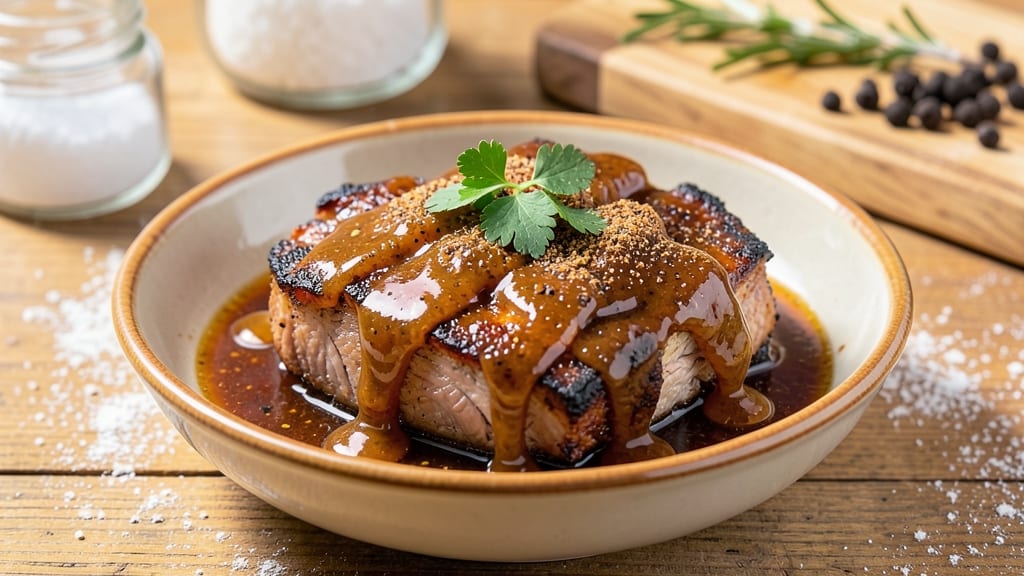
This diabetic BBQ sauce recipe delivers all the smoky, tangy depth of classic BBQ without the sugar spike—perfect for grilling, slow-cooking, or drizzling on veggies.
After years of perfecting low-carb sauces, I’ve created a version that’s rich, flavorful, and safe for blood sugar management, using erythritol for that caramelized sweetness without the glycemic impact.
The foundation is a balanced blend of tomato paste, apple cider vinegar, and liquid smoke for that signature BBQ aroma, all enhanced with warm spices like smoked paprika and cinnamon.
What sets this apart is the zero-net-carb sweetener that mimics traditional sauce’s depth while keeping it diabetic-friendly—no artificial aftertaste, just bold flavor. The sauce thickens beautifully when simmered, creating that perfect sticky consistency for glazing or basting.
By the time you’re done, you’ll have a versatile sauce that works on grilled chicken, pulled pork, or even roasted vegetables—all without compromising flavor or health goals.
It stores well in the fridge for up to 2 weeks or freezes for 3 months, making it ideal for meal prep. Here’s how to make it.
This sauce isn’t just about restriction; it’s about recreating the smoky, sweet experience of classic BBQ in a way that aligns with dietary needs. Whether you’re managing diabetes or simply cutting back on sugar, this recipe proves you don’t have to sacrifice taste for health.
Ingredients for diabetic bbq sauce
Eleven ingredients transform into smoky, sweet, sugar-free BBQ magic perfect for grilling or slow-cooking.
| Ingredient | Amount | Notes |
|---|---|---|
| Tomato Paste 🍅 | ½ cup | Canned, unsweetened variety |
| Apple Cider Vinegar 🍏 | ¼ cup | Raw, unfiltered preferred |
| Erythritol 🍬 | ¼ cup | Granulated, zero-net-carb sweetener |
| Liquid Smoke 🔥 | 1 tbsp | Pure, no additives |
| Smoked Paprika 🌶️ | 2 tbsp | High-quality, vibrant color |
| Ground Cinnamon 🌿 | 1 tsp | Freshly ground preferred |
| Ground Cloves 🌶️ | ½ tsp | Whole cloves ground fresh |
| Mustard Powder 🥬 | 1 tbsp | Yellow or Dijon preferred |
| Garlic Powder 🧄 | 1 tbsp | Freshly ground preferred |
| Onion Powder 🧅 | 1 tbsp | Freshly ground preferred |
| Salt 🧂 | 1 tsp | Diamond Crystal kosher salt |
| Black Pepper 🌶️ | ½ tsp | Freshly ground preferred |
| Water 💧 | ½ cup | Filtered preferred |
The erythritol is the game-changer here—Swerve brand or Lakanto work best for that caramelized sweetness without the glycemic impact. Grab the granulated version from the baking aisle, not the powdered kind. Smoked paprika? Penzeys or Simply Organic have the most vibrant, flavorful options. The tomato paste should be canned, unsweetened—Muir Glen is my go-to for no weird additives. Liquid smoke can be tricky; Al's Smokehouse is the gold standard, but keep it in a cool, dark cabinet since it loses potency over time.
No erythritol? Allulose at the same amount works similarly, though it has a slight cooling effect. Skip the liquid smoke? Smoked salt or a pinch of smoked sea salt adds depth, but you’ll miss that signature BBQ aroma. Mustard powder giving you trouble? Dijon mustard at half the amount works in a pinch, but it’ll alter the texture slightly. The spices are non-negotiable—freshly ground cinnamon and cloves make all the difference. If you’re using pre-ground, check the expiration date; stale spices ruin the party.
This sauce keeps beautifully—2 weeks in the fridge or 3 months in the freezer. Store it in a glass jar with a tight seal, and the flavors only get better over time. Double the batch if you’re grilling for a crowd; it’s worth the extra effort. For leftovers, reheat gently on the stove with a splash of water to restore that perfect consistency. The erythritol won’t crystallize like sugar, so no need to worry about graininess.
Why You'll Love This Recipe
- Five-Ingredient Magic: I swear, this sauce comes together with just tomato paste, vinegar, erythritol, and a dash of liquid smoke—no clutter, no fuss. Honestly, I keep a jar of each in my pantry just for this reason.
- Smoky-Sweet Fix: That liquid smoke and smoked paprika? It’s like a campfire in a bottle, but the erythritol keeps it from being cloying. My husband licks the spoon mid-stir—no joke.
- Weeknight & BBQ Hero: Slather it on grilled chicken for dinner, toss it in baked beans for lunch, or drizzle it over roasted veggies. It’s my go-to when I need something fast but still feels special.
- No-Waste Treasure: A little goes a long way, so you’ll have leftovers for days—perfect for meal prep or stashing in the freezer. I’ve got a jar in my fridge right now from last weekend’s cookout.
Step-by-step instructions for sugar-free BBQ sauce
Here's how to create a rich, smoky diabetic-friendly sauce that delivers all the tangy-sweet flavor without the sugar spike.
Bloom the Spices in Tomato Paste
In a medium saucepan over medium heat, add the 0.5 cup tomato paste and let it warm for 2-3 minutes until it begins to soften and take on a glossy sheen. This step prevents clumping and helps distribute the flavors evenly throughout the sauce.
While the tomato paste warms, add the 2 tablespoons smoked paprika, 1 tablespoon garlic powder, 1 tablespoon onion powder, 1 teaspoon ground cinnamon, 0.5 teaspoon ground cloves, 1 tablespoon mustard powder, 1 teaspoon salt, and 0.5 teaspoon black pepper. Stir continuously for 1-2 minutes until the spices release their aromatic oils and the mixture becomes fragrant—this is when you'll notice the warm, smoky aroma that forms the sauce's foundation.
Add Liquid and Sweeteners
Pour in the 0.25 cup apple cider vinegar and 0.5 cup water, then bring the mixture to a gentle simmer over medium-low heat. As it heats, add the 0.25 cup erythritol and the 1 tablespoon liquid smoke, stirring constantly to dissolve the sweetener completely. The sauce should thicken slightly as it simmers, but don't let it boil vigorously—this helps prevent the erythritol from crystallizing.
Simmer for 10-12 minutes, stirring occasionally, until the sauce reduces by about 25% and becomes thick enough to coat the back of a spoon. You'll notice the deep, caramel-like aroma intensify as the flavors meld together—this is your cue that the sauce is developing its signature complexity. If the sauce starts to thicken too quickly, add 1 tablespoon water at a time to maintain the right consistency.
Simmer to Perfection
Continue simmering for an additional 8-10 minutes until the sauce reaches your desired thickness and the flavors are fully integrated. The sauce should coat a spoon smoothly but still be pourable—it will thicken further as it cools. Taste and adjust the seasoning if needed; you can add a pinch more salt or a splash of apple cider vinegar for brightness.
Here's the thing—this sauce tastes even better after it sits for a few hours. Once it reaches your desired consistency, transfer it to a clean jar and let it cool to room temperature. The flavors will deepen and mellow, making it even more irresistible. Store it in the refrigerator for up to 2 weeks or freeze it for longer storage. This sauce is perfect for grilling, basting, or drizzling over your favorite diabetic-friendly dishes.
Pro Tips For Making Diabetic Bbq Sauce
- Simmer Low and Slow: The tomato paste burns faster than you’d think—keep the heat at a gentle simmer (medium-low) once everything’s combined. I learned this the hard way when my first batch turned into a charred, bitter mess that even extra vinegar couldn’t save.
- Bloom the Spices First: Toast the smoked paprika in the pot for 30 seconds before adding liquids—it deepens the flavor without overpowering. Skip this, and your sauce will taste flat, like someone forgot to open the smokehouse door.
- Balance the Vinegar Gradually: Add the apple cider vinegar in two additions: half upfront, the rest at the end. This keeps the acidity from clashing with the sweetness too early, and you can adjust to taste instead of guessing.
- Use a Splatter Screen: Liquid smoke is volatile—pour it in slowly while stirring, and cover the pot with a splatter screen if you’re nervous. I’ve seen it hiss out like a tiny firework, and you don’t want to lose that smoky punch to the ceiling fan.
Regional styles of this diabetic bbq sauce
Texas-Style Smoky Heat
In Texas, BBQ sauce is all about bold, smoky flavors with a touch of sweetness—this diabetic version keeps that essence while cutting sugar. I add an extra ½ teaspoon of smoked paprika and a pinch of cayenne pepper for that signature Texas kick.
The sauce works perfectly on brisket or ribs, where the smokiness shines. For extra authenticity, serve it with pickled jalapeños on the side. 🔥
Carolina Vinegar Tang
Carolina BBQ sauce relies on vinegar for its tangy punch, so this version leans into apple cider vinegar with a splash of white vinegar (about 1 tablespoon) for extra brightness. It’s ideal for pulled pork or chicken, where the acidity cuts through the richness.
I also reduce the erythritol slightly (¼ cup) to keep the focus on the vinegar’s sharpness. 🍏
Kansas City Sweet & Spicy
Kansas City sauce is known for its balanced sweetness and spice, so this diabetic adaptation uses ½ teaspoon of cinnamon and ¼ teaspoon of allspice to mimic that depth. The sauce is perfect for slow-cooked meats like pork shoulder or beef ribs.
For a true KC touch, finish with a sprinkle of crushed red pepper flakes before serving. 🌶️
Memphis Dry Rub Pairing
While Memphis BBQ is traditionally dry-rubbed, this sauce still plays a role as a glaze or dipping sauce. The key is to use it sparingly—just a light brush over ribs or chicken wings.
The smoky, sweet flavors complement the dry rub’s heat without overpowering it. For extra flair, add 1 teaspoon of liquid smoke to intensify the Memphis vibe. 💫
Hawaiian Pineapple Twist
For a tropical twist, stir in 1 tablespoon of unsweetened pineapple juice (or ½ teaspoon of pineapple extract) at the end of cooking. This version works beautifully on grilled chicken or pork skewers, adding a subtle fruity note that balances the smokiness.
Garnish with fresh cilantro for a fresh, island-inspired finish. 🌺
Nutrition facts
Frequently asked questions
Can I use stevia instead of erythritol in this diabetic BBQ sauce?
While stevia is sugar-free, it has a distinct bitter aftertaste that doesn't blend well with BBQ flavors. For best results, stick with erythritol or allulose—both mimic caramelization without altering the sauce's depth. If you must use stevia, reduce to ½ teaspoon and pair with ¼ teaspoon of vanilla extract to mask any bitterness.
How does this sauce compare to store-bought diabetic BBQ sauces?
Homemade wins for freshness and flavor control! Store-bought versions often contain artificial thickeners or aftertastes from sugar substitutes. This recipe uses real spices and tomato paste for authentic depth, plus no preservatives. The erythritol provides natural sweetness without the chemical tang some brands have.
Can I make this sauce thicker for glazing?
Yes! For a thicker glaze, simmer uncovered for 5-10 extra minutes to reduce more liquid. Need instant thickening? Mix 1 teaspoon of cornstarch with 1 tablespoon cold water, stir into the sauce, and cook for 2 minutes until it reaches your desired consistency. Just avoid overcooking—it'll thicken further as it cools.
What's the best way to use this sauce on grilled chicken?
For maximum flavor, brush on during the last 5-7 minutes of grilling when the chicken reaches 165°F internally. The high heat caramelizes the sauce slightly, creating a smoky crust. For extra tenderness, marinate the chicken in 2 tablespoons of sauce for 30 minutes before grilling—just don't overcook or it'll dry out.
Will this sauce work for keto or low-carb diets?
This recipe is zero-net-carb thanks to erythritol and contains only 3g total carbs per 2-tablespoon serving. The tomato paste and vinegar provide minimal carbs, while the spices and liquid smoke add flavor without carbs. Just double-check your erythritol brand—some blends contain fillers that may add trace carbs.