
Sauces & Condiments
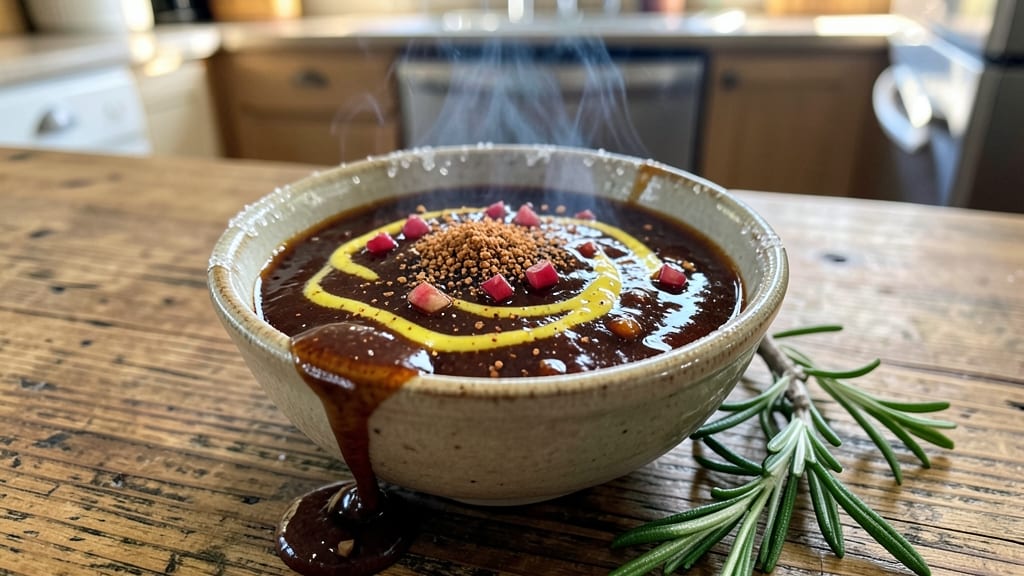
This Atkins BBQ sauce recipe delivers all the smoky, tangy depth of classic BBQ without the sugar crash—perfect for grilling, pulled pork, or even veggie dishes. The secret lies in erythritol and apple cider vinegar, which create that signature sweet-tart balance while keeping carbs in check.
After simmering for 30 minutes, the sauce thickens into a glossy, flavor-packed glaze that clings beautifully to meat.
What sets this recipe apart is its low-carb focus without sacrificing bold flavor. Smoked paprika and liquid smoke add that unmistakable BBQ aroma, while mustard and garlic deepen the savory profile.
The sauce reduces gradually, concentrating the flavors into every spoonful—no artificial sweeteners or aftertaste here. It’s the kind of condiment that transforms ordinary grilled chicken or ribs into a restaurant-worthy centerpiece.
Once cooled, this sauce keeps for up to 2 weeks in the fridge, making it ideal for meal prep. Whether you’re slow-cooking brisket or slathering it on grilled veggies, the tangy-sweet profile stays consistent.
The texture is just thick enough to coat without being syrupy, ensuring every bite delivers that perfect balance of heat and smokiness.
Best of all, it’s easier than you think—no fancy techniques, just a pot, a stove, and patience for the flavors to meld. If you’ve ever missed BBQ sauce while following Atkins, this is your game-changer. Let’s make it.
Ingredients for atkins bbq sauce
Nine ingredients, zero sugar, maximum smoky depth—this is your low-carb BBQ game-changer.
| Ingredient | Amount | Notes |
|---|---|---|
| Apple Cider Vinegar 🍏 | ½ cup | Raw, unfiltered preferred |
| Erythritol 🍬 | ½ cup | Granulated, zero-carb sweetener |
| Smoked Paprika 🌶️ | 2 tbsp | High-quality smoked variety |
| Liquid Smoke 🔥 | 1 tbsp | Pure, no additives |
| Yellow Mustard 🥬 | ¼ cup | Dijon-style preferred |
| Garlic Cloves 🧄 | 4 cloves | Fresh, minced finely |
| Onion Powder 🧅 | 1 tbsp | Freshly ground preferred |
| Ground Black Pepper 🌶️ | ½ tsp | Freshly cracked for heat |
| Salt 🧂 | 1 ½ tsp | Diamond Crystal kosher |
| Water 💧 | ¼ cup | Filtered preferred |
The apple cider vinegar is non-negotiable here—it’s the acid backbone that cuts through the sweetness. Bragg’s is my go-to, but any raw, unfiltered brand works. Erythritol might seem tricky, but Lakanto or Swerve are foolproof—no gritty texture, no aftertaste. For smoked paprika, Penzeys or the bulk bins at Whole Foods deliver that authentic campfire aroma. Liquid smoke? Colman’s is the gold standard—just a splash, but it’s what transforms this into real BBQ magic. The garlic and onion powder combo is where the depth happens—don’t skimp on freshness here.
No erythritol? Allulose or monk fruit sweetener works 1:1, though texture might vary slightly. Short on vinegar? Lemon juice plus a pinch of apple cider powder mimics the tang. Mustard hater? Skip it entirely—the sauce will still sing, just with less tangy complexity. For extra smokiness, add 1/4 tsp chipotle powder. The water is just for thinning—adjust to your preferred consistency. Pro tip: Toast your spices in a dry pan for 30 seconds before adding—they’ll sing even louder in the final sauce.
This sauce thickens as it cools, so start with slightly more liquid if you prefer a glossy finish. Store in a glass jar in the fridge for up to 2 weeks, or freeze in ice cube trays for 6 months. The flavors actually improve after a day or two—patience pays off. Double the batch if you’re grilling a crowd; it disappears faster than you’d think. And trust me, the leftovers? Even better than the first batch.
Why You'll Love This Recipe
- Five-Ingredient Magic: I swear by this recipe—just vinegar, sweetener, mustard, and those two smoky secrets (paprika + liquid smoke). No fancy gadgets, no stress. Honestly, I’ve made it while waiting for chicken to grill.
- Smoky-Sweet Balance: That liquid smoke and smoked paprika combo? It’s like a campfire in a bottle, but the apple cider vinegar keeps it bright and tangy—not cloying, not heavy. Here’s what sold me: it tastes like a proper BBQ sauce but won’t kick me out of ketosis.
- Weeknight & Meal Prep: Slather it on pulled pork for a Tuesday dinner, or drizzle it over baked wings when the game’s on. I double the batch and stash it in the fridge—lasts weeks, and I’m always grabbing it for last-minute flavor upgrades. (Yes, even on a Tuesday night.)
- Budget-Friendly Upgrade: Store-bought low-carb BBQ sauces cost a fortune. This one’s a fraction of the price, and I control the sweetness—no weird additives. Between us, I’ve spent $3 on ingredients for a whole jar’s worth of sauce. That’s a win.
Step-by-step instructions for sugar-free smoky BBQ sauce
Here's how to create a bold, low-carb sauce that delivers all the smoky depth of traditional BBQ without the sugar crash.
Combine the Base Ingredients
In a medium saucepan, whisk together the 0.5 cup apple cider vinegar and 0.5 cup erythritol over medium-low heat. Bring to a gentle simmer and cook for 3-4 minutes until the erythritol dissolves completely. You'll notice the mixture will smell tangy and slightly sweet—this is your flavor foundation.
Here's the thing—don't rush this step. If you see any undissolved erythritol at the bottom, stir vigorously for another 30 seconds. The vinegar needs time to fully incorporate the sweetener, and any remaining granules will make your sauce grainy. Keep the heat low to prevent boiling, which could cause the vinegar to evaporate too quickly.
Build the Smoky Flavor Profile
Reduce the heat to low and add the 2 tablespoons smoked paprika, 1 tablespoon liquid smoke, 1 tablespoon onion powder, 0.5 teaspoon ground black pepper, and 1.5 teaspoons salt. Stir constantly for 1-2 minutes until everything is fully incorporated and the mixture smells deeply aromatic. The spices should bloom and create a rich, smoky aroma that fills your kitchen.
This is where the magic happens. The smoked paprika gives you that classic BBQ color and depth, while the liquid smoke adds that unmistakable campfire flavor. I like to press the spices into the sauce with the back of a wooden spoon to ensure even distribution. If you're using freshly ground pepper or onion powder, you'll notice an even more intense aroma—this is your quality check.
Incorporate the Mustard and Garlic
Add the 0.25 cup yellow mustard and 4 minced garlic cloves to the saucepan. Stir over medium-low heat for 2-3 minutes until the garlic is fragrant and the mustard is fully melted into the sauce. The mixture should thicken slightly as it cooks, but it shouldn't become pasty. If it does, add 1 tablespoon of the 0.25 cup water to loosen it.
Here's a pro tip: If you're using Dijon-style mustard, you'll get a more complex flavor profile with subtle tanginess. The garlic should infuse the sauce with its pungent aroma, but don't let it brown—burnt garlic will make your sauce bitter. Once the garlic is fully incorporated, you're ready for the final step.
Simmer and Thicken
Add the remaining 0.25 cup water to the saucepan and bring to a gentle simmer. Reduce the heat to low and let it cook uncovered for 10-12 minutes, stirring occasionally. You're looking for the sauce to thicken enough to coat the back of a spoon but still maintain a glossy, pourable consistency. If it thickens too quickly, add another 1 tablespoon water to balance it.
The sauce should have a rich, smoky aroma with a hint of sweetness from the erythritol. Taste it now—it might seem a bit sharp, but that's normal. The flavors will mellow and deepen as it cools. If you want to adjust the flavor, you can add a pinch more salt or a dash of smoked paprika, but be careful—once you start tasting, it's easy to overdo it.
Cool and Store
Remove the sauce from heat and let it cool to room temperature. As it cools, it will thicken further and develop even more complex flavors. Once cooled, transfer it to a clean glass jar with an airtight lid. This sauce will keep in the refrigerator for up to 2 weeks, or you can freeze it for up to 3 months for longer storage.
Here's the best part—this sauce is incredibly versatile. Use it on grilled meats, as a marinade, or even as a dip for low-carb veggies. The smoky, tangy flavor will elevate any dish without the blood sugar spike of traditional BBQ sauce. And because it's sugar-free, you can drizzle it generously without worrying about the aftermath.
Pro Tips For Making Atkins Bbq Sauce
- Simmer Low and Slow: I used to blast this sauce on high, thinking it’d cook faster—wrong. Simmer on medium-low for 15-20 minutes instead. That’s how the erythritol dissolves properly and the smoked paprika’s flavor melds instead of burning. (Yes, even if you’re impatient like me.)
- Whisk the Erythritol First: Dump that sweetener in dry? Bad move. Whisk it into the vinegar before adding heat—it’ll clump like a stubborn child if you don’t. A splash of cold water helps break it up if it’s stubborn. Trust me, you don’t want grainy sauce.
- Measure Liquid Smoke Carefully: One drop too much, and your sauce tastes like a campfire mishap. Start with ½ teaspoon, taste, then add more if needed. Too much liquid smoke kills the mustard’s tang—balance is everything here.
- Strain the Mustard: Yellow mustard seeds are sneaky little flavor bombs. If you skip straining, they’ll make your sauce grainy. Use a fine-mesh sieve or cheesecloth—your future ribs will thank you. (I learned this after three batches of gritty disappointment.)
Essential equipment for perfect results
Saucepan Essentials
You’ll need a medium-sized stainless steel saucepan—I recommend a 3-quart capacity like the All-Clad Stainless or Cuisinart MultiClad. The stainless steel conducts heat evenly and won’t react with the acidic vinegar, which is crucial for preserving flavor.
Avoid non-stick pans here—they can’t handle the prolonged simmering without risking warping or coating your sauce with unwanted chemical flavors. 🔥
Heat Control Tools
A kitchen thermometer is your best friend for precision. I use the Thermoworks Thermapen One to monitor the sauce’s temperature during simmering—aim for 180-190°F for optimal thickening without burning.
A silicon spatula (like OXO Good Grips) helps scrape every last drop of flavor from the pan without scratching the stainless steel. For stirring, a wooden spoon works best—it won’t conduct heat like metal and prevents scorching.
Storage Containers
Once cooled, transfer your sauce to amber glass jars with airtight lids—I swear by Ball Mason jars for their durability and airtight seals. The amber glass blocks light, which preserves the sauce’s vibrant color and prevents flavor degradation over time.
For freezer storage, use quart-sized freezer-safe glass containers (like Pyrex) or silicone ice cube trays for portion control. Label everything with the date—trust me, you’ll forget! ❄️
Optional Upgrades
For a blender or immersion blender (like the Ninja BN601), you can achieve a smoother texture if you prefer. If you’re making this sauce frequently, a digital scale (such as the Escali Primo) ensures precise erythritol measurements—critical for that perfect sweet-tart balance.
And if you love smoky depth, a small cast-iron skillet lets you toast your spices directly over the flame before adding them to the saucepan. 💫
Nutrition facts
Frequently asked questions
Can I use this Atkins BBQ sauce on vegetables?
This smoky sauce works beautifully on grilled or roasted veggies like zucchini, bell peppers, and asparagus. The tangy-sweet balance complements their natural flavors perfectly. Just brush it on after cooking to prevent burning the sugar substitutes. It’s also great as a dip for low-carb veggie sticks!
What if I don’t have erythritol? Can I substitute?
Yes! Use allulose or monk fruit sweetener in a 1:1 ratio—both work well. For a more natural option, try 1/4 cup honey plus 1/4 cup stevia, but this will add carbs. The key is balancing sweetness with the vinegar’s acidity. If using honey, reduce the water by 1 tablespoon to maintain thickness.
How do I make this sauce spicier?
Add 1/2 teaspoon cayenne pepper or 1 tablespoon hot sauce during the simmering step. For a smoky kick, stir in 1/4 teaspoon chipotle powder with the other spices. Taste as it cools—flavors mellow, so adjust gradually. If you love heat, consider adding a pinch of red pepper flakes at the end.
Why did my sauce turn out too thin?
This usually happens if you didn’t simmer long enough or used too much water. To fix it, return the sauce to low heat and simmer uncovered for another 5-10 minutes, stirring often. For future batches, reduce the water by 1 tablespoon or simmer uncovered for 15 minutes instead of 10. The sauce thickens as it cools!
Can I use this sauce as a marinade?
Yes! This sauce makes an excellent marinade for chicken, pork, or beef. For best results, mix 1/4 cup sauce with 1/4 cup olive oil and let it sit for 2-4 hours (or overnight for deeper flavor). The acidity in the vinegar helps tenderize the meat while infusing it with smoky goodness. Just pat the meat dry before grilling to ensure a good sear.