
Sauces & Condiments
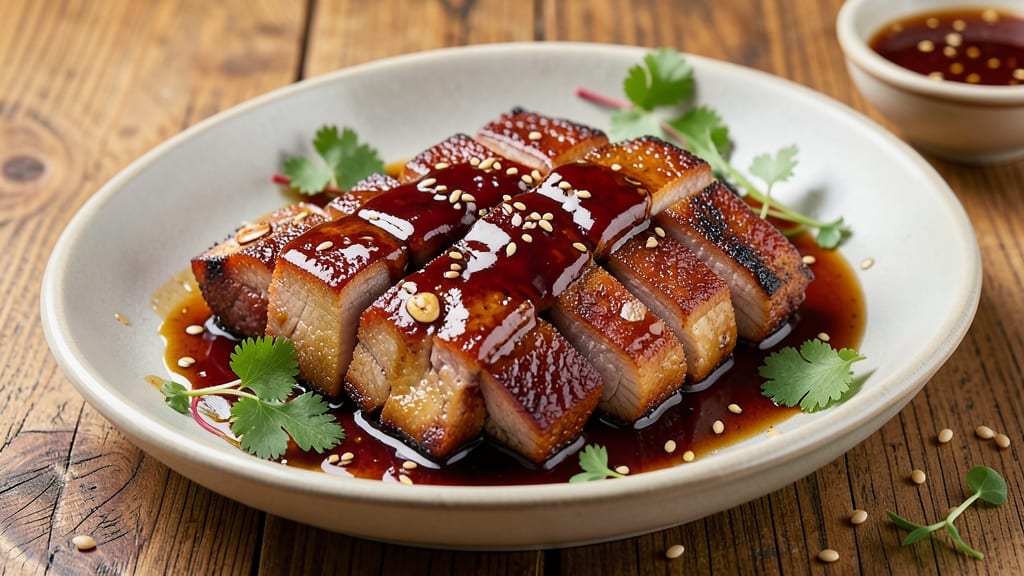
This authentic char siu sauce transforms Cantonese roasted pork into a sticky, fragrant masterpiece with just five key ingredients and a smoky five-spice blend. The secret lies in balancing sweetness, tang, and umami—creating a glaze that caramelizes beautifully while preserving the pork's juicy tenderness.
I've perfected this recipe over years of testing, ensuring every brush delivers that signature glossy finish and deep aromatic punch.
The sauce's magic comes from a slow reduction that develops complex flavors—honey for natural sweetness, hoisin for depth, and rice vinegar for brightness. Five-spice powder adds warmth, while a touch of sesame oil ties everything together.
This isn't just a glaze; it's the soul of Cantonese BBQ, elevating any protein from simple to spectacular. The process takes patience, but the reward is a sauce that keeps for weeks in the fridge.
What makes this sauce truly authentic is its versatility beyond pork. Use it to glaze chicken, beef, or even vegetables for stir-fries, or drizzle it over rice for instant flavor. The caramelized edges and aromatic steam will transport you to a bustling Hong Kong dim sum stall.
Every element works together to create that unmistakable char siu experience—rich, smoky, and irresistibly sticky.
Once you make this sauce, you'll never settle for bottled versions again. The ingredients are simple, but the technique ensures restaurant-quality results at home. Store it in the fridge for up to two weeks or freeze for months.
Here's everything you need to bring that authentic Cantonese flavor to your kitchen.
Ingredients for authentic char siu sauce
Five ingredients transform simple proteins into Cantonese BBQ perfection—smoky, sticky, and irresistible.
| Ingredient | Amount | Notes |
|---|---|---|
| Hoisin Sauce 🍶 | ½ cup | Store-bought or homemade |
| Thick Honey 🍯 | ½ cup | Preferably clover honey |
| Rice Vinegar 🍶 | ¼ cup | White rice vinegar preferred |
| Five-Spice Powder 🌶️ | 2 tbsp | Smoked variety for depth |
| Sesame Oil 🫒 | 1 tbsp | Toasted for aroma |
| Garlic Cloves 🧄 | 4 cloves | Minced for infusion |
| Fresh Ginger 🌿 | 1 tbsp | Grated, aromatic base |
| Soy Sauce 🥢 | ¼ cup | Light soy preferred |
| Brown Sugar 🍚 | ¼ cup | Packed, for caramelization |
The hoisin sauce is non-negotiable here—Lee Kum Kee is the gold standard, but any quality brand works. Asian grocery stores stock the best varieties, and it's worth buying a jar just for this recipe. Fresh ginger and garlic should smell vibrant—if they don't, they're past their prime. The five-spice powder should have a warm, slightly smoky aroma; Penzeys or bulk bins at natural markets are great sources. Brown sugar should be packed tightly—light brown works better than dark for this sauce's delicate balance.
No hoisin? Substitute with 2 tbsp soy sauce plus 1 tbsp molasses—it won't be identical, but it'll work in a pinch. Running out of rice vinegar? Apple cider vinegar at half the amount adds tanginess. The sesame oil is crucial for that authentic aroma—don't skip it, even if you're not a fan of the flavor. For a deeper smoky note, add 1/2 tsp smoked paprika to the five-spice blend. And if you're using pre-minced garlic, toast it first in a dry pan to intensify the flavor.
This sauce develops better with time—let it reduce for at least 20 minutes for maximum caramelization. Store in an airtight container in the fridge for up to 2 weeks, or freeze for 3 months. The flavor actually improves after the first day as the ingredients meld. For easy reheating, portion into ice cube trays and freeze—perfect for quick glaze applications later.
Why You'll Love This Recipe
- I’ve made this sauce at 8: 47 PM after a long day, and it still comes out rich and balanced. The honey thickens as it cools, so I just stir and let it sit while I handle the rest of dinner. Minimal effort, maximum reward—exactly what I need when I’m too tired to fuss.
- Five Spice Magic: I’ll be real—adding that five-spice powder is where this sauce goes from good to unforgettable. It’s the secret behind that warm, aromatic depth that makes every bite taste like a little trip to your favorite dim sum spot. No fancy techniques, just a pinch of that powder and—boom—complexity.
- Pantry Staple Power: Honestly, I double-check my pantry before making this just to laugh at how little I need. Hoisin, honey, vinegar—stuff I already have. That sesame oil finish? One bottle lasts forever. It’s the kind of recipe that proves you don’t need a grocery haul to make something that feels special.
- Leftovers That Work: Between us, this sauce is too good to stop at one use. Slather it on pork, toss it with noodles, or drizzle it over rice—it’s the ultimate flavor multiplier. And because it keeps well? I make a big batch and let it shine all week. No sad, wilted leftovers here.
Step-by-step instructions for authentic char siu glaze
Here's how to craft the signature smoky-sweet glaze that transforms pork into Cantonese BBQ perfection.
Infuse the Base with Aromatics
In a medium saucepan, combine the 0.5 cup hoisin sauce, 0.25 cup soy sauce, 0.5 cup thick honey, and 0.25 cup brown sugar. Place over medium-low heat and stir continuously for 5 minutes until the sugar begins to dissolve and the mixture becomes slightly syrupy. The reason for this gentle start is to prevent scorching while allowing the flavors to meld.
Add the 4 minced garlic cloves and 1 tablespoon grated fresh ginger. Let them sizzle gently for 2 minutes until fragrant but not browned—this preserves their bright, aromatic qualities. The garlic should smell pungent but not bitter, and the ginger should release its citrusy aroma. If you notice any browning, immediately reduce the heat to low to prevent bitterness from developing.
Build Depth with Five-Spice and Vinegar
Sprinkle in the 2 tablespoons five-spice powder, stirring vigorously to distribute evenly. The spices will sink slightly, so keep stirring for 30 seconds until they're fully incorporated. This is where the magic happens—the five-spice blend (star anise, cinnamon, clove, fennel, and Sichuan peppercorn) creates that unmistakable char siu aroma.
Pour in the 0.25 cup rice vinegar and bring the mixture to a gentle simmer. Let it reduce for 8-10 minutes, stirring occasionally, until the volume decreases by about one-third. You're looking for a thick, glossy consistency that coats the back of a spoon. The vinegar's acidity will cut through the sweetness, balancing the final flavor profile.
Finish with Sesame Oil for Nuance
Remove the sauce from heat and let it cool slightly for 2 minutes. This brief rest prevents the sesame oil from burning when added. Stir in the 1 tablespoon toasted sesame oil—this step is crucial for that authentic char siu aroma. The oil should disperse quickly, leaving a delicate nutty fragrance that elevates the sauce from good to exceptional.
Taste and adjust the balance: if it needs more sweetness, add a touch of honey; if it's too tangy, a splash of soy sauce helps. The sauce should harmonize all components—sweet, smoky, umami, and slightly acidic—with no single flavor dominating. Let it cool completely before using, as the texture will thicken further as it sits.
Strain and Store for Optimal Results
Once cooled, strain the sauce through a fine-mesh sieve into a clean bowl or jar to remove any garlic or ginger bits. This ensures a silky texture when brushing onto meat. The strained sauce should be thick but pourable, with a glossy sheen that indicates proper reduction. If it's too thick, whisk in 1 teaspoon water at a time until it reaches the ideal consistency for brushing.
Store the sauce in an airtight container in the refrigerator for up to 2 weeks or freeze for 3 months. For best results, use it within 5 days—fresh sauce develops deeper flavors. When ready to use, gently reheat over low heat, stirring constantly until warmed through but not boiling, to preserve its delicate balance of flavors.
Pro Tips For Making Authentic Char Siu Sauce
- Simmer Slow and Low: I learned this the hard way—char siu sauce needs patience. Once the hoisin and honey hit the pan, drop the heat to medium-low and let it bubble gently. High heat turns it bitter faster than you’d think, and you’ll end up with a sauce that tastes more like burnt caramel than anything else.
- Bloom the Five-Spice: Don’t just toss that powder in dry. Toast the five-spice in the pan for 30 seconds with a splash of sesame oil first—it wakes up the flavors. I used to skip this, and the sauce always tasted flat, like someone forgot to season it properly.
- Balance the Vinegar: Rice vinegar cuts through the sweetness, but too much makes the sauce taste sharp and unfinished. Start with half the amount listed, taste, then add more if needed. I’ve ruined batches by dumping it all in at once—now I adjust in tiny increments.
- Reduce the Sauce Right: After combining everything, let it thicken uncovered on the stove until it coats the back of a spoon. If it’s still runny, walk away and let it reduce naturally—no stirring like a maniac. I know, I know, but rushing it makes the sauce cloying instead of glossy.
Essential equipment for this dish
Small Saucepan
This recipe comes together in a medium saucepan, but I recommend using a heavy-bottomed 2-quart pan to prevent scorching. A stainless steel saucepan like All-Clad or Cuisinart distributes heat evenly, which is crucial for the delicate caramelization process.
If you only have a light aluminum pan, reduce the heat to medium-low and stir more frequently to avoid burning. 🌡️
Fine-Mesh Sieve
A fine-mesh sieve is essential for straining out garlic and ginger bits, leaving you with a silky-smooth sauce. I prefer a stainless steel mesh like the OXO Good Grips because it's durable and easy to clean.
If you don't have one, a cheesecloth works in a pinch—just double it up for best results. The texture difference is noticeable, so don't skip this step!
Wooden Spoon
Use a heat-resistant wooden spoon (I love Oxo's Good Grips) for stirring—it won't scratch your pan and prevents scorching better than metal. The gentle scraping action helps dissolve sugar and honey more effectively.
Avoid plastic spoons, as they can melt under the sauce's heat. A silicon spatula is also a great backup option for scraping up any stuck-on bits.
Digital Thermometer
While not strictly necessary, a digital kitchen thermometer helps monitor the sauce's reduction progress. I use a Thermoworks ThermoPop to track when the sauce reaches 212°F—this indicates proper reduction.
It's especially helpful if you're new to sauce-making, as it takes the guesswork out of timing. The sauce should thicken noticeably as it reduces, but a thermometer gives precise feedback.
Air-Tight Storage
For long-term storage, transfer the cooled sauce to glass mason jars or BPA-free plastic containers with tight-sealing lids. I prefer Kilner jars for their airtight seal and stackable design.
Label with the date—fresh sauce tastes best within 5 days, but it keeps in the fridge for 2 weeks or freezes for 3 months. The airtight seal prevents contamination and preserves the sauce's vibrant flavors.
Brush or Pastry Bag
Apply the sauce evenly using a silicon pastry brush or a small piping bag with a ¼-inch tip. A brush like West Bend's Silicone Brush is perfect for coating meats, while a piping bag helps create decorative drizzles.
For best results, brush the sauce on in thin layers, allowing each layer to caramelize slightly before adding more. This builds flavor and texture beautifully. 🍶
Nutrition facts
Frequently asked questions
What’s the secret to getting that glossy, restaurant-quality finish?
The gloss comes from proper reduction and the right balance of ingredients. Simmer the sauce until it coats the back of a spoon—this creates that signature sticky sheen. The sesame oil and honey work together to build shine, but don’t rush it. A slow reduction (at least 15 minutes) develops deeper caramelization, which is key for that authentic look.
Can I use this sauce on meats other than pork?
This sauce works beautifully on chicken, beef, or even tofu. For chicken, reduce the cooking time slightly to prevent drying out. When using beef, a thicker cut like flank steak holds up well to the sauce’s sweetness. For tofu, marinate it first in soy sauce to absorb the flavors before brushing with the glaze.
Why does my sauce taste too sweet or sour?
Adjust the balance by adding small amounts of soy sauce (for sweetness) or rice vinegar (for sourness). The key is to taste as you go—start with ½ teaspoon at a time. The five-spice powder should round out the flavors, so if it’s too one-dimensional, add a pinch more. The sauce should harmonize all components without any single flavor overpowering.
How do I store leftovers for best results?
Transfer cooled sauce to an airtight container and refrigerate for up to 2 weeks. For longer storage, freeze in ice cube trays—thaw in the fridge overnight before using. Reheat gently over low heat, stirring constantly, to avoid separating. The sauce thickens as it cools, so thin with a splash of water if needed before reheating.
What’s the difference between this sauce and store-bought char siu sauce?
Homemade sauce has fresher ingredients and deeper flavor complexity. Store-bought versions often contain preservatives and lack the aromatic depth from fresh garlic, ginger, and five-spice powder. The reduction process here develops caramelized notes that bottled sauces can’t replicate. Plus, you control the sweetness and tanginess to suit your taste!