
Sauces & Condiments
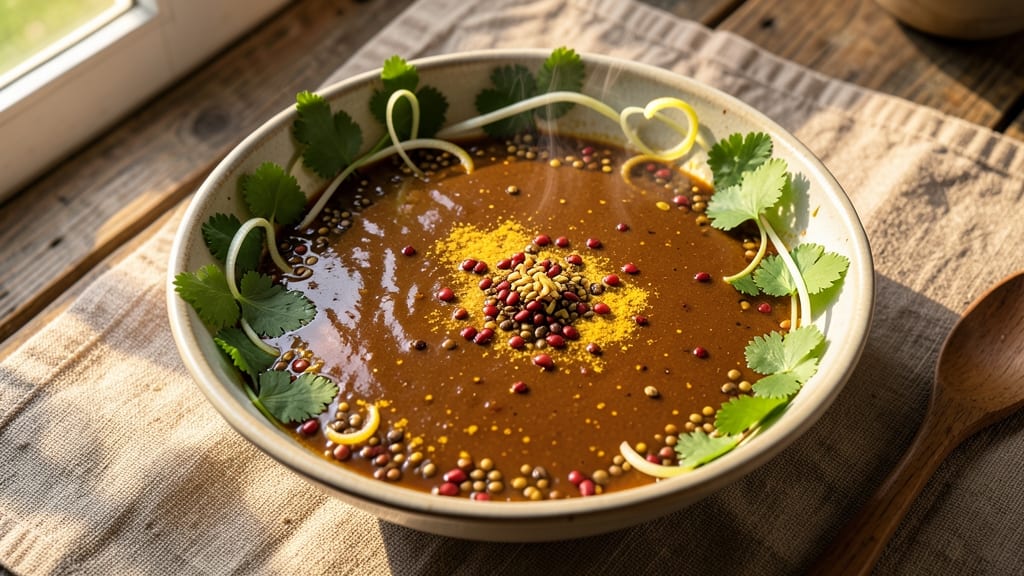
This velvety curry sauce recipe transforms humble pantry staples into a rich, aromatic base that elevates any dish—whether you're simmering a Sunday roast or tossing it into a quick stir-fry.
The secret lies in balancing traditional UK spices with a touch of vinegar for brightness, a technique perfected in countless British kitchens. What sets this sauce apart is its versatility: it works as a marinade, a curry thickener, or even a bold glaze for roasted vegetables.
The foundation starts with a gentle toast of whole spices—cumin, coriander, and mustard seeds—released in a splash of vegetable oil. A splash of Worcestershire sauce adds that unmistakable umami depth, while a stock cube (or homemade stock) ensures the sauce stays luscious without separation.
The vinegar, though subtle, cuts through the richness, creating a sauce that’s complex yet approachable. It’s the kind of recipe that lets you control the heat level, from mild enough for family dinners to spicy enough for adventurous eaters.
What you’ll end up with is a smooth, golden-hued sauce that clings beautifully to meat, clumps of rice, or crisp vegetables. The texture is velvety yet light, thanks to a touch of cornflour slurry that thickens without making it gluey.
This sauce keeps well in the fridge for up to a week, so you can make a big batch and use it throughout the week—whether you’re slow-cooking a lamb shoulder or tossing it with pan-fried chicken.
Pair it with roasted chicken, beef curry, or even drizzled over naan for a restaurant-quality finish. The beauty of this recipe is its adaptability: swap in coconut milk for a richer version, or keep it light with just stock and spices. Let’s get cooking!
Ingredients for curry sauce recipe uk
Nine pantry staples, one golden-hued sauce that transforms any dish into a British curry classic.
| Ingredient | Amount | Notes |
|---|---|---|
| Vegetable Oil 🫒 | ¼ cup | For gentle spice toasting |
| Ground Cumin Seeds 🌿 | 1 tbsp | Toasted for deeper aroma |
| Ground Coriander Seeds 🌿 | 1 tbsp | Lightly toasted preferred |
| Mustard Seeds 🌶️ | 1 tbsp | Whole seeds, toasted |
| Ground Turmeric 🌿 | 1 tsp | Freshly ground best |
| Ground Ginger 🌿 | 1 tsp | Freshly grated preferred |
| Worcestershire Sauce 🍶 | 1 tbsp | For umami depth |
| White Wine Vinegar 🍋 | 1 tbsp | Brightens the sauce |
| Vegetable Stock 💧 | 2 cups | Homemade or quality cube |
| Cornflour 🌾 | 1 tbsp | For velvety texture |
| Cold Water 💧 | 2 tbsp | For cornflour slurry |
| Salt 🧂 | ½ tsp | Diamond Crystal preferred |
| Black Pepper 🌶️ | ¼ tsp | Freshly ground finish |
The spices are non-negotiable here—Penzeys or bulk bins for the best quality. Toast the whole seeds (cumin, coriander, mustard) in the oil until fragrant—this releases their oils and deepens the flavor. Diamond Crystal kosher salt works better than table salt, and the vinegar should be white wine or apple cider for that authentic tang. Stock cubes like Knorr or Marigold are fine for convenience, but homemade stock is worth it if you've got the time. The turmeric and ginger should be freshly ground or grated—they lose potency fast once powdered.
No Worcestershire? Soy sauce or a splash of red wine works in a pinch, though it won't be identical. Running low on vinegar? Lemon juice at half the amount gives brightness, but the acidity won't be the same. The cornflour slurry is key—mix it well with cold water before adding to avoid lumps. For extra richness, swap half the stock for coconut milk (though it'll change the texture). The sauce should coat the back of a spoon but still be pourable—adjust with more stock or cornflour as needed.
This sauce keeps beautifully—1 week in the fridge or 3 months frozen. Portion into ice cube trays for easy use. It reheats like a dream—just stir in a splash of water or stock if it thickens too much. The vinegar lift means it stays fresh longer, so don't worry about making a big batch. Freeze extras in small containers for quick curry nights. The golden hue fades slightly over time, but the flavor stays rich and complex.
Why You'll Love This Recipe
- Pantry Magic: I swear by this sauce because it lives in my cupboard—just oil, cumin, coriander, mustard seeds, and turmeric. No fresh herbs, no fancy ingredients, just pure, warm spice that transforms whatever you toss it into.
- Golden Base, Deep Flavor: That first sizzle of mustard seeds in the oil? Pure satisfaction. The cumin and coriander bloom into earthy richness, while the turmeric adds that golden glow—simple spices, but layered like a pro’s secret.
- Weeknight to Dinner Party: Slap it on roasted veggies for a quick supper, or drizzle it over grilled chicken for a Sunday roast. It’s the unsung hero that turns basic meals into something special without the fuss.
- Budget Booster: A splash of this sauce stretches a cheap cut of meat into a full meal, or turns store-brand veggies into something restaurant-worthy. Honestly, it’s how I feed my family well without breaking the bank.
Step-by-step instructions for velvety curry sauce
Here's how to build a rich, balanced curry sauce with layers of spice and a secret brightening touch.
Toast the Spices in Gentle Heat
Heat the 0.25 cup vegetable oil in a medium saucepan over medium-low heat. Add the 1 tablespoon ground cumin seeds, 1 tablespoon ground coriander seeds, and 1 tablespoon mustard seeds. Stir constantly for 1-2 minutes until the spices release their aroma and become deeply fragrant—you'll smell that warm, earthy cumin scent and see tiny mustard seeds popping like tiny fireworks.
Here's where it gets important: don't let the spices burn. They should be dancing in the oil, not turning bitter. When they're toasted to a rich golden color, immediately remove the pan from heat. This quick toasting step unlocks the full flavor potential of your spices—it's the foundation of that authentic curry depth.
Bloom the Aromatics and Add Wet Ingredients
Return the pan to medium heat and add the 1 teaspoon ground turmeric, 1 teaspoon ground ginger, 1 tablespoon Worcestershire sauce, and 1 tablespoon white wine vinegar. Stir for 30 seconds until everything is well combined and the vinegar smell starts to dissipate—this is your secret brightening agent that cuts through the richness later.
Now pour in the 2 cups vegetable stock and bring the mixture to a gentle simmer. Let it bubble away for 5 minutes until the liquid reduces slightly and the flavors meld together. You'll notice the sauce developing that characteristic curry color and smell—earthy, slightly sweet, with a hint of acidity from the vinegar.
Thicken the Sauce to Perfection
In a small bowl, whisk together the 1 tablespoon cornflour with the 2 tablespoons cold water until completely dissolved. This creates your thickening slurry—don't skip mixing it well or you'll get lumps in your sauce.
Return the sauce to a gentle simmer and slowly pour in the cornflour mixture while stirring constantly with a wooden spoon. Keep stirring for 2-3 minutes until the sauce thickens to a velvety consistency that coats the back of a spoon. If it thickens too quickly, add 1-2 tablespoons water to reach your desired texture—it should be smooth and glossy, not gluey.
Season and Finish the Sauce
Remove the sauce from heat and stir in the 0.5 teaspoon salt and 0.25 teaspoon black pepper. Taste and adjust the seasoning—you might want to add a pinch more salt or a squeeze of lemon juice to balance the flavors. The sauce should be rich but not overpowering, with a perfect balance of spice, acidity, and umami.
Let the sauce sit off the heat for 5 minutes to let all the flavors settle together. This resting period allows the sauce to come together perfectly—it'll thicken slightly more and develop even more depth. Serve immediately over rice, curry, or whatever you're using it for, or store in an airtight container in the fridge for up to 3 days.
Pro Tips For Making Curry Sauce Recipe Uk
- Bloom the Spices Low: Start your mustard seeds and cumin on medium-low heat—yes, even if they’re jumping around. I learned this the hard way after burning a batch of seeds into bitter ashes. Let them sizzle gently for 20 seconds first, then crank it up to medium for that proper pop.
- Toast Whole Seeds First: Skip the ground cumin and coriander—whole seeds toasted in oil for 30 seconds add depth you won’t get from pre-ground powder. My grandmother swore by this, and she was right: the aroma alone makes the sauce taste more complex. Crush them lightly after toasting (a rolling pin works).
- Salt Early, Salt Right: Add a pinch of salt with your turmeric and spices—it mellows the heat and balances the flavors. I used to wait until the end, and the sauce always tasted sharp. Use about ¼ teaspoon per tablespoon of oil, especially if your spices are fresh.
- Simmer Don’t Boil: Once your spices are bloomed, add liquids and keep it at a bare simmer—not a rolling boil. I was skeptical until I tried it: a gentle simmer prevents scorching and lets the flavors meld properly. If it’s bubbling hard, turn it down—this isn’t a race.
Dietary considerations for these flavors
Vegetarian Adaptations
Replace the Worcestershire sauce with 1 tablespoon soy sauce or 1 teaspoon miso paste for umami depth without animal products. Use vegetable stock cubes (like Kallo) instead of meat-based ones.
For extra richness, stir in 2 tablespoons coconut cream at the end—it adds a luscious texture while keeping the sauce dairy-free. 🌱
Gluten-Free Options
Check your Worcestershire sauce label—most contain gluten, so opt for a gluten-free version like Annie's or make your own with tomato paste, apple cider vinegar, and tamari.
Cornflour is naturally gluten-free, but if you're sensitive, use arrowroot powder instead. The stock should be certified gluten-free, too—Pacific Foods makes excellent options. 🌾
Dairy-Free Twist
Skip the butter or cream entirely—this sauce stays rich without dairy. For extra body, add 1 tablespoon cashew butter or 2 tablespoons coconut milk at the end. The cornflour slurry keeps it velvety, and the vinegar ensures it doesn't taste flat.
If using coconut milk, reduce the stock to 1.5 cups to maintain balance. 🥥
Spice-Free Version
For mild heat sensitivity, reduce the mustard seeds to ½ tablespoon and omit the ground ginger. Replace with ½ teaspoon ground cinnamon for warmth instead. The turmeric adds color without spice, and the vinegar keeps the sauce bright. This version works beautifully with chicken or fish dishes. 🌿
Low-Sodium Adjustments
Use no-salt-added vegetable stock and reduce the salt to ¼ teaspoon. Boost flavor with an extra ½ teaspoon garlic powder or 1 teaspoon lemon juice instead. The Worcestershire sauce already contains salt, so cut it to ½ tablespoon if your stock is unsalted.
Taste as you go—you can always add more salt later. ❤️
Nutrition facts
Frequently asked questions
Can I make this curry sauce without Worcestershire sauce?
For a Worcestershire substitute, try 1 tablespoon soy sauce or ½ tablespoon tomato paste mixed with ½ teaspoon apple cider vinegar. If you want a deeper umami flavor, add 1 teaspoon miso paste at the end. The sauce will still be rich and aromatic, though the exact tangy depth will differ slightly.
How do I adjust the heat level for kids or sensitive palates?
Simply reduce the mustard seeds to ½ tablespoon and omit the ground ginger. For warmth without heat, add ½ teaspoon ground cinnamon instead. The turmeric and cumin provide color and earthiness without spice. This milder version works beautifully with chicken or fish dishes.
Can I use this sauce as a marinade for meat?
Yes! Use this sauce as a marinade by thinning it with ½ cup water or lemon juice to create a loose, flavorful coating. Marinate chicken, beef, or lamb for 2-4 hours in the fridge before cooking. The spices will tenderize the meat while infusing it with rich, aromatic flavors.
Why does my sauce look too thin or too thick?
If your sauce is too thin, simmer it uncovered for 5-10 minutes to reduce it. For extra thickness, mix 1 teaspoon cornflour with 1 tablespoon water and stir it in. If it's too thick, thin it with 1-2 tablespoons warm stock or water. The ideal texture should coat the back of a spoon but still be pourable.
How long can I store leftover curry sauce?
Store leftover sauce in an airtight container in the fridge for up to 1 week. For longer storage, freeze it in ice cube trays or small containers for up to 3 months. Thaw frozen sauce in the fridge overnight and reheat gently on the stove, stirring occasionally to maintain its velvety texture.