
Sauces & Condiments
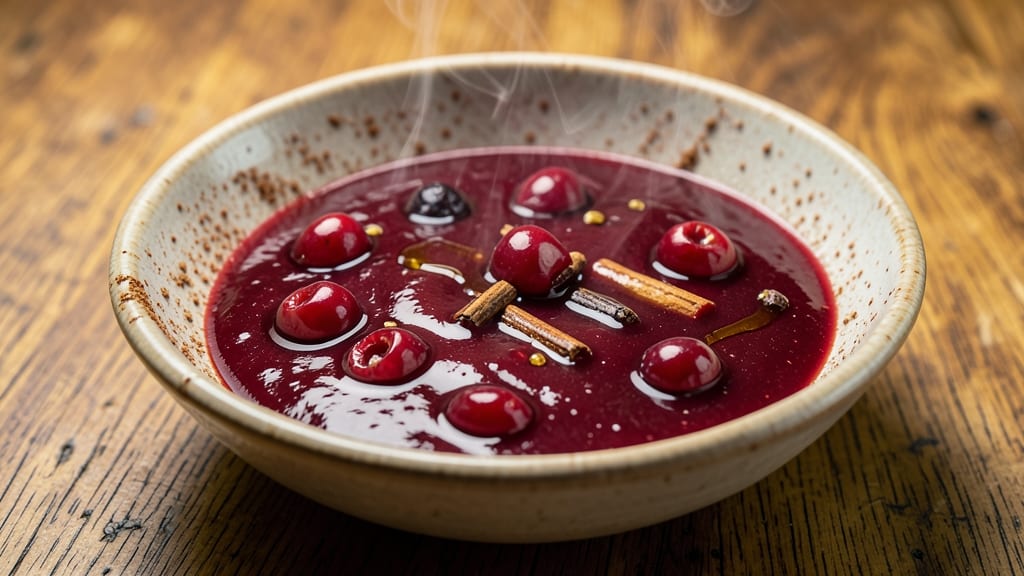
This chokecherry sauce recipe transforms tart wild berries into a versatile, glossy condiment that elevates everything from pancakes to roasted meats. The secret lies in balancing natural tartness with just enough sweetness—no artificial flavors, just pure fruit concentration.
I developed this version after years of experimenting with wild harvests, ensuring it thickens perfectly without losing its bright, berry-forward character.
The process is straightforward but precise: chokecherries (fresh or dried) simmer with sugar until they burst, then reduce into a glossy, jam-like consistency. A splash of vinegar brightens the flavor while cinnamon and cloves add warmth—subtle enough to complement, never overpower.
This isn’t just a syrup; it’s a tart-sweet gloss that clings beautifully to food, adding depth with every bite.
What makes this sauce special is its dual-purpose flexibility—drizzle it over fluffy pancakes for a wild berry twist, brush it on grilled chicken for a tangy glaze, or serve it alongside cheese boards for a rustic touch.
The texture is thick enough to coat but still pours smoothly, making it ideal for both breakfast and savory dishes.
Once cooled, the sauce keeps for weeks in the fridge, so you can make a big batch and enjoy it all season long. The key to success? Patience during reduction—rushing turns it watery, while proper simmering creates that perfect glossy, velvety finish. Let’s get started on this crowd-pleasing condiment.
Ingredients for chokecherry sauce
Nine ingredients transform wild chokecherries into a versatile, glossy sauce perfect for pancakes or roasted meats.
| Ingredient | Amount | Notes |
|---|---|---|
| Fresh or Dried Chokecherries 🍒 | 1 ½ cups | Pitted if fresh, whole if dried |
| Granulated Sugar 🍚 | 1 cup | Light brown sugar for depth |
| Apple Cider Vinegar 🍏 | ¼ cup | Brightens tartness naturally |
| Ground Cinnamon 🌿 | 1 tsp | Warmth without overpowering |
| Ground Cloves 🌶️ | ¼ tsp | Subtle spice for complexity |
| Water 💧 | ½ cup | For initial simmering |
| Extra-Virgin Olive Oil 🫒 | 1 tbsp | For glossy finish |
| Lemon Juice 🍋 | 1 tbsp | Freshly squeezed for brightness |
| Salt 🧂 | ¼ tsp | Diamond Crystal preferred |
Chokecherries are the heart of this sauce—fresh ones give the most vibrant flavor, but dried chokecherries from specialty stores work perfectly too. Look for deep purple berries (fresh) or wrinkled dried ones (no mold or webbing). If using dried, soak them in warm water for 20 minutes first. Trader Joe's and local farmers markets often carry fresh chokecherries in late summer. For dried, check the bulk section at Whole Foods or online retailers. The sugar amount balances tartness, but adjust slightly if your berries are extra sweet or sour—taste as you go.
No chokecherries? Black chokeberries or tart cherries work in a pinch, though the flavor will differ slightly. Short on vinegar? White wine vinegar or balsamic adds depth, but apple cider keeps it bright. The olive oil is key for that glossy finish—don’t skip it, even if you’re not a fan of oil in sauces. For a smoother texture, strain the sauce through a fine-mesh sieve after cooking. And if you’re making this ahead, reduce the lemon juice by half—it can make the sauce taste overly sharp if stored too long.
This sauce thickens as it cools, so it’s best to reheat gently before serving. Store in a glass jar in the fridge for up to 3 weeks—the flavors deepen over time. For longer storage, freeze in ice cube trays, then transfer to a bag. The sauce reheats beautifully—just add a splash of water if it thickens too much. A little goes a long way: start with 1/4 cup per serving and adjust to taste. The cinnamon and cloves mellow out during storage, so fresh batches have more pronounced spice.
Why You'll Love This Recipe
- Few Ingredients, Big Payoff: I keep this on my pantry shelf—just cherries, sugar, vinegar, and a pinch of spices. That’s it. No fancy prep, no stress, just a simmer and stir while I sip coffee.
- Taste Like Childhood: Honestly, the clove-cinnamon warmth with that tart-sweet cherry depth? It’s the kind of sauce that makes you pause mid-bite. (Yes, even on a Tuesday night.)
- Dual-Purpose Magic: Slather it on pancakes or drizzle it over roasted pork—same jar, endless uses. My freezer’s full of it because it’s that versatile.
- Lasts All Week: A single batch stretches into breakfasts, desserts, and even marinades. The vinegar keeps it from spoiling fast, so I’m never scrambling for a last-minute sweetener.
Step-by-step instructions for chokecherry sauce
Here's how to craft a vibrant, balanced sauce that bridges sweet and tart flavors perfectly.
Prepare the Chokecherries
If using fresh chokecherries, pit them first by cutting a small "X" on the flat side and gently squeezing to release the stone. For dried cherries, use them whole as they're already pitted. In a medium saucepan, combine the 1.5 cups fresh or dried chokecherries with the 0.5 cup water. Bring to a gentle simmer over medium heat and cook for 10-12 minutes until the cherries soften and begin to break down.
Here's the thing—you want the cherries to release their natural juices and develop a jam-like consistency. Stir occasionally to prevent sticking, but don't worry if some fruit remains intact. The texture will refine as we cook further. If using dried cherries, they'll absorb some of the water, so keep an eye on the mixture to ensure it doesn't dry out.
Add Sweetener and Vinegar
Once the cherries have softened, stir in the 1 cup granulated sugar and 0.25 cup apple cider vinegar. Increase the heat to medium-high and bring the mixture to a boil. Let it boil vigorously for 5-7 minutes, stirring frequently to prevent scorching at the bottom of the pan. You're looking for a thickened consistency where the sauce begins to coat the back of a spoon.
This is where the magic happens—the sugar caramelizes slightly while the vinegar brightens the tartness of the cherries. The sauce should reduce noticeably, becoming syrupy and glossy. If it thickens too quickly, reduce the heat slightly to maintain a gentle simmer. The goal is to create a balanced sweet-tart profile without cloying sweetness.
Incorporate Spices and Finishing Touches
Reduce the heat to low and stir in the 1 tsp ground cinnamon, 0.25 tsp ground cloves, 1 tbsp lemon juice, and 0.25 tsp salt. Simmer gently for another 8-10 minutes, allowing the spices to infuse and the flavors to meld. The sauce should now be thick, glossy, and deeply aromatic with warm spice notes.
Taste and adjust the balance—if the sauce tastes too tart, add a pinch more sugar; if it's too sweet, add a splash more vinegar or lemon juice. The cloves add a subtle warmth that complements the cinnamon without overpowering. Here's where it gets fun—toss in the 1 tbsp extra-virgin olive oil and stir gently. The oil adds richness and a silky finish that makes this sauce perfect for drizzling over pancakes or glazing meats.
Strain and Cool for Perfect Texture
Line a fine-mesh strainer with cheesecloth or a coffee filter and strain the sauce into a clean bowl. This step removes any remaining seeds or fibrous bits, leaving you with a smooth, velvety sauce. Press gently on the solids to extract every last bit of flavor. Discard the solids or save them for homemade jam.
Let the sauce cool to room temperature, stirring occasionally. As it cools, it will thicken further into a glossy, spoonable consistency. If you're using it immediately, simply reheat gently over low heat, stirring constantly to maintain its silky texture. The cooled sauce keeps beautifully in the refrigerator for up to 2 weeks, making it a versatile pantry staple for both sweet and savory dishes.
Pro Tips For Making Chokecherry Sauce
- Simmer Slow and Steady: I learned this the hard way—chokecherries burn faster than you think. Keep the heat at a gentle simmer (medium-low) once the berries start breaking down, or you’ll end up with a bitter, scorched mess instead of that rich, jammy sauce.
- Strain Twice for Smoothness: Fresh chokecherries are notorious for their gritty texture. After the first strain, run the sauce through a fine-mesh sieve again—yes, it’s tedious, but the difference in mouthfeel is night and day.
- Balance the Vinegar Gradually: Apple cider vinegar cuts the sweetness, but dumping it all in at once can make the sauce taste harsh. Start with half the amount, taste, then add the rest as you simmer—adjust to your preference, not the recipe.
- Toast the Spices First: Ground cinnamon and cloves lose their depth if thrown in raw. Lightly toast them in a dry pan for 30 seconds until fragrant—it deepens their flavor and makes the whole sauce taste more complex. (Yes, even if you’re impatient like me.)
Flavor customization for this dish
Sweet-Tart Balance
Adjust the sugar-to-vinegar ratio to fine-tune your sauce's flavor profile. For a more tart version, reduce sugar to ¾ cup and increase vinegar to ⅓ cup—perfect for pairing with rich meats like pork or duck.
If you prefer sweeter, bump sugar to 1¼ cups and keep vinegar at ¼ cup for a dessert-friendly glaze. I find ½ tsp vanilla extract added at the end enhances sweetness without overpowering the berry notes.
Spice Variations
Swap out cinnamon and cloves for warm, earthy flavors like ½ tsp cardamom or ¼ tsp nutmeg for a Middle Eastern twist. For a smoky profile, add ¼ tsp smoked paprika or a pinch of cayenne (start with ⅛ tsp).
If you love citrusy notes, zest 1 small orange and add it with the spices—it brightens the sauce beautifully. 🌶️
Herb Infusions
Fresh herbs add complexity without overpowering. Try 1 tbsp finely chopped rosemary or thyme for a savory glaze on roasted chicken. For a bright, floral touch, steep 2 sprigs fresh mint in the warm sauce for 5 minutes, then remove them.
I also love 1 tbsp fresh basil for a sweet-and-sour contrast—simmer it in for the last 3 minutes of cooking.
Texture Adjustments
Want a chunkier sauce? Skip the straining step and leave in 2-3 whole cherries per serving for visual appeal. For a smoother finish, blend the strained sauce with an immersion blender for 10 seconds—this creates a silky, jam-like consistency.
If your sauce thickens too much, stir in 1 tsp water per ¼ cup sauce to loosen it slightly while reheating.
Flavor Boosters
Add 1 tbsp bourbon or rum for a boozy depth—simmer it in with the spices. For a tropical twist, stir in ½ tsp grated ginger or 1 tsp coconut milk at the end.
If you love umami, a ½ tsp soy sauce or 1 tsp balsamic vinegar (instead of apple cider) adds a sophisticated layer. Always taste as you go—these additions are subtle but transformative!
Seasonal Adaptations
In summer, use fresh chokecherries and add 1 tbsp honey for a lighter sweetness.
For fall, swap in dried chokecherries and ½ tsp pumpkin pie spice (cinnamon, nutmeg, ginger) for a cozy vibe. Winter calls for 1 tsp orange zest and a pinch of black pepper to cut through richness. Spring? Try 1 tbsp elderflower syrup for a floral, delicate note. 🍂
Nutrition facts
Frequently asked questions
Can I substitute dried chokecherries for fresh ones?
Yes! Use 1 cup dried chokecherries instead of 1.5 cups fresh, but soak them in warm water for 20 minutes first to rehydrate. Dried cherries are more concentrated, so you may need slightly less sugar (¾ cup instead of 1 cup) to balance the flavor. Drain well before using to avoid a watery sauce.
Why does my chokecherry sauce turn out too thin?
Thin sauce usually means the cherries weren't cooked long enough or the heat was too low. Simmer uncovered for 15-20 minutes total to reduce properly, and use medium-high heat during the boiling phase. If it's still too runny, strain it through a fine-mesh sieve to remove excess liquid, then simmer the strained sauce for 5 more minutes to thicken. For extra body, stir in 1 tsp cornstarch mixed with 1 tbsp water at the end.
How can I make this sauce less tart?
Reduce the apple cider vinegar by 2 tbsp and increase sugar by 1 tbsp for a milder flavor. For a sweeter profile, add ½ tsp vanilla extract or 1 tbsp honey at the end. If your cherries are especially tart, simmer them with 1 extra cup water during the initial cooking to dilute the acidity before reducing. Taste as you go—adjust gradually!
Can I use this sauce on savory dishes?
This sauce works beautifully as a glaze for roasted meats like pork chops or duck. Reduce the sweetness slightly by using ¾ cup sugar and ⅓ cup vinegar, then add 1 tsp soy sauce or ½ tsp smoked paprika for depth. Brush it on during the last 10 minutes of cooking for a sticky, caramelized finish. The tartness cuts through rich flavors perfectly.
How long will this sauce keep, and can I freeze it?
Store in an airtight glass jar in the fridge for up to 3 weeks—it actually improves with age as flavors meld. For longer storage, freeze in ice cube trays or small jars, leaving ½ inch headspace to prevent ice crystals. Thaw overnight in the fridge and reheat gently over low heat, stirring in 1 tsp water if it thickens too much. The sauce reheats beautifully without losing its glossy texture.