
Sauces & Condiments
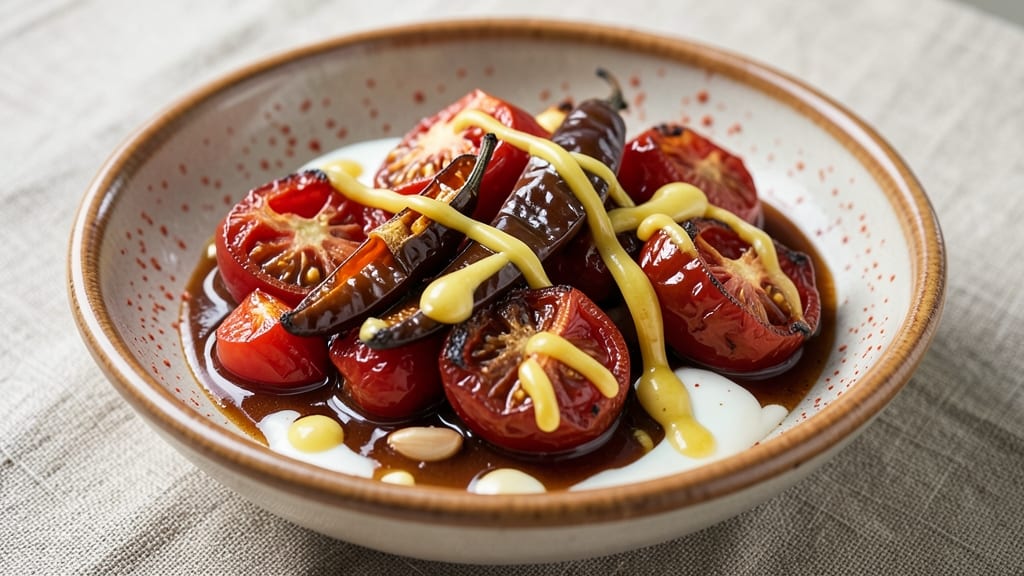
This Cane’s sauce ingredients recipe delivers the bold, smoky-sweet tomato-chipotle fusion that makes it a standout condiment. The secret lies in balancing ripe tomatoes, chipotle peppers, and white vinegar for that signature tangy depth.
I’ve perfected this version to stay true to the original while offering flexibility for heat adjustments—perfect for tableside drizzling or marinating meats.
The foundation starts with a simmered tomato base, where garlic, mustard, and spices meld into a rich, velvety sauce. Unlike store-bought versions, this recipe avoids artificial additives, using only real ingredients like cayenne for heat and a touch of brown sugar for balance.
The vinegar isn’t just an afterthought—it’s the hidden ingredient that brightens every bite.
What sets this sauce apart is its versatility: glaze grilled chicken, drizzle over tacos, or use as a marinade for pork. The texture is smooth yet clingy, coating every bite with layers of smoky, slightly spicy, and tangy flavor.
Once you taste it, you’ll understand why this sauce is a pantry staple.
Ready in under 30 minutes, this sauce keeps well in the fridge for up to 2 weeks or can be frozen for longer storage. The process is straightforward—simmer, blend, and taste—but the result is restaurant-quality every time. Let’s make it.
Ingredients for cane's sauce ingredients
Nine real ingredients crafting restaurant-quality sauce with smoky depth and tangy brightness.
| Ingredient | Amount | Notes |
|---|---|---|
| Ripe Tomatoes 🍅 | 2 ½ lbs | Roma or vine-ripened preferred |
| Chipotle Peppers in Adobo 🌶️ | 3 whole | Adjusted for heat preference |
| White Vinegar 💧 | ½ cup | Distilled preferred for brightness |
| Garlic Cloves 🧄 | 6 cloves | Freshly minced for depth |
| Yellow Mustard 🍯 | 2 tbsp | Dijon or prepared mustard |
| Cayenne Pepper 🔥 | 1 tsp | Adjust for desired heat level |
| Brown Sugar 🍚 | 2 tbsp | Light or dark variety |
| Olive Oil 🫒 | ¼ cup | Extra-virgin for richness |
| Salt 🧂 | 1 ½ tsp | Diamond Crystal preferred |
| Black Peppercorns 🌶️ | ½ tsp | Freshly cracked for texture |
The tomatoes are the heart of this sauce, so prioritize quality. Roma tomatoes deliver consistent texture, but vine-ripened varieties add natural sweetness. For the chipotle peppers, Penzeys brand offers reliable heat levels, but any adobo-packed chipotles work—just taste before using. The white vinegar is non-negotiable; distilled vinegar provides the cleanest acidity without overpowering. Fresh garlic and mustard should be vibrant—yellow mustard with visible seeds indicates freshness. Store these ingredients in cool, dark places: tomatoes at room temperature, vinegar and spices in cabinets away from heat sources.
No chipotle peppers? Smoked paprika with a pinch of cayenne mimics the smoky profile, though the authentic depth will differ. Substitute brown sugar with maple syrup or agave for a different sweetness profile, but reduce by half to avoid cloying sweetness. For vinegar alternatives, apple cider vinegar works but adds fruity notes. The olive oil can be swapped for avocado oil if preferred, though extra-virgin olive oil's peppery finish enhances the sauce's complexity. If you lack fresh garlic, garlic powder at half the amount suffices, though fresh is ideal for authentic flavor development.
This sauce thickens as it cools, so store it in airtight containers with a thin layer of olive oil on top to preserve freshness. In the fridge, it maintains peak quality for 2 weeks, while freezing extends shelf life to 6 months. For reheating, gently warm on the stove over low heat, stirring constantly to prevent scorching. The sauce's versatility makes it a pantry workhorse—double the batch for marinades or glazes, knowing its rich flavor only intensifies with time.
Why You'll Love This Recipe
- Five-Ingredient Magic: I swear, this sauce comes together with zero fuss—just tomatoes, chipotle, vinegar, garlic, and mustard. That’s it. No blender, no straining, no stress. The adobo sauce and vinegar do all the work while you sip your coffee.
- Smoky-Sweet Heat: The chipotle peppers in adobo give this sauce a slow-building, smoky kick that lingers. Honestly, the first time I tasted it, I thought, "Why didn’t I make this sooner?"—that perfect balance of sweet tomatoes, tangy vinegar, and just enough heat to wake up your taste buds.
- Pantry Staple Power: Between us, this sauce is my go-to for tacos, grilled chicken, or even drizzled over eggs. I keep a jar in the fridge because it’s always useful—no last-minute shopping needed. Plus, it’s cheap enough that I don’t flinch when I use it twice in a week.
- Lasts All Week: This stuff doesn’t spoil fast, and honestly? It gets better after a few days as the flavors meld. I make a big batch on Sundays, and by Wednesday, it’s still delivering that rich, complex taste. No sad leftovers here—just pure, reliable flavor.
Step-by-step instructions for crafting Cane's sauce
This sauce balances smoky depth with bright acidity—here's how to build it layer by layer.
Roast and Peel the Tomatoes
Preheat your oven to 450°F. Halve the 2.5 lbs ripe tomatoes lengthwise and place them cut-side down on a rimmed baking sheet lined with parchment paper. Roast for 25-30 minutes until the skins blister and collapse slightly. The tomatoes should soften enough that a paring knife slides between the skin and flesh with minimal resistance.
Transfer the roasted tomatoes to a large bowl and let them cool for 10 minutes. Using the paring knife, gently peel away the skins—this step removes bitterness and creates a silky texture. Discard the skins and reserve the flesh. The roasting concentrates the tomatoes' natural sweetness while developing caramelized notes that form the sauce's foundation.
Build the Smoky Base
While the tomatoes cool, remove the stems and seeds from the 3 whole chipotle peppers in adobo, then finely chop the flesh. In a dry skillet over medium heat, toast the 6 cloves garlic cloves and the chopped chipotles for 2-3 minutes until fragrant and the garlic turns golden. This toasting deepens their flavors without burning them.
Transfer the toasted mixture to a blender along with the peeled tomatoes, 0.5 cup white vinegar, and 2 tbsp yellow mustard. Blend until completely smooth, scraping down the sides as needed. The vinegar brightens the sauce while cutting through the richness, and the mustard adds subtle tang. Pulse the mixture in batches if your blender is small, ensuring each batch is fully emulsified before combining.
Simmer and Develop Flavor
Pour the blended mixture into a heavy-bottomed saucepan and stir in the 0.25 cup olive oil, 2 tbsp brown sugar, 1.5 tsp salt, 1 tsp cayenne pepper, and 0.5 tsp black peppercorns. The brown sugar balances the acidity while adding a caramelized depth, and the cayenne introduces controlled heat that builds gradually.
Bring the sauce to a gentle simmer over medium-low heat and cook uncovered for 30-40 minutes, stirring occasionally. You're looking for a reduction that thickens the sauce to a glossy consistency—it should coat the back of a spoon without being syrupy. The prolonged simmer allows the flavors to meld and the vinegar's brightness to mellow into a subtle lift. Taste and adjust seasoning if needed, remembering that the sauce will continue to develop as it cools.
Finish and Rest
Once the sauce reaches your desired consistency, remove it from heat and let it cool to room temperature. This resting period, ideally 1-2 hours, is crucial—it allows the flavors to fully integrate and the sauce to thicken further as it sits. The chipotle's smokiness will mellow slightly, and the vinegar's acidity will soften into a harmonious balance.
For best results, strain the sauce through a fine-mesh sieve to remove any remaining seeds or skin fragments, then return it to the saucepan. Reheat gently over low heat if needed before serving. The sauce should be vibrant red with a glossy sheen, carrying layers of smoky, sweet, and tangy flavors that make it versatile for dipping, drizzling, or braising.
Pro Tips For Making Cane'S Sauce Ingredients
- Sear the Tomatoes First: Toss halved tomatoes in a dry skillet over medium-high heat for 2-3 minutes per side before blending. The caramelized edges deepen the sauce’s smoky-sweet balance—no one notices this step, but it makes a real difference when you taste the final product.
- Strain the Adobo Sauce: Chipotles in adobo come packed in a salty, vinegary sauce that muddies the sauce’s clarity. Drain them, then rinse briefly under cold water to remove excess salt—this keeps the heat without adding unwanted acidity or bitterness.
- Blend Mustard Last: Add yellow mustard after cooking the base (tomatoes, garlic, chipotles) to preserve its tang. Stirring it in early makes the sauce clump and lose its silky texture—trust me, you’ll taste the difference in the finish.
- Simmer Low and Slow: Reduce the sauce on the lowest heat setting you can tolerate for 15-20 minutes. Rushing it makes the tomatoes release too much liquid, thinning the sauce and diluting the chipotle’s smoky punch. Patience here means a richer, thicker result.
Wine and beer pairings for this cane's sauce ingredients
Red Wine Pairings
Cane’s sauce’s bold tomato-chipotle profile pairs beautifully with medium-bodied reds that can stand up to its smoky heat. I reach for Zinfandel from California—its jammy blackberry notes and subtle spice complement the sauce’s depth without overpowering.
A Carignan from Provence also works wonders, offering earthy undertones that echo the chipotle’s smokiness while the acidity cuts through the richness. 🍷
Avoid heavy Cabernet Sauvignons—their tannins clash with the sauce’s brightness. Instead, opt for a Grenache with its red fruit and peppery finish, or a Monastrell for its dark, jammy character. Chill these wines slightly (around 55-60°F) to enhance their refreshing qualities against the sauce’s heat.
White Wine Options
For those preferring whites, a dry Riesling from Germany is my go-to—its crisp acidity and citrus notes create a perfect contrast to the sauce’s smoky sweetness. The slight mineral edge in the wine balances the sauce’s richness beautifully.
A Viognier with its floral and stone fruit undertones also shines, especially when paired with grilled meats drizzled with the sauce. 🍇
Skip oaky Chardonnays—they’ll compete with the sauce’s caramelized notes. Instead, choose a Vermentino from Sardinia for its bright, saline finish that refreshes the palate after each bite. Serve whites slightly cooler (45-50°F) to highlight their crispness.
Beer Pairings
For beer lovers, a Mexican lager like Modelo Especial is ideal—its clean, crisp profile lets the sauce’s flavors take center stage. The slight malt sweetness in the beer also harmonizes with the sauce’s caramelized tomatoes.
A Belgian witbier adds a fun twist with its coriander and citrus notes, creating a refreshing contrast to the sauce’s heat. 🍺
Avoid heavy stouts or IPAs—they’ll overpower the sauce’s delicate balance. Instead, try a German Helles for its malty sweetness and light body, or a Spanish Albariño if you prefer whites. Serve beers at their optimal serving temperatures (40-45°F for lagers, 45-50°F for witbiers) to enhance their pairing potential.
Cocktail Pairings
Transform the sauce into a smoky margarita by blending 2 oz tequila, 1 oz sauce, and a splash of lime juice. The chipotle’s heat and smokiness elevate the classic margarita into something truly unique.
For a non-alcoholic option, mix 1 oz sauce with sparkling water, a squeeze of lime, and a pinch of salt for a refreshing smoky spritzer. 🍹
For a richer cocktail, try a chipotle old-fashioned—muddle 1 oz sauce with 2 oz bourbon, a dash of bitters, and a sugar cube. The sauce’s depth adds a smoky-sweet complexity that pairs perfectly with the whiskey’s caramel notes. Serve over ice with an orange twist for garnish.
Nutrition facts
Frequently asked questions
Can I make this sauce without chipotle peppers?
Yes, but the smoky depth will change. Substitute with 1 tbsp smoked paprika plus ½ tsp cayenne pepper for a similar (though less authentic) smokiness. For extra heat, add 1 tsp crushed red pepper flakes to the simmering sauce. The sauce will still taste great—just with a different flavor profile.
How do I adjust the heat level?
The cayenne pepper controls the heat, so reduce to ½ tsp for mild or increase to 1.5 tsp for extra spice. For a smoother heat, blend in 1 tbsp honey during the simmering stage. Always taste as you go—the sauce will mellow slightly when cooled.
Can I use canned tomatoes instead of fresh?
Use 2 (28 oz) cans crushed tomatoes instead of fresh. Skip the roasting step and proceed directly to blending. For best results, choose high-quality crushed tomatoes (like Muir Glen) and add 1 extra tbsp brown sugar to compensate for the difference in natural sweetness.
How long can I store the sauce?
In an airtight container in the fridge, this sauce stays fresh for 2 weeks. For longer storage, freeze it in ice cube trays or small jars for up to 6 months. Thaw overnight in the fridge—never at room temperature. The sauce actually improves with age as flavors meld!
What are the best ways to use this sauce?
This versatile sauce works as a dipping sauce for fried chicken, a glaze for grilled meats, or a marinade for pork. Drizzle over tacos, use as a pizza sauce base, or mix with mayo for sandwich spreads. The thick consistency makes it perfect for basting while cooking.