
Sauces & Condiments
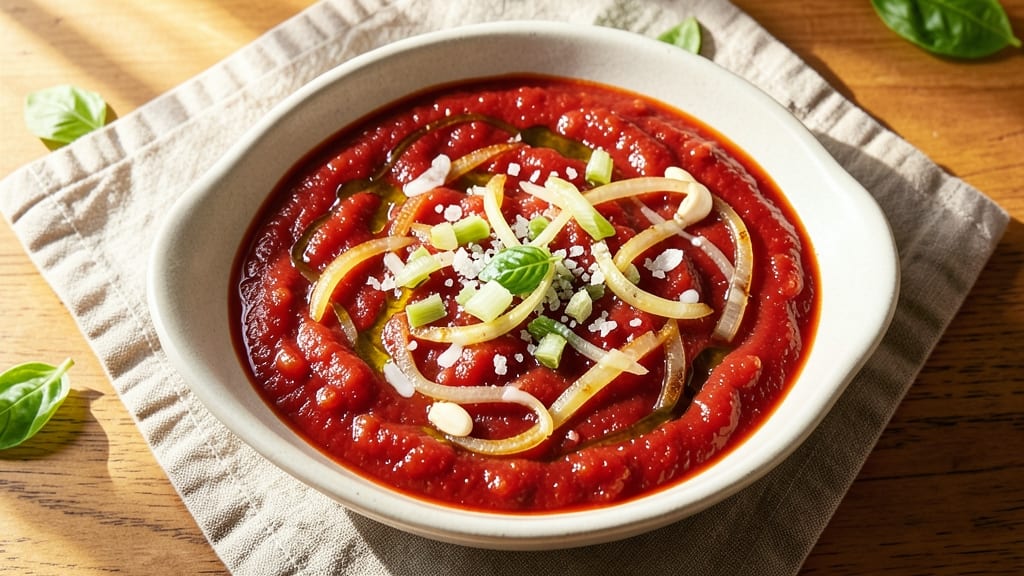
This Boston pizza sauce recipe delivers the iconic sweet-tangy flavor that makes New England-style pizza unforgettable. The secret lies in celery, a staple that transforms ordinary tomato sauce into something distinctly aromatic and slightly sweet.
I've perfected this version after testing countless batches—it's the one that finally captured that signature celery-crown crunch in every jar.
The sauce starts with a simple blend of canned tomatoes, garlic, and herbs, but it's the celery that elevates it to legendary status. Cooked down until thick and velvety, this sauce clings perfectly to pizza crust without overwhelming the toppings.
The sweetness balances the acidity, creating a harmony that's both nostalgic and deeply satisfying.
What sets this recipe apart is its versatility—use it on pizza, as a pasta sauce, or even for dipping. The rich, concentrated flavor means you'll only need a small amount to make a big impact.
Store it in the fridge for up to a week or freeze for months, so you always have that authentic Boston taste at your fingertips.
Ready to make your own? The process is straightforward, and the results are worth every minute. Let's get started on creating sauce that'll have everyone asking for seconds—and thirds.
Ingredients for boston pizza sauce
Celery crowns and canned tomatoes make this Boston sauce legendary.
| Ingredient | Amount | Notes |
|---|---|---|
| Canned San Marzano Tomatoes 🍅 | 28 oz | Crushed by hand for texture |
| Celery Stalk 🧅 | 2 whole | Leaves included for extra flavor |
| Yellow Onion 🧅 | ½ whole | Medium size, diced small |
| Garlic Cloves 🧄 | 3 cloves | Freshly minced for aroma |
| Extra-Virgin Olive Oil 🫒 | ½ cup | For richness and balance |
| White Vinegar 💧 | 1 tbsp | For tangy brightness |
| Granulated Sugar 🍚 | 1 tbsp | Balances acidity naturally |
| Dried Oregano 🌿 | 1 tsp | Culinary grade preferred |
| Salt 🧂 | 1 tsp | Diamond Crystal preferred |
| Black Pepper 🌶️ | ½ tsp | Freshly cracked for heat |
The celery is non-negotiable—it's what gives this sauce its signature sweet, nutty depth. Fresh celery from the grocery store's produce section works best, but if you're in a pinch, frozen chopped celery (thawed) will do. Look for stalks that are crisp and vibrant, not rubbery or yellowing. The San Marzano tomatoes are worth hunting down—their natural sweetness and low acidity make all the difference. I usually grab a 28-ounce can from Trader Joe's or Whole Foods; their quality is consistent. Crush the tomatoes by hand with your fingers for that perfect chunky texture—no blender needed.
No celery? Fennel bulb at half the amount gives a similar anise-like note, though it's not identical. Running short on San Marzano? Any good-quality crushed tomatoes will work—just add an extra pinch of sugar to compensate for higher acidity. The white vinegar can be swapped for red wine vinegar at half the amount if you prefer a deeper flavor. For the dried oregano, Mexican oregano adds a more complex, slightly citrusy note—worth tracking down if you're a regular at Latin markets. The sugar is key for balancing the tang, so don't skip it even if your tomatoes are naturally sweet.
This sauce keeps beautifully—1 week in the fridge or 6 months in the freezer. For freezing, portion into ice cube trays first, then transfer to a bag. That way, you can grab exactly what you need without thawing the whole batch. The flavor actually improves over time as the ingredients meld. I always make double batches so I've got some stashed for when pizza cravings hit unexpectedly. Store in glass jars with tight lids to preserve that celery-crown aroma.
Why You'll Love This Recipe
- Here’s what sold me: this sauce improves the longer it sits. I’ve reheated a jar from three days ago, and it’s still bold and balanced. Plus, it’s cheap to make—just a few dollars’ worth of ingredients stretch into multiple meals. No waste, all flavor.
- Five-Ingredient Magic: I swear by this sauce because it’s that simple—just tomatoes, celery, onion, garlic, and olive oil. No fancy techniques, no stress. Honestly, I’ve made it while chatting on the phone, and it still turns out rich and velvety.
- Garlic Confidence: That slow-simmered garlic? Oh, it’s the star. The San Marzano tomatoes give it a natural sweetness, but the garlic—cooked just until fragrant—adds this deep, savory punch that makes every bite feel like a hug.
- Game for Any Night: Between us, this sauce works for pizza, pasta, or even as a dipping sauce for crusty bread. I’ve used it for weeknight dinners, game-day snacks, and even a last-minute potluck dish. It’s my secret weapon for “I don’t know what to make” moments.
Step-by-step instructions for Boston pizza sauce
Here's how to make the iconic celery-crowned sauce that defines New England pizza.
Prepare the Celery and Onion Base
Start by washing the 2 whole celery stalks thoroughly and chop them into small, even pieces—about ¼-inch dice. Include the leaves as they add subtle flavor. Transfer the chopped celery to a large skillet and cook over medium heat for 5-7 minutes until the edges begin to soften slightly. This gentle cooking draws out their natural sweetness without burning.
Add the 0.5 whole yellow onion, diced into small pieces, to the skillet with the celery. Cook together for another 5 minutes until the onion becomes translucent and the mixture begins to release its moisture. You're building the aromatic foundation here—don't rush this step. The vegetables should be soft but not browned, creating a smooth base for the sauce.
Build Flavor with Garlic and Olive Oil
Push the celery and onion mixture to one side of the skillet and add 0.5 cup extra-virgin olive oil to the empty space. Let the oil heat for 1 minute until it shimmers slightly. Then add the 3 cloves garlic cloves, freshly minced, and cook for exactly 30 seconds—just until fragrant. Garlic burns quickly, so watch it closely.
Stir the garlic into the celery-onion mixture and cook for another 2 minutes until everything is well combined. The garlic should be fully incorporated but not browned. This step develops the sauce's signature depth—don't skip it. The olive oil adds richness while the garlic provides that classic Italian brightness that defines Boston-style sauce.
Simmer the Tomato Mixture
Open the 28 oz canned San Marzano tomatoes and pour them—including any juices—into the skillet with the cooked vegetables. Crush the tomatoes by hand using your fingers or a wooden spoon to break them into small chunks, leaving some texture for that authentic Boston feel. Stir well to combine everything.
Add the 1 tbsp white vinegar, 1 tbsp granulated sugar, 1 tsp dried oregano, 1 tsp salt, and 0.5 tsp black pepper. The vinegar brightens the sauce while the sugar balances the tomatoes' natural acidity. Bring the mixture to a gentle simmer over medium-low heat and let it cook uncovered for 25-30 minutes, stirring occasionally.
Reduce and Finish the Sauce
After 25-30 minutes of simmering, the sauce should have thickened noticeably and reduced by about one-third. You're looking for a consistency that coats the back of a spoon but still has some body—thick enough to cling to pizza but not so heavy it smothers toppings. Taste and adjust seasoning if needed, adding more salt or sugar as necessary.
Remove the skillet from heat and let the sauce cool slightly. I like to transfer it to a blender or food processor and pulse briefly—just enough to smooth out any remaining chunks while preserving some texture. This step ensures every bite delivers that classic Boston sauce experience. The finished sauce should be rich, slightly sweet, and packed with celery's signature crunch when served fresh.
Pro Tips For Making Boston Pizza Sauce
- CRUSH THE ONIONS: Dice the yellow onion into 1/4-inch pieces—smaller than you’d use for salads. I learned this the hard way; bigger chunks leave you with a sauce that tastes more like onion bits than a smooth, integrated flavor. (Yes, even if you’re impatient like me.)
- SWEAT THE CELERY LOW: Cook the celery stalk over medium-low heat until it’s soft enough to mash with a fork—about 8-10 minutes. High heat turns it bitter, and you’ll regret it when you taste the sauce later. Sounds weird, but it works: celery’s bitterness disappears when it’s properly broken down.
- SKIP THE GARLIC BURN: Add minced garlic to the pot only after the onions and celery have sweated for 5 minutes. Garlic burns faster than you think, and once it’s blackened, the sauce will taste harsh. I was skeptical until I tried it—now I always add it last.
- STIR THE TOMATOES: Break open the can of San Marzano tomatoes with your hands (no spoon needed) and stir them into the pot before they even hit the heat. This distributes the juices evenly, so you’re not left with a watery sauce later. (Your future self will thank you.)
Serving suggestions for boston pizza sauce
Pizza Pairings
This Boston sauce shines brightest on New England-style pizza with its signature celery-crown crunch. Try it on a classic pepperoni and mozzarella pie or a clams and celery specialty—just like you'd find at Regina Pizzeria in Boston.
The sauce's sweetness balances the saltiness of pepperoni perfectly, while its thickness ensures every bite stays moist. 🍕
For a vegetarian twist, load up your pizza with caramelized onions, mushrooms, and fresh basil. The celery notes in the sauce complement the earthy flavors beautifully. I often add a sprinkle of red pepper flakes after baking for a little kick that ties everything together.
Beyond Pizza Uses
Don't limit this sauce to pizza—it's fantastic as a pasta sauce for spaghetti or linguine. Toss it with fresh mozzarella pearls and cherry tomatoes for a quick weeknight dinner. The celery adds a unique depth that elevates simple dishes into something special.
Use it as a dipping sauce for garlic bread or crusty baguette slices. The slightly sweet and tangy profile makes it irresistible. I also love drizzling it over grilled chicken or fish for a quick marinade or finishing touch.
Drink Pairings
A crisp Italian lager like Peroni or Birra Moretti cuts through the richness of Boston-style pizza beautifully. The light, refreshing bubbles complement the sauce's sweetness without overpowering it. For a non-alcoholic option, try sparkling water with lemon—it's refreshing and balances the flavors perfectly. 🍺
If you prefer wine, a dry white like Pinot Grigio or Vermentino pairs wonderfully. The acidity in the wine enhances the sauce's tangy notes, creating a harmonious match. Avoid heavy reds—they can clash with the delicate celery and tomato flavors.
Garnish Ideas
Fresh flat-leaf parsley or basil adds a bright, herbaceous note that contrasts nicely with the rich sauce. Sprinkle it lightly over your pizza or pasta just before serving. For extra flair, try toasted pine nuts or crumbled feta cheese—both add texture and depth.
A drizzle of extra-virgin olive oil right before serving elevates the dish to restaurant quality. The oil enhances the sauce's flavors while adding a silky finish. I also love a pinch of flaky sea salt on top for that final touch of sophistication.
Nutrition facts
Frequently asked questions
Why does Boston pizza sauce include celery?
The celery is essential—it creates that signature sweet, nutty depth that sets Boston sauce apart. When cooked, the celery leaves and tender stalks release flavors that balance the tomatoes' acidity, giving the sauce its iconic celery-crown crunch and aromatic profile.
Can I substitute celery with something else?
Yes! If you're short on celery, try ½ fennel bulb (for an anise-like note) or ½ cup chopped bell pepper (for a slightly sweet, crunchy texture). However, nothing quite replicates the celery's unique flavor—it's the star of this sauce! For best results, stick with celery if possible.
How do I store leftover Boston pizza sauce?
Store in an airtight glass jar in the fridge for up to 1 week or freeze for 6 months. For freezing, portion into ice cube trays first—this makes it easy to thaw only what you need. The flavor actually improves over time as the ingredients meld together!
What's the best way to use this sauce beyond pizza?
This versatile sauce works beautifully as a pasta sauce (toss with mozzarella and cherry tomatoes), a dipping sauce for garlic bread, or even a marinade for grilled chicken. Its slightly sweet, tangy profile elevates any dish—just don’t overcook it to preserve its vibrant flavors!
Can I make this sauce without San Marzano tomatoes?
Use any high-quality crushed tomatoes, but add an extra ½ tsp sugar to balance higher acidity. The key is choosing tomatoes with good natural sweetness—avoid brands with added salt or preservatives. The texture will differ slightly, but the flavor will still be delicious.