
Sauces & Condiments
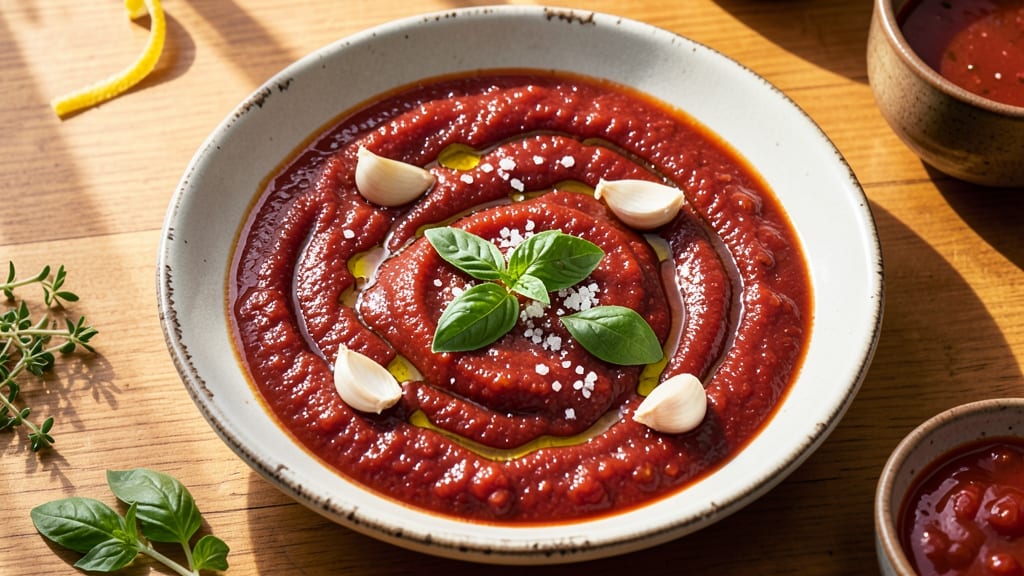
This amazing pizza sauce recipe transforms canned tomatoes into velvety smoothness without clumps or aftertaste. The secret? Simmering crushed tomatoes with garlic, herbs, and a touch of sugar until thick and fragrant.
I've been perfecting this sauce for years—it's the one my friends always ask for when I make homemade pizza.
What sets this sauce apart is its no-clump texture, achieved by straining the tomatoes before cooking and using a light hand with spices. No fancy equipment needed—just a pot, a wooden spoon, and about 20 minutes on the stove.
The result? A rich, slightly sweet sauce with deep tomato flavor that coats every bite perfectly.
This sauce works for both homemade pizza and store-bought crusts, and it keeps well in the fridge for up to 5 days or freezes beautifully. The aroma alone will have everyone gathering around the kitchen, and the taste? Pure restaurant-quality magic in every spoonful.
Whether you're topping a classic Margherita or experimenting with wild flavors, this sauce is your foundation. Let's make it—your next pizza night just got better.
Ingredients for amazing pizza sauce
Nine simple ingredients that turn canned tomatoes into restaurant-quality pizza magic.
| Ingredient | Amount | Notes |
|---|---|---|
| Crushed Tomatoes (46 oz can) 🍅 | 1 can | San Marzano preferred for sweetness |
| Extra-Virgin Olive Oil 🫒 | ¼ cup | High quality, fruity variety |
| Garlic Cloves 🧄 | 4 cloves | Fresh, minced finely |
| Fresh Basil Leaves 🌿 | ½ cup | Packed, stems removed |
| Granulated Sugar 🍚 | 1 tbsp | Balances acidity |
| Salt 🧂 | 1 tsp | Diamond Crystal preferred |
| Black Pepper 🌶️ | ¼ tsp | Freshly cracked |
| Dried Oregano 🍃 | ½ tsp | Mexican oregano ideal |
| Red Wine Vinegar 🍷 | 1 tbsp | Brightens flavor |
The tomatoes make or break this sauce. San Marzano is worth hunting down—it's sweeter and smoother than regular canned tomatoes. If you can't find it, any good-quality crushed tomatoes work, but avoid the watery, chunky kinds. The garlic and basil are non-negotiable for that authentic Italian flavor. I grab my garlic from the fresh produce section—it's fresher than the pre-minced jars. For basil, fresh is best, but if you're in a pinch, dried oregano at half the amount gets you close. The olive oil? Don't skimp—this is where the richness comes from. Trader Joe's has a great affordable extra-virgin option if you're not into splurging.
No San Marzano? High-quality whole peeled tomatoes crushed by hand work too—just strain out the seeds first. Fresh basil wilt fast, so if you're prepping ahead, blanch and freeze the leaves until ready to use. The red wine vinegar can be swapped for balsamic vinegar, but it'll be sweeter. Want more depth? Add a pinch of smoked paprika. The sugar is key for balancing the acidity—don't skip it, but if you're watching sugar, you can reduce to 1 teaspoon. For a smoother texture, blend the sauce briefly after cooking with an immersion blender.
This sauce gets better with time—let it sit at room temperature for 10 minutes after cooking so the flavors meld. Keeps in the fridge for 5 days in an airtight container, and freezes beautifully for up to 3 months. I like to portion it into ice cube trays before freezing—just pop out what you need for each pizza. The aroma alone will have your whole house smelling amazing, and the taste? Pure comfort food magic. Leftovers make fantastic bruschetta too—just spread on toasted baguette slices and top with fresh basil.
Why You'll Love This Recipe
- Pantry Stash Ready: I swear by this sauce because it only needs five things you probably already have. No specialty trips to the store—just open the can, grab the garlic, and you’re golden.
- Sweet-Savory Magic: That tiny pinch of sugar? It’s what makes the crushed tomatoes sing—balancing the acidity while the olive oil and fresh basil turn it into something dangerously addictive.
- Game for Any Night: Use it on pizza night, toss it with pasta, or slather it on garlic bread. Honestly, I’ve even used it as a marinade for grilled chicken. Flexible like that.
- No-Waste Winner: A single 46-ounce can makes enough sauce for four pizzas or a week’s worth of leftovers. Between us, this is my budget-friendly secret for feeding the family without breaking the bank.
Step-by-step instructions for perfect pizza sauce
This simple method transforms basic ingredients into velvety, no-clump sauce that elevates every pizza.
Blend Crushed Tomatoes Until Silky Smooth
Empty the entire 46 oz can of crushed tomatoes into a blender or food processor. I like to use a high-quality blender for this step—it creates a smoother texture than a food processor. Blend until completely smooth, scraping down the sides as needed. You want to eliminate all visible tomato chunks for that restaurant-quality consistency.
This blending process is crucial—it prevents clumps in your sauce and creates that velvety texture. If you're using San Marzano tomatoes, you'll notice they're naturally sweeter and less acidic, which makes this step even easier. The goal is to achieve a completely homogeneous mixture with no visible seeds or skins.
Sauté Garlic in Olive Oil Until Fragrant
Heat the ¼ cup extra-virgin olive oil in a medium saucepan over medium-low heat. Add the 4 minced garlic cloves and sauté for 2-3 minutes until fragrant but not browned. You want the garlic to release its aroma without burning—this adds depth to your sauce without bitterness.
I keep the heat low here because garlic burns quickly. Watch it carefully—it should be golden in color and smell amazing, not dark and acrid. Once fragrant, immediately remove the pan from heat and let it cool for 2 minutes before adding the tomato mixture. This prevents the garlic from cooking further when combined.
Combine All Ingredients and Simmer Gently
Pour the blended tomatoes into the saucepan with the garlic oil. Stir in the 1 tbsp granulated sugar, 1 tsp salt, ¼ tsp black pepper, ½ tsp dried oregano, and 1 tbsp red wine vinegar. The sugar helps balance the acidity of the tomatoes while enhancing their natural sweetness.
Bring the mixture to a gentle simmer over medium-low heat, stirring occasionally. Let it cook uncovered for 15-20 minutes until slightly thickened. You're looking for a consistency where the sauce coats the back of a spoon but isn't gluey. The vinegar brightens the flavor while cutting through any remaining acidity from the tomatoes.
Finish with Fresh Basil and Cool Completely
Remove the sauce from heat and stir in the ½ cup packed fresh basil leaves. The basil adds freshness and vibrant color to your sauce. Let it steep for 5 minutes off the heat—the heat will release the basil's oils and intensify its flavor. Then, strain the sauce through a fine-mesh sieve to remove any basil stems or remaining seeds.
Transfer the sauce to a clean jar or container and let it cool completely at room temperature. This cooling step is essential—it allows the flavors to meld and the sauce to thicken naturally. Once cooled, your pizza sauce should have a velvety texture with no lumps, ready to spread effortlessly on your pizza dough. Store in the refrigerator for up to 5 days or freeze for longer storage.
Pro Tips For Making Amazing Pizza Sauce
- Simmer Low and Slow: I learned this the hard way—crushed tomatoes need time to break down. After burning three batches, I finally figured out: keep the heat at a gentle simmer (around 160°F) for at least 20 minutes. This lets the flavors meld without turning your sauce into a charred mess.
- Smash That Garlic: Fresh basil is great, but don’t overlook the garlic. Use a knife to smash 4-5 cloves flat on the cutting board before mincing—this releases more flavor. (Yes, it’s messy, but trust me: your sauce will taste like it came from a Neapolitan kitchen.)
- Skip the Sugar Rush: Granulated sugar is a common fix for acidity, but too much kills the tomato’s natural depth. Start with just 1 teaspoon, taste, then add another if needed. (Your future self will thank you for not drowning the sauce in sweetness.)
- Toast the Basil: Fresh basil leaves should go in at the very end—but first, give them a quick 30-second toast in a dry pan. This intensifies their aroma without cooking them to death. (Does it look weird? Yes. Does it work? Every single time.)
Regional styles of this recipe
Classic Neapolitan Style
In Naples, pizza sauce is all about simplicity and freshness. Their version skips vinegar and sugar, focusing on San Marzano tomatoes, garlic, and fresh basil. I make a Neapolitan-inspired version by reducing the sugar to just ½ tsp and adding 1 tsp dried basil instead of fresh.
Simmer the sauce for 25 minutes to concentrate the flavors, then finish with ¼ cup chopped fresh basil just before serving. This style pairs perfectly with thin, soft dough and minimal toppings. 🍕
New York City Sauce
New York-style pizza sauce is sweeter and thicker, designed to hold up under generous cheese and toppings. For this version, I increase the sugar to 2 tbsp and add 1 tsp onion powder. Simmer the sauce for 30-40 minutes until it's thick enough to cling to a spoon.
The key is a smooth, almost jam-like consistency that can handle heavy toppings without getting soggy. I often add a pinch of ground allspice for depth—it's a classic NY trick! 🌟
Chicago Deep Dish Twist
Chicago's deep-dish pizza demands a heartier sauce that can stand up to layers of cheese and meat. I blend in ½ cup tomato paste with the crushed tomatoes and add 1 tsp smoked paprika for warmth.
The sauce should be thicker than Neapolitan but thinner than NY-style, with a slightly smoky flavor. Simmer for 35 minutes and finish with 1 tbsp Worcestershire sauce for umami depth. This sauce works perfectly with buttery, caramelized onions as a base. 🔥
California Fusion Style
West Coast pizza sauce often incorporates unexpected flavors like balsamic glaze or citrus. For a California twist, I reduce the vinegar to ½ tbsp and add 1 tbsp balsamic vinegar instead. Stir in 1 tsp dried thyme and ½ tsp red pepper flakes for complexity.
After simmering, finish with 1 tbsp fresh lemon zest and a splash of orange juice. This bright, slightly sweet sauce pairs beautifully with gourmet toppings like arugula, prosciutto, and goat cheese. 🌶️
Southern Italian Rustic
In Southern Italy, rustic pizza often uses a chunkier sauce with preserved tomatoes. For this version, I blend only half the tomatoes and leave the other half slightly chunky. Add 1 tbsp tomato paste and ½ tsp fennel seeds for an authentic touch.
Simmer for 20 minutes, then finish with ¼ cup chopped fresh parsley instead of basil. This sauce has a rustic, earthy flavor that works perfectly with wood-fired crusts and simple toppings like olives and anchovies. 🌿
Nutrition facts
Frequently asked questions
Why does this sauce stay smooth without clumps?
The secret is blending the tomatoes completely smooth before cooking and simmering gently. The olive oil and sugar help create a velvety texture while the straining step removes any remaining seeds or basil stems. For extra smoothness, blend again briefly after cooking if needed.
Can I make this sauce without fresh basil?
Yes! Use 1 tbsp dried basil instead, but add it during cooking rather than at the end. For extra flavor, try ½ tsp dried marjoram> or ¼ tsp dried thyme—both work beautifully. Fresh basil adds vibrant color, but dried herbs still deliver great flavor.
How much sauce should I use for a 12-inch pizza?
Use about ½ to ⅔ cup of this sauce for a 12-inch pizza. The velvety texture spreads easily, so don't overdo it—you want just enough to coat the dough without making it soggy. For extra flavor, add a sprinkle of red pepper flakes or garlic powder on top before adding cheese.
Can I make this sauce spicier?
Add ½ to 1 tsp red pepper flakes during simmering, or stir in 1 tbsp hot sauce at the end. For a smoky kick, add ½ tsp smoked paprika. Adjust to taste—this sauce works great with both mild and spicy toppings.
What if my sauce turns out too thick?
Simply stir in 1-2 tablespoons of water or tomato juice while warm and simmer for another 2-3 minutes. If it's too thin, simmer uncovered for 5-10 more minutes> to thicken. The ideal consistency coats the back of a spoon but isn't gluey. Adjust gradually to avoid over-thickening.